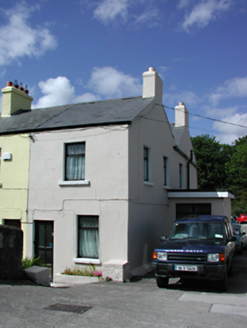
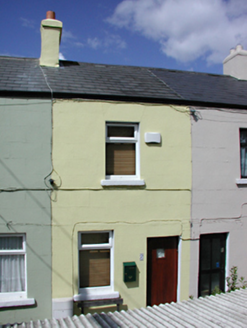
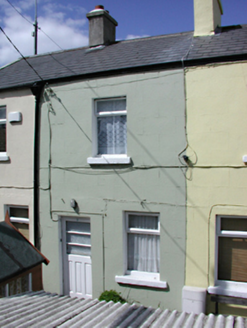
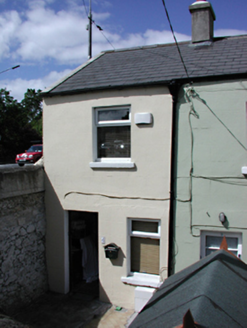
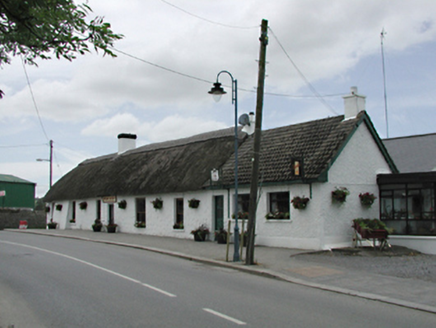
End-of-terrace single-bay two-storey house, c. 1890, with later projecting porch to side. Rendered, ruled and lined walls. uPVC glazed doors, one in porch to side. uPVC casement windows. M-profile ...
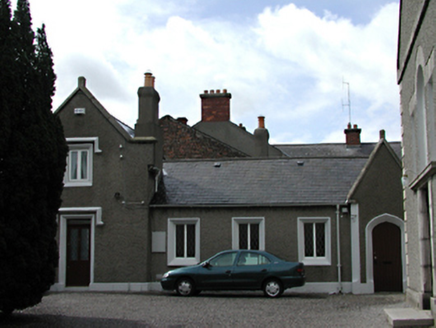
Formerly semi-detached four-bay single-storey school house, c.1820. Roughcast rendered walls with cut stone dressings. Chamfered stone reveals to openings. Leaded timber casement windows. Timber t...
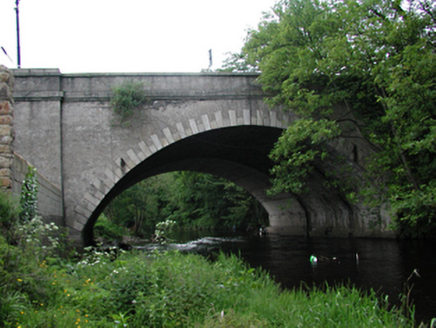
Single arch road bridge over the River Dodder, c.1800, widened westwards in 1952. Original roughcast elevation to east, replacement squared limestone to west, each with parapet and ashlar voussoirs t...
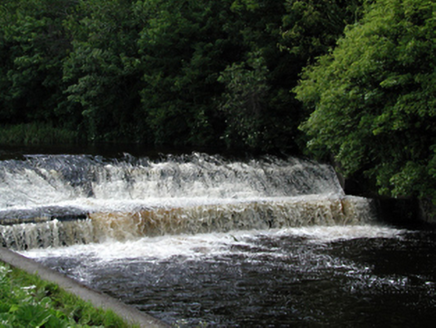
Two stage weir in the River Dodder, c.1800, originally supplying water for a mill stream. First tier constructed of cobbled slabs, cobbles and cement, has a curving profile over c.10 metres with a dr...
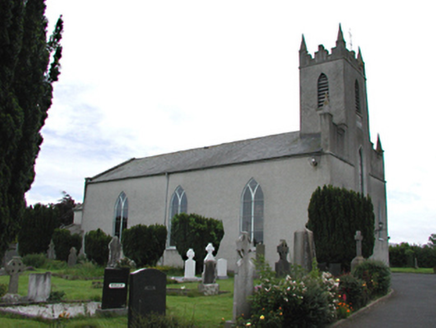
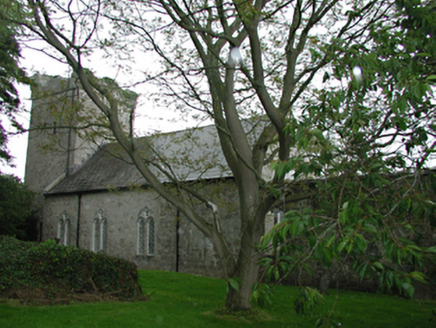
Detached single-cell church, built 1813, with three-bay nave, gabled projecting apse to east end, and incorporated tower with flanking parapets to west end. Roughcast rendered walls. Pointed opening...
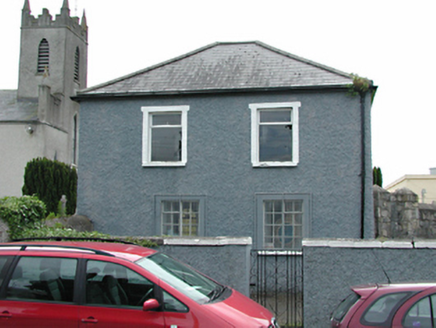
Detached two-bay two-storey national school, c.1825. Roughcast rendered walls. uPVC windows with smooth rendered surrounds. Glazed timber door with gabled hood to southern elevation. Hipped slate ...
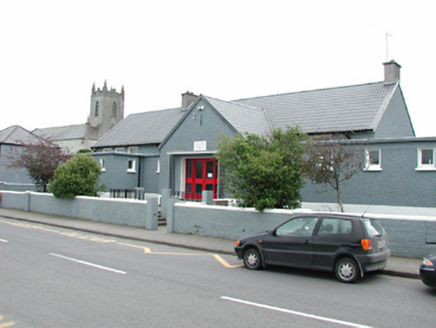
Detached multiple-bay national school, c.1950, comprising two-storey gable-ended section with off-set gabled projecting entrance porch, and single-storey flat-roofed sections to front and west side. ...
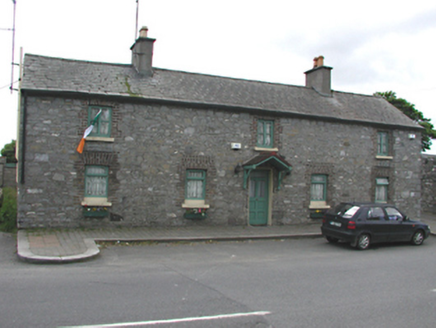
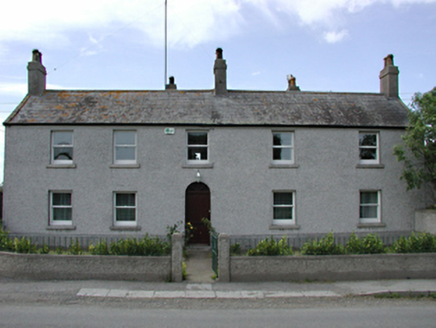
Detached five-bay two-storey house, c.1820. Coursed rubble limestone walls. Rendered, ruled and lined east gable. Timber casement windows with brick dressings. Glazed timber panelled door with gab...
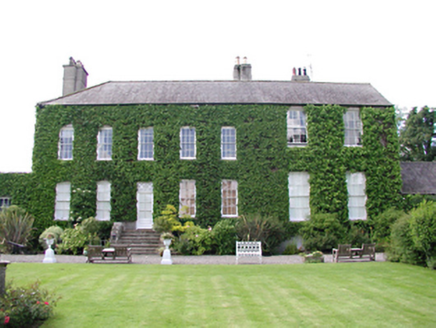
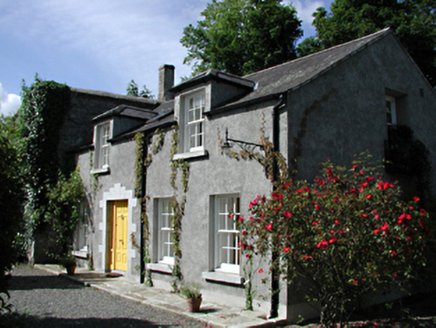
Detached multiple-bay former rectory, now in use as a private house, comprising five-bay two-storey over basement section to east, c.1720, three-bay two-storey section added to west, c.1820, with two-...
Detached four-bay single-storey with dormer attic former ecclesiastical building, built 1727, subsequently in use as a private house and now unoccupied. Roughcast rendered walls with smooth rendered ...
Detached single-cell church, c.1775, incorporating west tower and chancel of fifteenth-century church. Four-bay nave, with further three bays to east, now unroofed. Rubble stone walls. Paired cusp-...
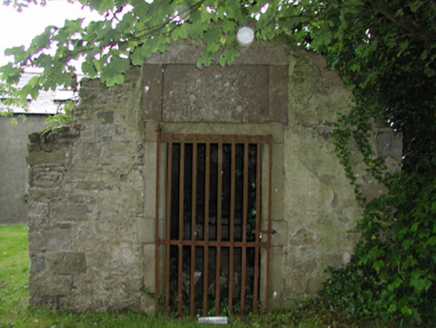
Single-cell family mausoleum, erected 1801. Coursed rubble stone walls, originally rendered. Doorway in west gable with simple granite block and start surround and plain iron gate. Commemorative pl...
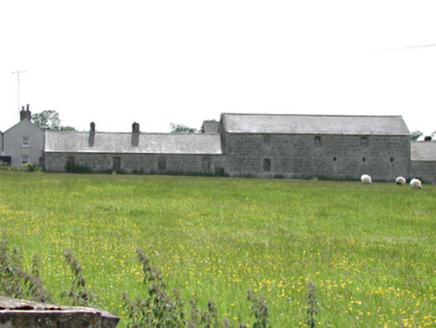
Range of multiple-bay single- and two-storey farm outbuildings, c.1830. Coursed rubble stone walls with brick dressings to openings. Some timber sash windows. Pitched slate roofs....
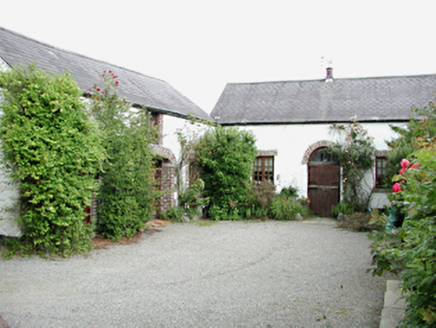
Pair of detached three-bay former outbuildings, c.1840, one two-storey, the other single-storey, set on an L-plan around yard. Now in use as houses. Roughcast rendered rubble stone walls. Red brick...
To provide the best experiences, we use technologies like cookies to store and/or access device information. Consenting to these technologies will allow us to process data such as browsing behavior or unique IDs on this site. Not consenting or withdrawing consent, may adversely affect certain features and functions.
Functional
Always active
The technical storage or access is strictly necessary for the legitimate purpose of enabling the use of a specific service explicitly requested by the subscriber or user, or for the sole purpose of carrying out the transmission of a communication over an electronic communications network.
Preferences
The technical storage or access is necessary for the legitimate purpose of storing preferences that are not requested by the subscriber or user.
Statistics
The technical storage or access that is used exclusively for statistical purposes.The technical storage or access that is used exclusively for anonymous statistical purposes. Without a subpoena, voluntary compliance on the part of your Internet Service Provider, or additional records from a third party, information stored or retrieved for this purpose alone cannot usually be used to identify you.
Marketing
The technical storage or access is required to create user profiles to send advertising, or to track the user on a website or across several websites for similar marketing purposes.