Survey Data
Reg No
60230109
Rating
Regional
Categories of Special Interest
Architectural, Artistic, Historical, Social
Original Use
Mausoleum
In Use As
Mausoleum
Date
1910 - 1915
Coordinates
322246, 227153
Date Recorded
28/11/2016
Date Updated
--/--/--
Description
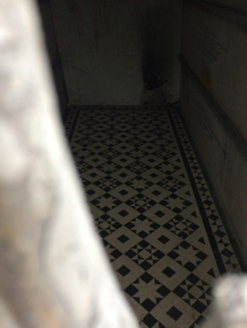
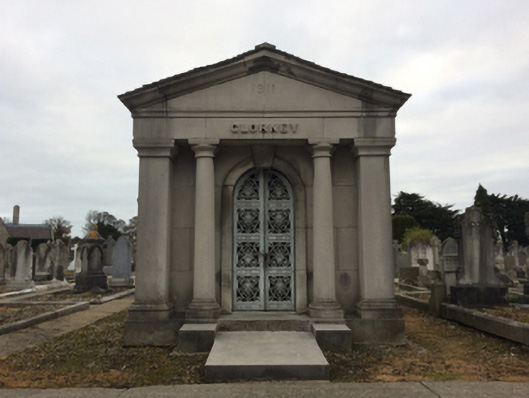
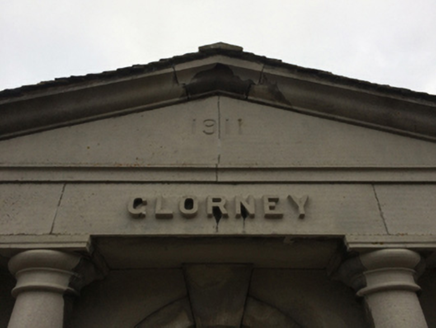
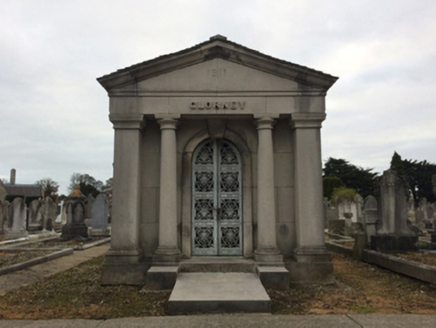
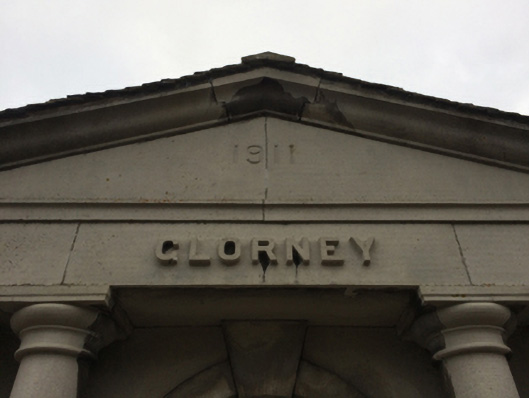
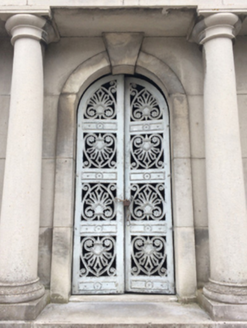
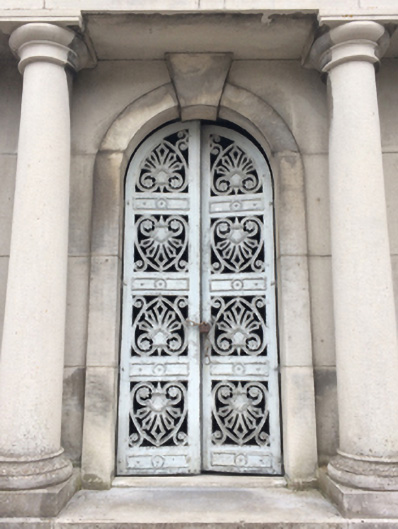
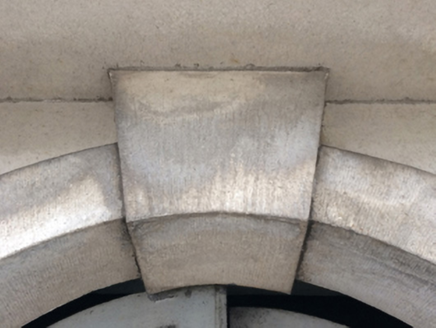
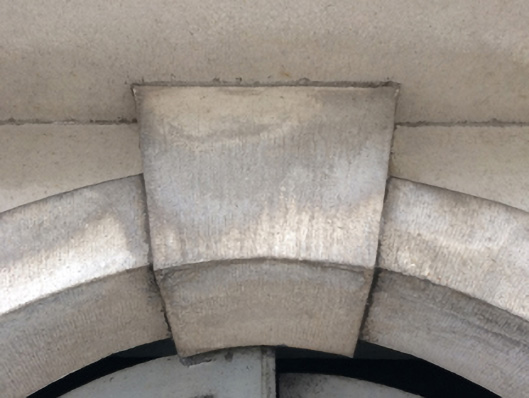
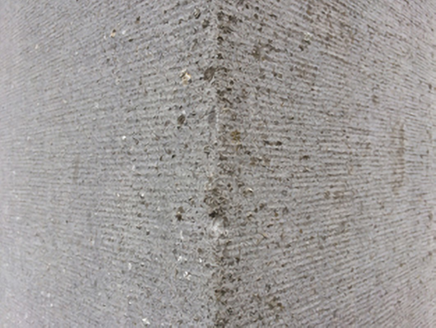
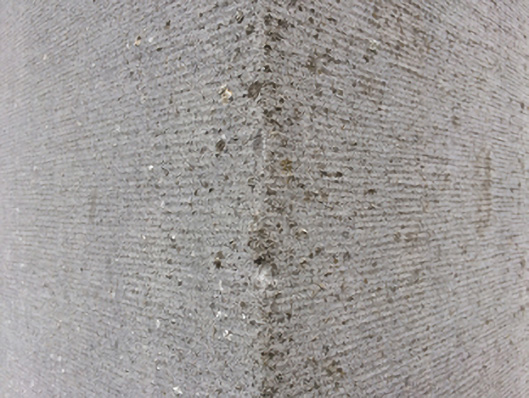
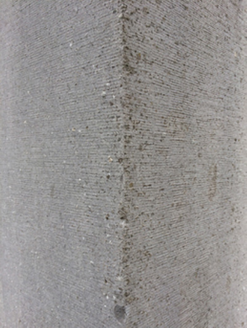
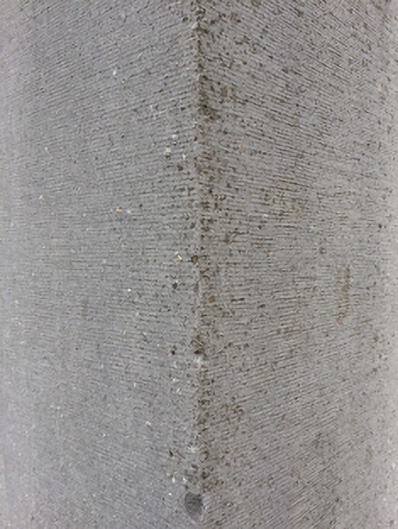
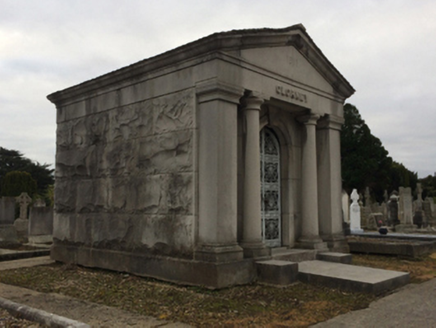
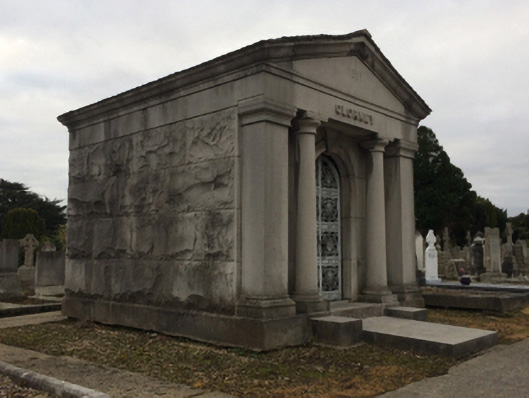
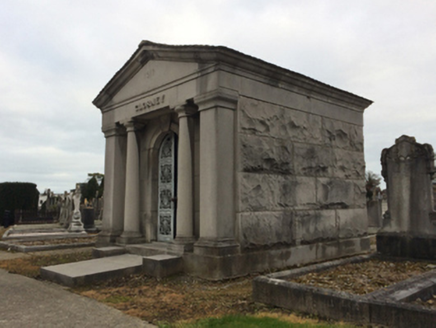
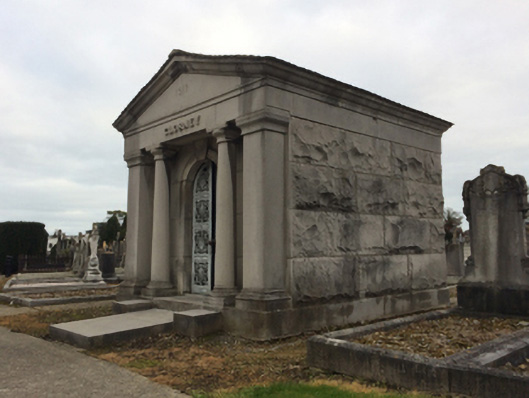
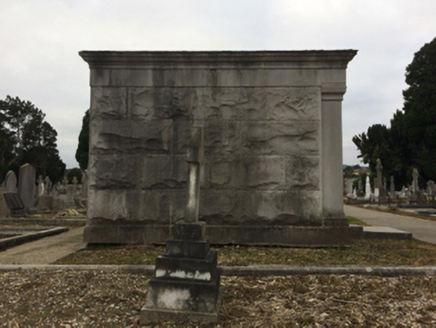
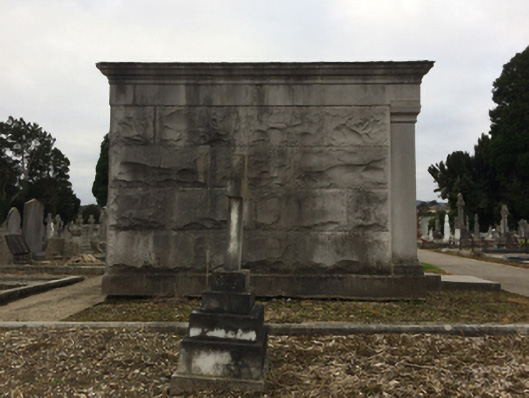
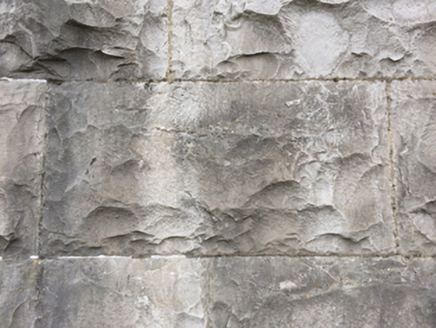
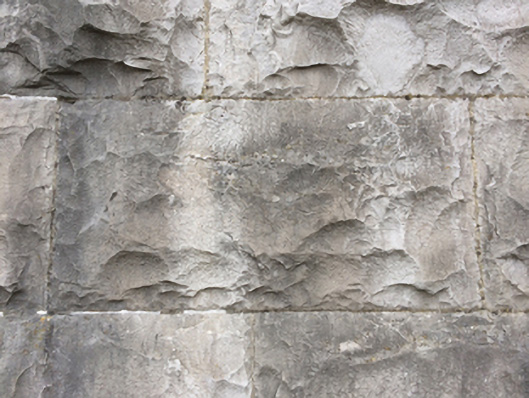
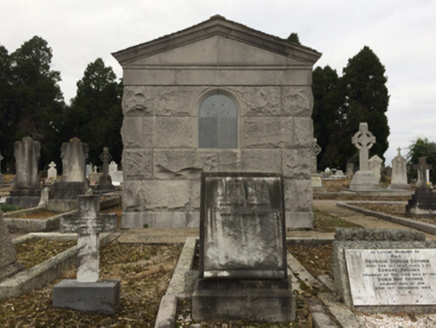
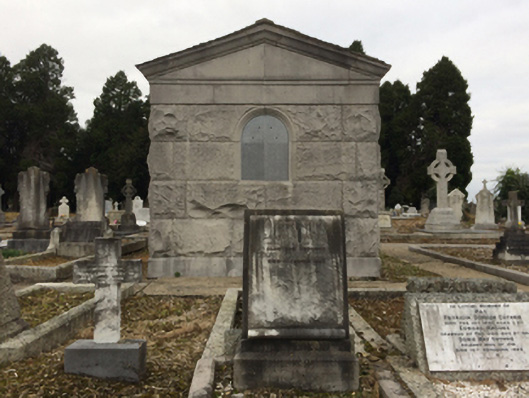
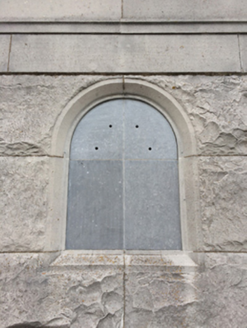
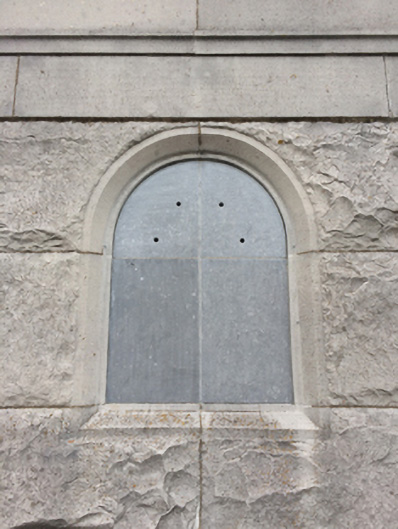
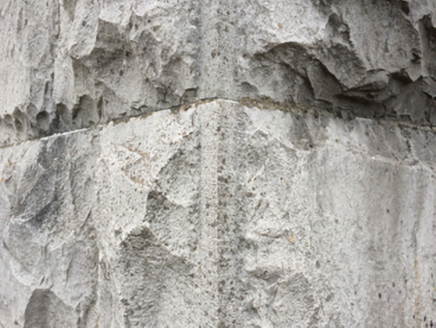
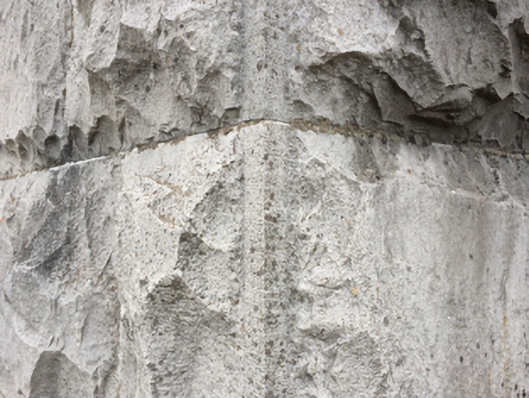
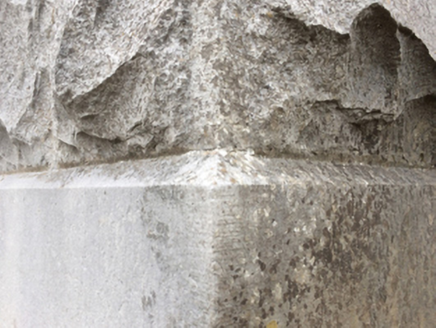
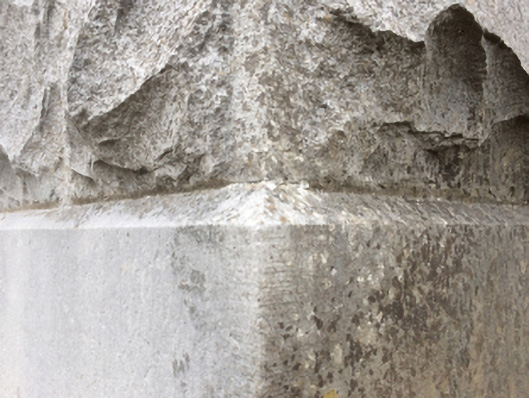
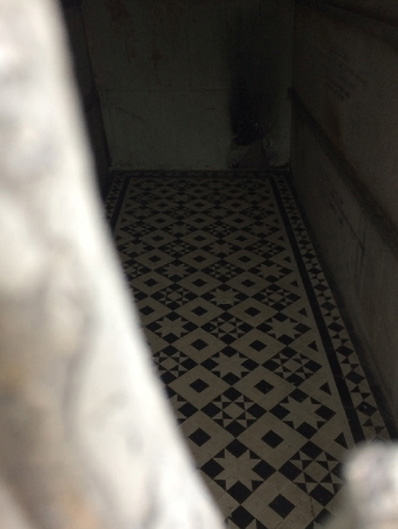
Freestanding single-bay single-storey pedimented mausoleum, dated 1911, on a rectangular plan. Pitched (gable-fronted) slate roof with ridge tiles. Tuck pointed drag edged rock faced limestone ashlar walls on dragged edged cut-limestone chamfered plinth with dragged cut-limestone "Cyma Recta" or "Cyma Reversa" cornice on blind frieze; limestone ashlar surface finish (west) on drag edged cut-limestone plinth with dragged cut-limestone pilasters centred on dragged cut-limestone columns supporting dragged cut-limestone "Cyma Recta" or "Cyma Reversa" pediment on embossed frieze. Round-headed door opening with dragged cut-limestone monolithic surround centred on drag edged dragged cut-limestone keystone framing cast-iron double doors. Round-headed opening (east) with dragged cut-limestone surround having chamfered reveals framing perforated galvanised steel fitting. Set in landscaped grounds.
Appraisal
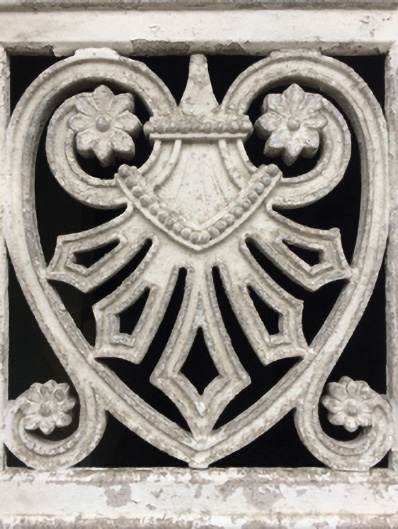
A mausoleum erected for George Glorney (1838-1911) contributing positively to the group and setting values of Deans Grange Cemetery with the architectural value of the composition suggested by such attributes as the compact rectilinear plan form; the pillared temple front centred on a restrained doorcase showing "Anthemion"-detailed iron work; the robust rock faced surface finish; and the pedimented roofline. NOTE: The burial place of Lieutenant Edward Ernest Glorney (1887-1916) of the Royal Flying Corps.