Survey Data
Reg No
50130271
Rating
Regional
Categories of Special Interest
Architectural, Artistic, Historical, Social
Previous Name
School of the Twin Sisters
Original Use
School
In Use As
Building misc
Date
1880 - 1885
Coordinates
317984, 237048
Date Recorded
17/07/2018
Date Updated
--/--/--
Description
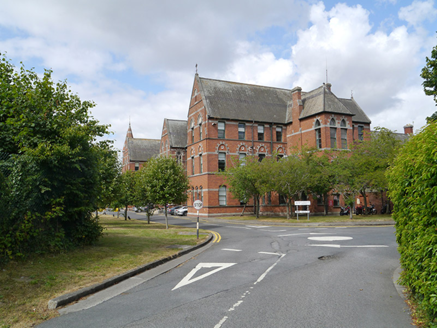
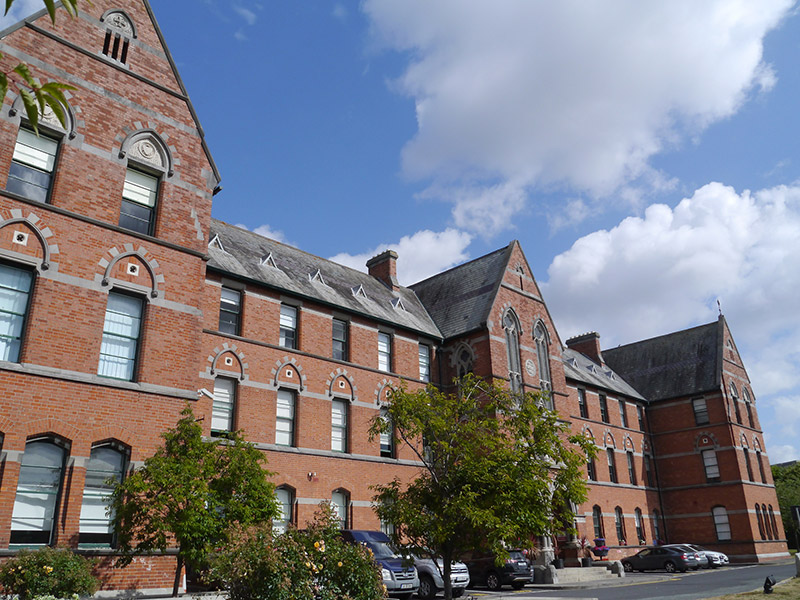
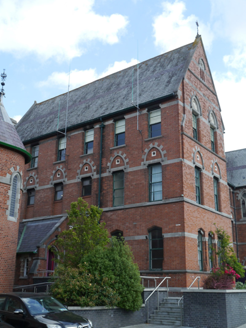
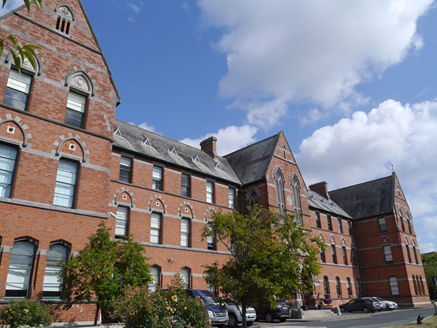
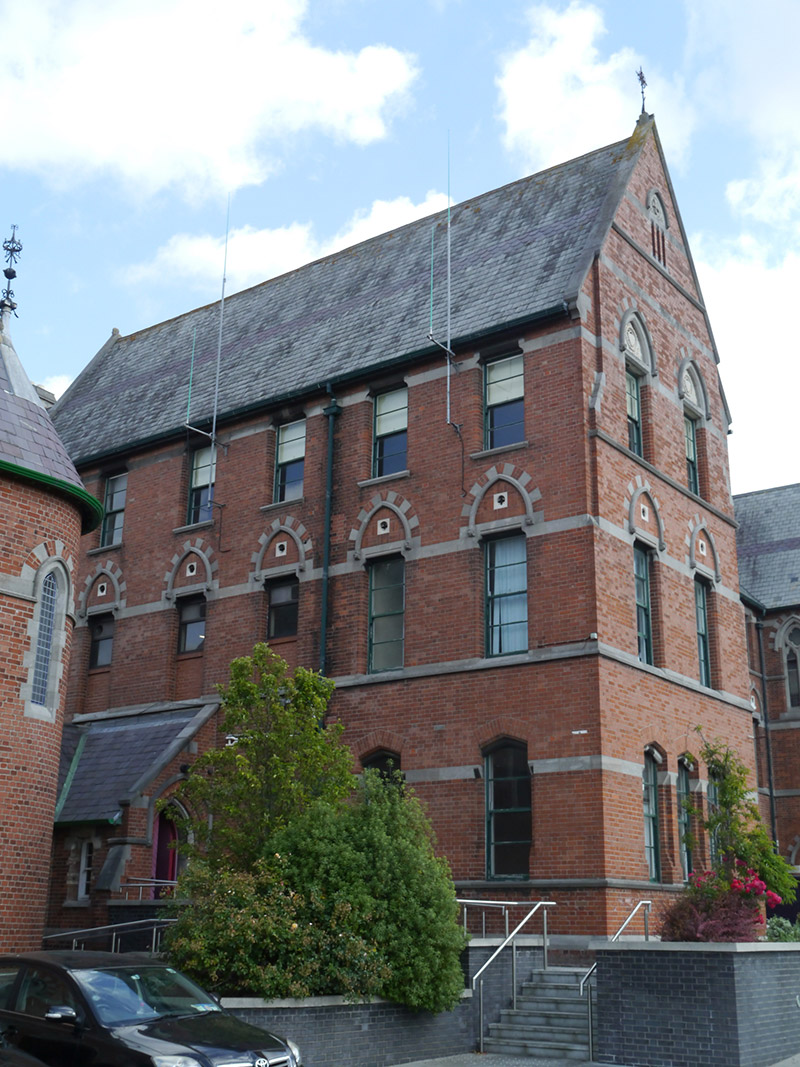
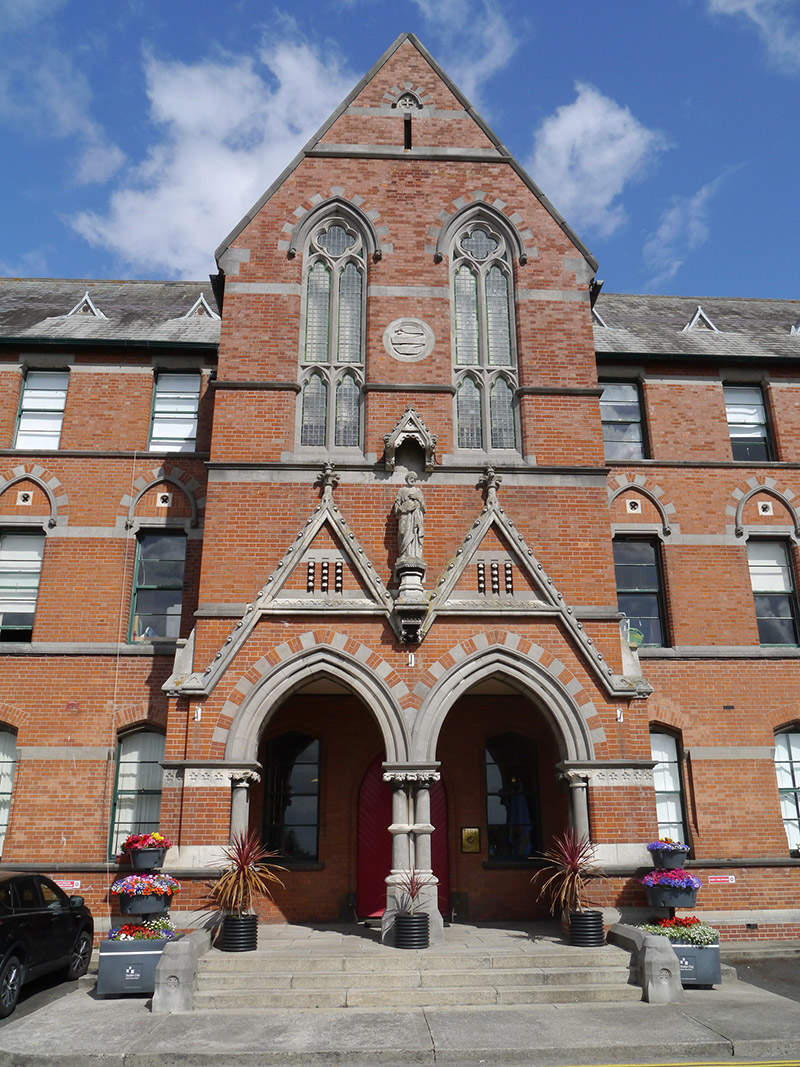
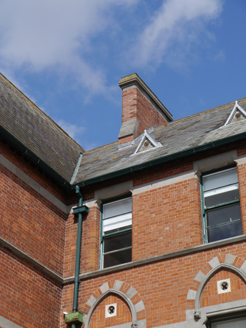
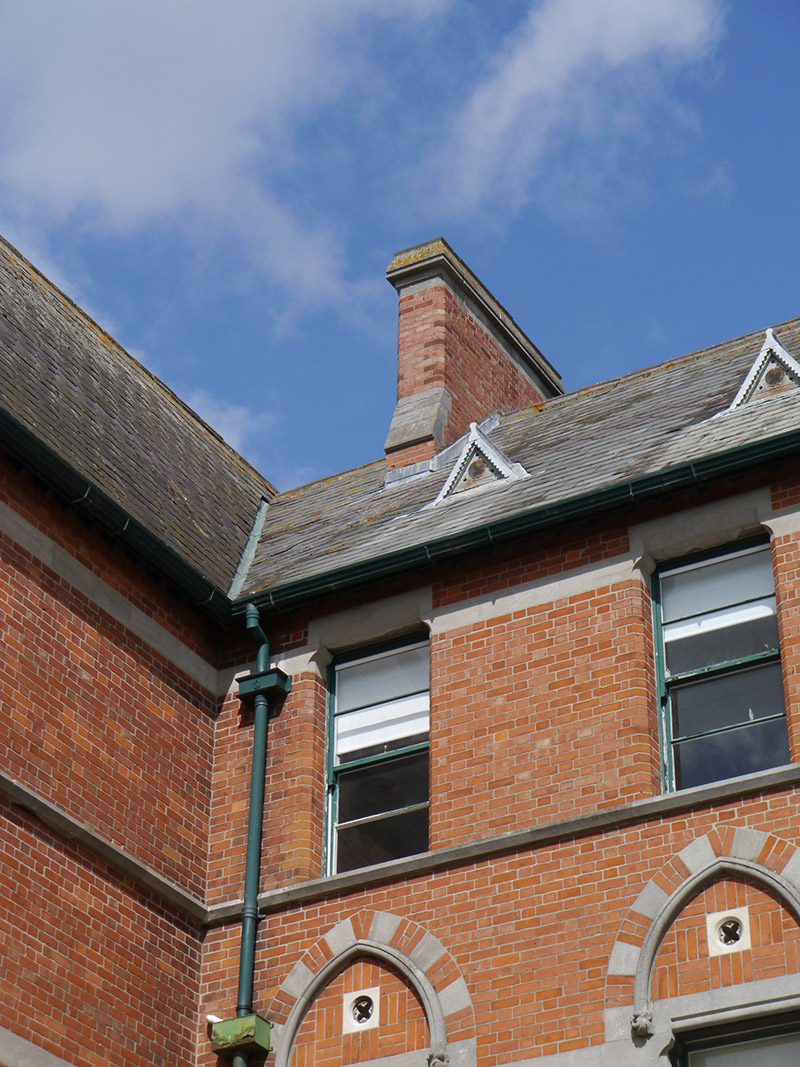
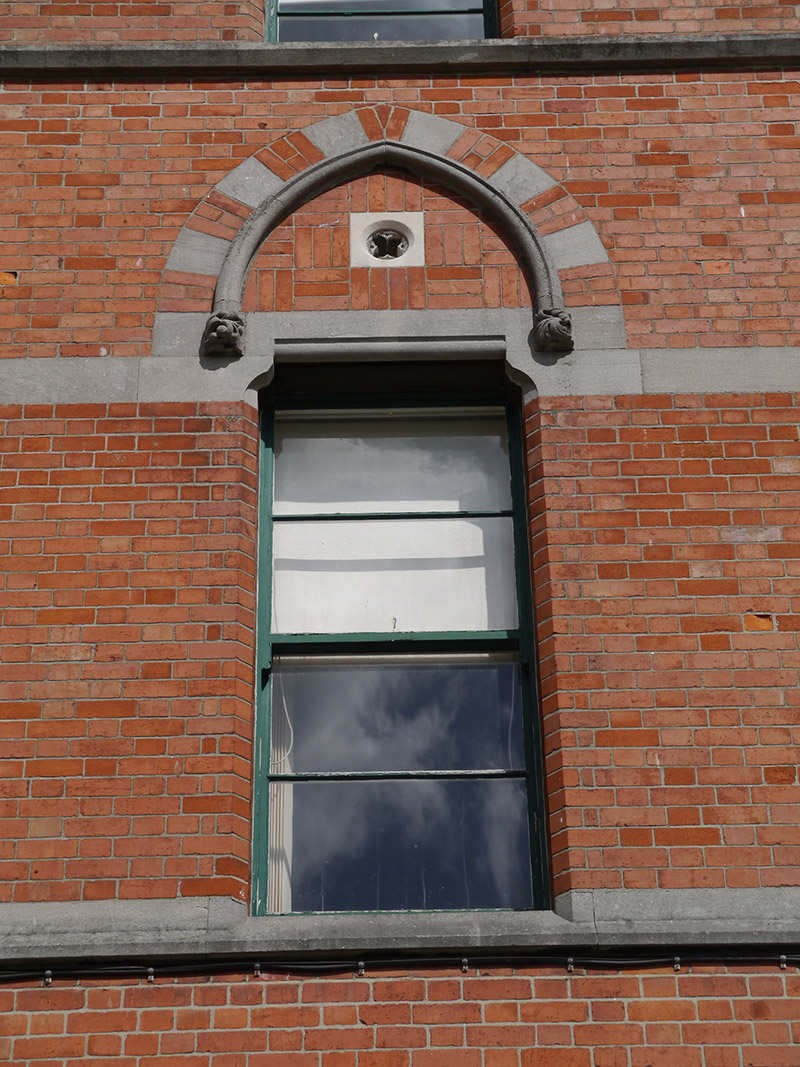
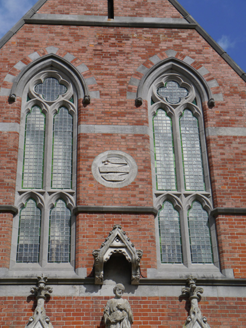
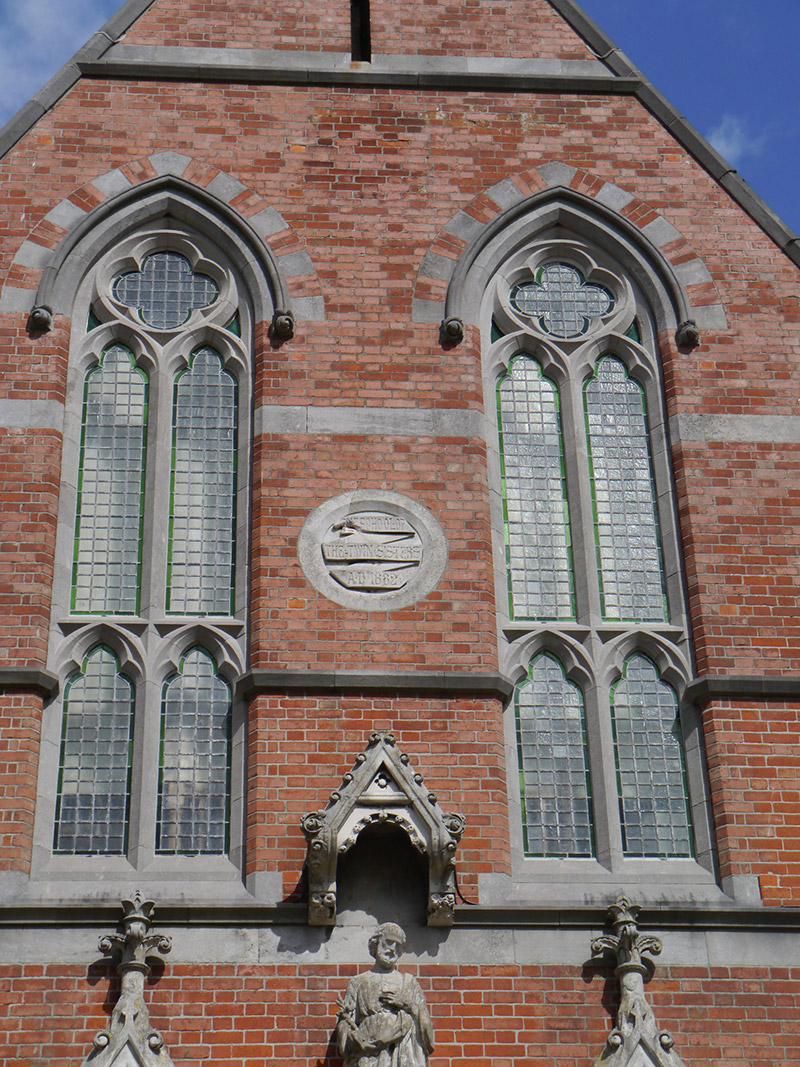
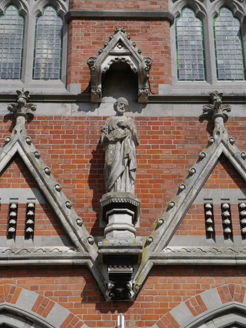
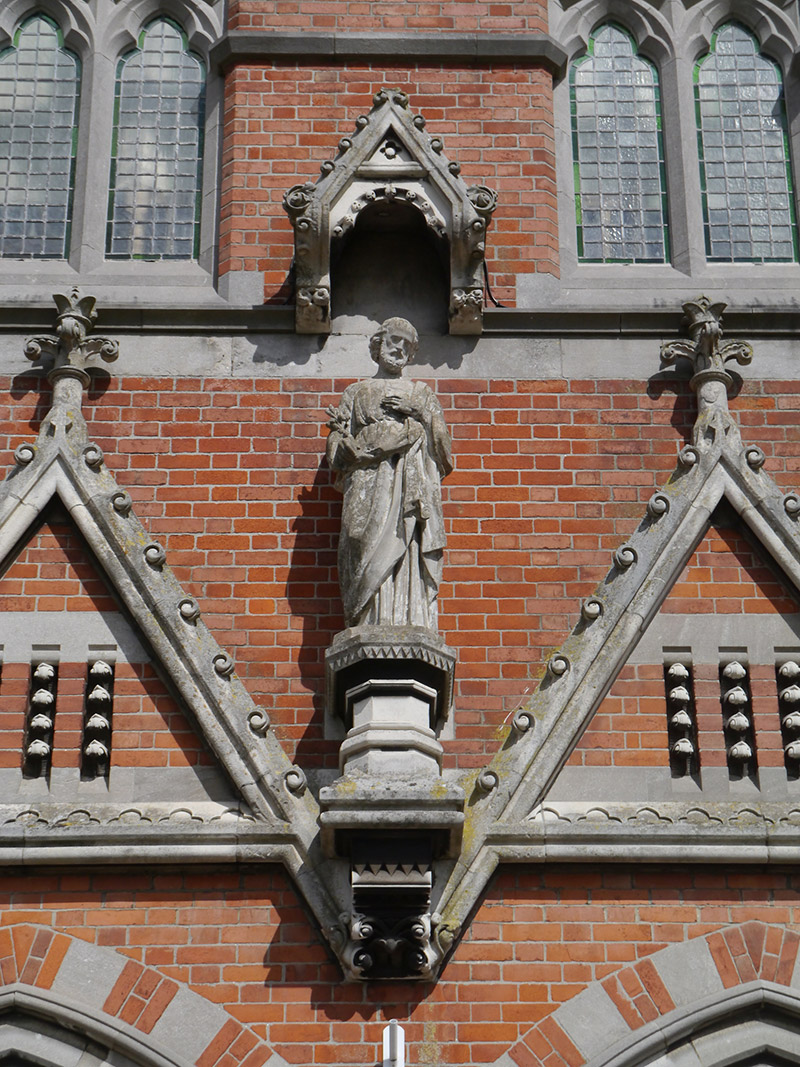
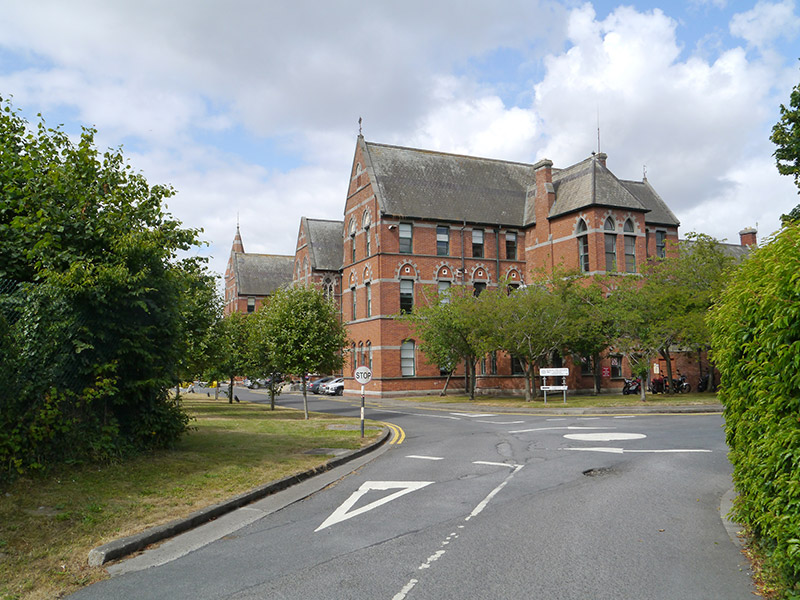
Attached eighteen-bay three-storey E-plan Gothic Revival former orphanage and school, built 1880-3 and dated 1882, having two-bay gabled entrance projection with open porch, and deeper two-bay projections to ends being front ends of wings having six bays to outer elevation of west wing and longer multiple-bay outer elevation to east wing with four bays at south end, full-height two-bay projection to middle and multiple-bay further pile to north end. Short multiple-bay single-storey link at mid-point of west wing connecting to largely detached chapel. Now in use as training centre and having various recent additions to rear and east sides. Pitched slate roofs with angled ridge tiles, iron cross finials to gables, replacement aluminium rainwater goods, red brick chimneystacks with limestone shoulders, corniced caps and clay pots, and having leaded lucarnes to main front slopes of roof. Red brick walls, laid in Flemish bond, over plinth course with limestone coping, and having limestone bands at impost level and limestone stringcourses at sill levels. Pointed segmental-arch window openings to ground floor with sills integral to stringcourse, and partly recessed reveals; shouldered square-headed openings to upper floors, with chamfered reveals, chamfered sills to first floor, limestone lintels, pointed hood-mouldings to first floor with decorative brickwork and quatrefoil vents to tympanums, and having polychromatic arches above with brick and limestone voussoirs; top floor of end projections similar to first floor elsewhere, but have tympanums, each containing carved Portland stonework in form of foliate panels and central shield device within moulded roundel; all openings having two-over-two horizontal pane timber sliding sash windows. Entrance projection has lancet windows with chamfered brick reveals, limestone traceried frames with mullions and transoms and leaded trefoil-headed lights with quatrefoils to top of each window; cut stone stringcourse to impost level of lower lights; roundel with lettering 'The School of the Twin Sisters A.D. 1882' between windows. Pointed-arch principal doorway with chamfered brick reveals and timber battened double-leaf door with brass handles, flanked by pointed segmental-headed window openings with two-over-two pane windows, recessed within deep porch, latter having arcade of two pointed arches flanked by Gothic shaft piers and having hood-mouldings borne on cut stone impost course above decorative frieze; moulded panel to sill level; triangular barges with trefoil and other details and topped with fleur-de-lys finials; pedestal bearing statue of St. Joseph between gables and having sculpted hood integral to first floor sill level; approached by three granite steps with plinth walls and whole atop granite platform. Secondary entrances through lean-to porch at west having pointed-arch doorway with limestone surround, chamfered brick outer frame, limestone hood-moulding and having double-leaf timber battened door; further doorway in porch to chapel. Link block has pointed stained-glass windows with block-and-start limestone surrounds. Projection to east has hipped roof, pointed-arch top floor windows with fanlights over transoms, and slightly projecting chimneystacks. Building set at end of avenue from Malahide Road, behind grass margins and sports fields with training yards to northwest.
Appraisal
An extensive Gothic Revival building, designed by John Joseph O'Callaghan as an orphanage and school funded by the bequest of Bridget O'Brien. The land was acquired from the Marino estate of the Earl of Charlemont by Cardinal Cullen. The building retains a character of institutional grandeur, especially when viewed across the sports fields from Malahide Road, and its entrance façade is largely unchanged. Particularly interesting is its use of Gothic traceried windows on the central breakfront, and the central pier of the porch which visually blocks the doorway. The use of brick marks it out as unusual within the group of surrounding educational and religious buildings. The building has strong connections with the nearby Christian Brothers' institutions on Griffith Avenue, the order originally running the orphanage school and whose buildings were also built on the lands of the former demesne.