Survey Data
Reg No
50110331
Rating
Regional
Categories of Special Interest
Architectural
Original Use
House
Date
1840 - 1860
Coordinates
315488, 232927
Date Recorded
11/05/2017
Date Updated
--/--/--
Description
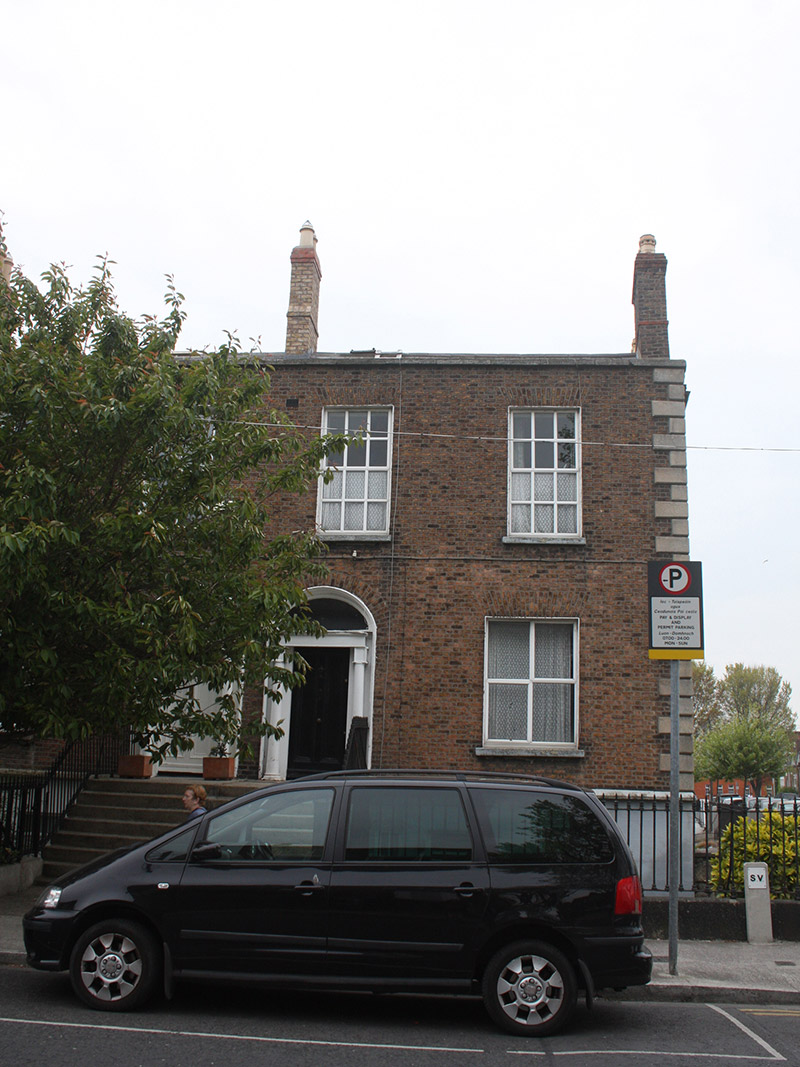
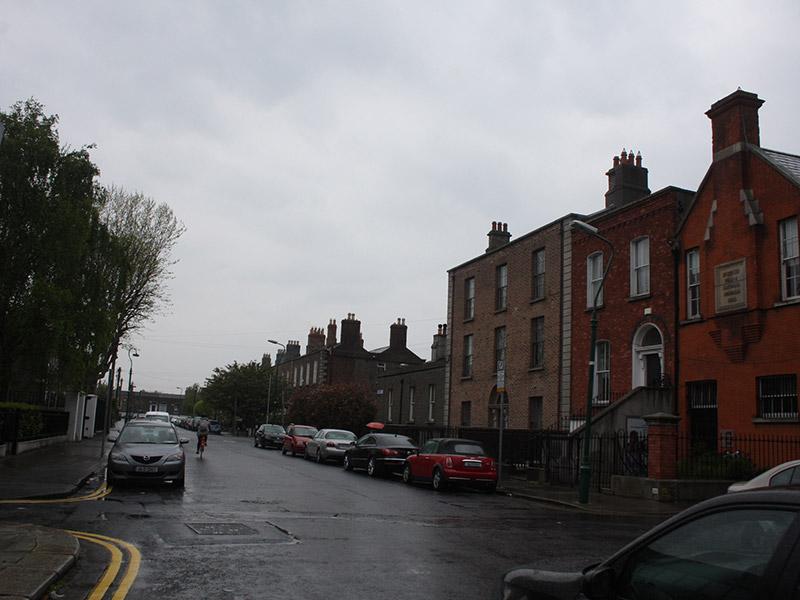
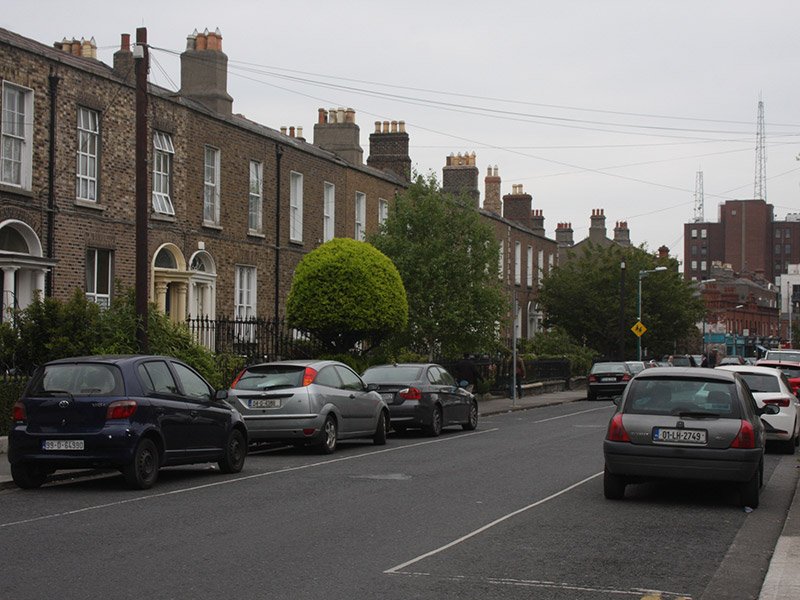
End-of-terrace two-bay two-storey house over raised basement, built c. 1850, as one of pair. Return to rear elevation. M-profile pitched slate roof with rooflight, partly hidden behind parapet with granite coping to front (south) and east elevations. Brown brick chimneystacks having red brick bands and terracotta pots. Brown brick, laid in Flemish bond, with granite quoins to front, carved plinth course over lined-and-ruled rendered wall to basement. Lined-and-ruled rendered wall to rear (north) elevation. Square-headed window openings with granite sills and six-over-six pane timber sliding sash and replacement windows. Some coloured glass panes and interior timber shutters to windows to rear. Square-headed door opening to ground floor, front (south) elevation, having moulded render surround, timber doorcase comprising Tuscan pilasters supporting moulded cornice, plain fanlight. Timber panelled door. Granite steps with cast-iron boot-scrape to platform, flanked by cast-iron railings. Square-headed door openings to basement and return, blocked, or with recent timber doors and overlight. Cast-iron railings on cut granite plinth wall enclosing basement to south and east of house. Rubble stone boundary wall enclosing rear yard.
Appraisal
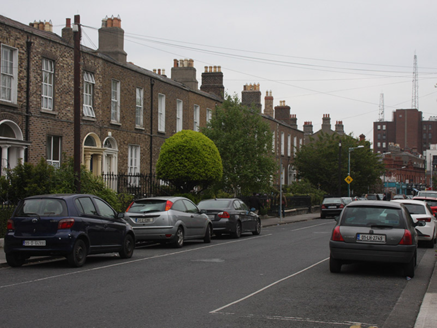
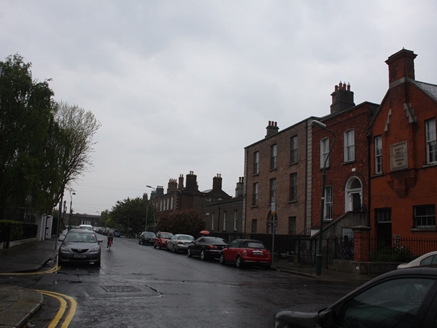
This house retains its handsome proportions, and historic features such as its classical doorcase, bootscrape and some sash windows. Built as a pair with its neighbour to the west, this composition predated the terrace to the west. It is eye-catching end to the terrace at the intersection of Grantham Street and Synge Street. The street was developed from the late 1830s to 1860s. The residents of Grantham Street listed in Thom's Directory of 1862 includes professor of music, secretary of Army Medical Board, tooth brush maker, manufacturer, builder, curate, and hatter.