Survey Data
Reg No
50081065
Rating
Regional
Categories of Special Interest
Architectural, Artistic, Historical, Social
Previous Name
Our Lady's Hospice for the Dying
Original Use
Church/chapel
In Use As
Church/chapel
Date
1880 - 1900
Coordinates
314563, 231999
Date Recorded
02/12/2013
Date Updated
--/--/--
Description
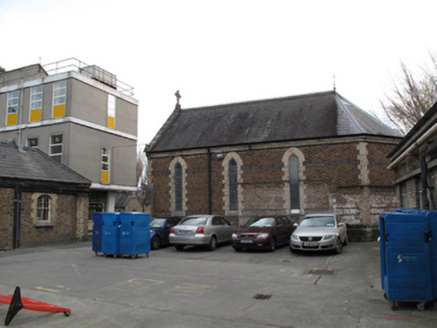
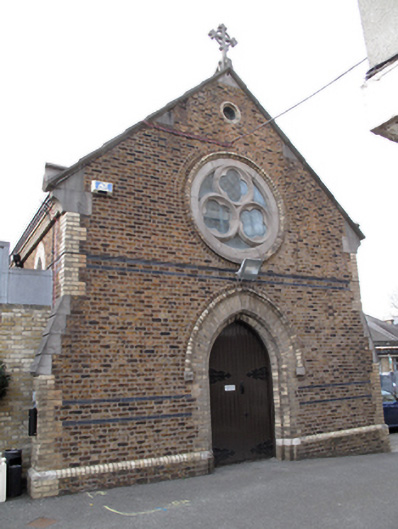
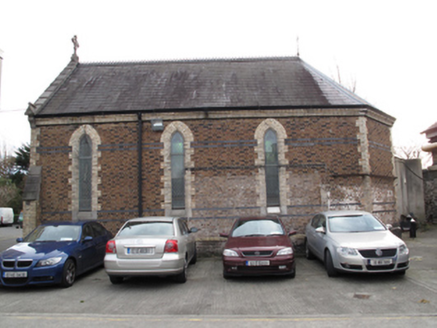
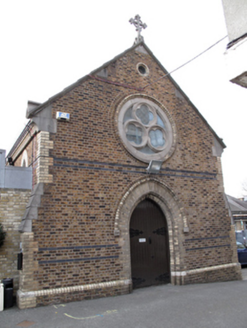
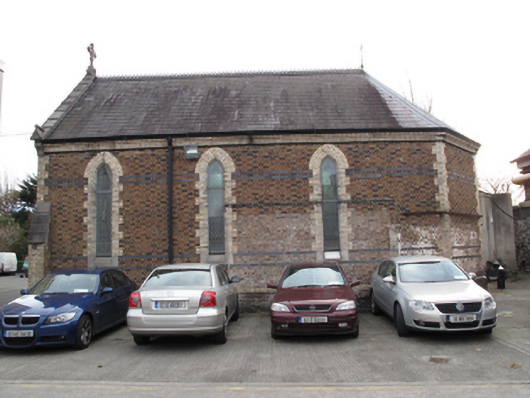
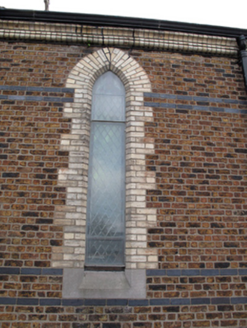
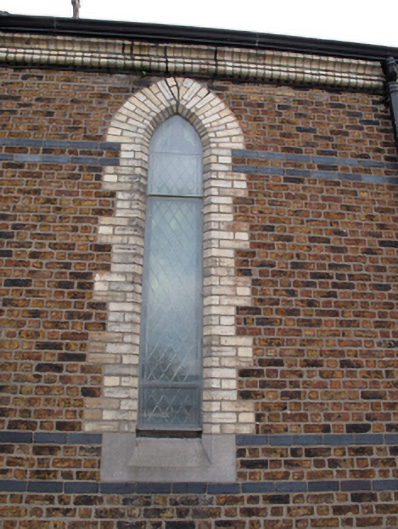
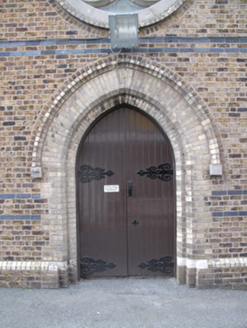
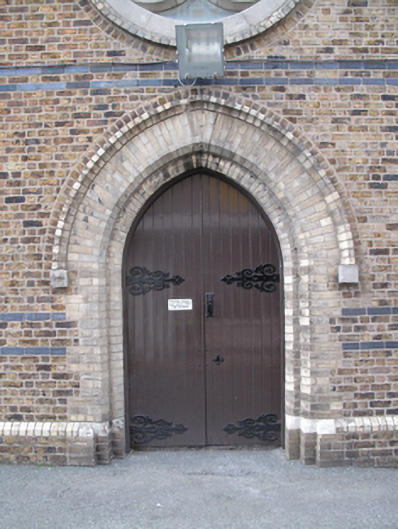
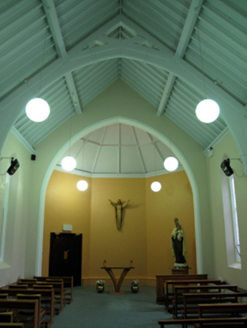
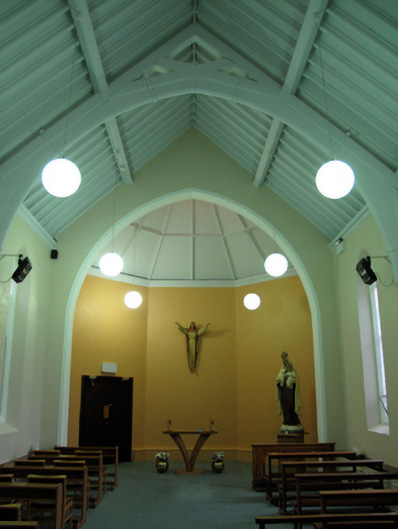
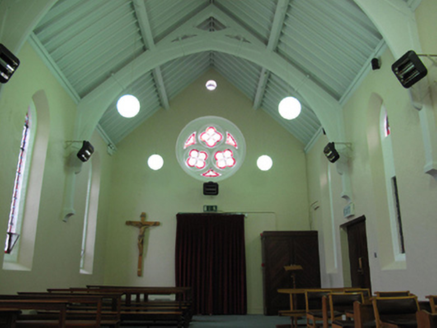
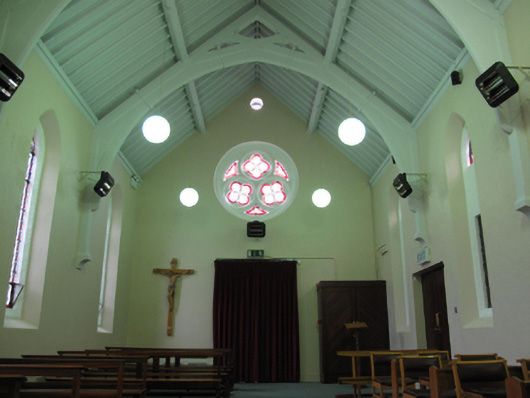
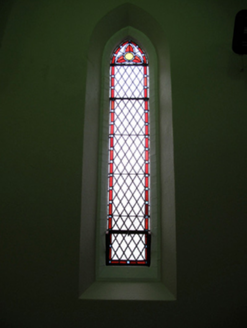
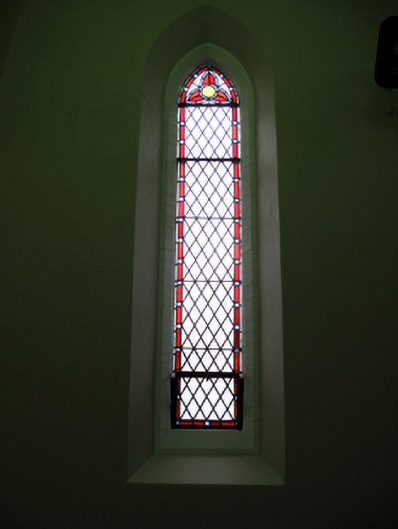
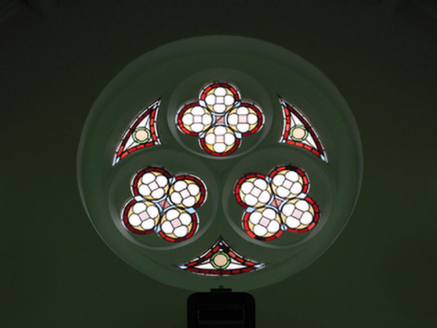
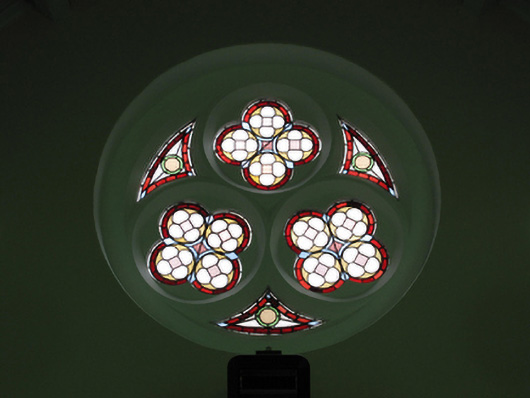
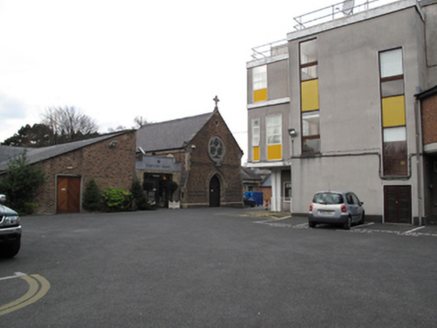
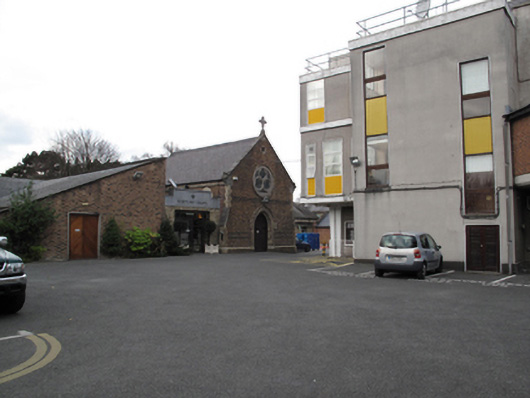
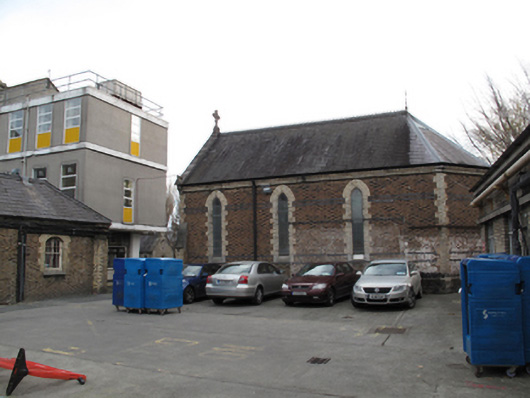
Attached double-height Roman Catholic mortuary chapel, built c.1890, attached at south to recent single-storey entrance hall, sacristy, and chapel. Chancel to south-west, entrance front to north-east, with three-bay nave elevation. Pitched slate roof, hipped over chancel, having carved limestone coping and moulded yellow brick eaves course, carved limestone cross finial to front elevation, ridge cresting and metal cross finial to chancel. Brown brick walls laid in Flemish bond over moulded brick plinth course, yellow brick quoins, and blue brick string courses. Shouldered brick buttresses to front façade having cut limestone detailing. Lancet windows to nave having yellow brick block-and-start surrounds, chamfered stone sills and leaded stained glass. Circular window to front elevation, having moulded yellow brick surround, carved limestone tracery having quatrefoil pattern, with leaded stained glass. Pointed arch door opening having moulded yellow brick surround and hood moulding, double leaf timber battened doors, and decorative strap hinges. Interior with arch braced truss roof, exposed timber ceiling, painted plastered walls. Pointed chancel arch, coffered ceiling to chancel, having access door to sacristy. Carved timber pews and timber furniture. Located in hospice grounds, having hospice buildings, Greenmount House and chapel to north, service buildings to west and enclosed garden to east.
Appraisal
Built in the late nineteenth century to designs by W.H. Byrne, this mortuary chapel forms part of a complex of buildings set within the grounds of Our Lady’s Hospice. The restrained architectural language of the building is typical of the practice’s work from that time, and the understated interior and elevated window composition contribute to a calm and luminous interior. The cut stone detailing, decorative brickwork, stained glass windows, and exposed timber roof structure to the interior are features of particular note and add aesthetic appeal. The quality of materials, and modest composition and scale of the interior space, create a pleasing design, making a positive contribution to the character of Our Lady’s Hospice.