Survey Data
Reg No
50081030
Rating
Regional
Categories of Special Interest
Architectural, Social
Previous Name
Portobello Barracks
Original Use
Store/warehouse
In Use As
Store/warehouse
Date
1800 - 1820
Coordinates
315236, 232022
Date Recorded
18/11/2013
Date Updated
--/--/--
Description
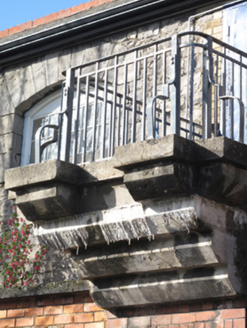
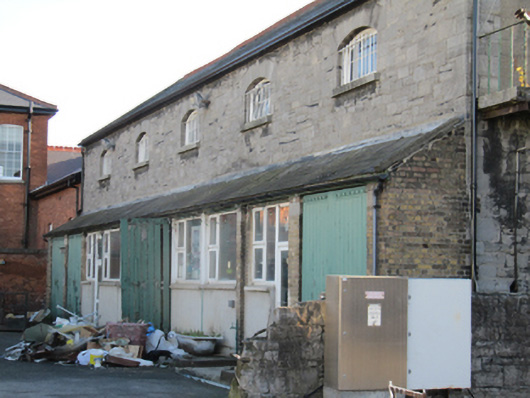
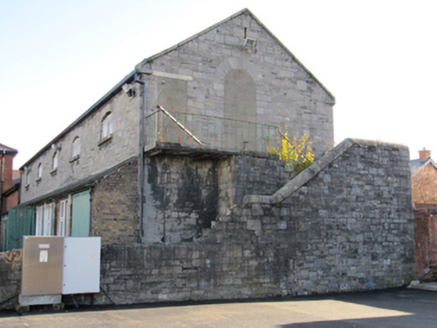
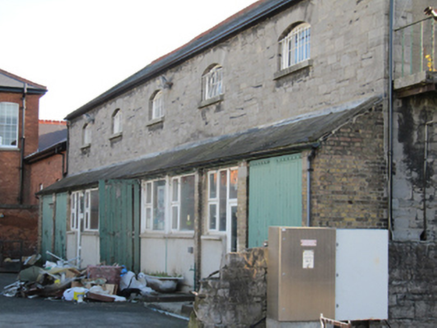
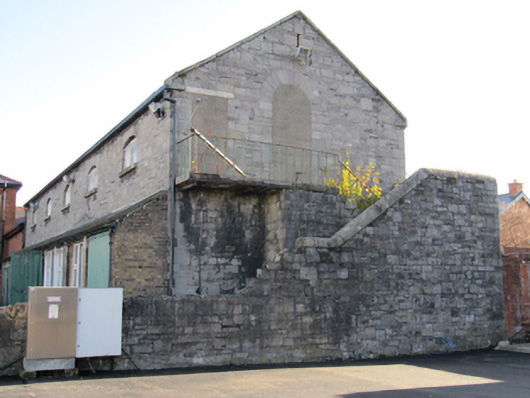
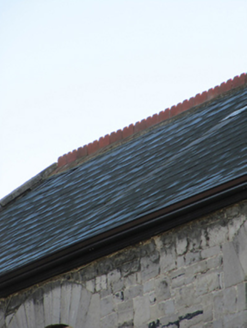
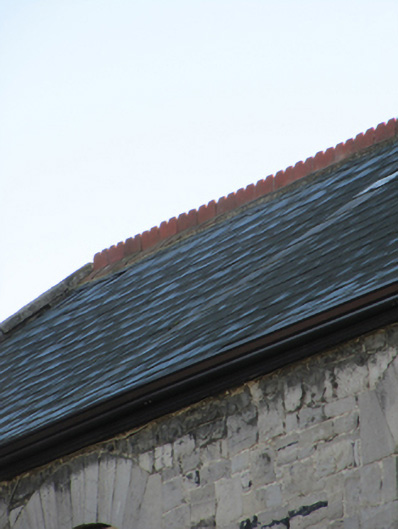
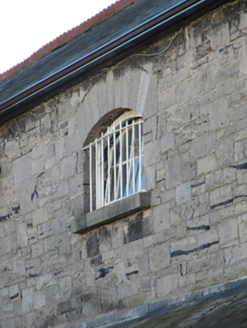
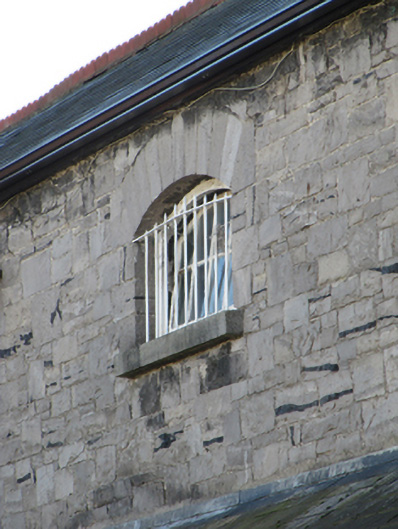
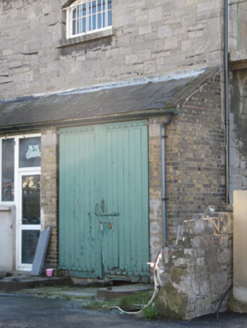
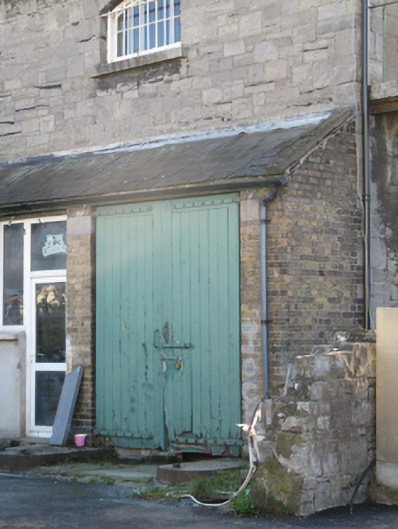
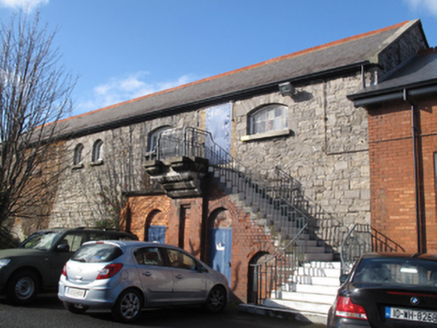
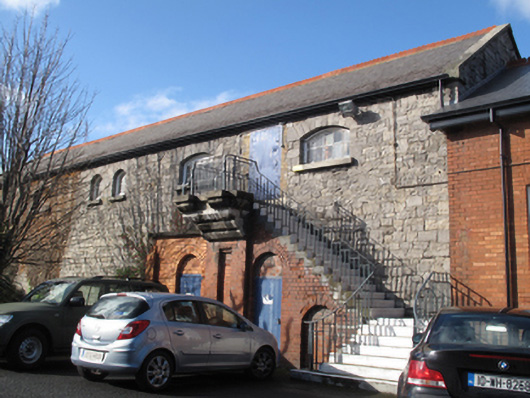
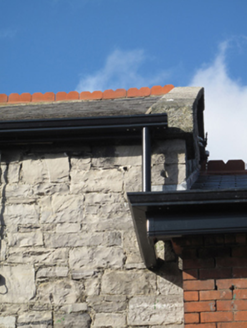
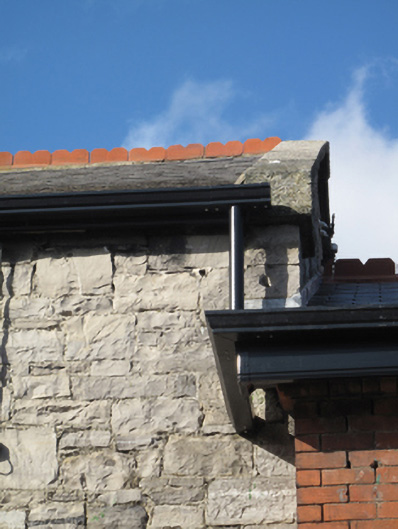
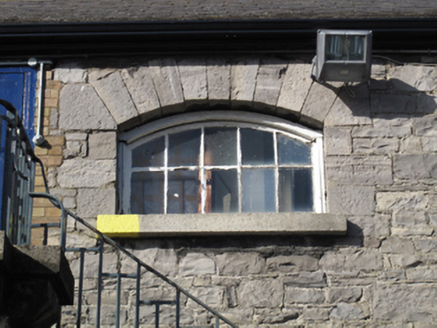
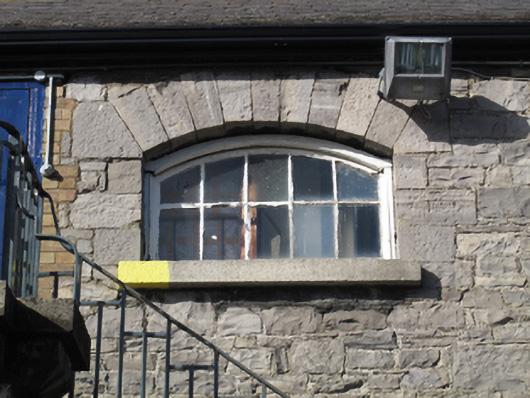
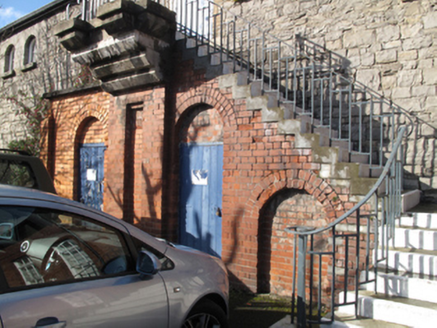
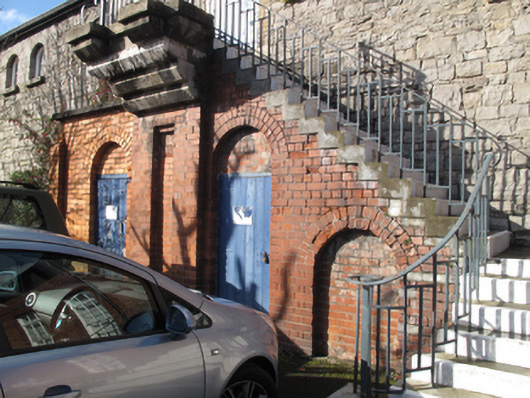
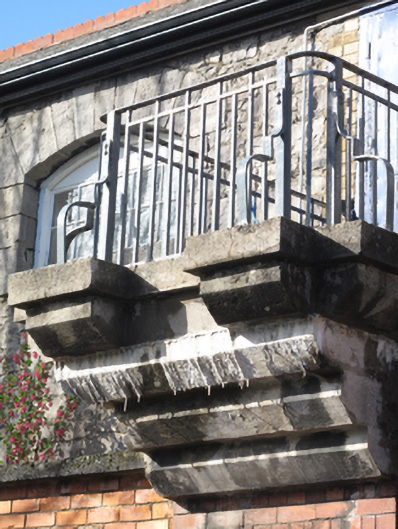
Attached seven-bay two-storey ordnance stores, built c.1810, having lean-to yellow brick extension to rear (north) elevation. Pitched slate roof having terracotta ridge cresting and calp limestone copings. Snecked squared calp limestone walls with calp limestone quoins. External calp limestone staircase with parapet to west elevation, having concrete landing at first floor level. Granite staircase having steel balustrade to front (south) elevation, with red brick extension underneath. Segmental-headed window openings to first floor front and rear elevations with cut calp limestone voussoirs, granite sills, and steel framed windows, having cast-iron bars to rear. Square-headed openings to rear extension, with recent windows and double-leaf timber battened doors. Square-headed door opening to front, having timber battened door. Round-headed door openings to red brick extension under staircase to front. Round-headed and square-headed door openings to first floor level to west elevation, having calp limestone voussoirs to round-headed opening, now blocked.
Appraisal
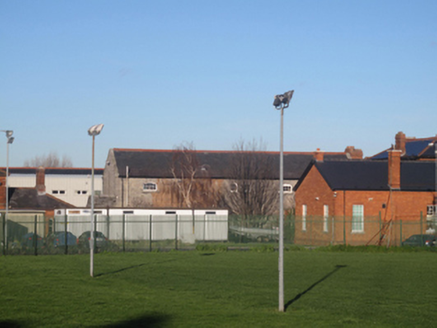
Portobello Barracks was constructed at the beginning of the nineteenth century as a cavalry barracks. It was taken over by Irish troops in 1922, and became the Headquarters of the National Army, under the leadership of Michael Collins. In 1952 it was renamed after Cathal Brugha, Chief of Staff of the Irish Republican Army during the War of Independence, and Minister for Defence in the first Dáil. This building is one of the earliest at the barracks complex, and is well-executed in calp limestone, the favoured material for the first phase of construction. Segmental-headed windows provide an aesthetically-pleasing aspect to an otherwise functional building, while the external staircases add interest. It forms part of an interesting group which has played an important role in the country's history.