Survey Data
Reg No
50081022
Rating
Regional
Categories of Special Interest
Architectural, Social
Previous Name
Portobello Barracks
Original Use
Barracks
Date
1800 - 1820
Coordinates
315385, 232153
Date Recorded
18/11/2013
Date Updated
--/--/--
Description
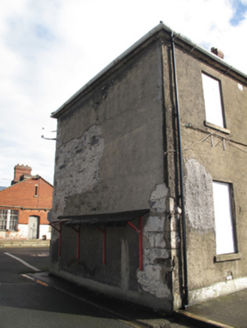
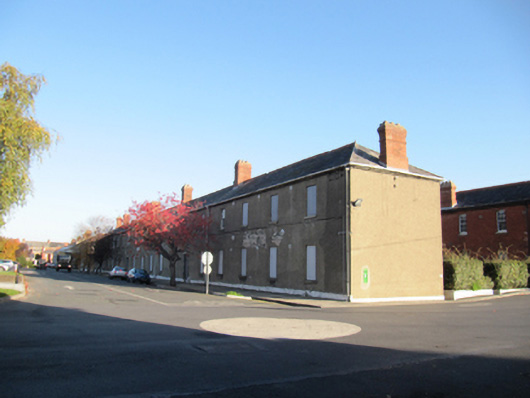
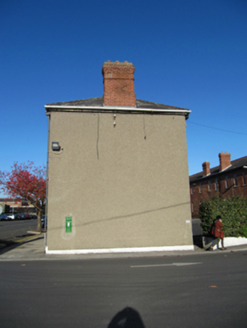
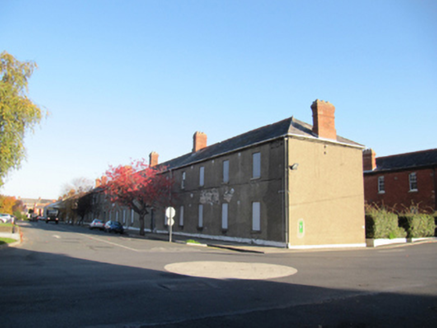
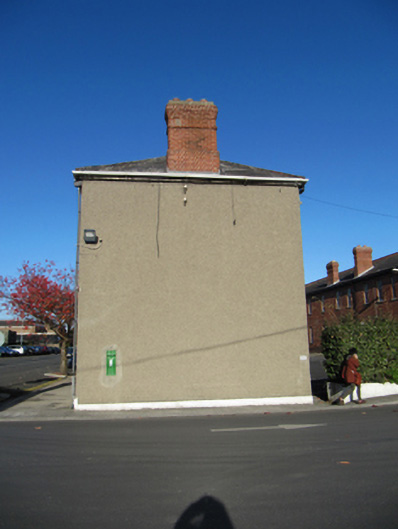
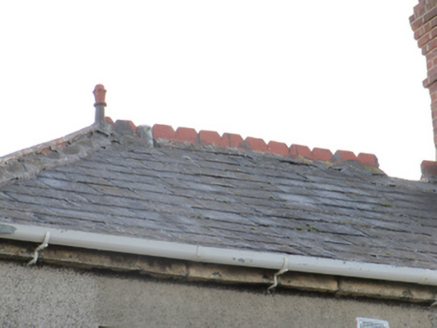
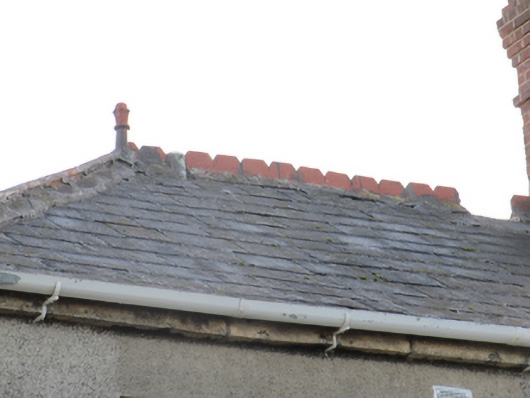
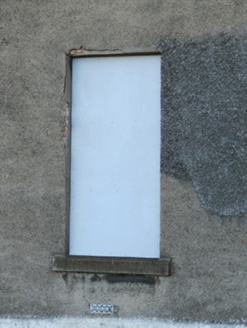
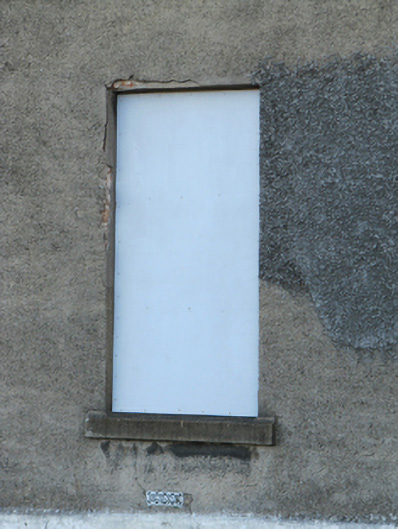
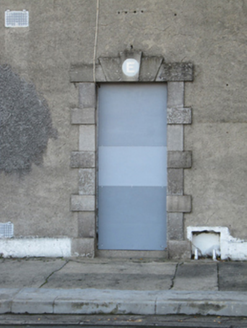
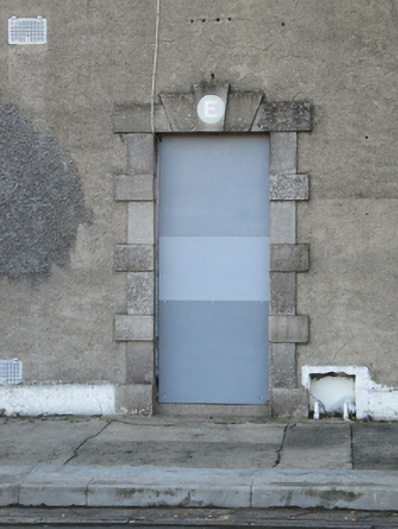
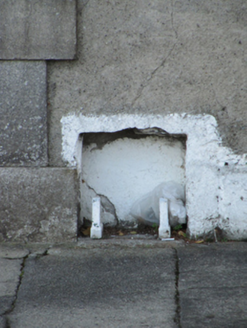
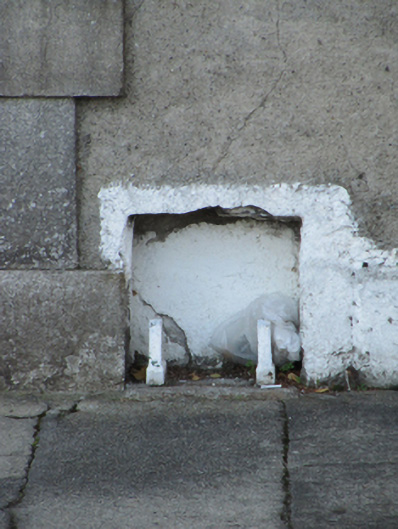
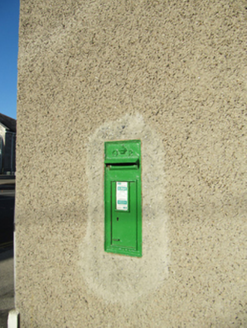
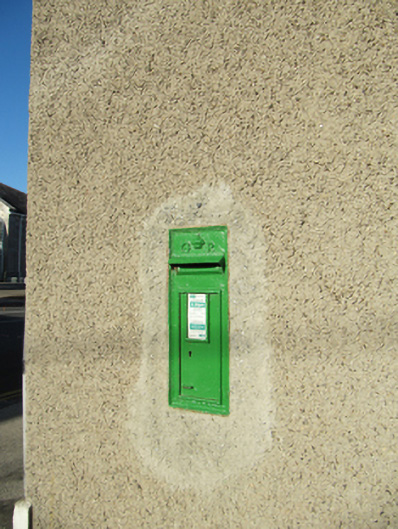
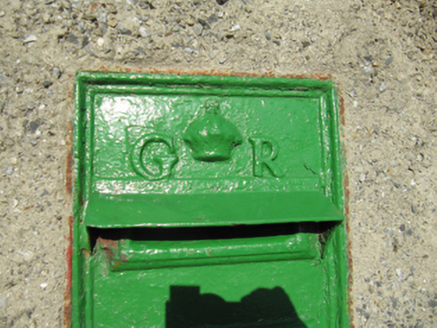
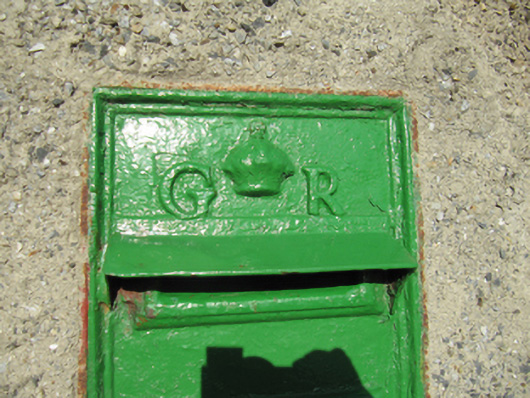
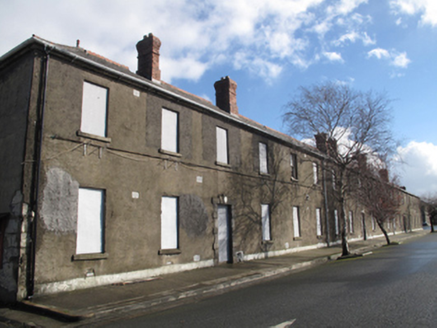
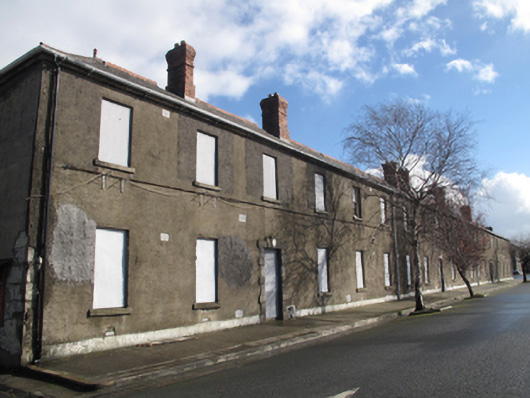
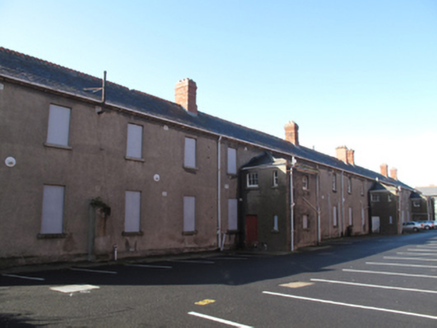
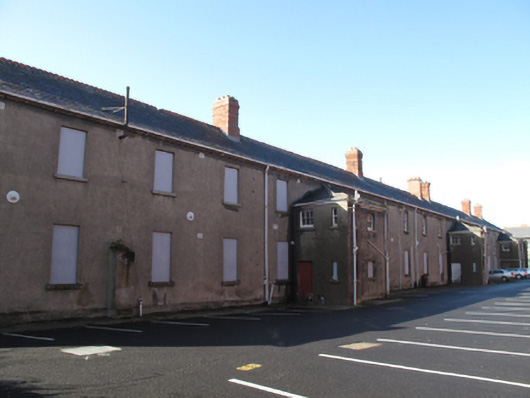
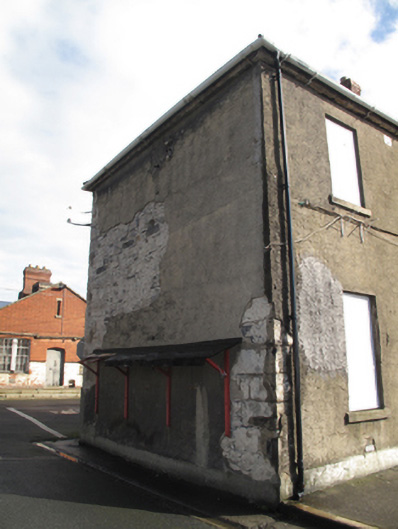
Detached twenty-bay two-storey barracks, built c.1810, having full-height extensions to rear (east) elevation. Hipped slate roof with red brick chimneystacks, terracotta ridge cresting and finials, granite eaves course and cast-iron rainwater goods. Roughcast rendered walls, some coursed rubble calp visible, having render plinth course. Canopy to north elevation. Square-headed window openings having raised render reveals, granite sills, blocked to front (west) elevation, and six-over-six pane timber sash windows to rear. Square-headed door openings to front, having cut granite Gibbsian surrounds, blocked, with niches having cast-iron bootscrapes. Wall-mounted cast-iron post box with insignia of King George V inserted to south elevation.
Appraisal
Portobello Barracks was constructed at the beginning of the nineteenth century as a cavalry barracks. It was taken over by Irish troops in 1922, and became the Headquarters of the National Army, under the leadership of Michael Collins. In 1952 it was renamed after Cathal Brugha, Chief of Staff of the Irish Republican Army during the War of Independence, and Minister for Defence in the first Dáil. The formal, functional plan of this building is apparent in the unadorned façade, and a regularity of design and proportion is seen in the even fenestration arrangement. The post box adds contextual interest to the façade.