Survey Data
Reg No
50070167
Rating
Regional
Categories of Special Interest
Architectural, Historical, Social
Previous Name
Horse Square/Transport Square/Royal Barracks
Original Use
Barracks
Historical Use
Stables
In Use As
Workshop
Date
1820 - 1830
Coordinates
314038, 234524
Date Recorded
14/11/2012
Date Updated
--/--/--
Description
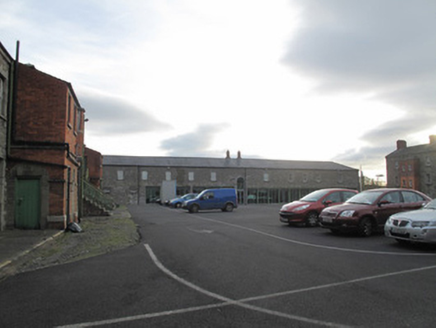
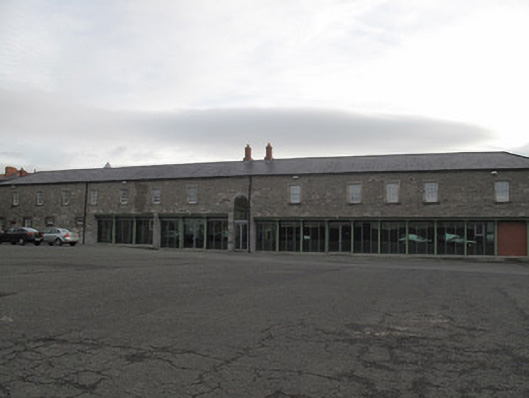
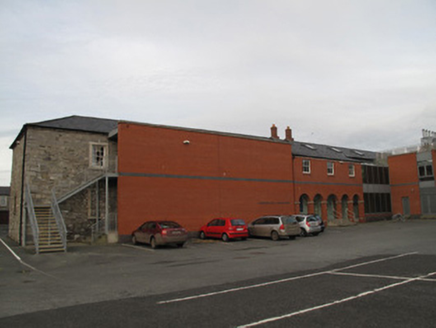
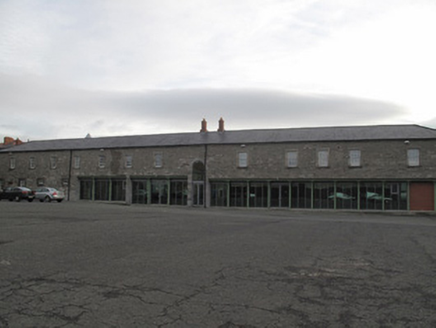
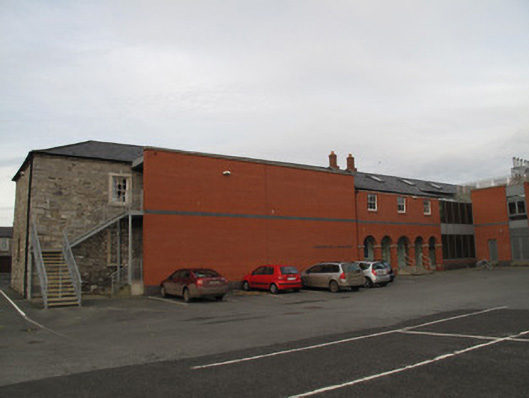
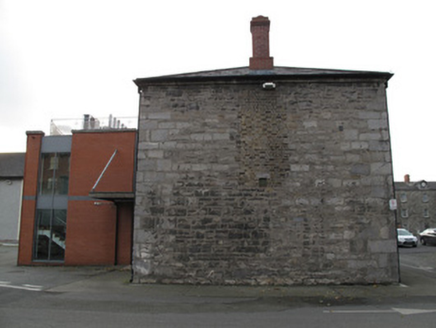
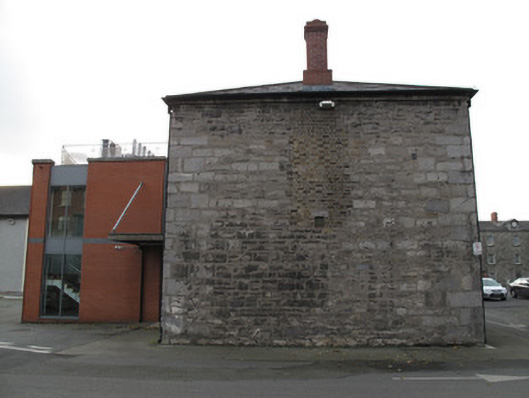
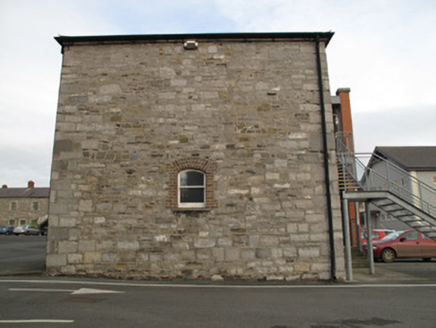
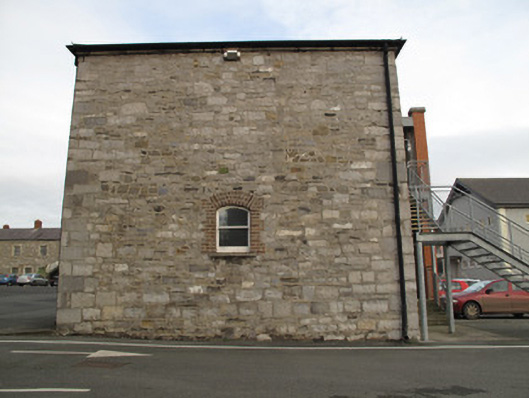
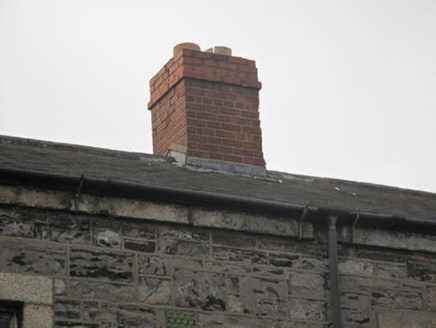
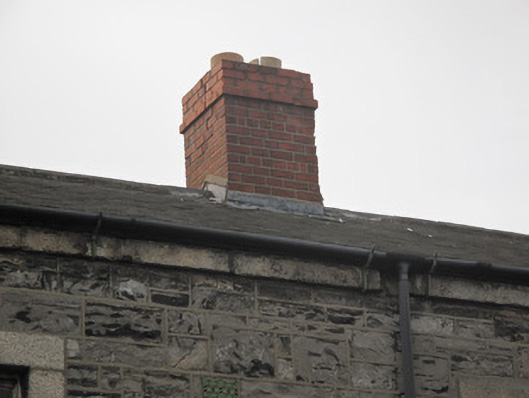
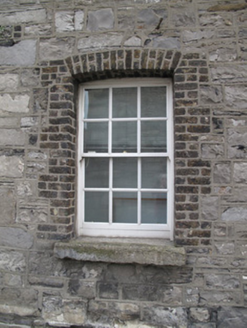
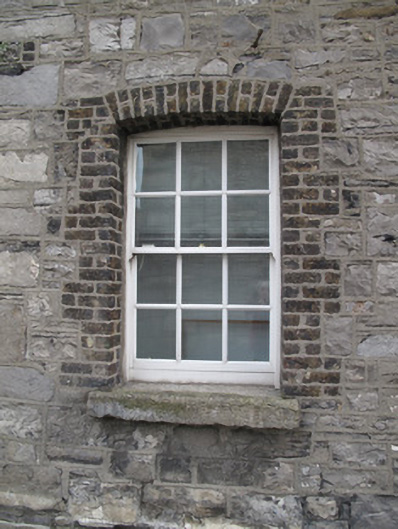
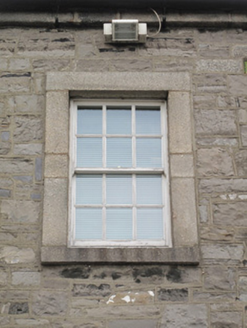
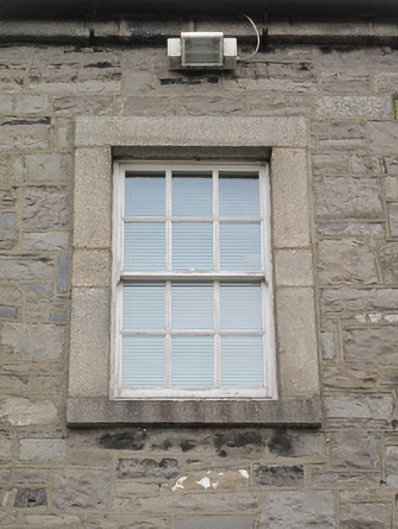
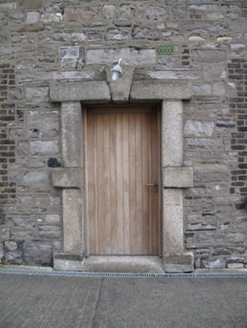
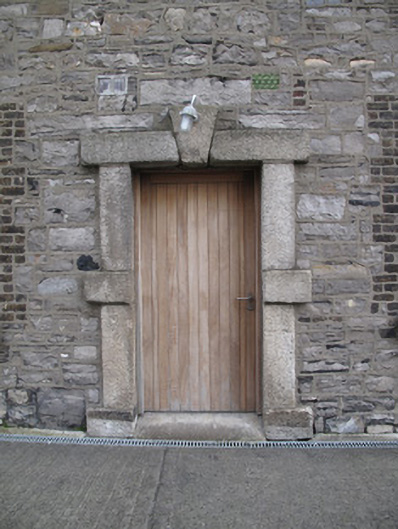
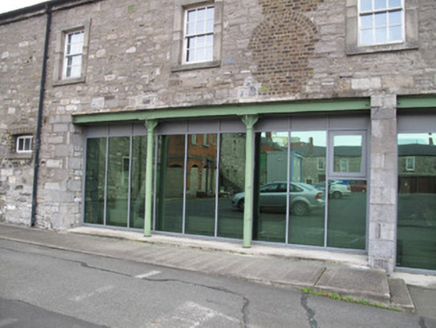
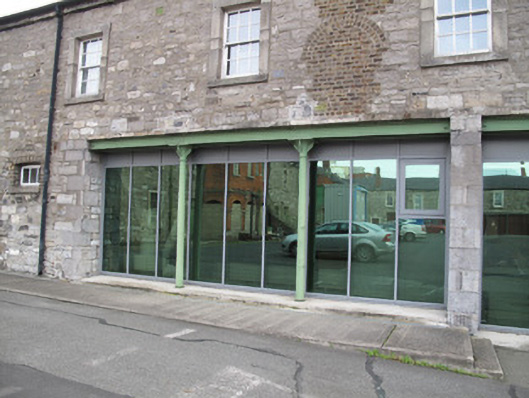
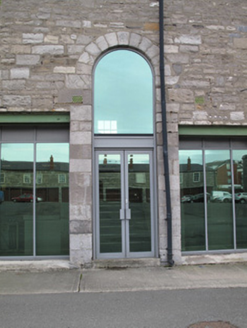
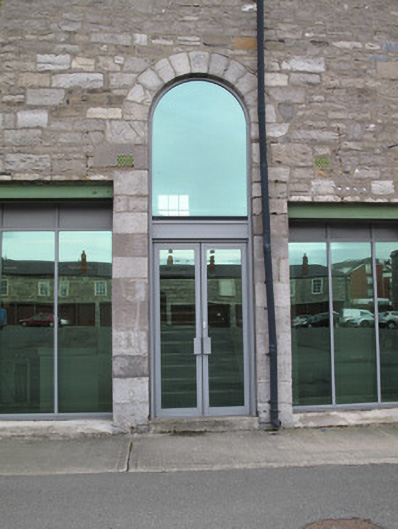
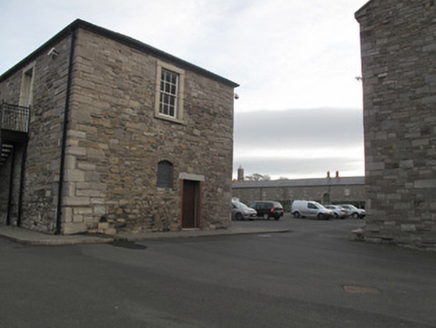
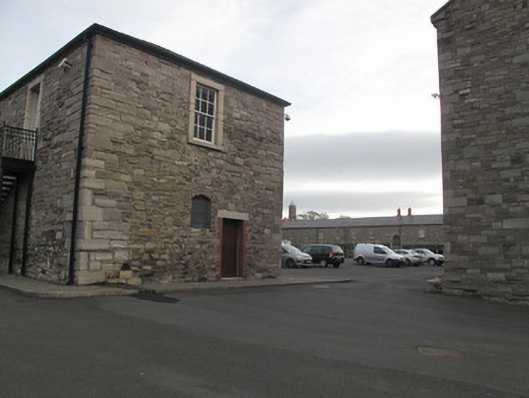
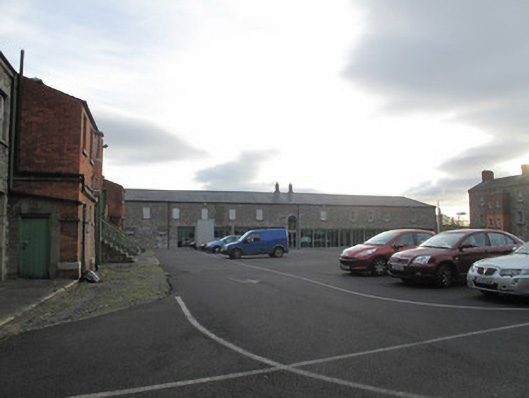
Detached thirteen-bay two-storey barracks, built c.1790, rebuilt c.1825, having recent lower two-storey red brick extension to rear (east) elevation. Now in use as museum conservation department. Hipped slate roof with red brick chimneystacks, recent roof lights and granite eaves course. Dressed calp limestone walls having block-and-start quoins, some red brick panels. Glazed panels to ground floor to front, cast-iron columns with girder supporting upper wall. Square-headed window openings, granite sills, surrounds and six-over-six pane timber sash windows. Segmental-arched window openings with red brick voussoirs, surrounds, granite sills, some with tripartite timber frame windows, some with one-over-one or six-over-six pane timber sash windows. Square-headed door opening having dressed granite surround and timber battened door. Round-arched double-height door opening to front with dressed calp limestone voussoirs and surround, recent glazed door.
Appraisal
The construction of the Royal Barracks was initiated by the 2nd Duke of Ormonde at the close of the seventeenth century, and was funded by a tax on tobacco and beer. Such a large scale residential barracks was an entirely new concept, and until the departure of the Irish Army from the site in the twenty-first century, it was considered the largest and oldest occupied barracks in Europe. This block formed the east range of Horse Square, one of a series of stable blocks, which was built towards the close of the eighteenth century to the rear of the original ‘Horse Square’, subsequently renamed Cavalry Square. The square was rebuilt c.1825 and became known as ‘Transport Square’, with open-fronted facades to this and the west range, the upper walls supported on cast-iron columns, which appear to be of early twentieth-century origin. Its construction and redevelopment is indicative of the ongoing development and expansion of the Royal Barracks. Having undergone redevelopment by the OPW in 2001, it is now in use as a conservation department for the museum. The recent red brick extension to the rear is modelled on red brick toilet block extensions added to most of these buildings in the late nineteenth or early twentieth century. The form and fabric of the building is characteristic of a military structure, and mimics the design of the building to the west of the square, creating a strong sense of uniformity which is enhanced through the use of rubble calp limestone to the walls.