Survey Data
Reg No
50060037
Rating
Regional
Categories of Special Interest
Architectural, Historical, Technical
Previous Name
Lithography Building
Original Use
Office
In Use As
Office
Date
1870 - 1875
Coordinates
310081, 236100
Date Recorded
09/09/2014
Date Updated
--/--/--
Description
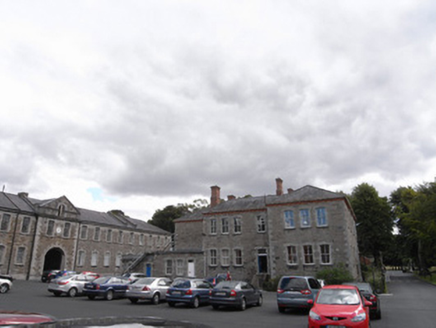
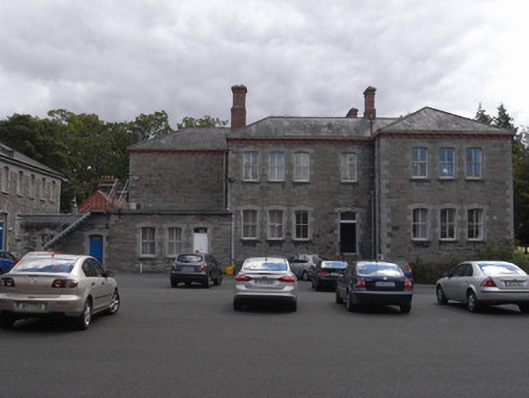
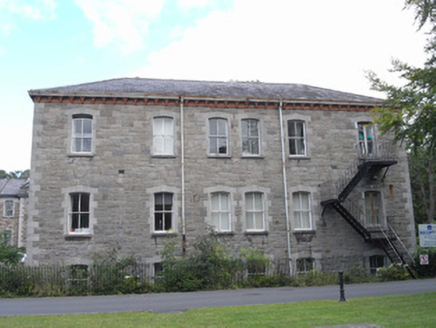
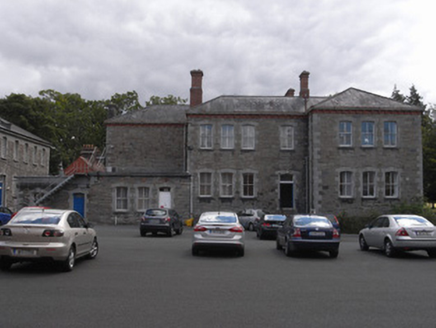
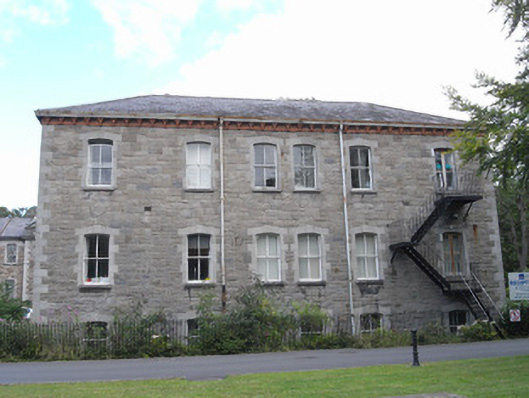
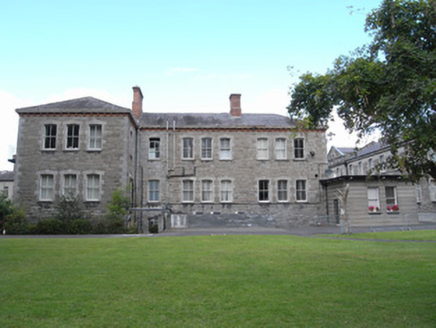
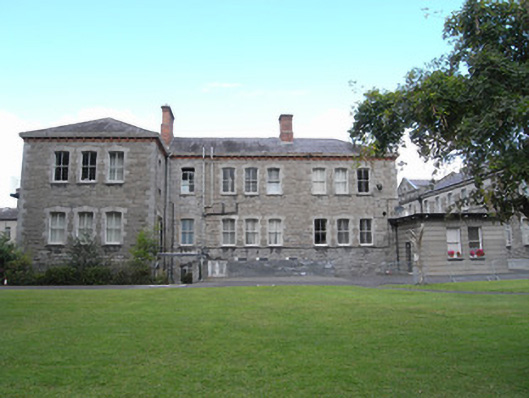
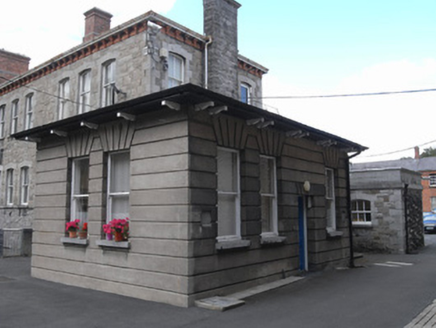
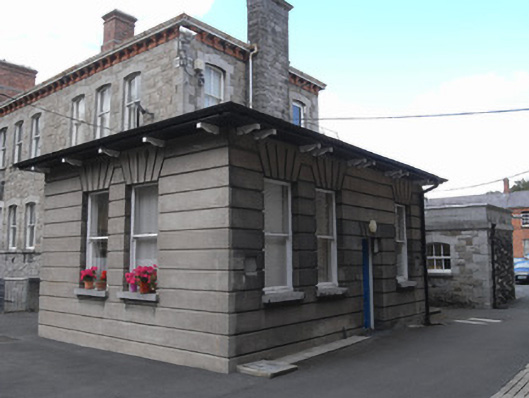
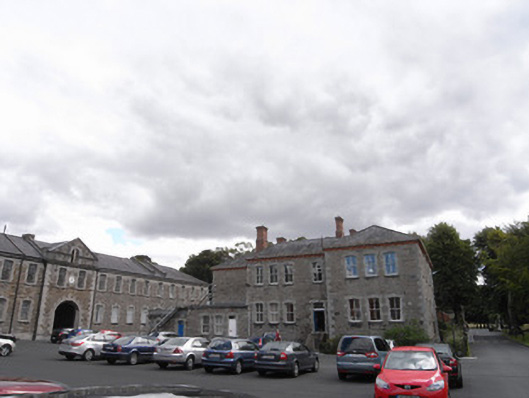
Detached seven-bay two-storey building over partly-raised basement, built 1874. T-plan with advanced three-bay sections to front elevation and ten-bay east elevation with six-bay south elevation and single-storey flat-roof projections to rear. Hipped natural slate roofs with black clay ridge tiles and tall shouldered red brick chimneystacks. Moulded cast-iron guttering supported on red brick eaves with moulded red brick brackets and cast-iron downpipes. Random coursed rock-faced limestone ashlar walls with tooled quoins. Segmental-headed window openings with tooled block-and-start limestone surrounds, limestone sills and two-over-two pane timber sliding sash windows with angled horns. Segmental-headed door openings with tooled block-and-start limestone surrounds and largely replacement timber panelled doors with plain over-lights. Doorway to principal elevation opens onto granite platform and eight steps bridging basement area, with red brick arch and wrought-iron handrails. Further door opening below principal entrance with sidelights and two further door openings to flat-roof sections abutting rear. South elevation abutted by cast-iron fire escape having single replacement double-leaf hardwood glazed door at ground floor level. Concrete paved basement area to east with tripartite door opening having replacement timber glazed doors and sidelights. Flat-roof single-storey block to southeast with channelled cement rendered walls, brackets overhanging eaves and one-over-one pane timber sliding sash windows with limestone sills.
Appraisal
The former Lithography Building, designed by E.T. Owens, was the first purpose-built structure in the Ordnance Survey complex following the reorganisation of that body in preparation for the re-survey of Ireland in 1887. Although quite utilitarian for its time, the building exhibits good masonry skills and three rhythmic elevations while enclosing the east side of North Square. Retaining all external detailing the building represents the understated architectural language employed by the Ordnance Survey and forms part of a fine collection of late nineteenth-century structures on the site.