Survey Data
Reg No
41400978
Rating
Regional
Categories of Special Interest
Architectural
Previous Name
Drumreask
Original Use
Outbuilding
Historical Use
Walled garden
Date
1740 - 1850
Coordinates
264017, 335338
Date Recorded
24/05/2012
Date Updated
--/--/--
Description
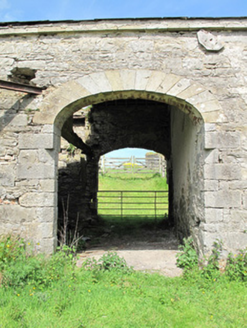
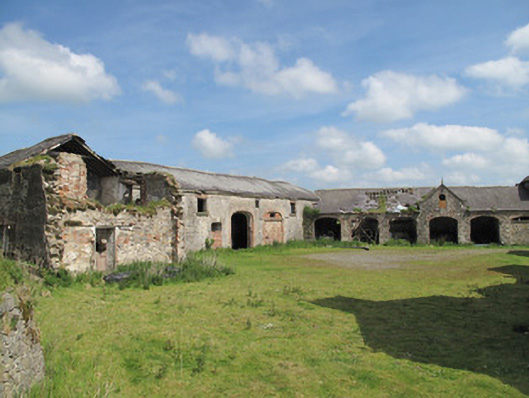
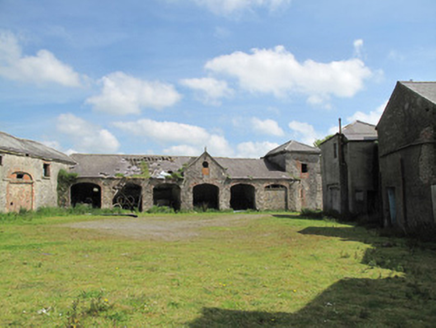
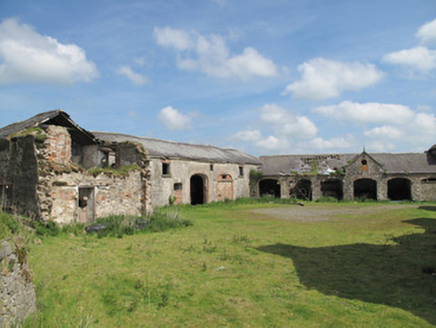
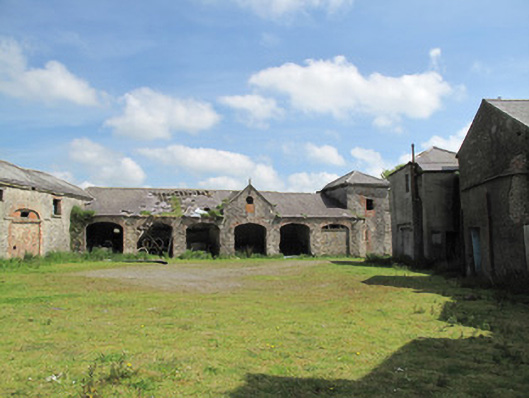
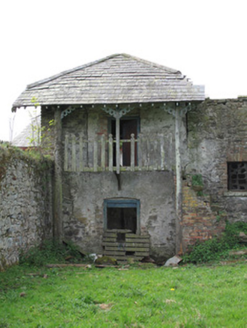
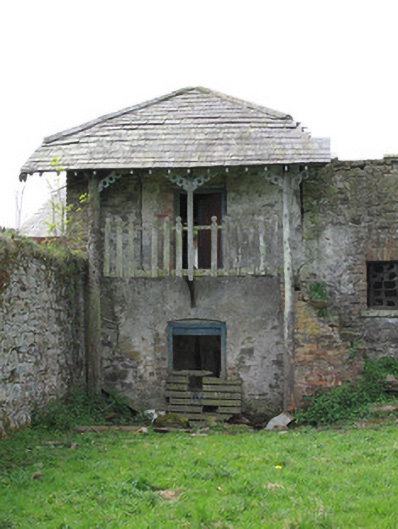
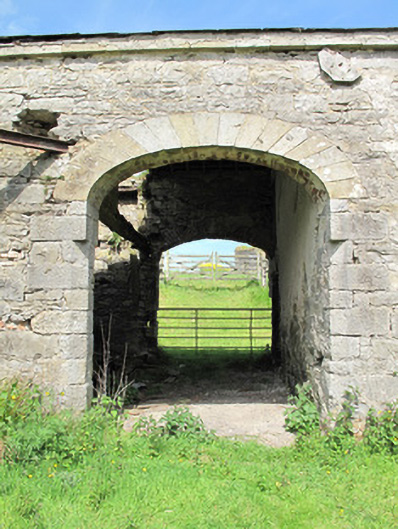
Range of outbuildings, built c.1845, to rear (north-west) of Drumreaske House. L-plan two-storey multiple-bay block to west, south wing partly demolished. Seven-bay single-storey arcaded block to east, terminating in two-storey square-plan tower to south. Pitched slate roofs, with terracotta ridge tiles, and dressed stone eaves course. Lean-to roof to single-storey block, rear forming part of south-west elevation of walled garden. Central gable-fronted bay to front (south-west) elevation, with tooled stone coping and finial. Roughly coursed squared rubble stone walls, with red brick infill to some areas. Decorative tiled panel to central bay to south-west elevation, with date of 184-. Square-headed window openings having dressed stone sills and timber fittings. Three-centred arch opening to south-east elevation with dressed gauged stone voussoirs. Gauged-brick three-centred arches to south-east elevation having red brick surrounds, one blocked. Arcade of gauged-brick three-centred arches to south-west elevation. Gauged-brick oculus to central pedimented bay. Square-headed openings to tower to south, some blocked, some with red brick surrounds. Square-headed door openings to north-east elevation of tower, with timber fittings, overhanging eaves supported on timber columns to north-east elevation, and timber balcony to first floor.
Appraisal
The simple form of these well-executed structures reflect the utilitarian nature of their function. They create a pleasing architectural group with the attached walled garden and Drumreaske House. Red brick and dressed sandstone dressings to openings add interest to the facades. The walled garden fulfilled a practical as well as leisure purpose in providing food for the household. It retains some pleasing features including its arched opening to the front and markedly enhances the context of the site.