Survey Data
Reg No
41400714
Rating
Regional
Categories of Special Interest
Architectural
Original Use
House
In Use As
House
Date
1780 - 1800
Coordinates
271618, 339785
Date Recorded
13/04/2012
Date Updated
--/--/--
Description
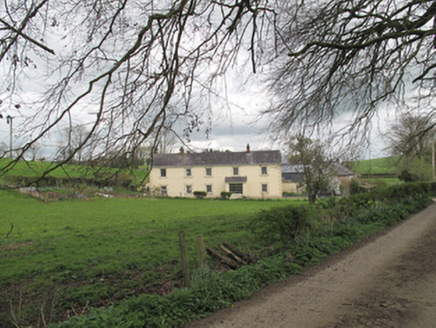
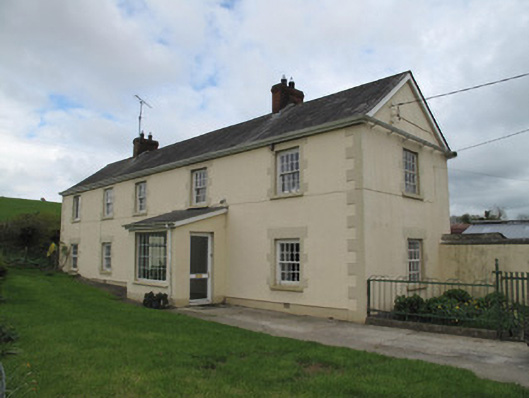
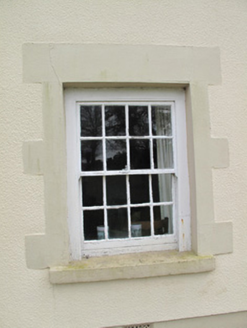
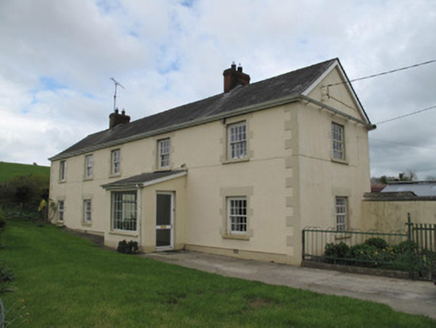
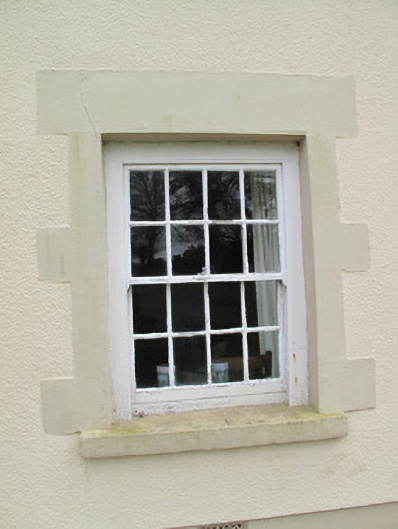
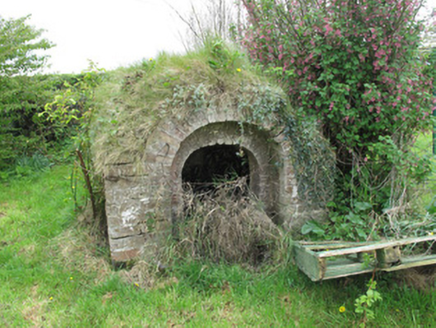
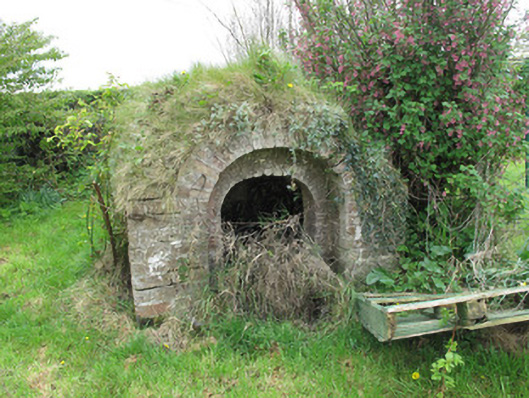
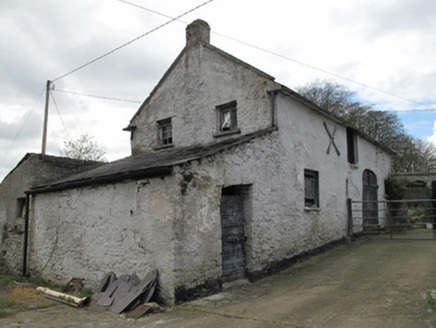
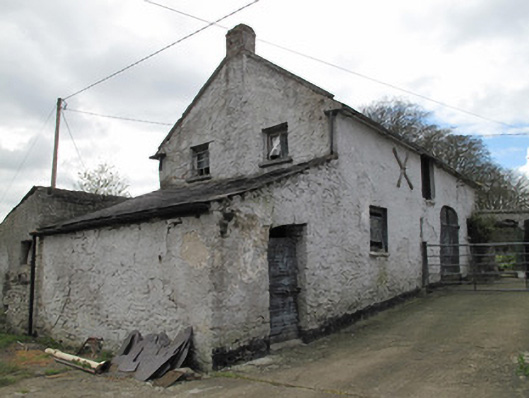
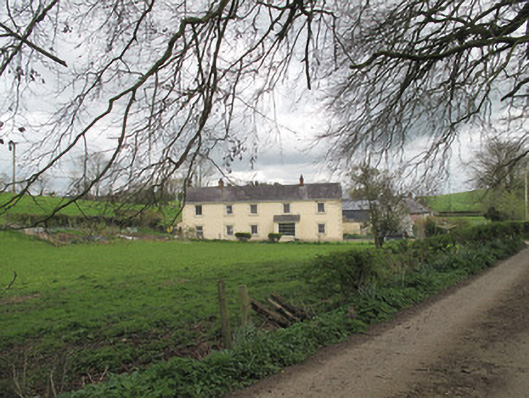
Detached five-bay two-storey house, built c.1790, having two-storey gabled return and lean-to extensions to rear (east) elevation, and with recent lean-to porch to front elevation. Pitched slate roof with red brick chimneystacks, recent square roof-lights, and replacement rainwater goods. Roughcast rendered walls having block-and-start render quoins and render plinth course. Ruled-and-lined render to porch. Square-headed window openings, front having rendered lintels and surrounds, painted tooled stone sills, and eight-over-eight pane timber sliding sash windows. Rear windows have render sills and replacement uPVC windows, and north elevation of lean-to to rear has eight-over-four pane timber sliding sash windows. Replacement uPVC and timber doors to porch and rear. Covered well, no longer in use, to south-west of house, with barrel roof, red brick walls and two-ordered segmental-headed opening to well. Three-bay two-storey outbuilding to south-east of house having lean-to to east side, pitched slate roof with red brick chimneystack, and cast-iron rainwater goods, roughcast rendered walls, square-headed timber windows and stone sills, and segmental-headed double-leaf timber battened door. Square-headed corrugated-iron door to front elevation of lean-to. Cast-iron railings on render plinth wall, with wrought-iron single-leaf gate enclosing garden to east of house.
Appraisal
This simple, though unusually long, dwelling is distinctive in the landscape. With its outbuildings it represents a fairly typical farmyard. It retains much of its original form and fabric, evident in the multiple relatively small window openings that retain their timber sliding sash windows to the front. The render details to the front also add visual interest. The outbuilding to the rear enhances the context, while the well, with its barrel roof and arched entrances, adds further architectural and historical interest to the site.