Survey Data
Reg No
40907033
Rating
Regional
Categories of Special Interest
Architectural, Artistic
Original Use
House
In Use As
House
Date
1880 - 1900
Coordinates
223925, 399131
Date Recorded
02/10/2007
Date Updated
--/--/--
Description
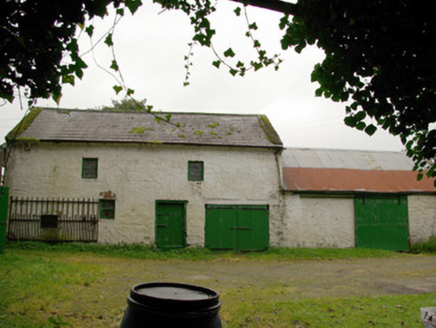
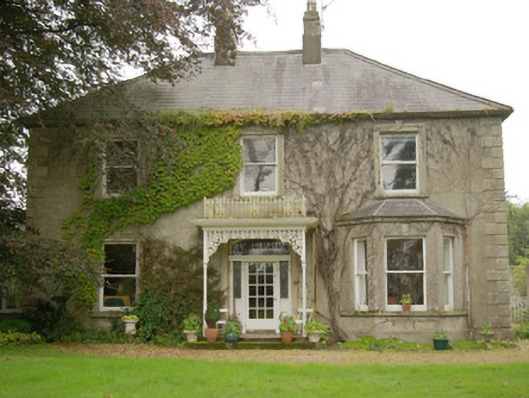
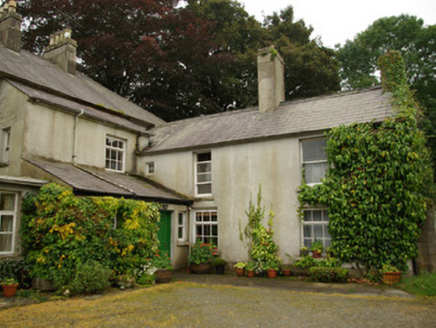
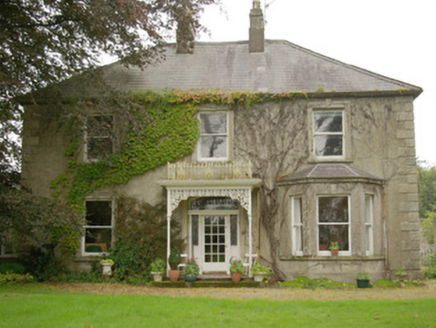
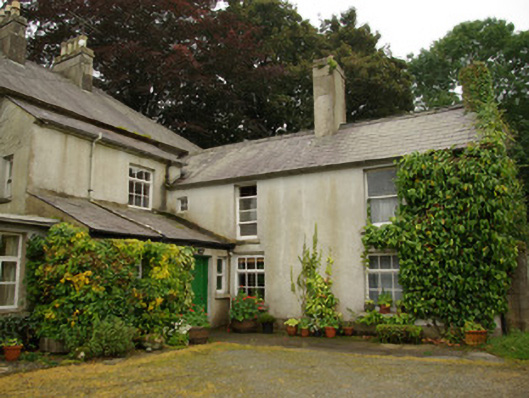
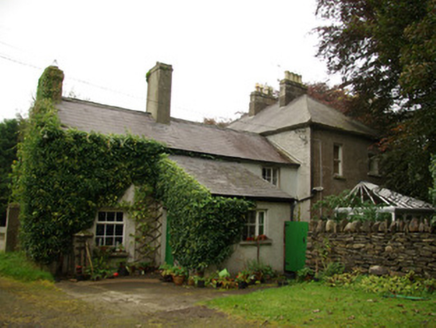
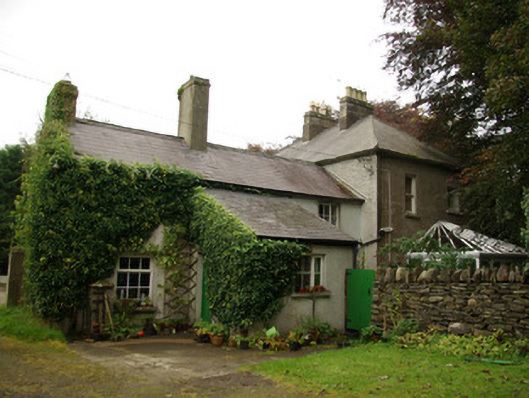
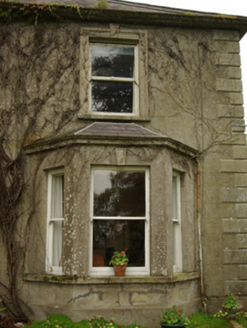
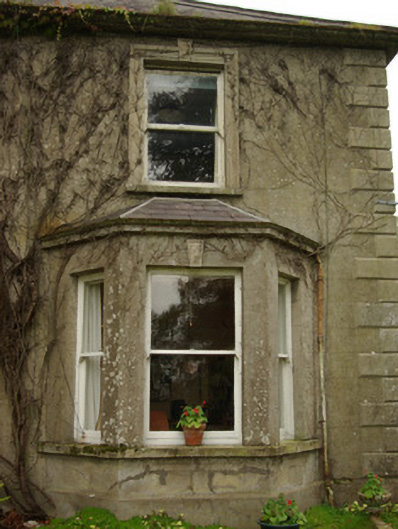
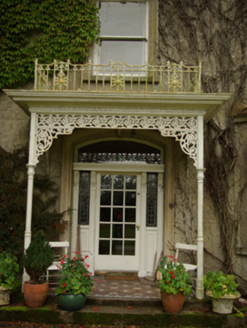
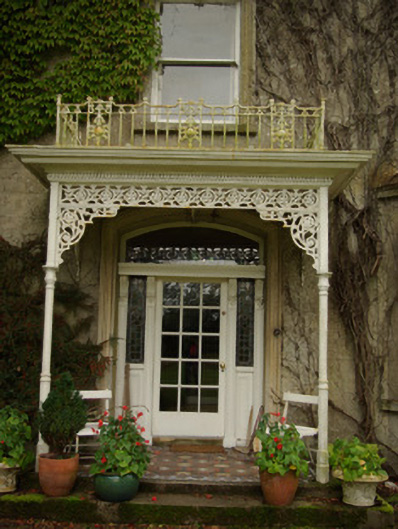
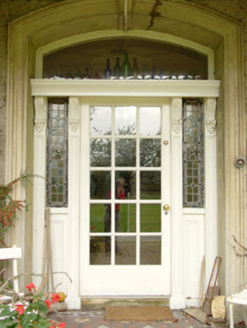
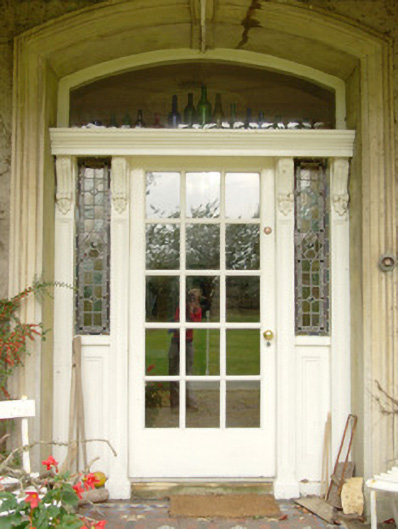
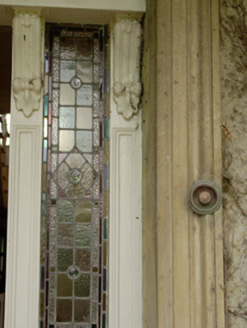
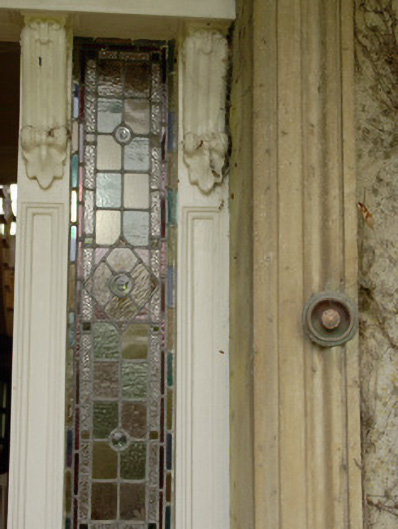
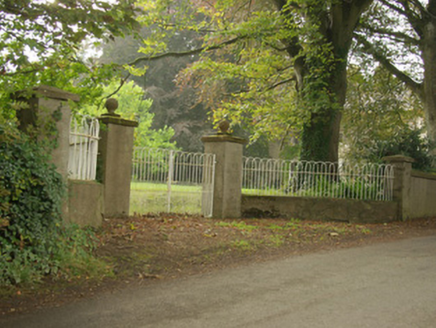
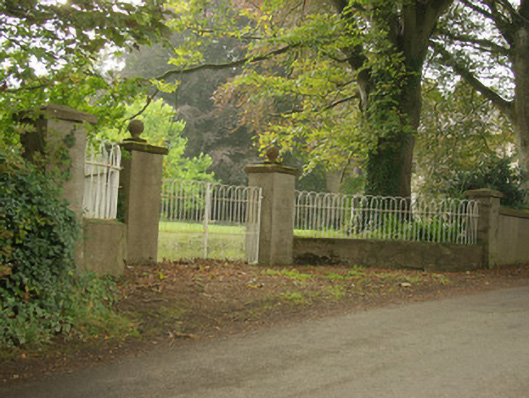
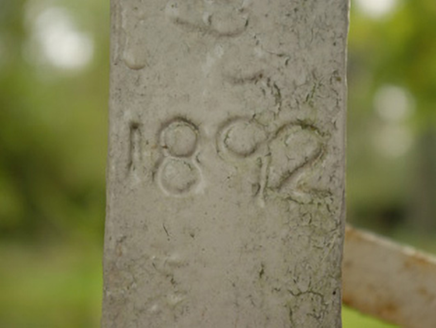
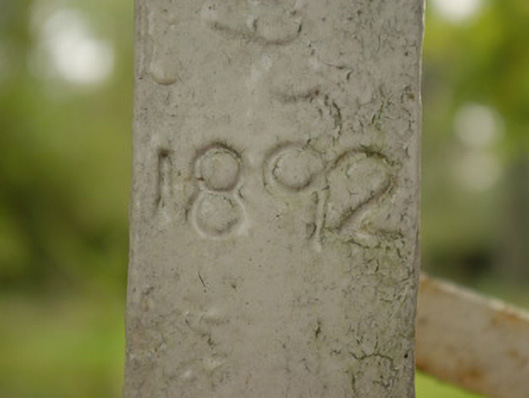
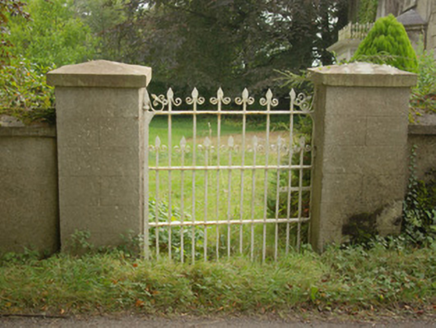
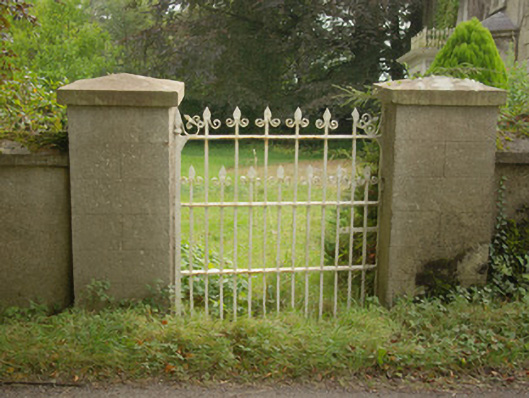
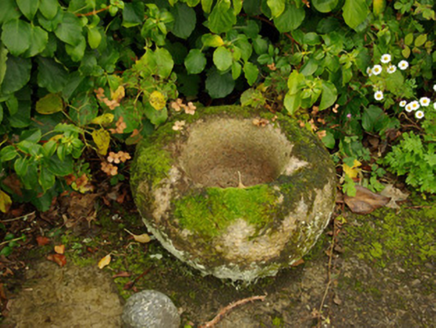
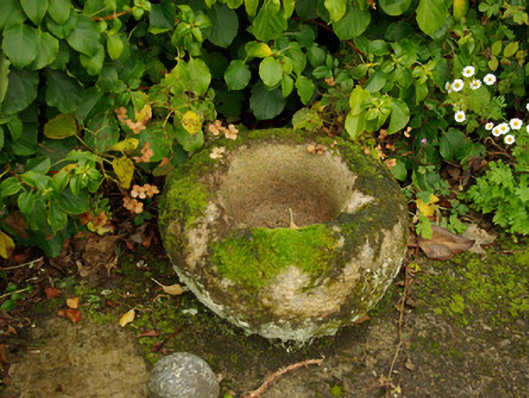
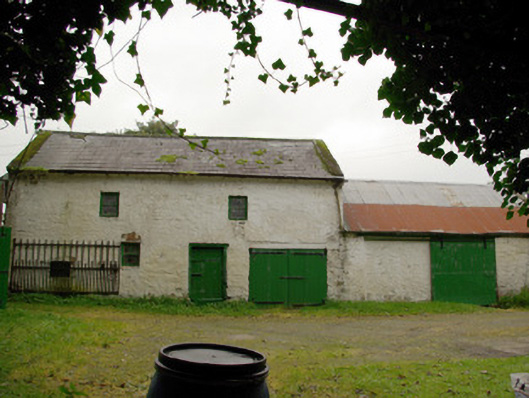
Detached three-bay two-storey house, built c. 1892, having open cast-iron porch to the centre of the front elevation (south-east), single-bay single-storey canted bay window to the north-east end of the front elevation (south-east), and with two-storey return to the rear at the north-west corner. Hipped natural slate roof having, clay ridge tiles, projecting eaves course, central pair of smooth rendered chimneystacks with terracotta pots over, and with profiled cast-iron rainwater goods; pitched natural slate roof and rendered chimneystacks to rear return in rear. Smooth rendered ruled-and-lined walls over projecting smooth rendered plinth with rendered block-and-start quoins to the corners of the front elevation (south-east). Square-headed window openings to front elevation having moulded render architraved surrounds with keystone detail, cut stone sills, and with one-over-one pane horned timber sliding sash windows; no architraves to canted bay window. Square-headed window openings to the rear return having mainly replacement windows. Central shallow segmental-headed doorway to the main elevation having moulded render architrave surround with keystone detail, plain overlight, replacement glazed timber door, timber pilasters with foliate console brackets and moulded timber lintel over, leaded coloured glass sidelights over timber stallrisers, and stone steps. Encaustic tiled floor to open porch. Decorative open cast-iron porch having moulded cast-iron supports, decorative cast-iron spandrels and panels, moulded dentilated cornice and cast-iron hood, and with balcony over having decorative cast-iron railings. Set slightly back from road in mature grounds to the south-west of Raphoe a short distance to the north-west of Carnowen Presbyterian Church (see 40907023). Garden to the front of site (south-east) having lawn. Complex of single- and two-storey outbuildings to the rear of site (north-west), c. 1820 and c. 1892, including three-bay two-storey barn with pitched slate roof, rendered rubble stone walls, cast-iron rainwater goods, square-headed window openings with timber sliding sash windows, and square-headed doorways with battened timber fittings. Single-storey outbuildings to site generally with pitched corrugated-metal roofs, rubble stone walls, and square-headed window and door openings. Engine to one outbuilding formerly part of threshing mill to site. Rubble stone walls and wrought-iron gates to site. Modern glass conservatory to south-west elevation. Smooth rendered ruled-and-lined boundary walls to road-frontage to the north-east. Vehicular gateway to the south-east of house comprising a pair of smooth rendered ruled-and-lined gate piers (on square-plan) having render globe finials over, and with a pair of hooped wrought-iron gates; gateway flanked by sections of low rendered walls with hooped wrought-iron railings over. Date stamp of ‘1892 ’to gates. Pedestrian gateway to the east of house comprising a pair of smooth rendered ruled-and-lined gate piers (on square-plan) having wrought-iron gate with decorative finials. Bullaun stone (see RMP DG070-038---) located to rear of site.
Appraisal
This appealing middle-sized house, of late nineteenth-century date, retains its early form and character. Its visual expression and integrity is enhanced by the retention of salient fabric such as the timber sliding sash windows and the natural slate roof, while the well-detailed doorway, the render architraved surrounds to the openings and the render quoins to the corners help to enliven the front elevation. The canted bay window is a feature found on many late Victorian and Edwardian houses throughout Ireland. Of particular note is the elaborate and elegant cast-iron open porch to the main entrance, which adds an attractive central focus and is a feature of some aesthetic merit that helps to give this building a strong architectural impact for a modestly-scaled house. The attractive wrought-iron gates to site add significantly to the setting and are attractive features in their own rights. One of the gates is stamped ‘1892’, the possible building date of this house. The complex of single- and two-storey outbuildings to site, some of which appear to predate the present house and were originally associated with an earlier house to site (Ordnance Survey first edition six-inch map of c. 1837), add further to the setting and context. The two-storey former barn to the rear survives in good condition and is a significant survival in its own rights. According to local information one of these outbuildings may have been formerly in use as a temporary school for a period, and also some of the outbuildings may have been in use for mill-related purposes as an oil\diesel engine to a former threshing mill survives to site. The form or the rear return hints that this may be part of an earlier house to site, a suggestion supported by local information and its possible indication of the Ordnance Survey first edition six-inch map of c. 1837. This fine building makes a positive contribution to the rural landscape to the south-west of Raphoe, and is an integral element of the built heritage of the local area.