Survey Data
Reg No
40402803
Rating
Regional
Categories of Special Interest
Architectural, Social
Previous Name
Glasleck Manse
Original Use
Manse
In Use As
House
Date
1880 - 1900
Coordinates
271155, 302827
Date Recorded
07/08/2012
Date Updated
--/--/--
Description
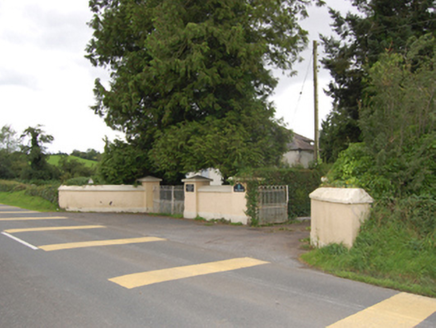
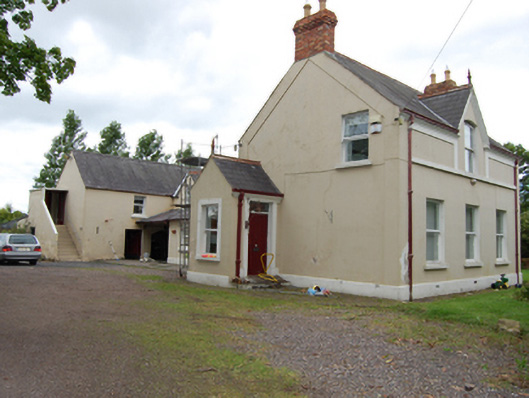
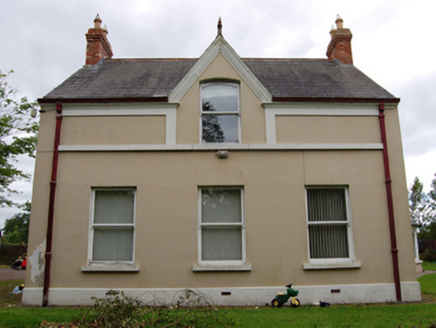
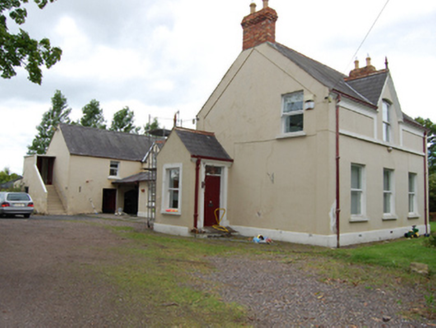
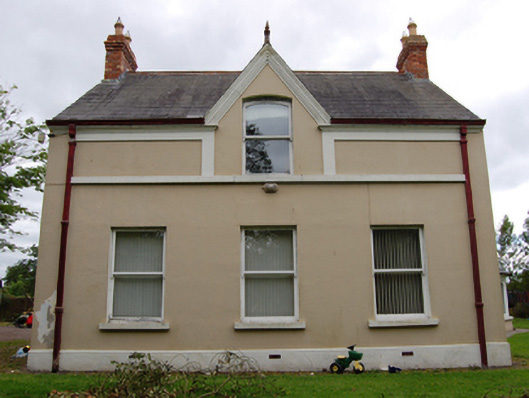
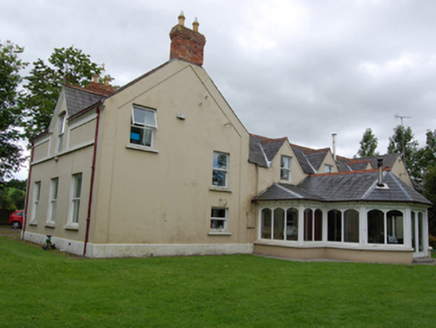
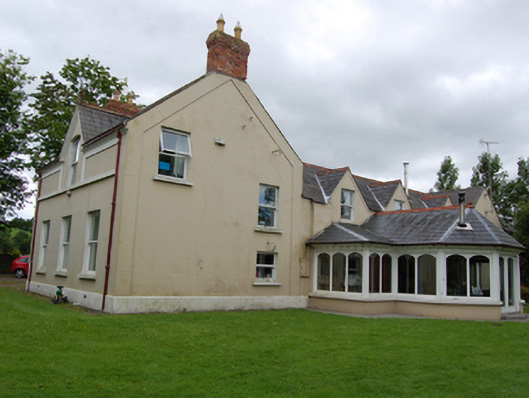
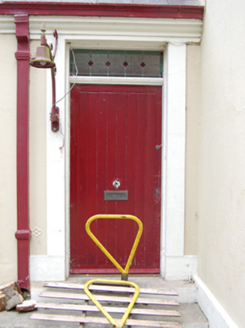
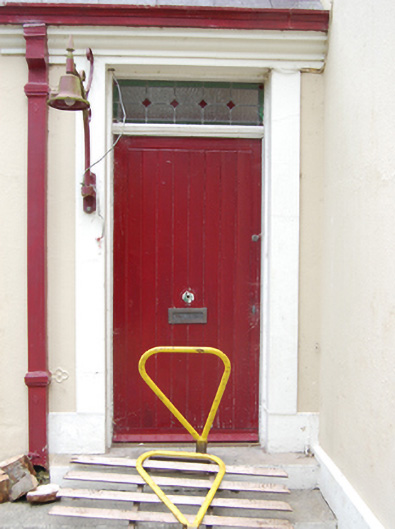
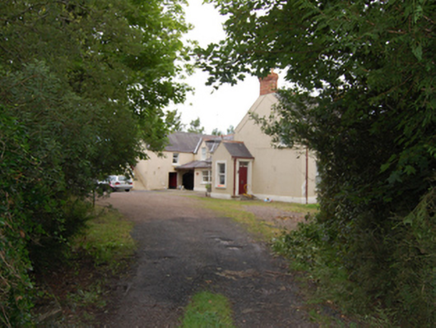
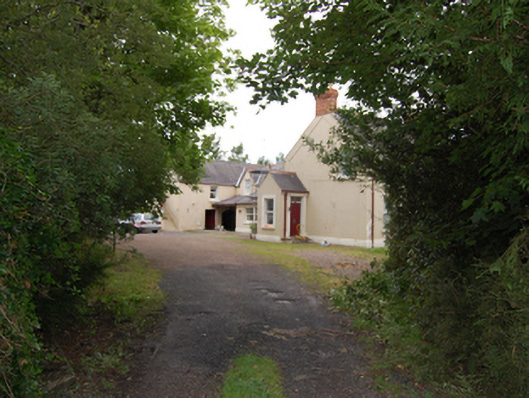
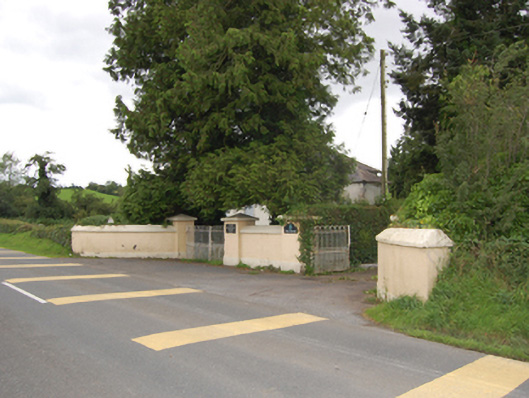
Detached L-plan three-bay two-storey former manse, built c.1890, having central gabled dormer window, gabled entrance porch to south gable, three-bay wing to rear with dormer windows having carriage arch in western bay and connecting to two-storey outbuilding. Recent lean-to extension to south of rear wing incorporating roof canopy over carriage arch and conservatory to north. Now in use a private dwelling. Pitched slate roof with terracotta ridge tiles having low eaves forming central gablet to dormer window, spiked finials to gable apexes. Stucco eaves cornice and verge moulding to dormer gable. Red brick chimneystacks to gables having stepped cornice detail and clay pots. Cast-iron rainwater goods having decorative square profile with decorative lugs to front elevation and porch. Smooth rendered walls with raised plinth, plat band at dormer sill level and below eaves cornice. Raised render band to corners and end gable verges. One-over-one timber sash windows having dressed stone sills. Raised render window surround to side of entrance porch. Square-headed door opening having sheeted timber door, coloured glass to decorative overlight, and flanked by bell with spiked finial. Site entrance shared with adjoining former Presbyterian church having two sets of wrought-iron gates with rendered convex quadrant screen wall and square-plan piers. Two-storey three-bay outbuilding attached to rear wing with slate roof, external stairs to gable, smooth rendered walls, and central segmental-arched opening with keystone inscribed with date 'AD 96' flanked by door openings.
Appraisal
A well-composed former manse, which retains its distinctive historic form and character. The façade is embellished by simple plat bands and rainwater goods employed as decorative elements. The dormer windows and spiked finials add visual incidence to the roofline. The building is enhanced by surviving historic features including sash windows, timber door, and bell. The house is of particular social heritage importance in the locality due to its original use as an ecclesiastical residence. It forms an ensemble with the former Presbyterian church on the adjoining site, with which it shares an interesting entrance gateway. Together, the group is an interesting part of the county's social heritage, and is a reminder of the Presbyterian community in the area in the past.