

Survey Data
Reg No
40401402
Rating
Regional
Categories of Special Interest
Architectural, Artistic, Historical, Social
Original Use
Church/chapel
In Use As
Church/chapel
Date
1820 - 1825
Coordinates
232735, 315833
Date Recorded
19/06/2012
Date Updated
--/--/--
Description
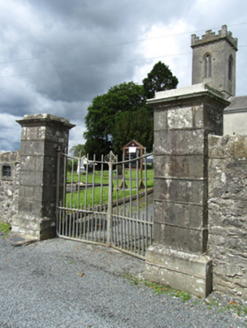
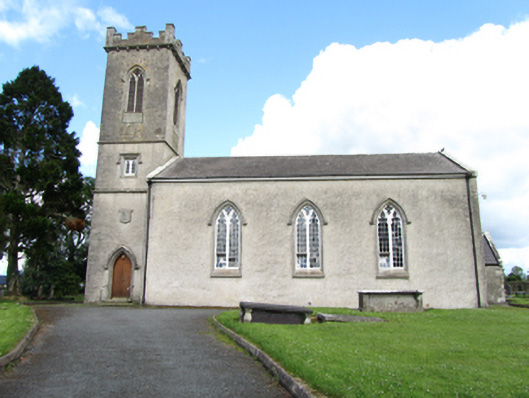
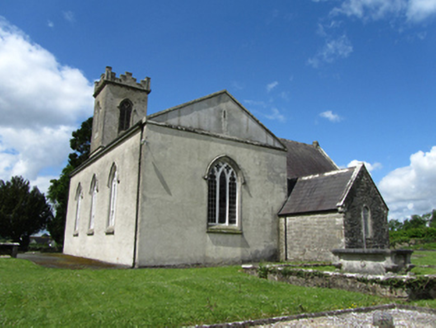
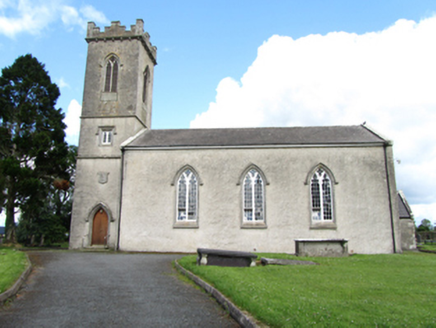
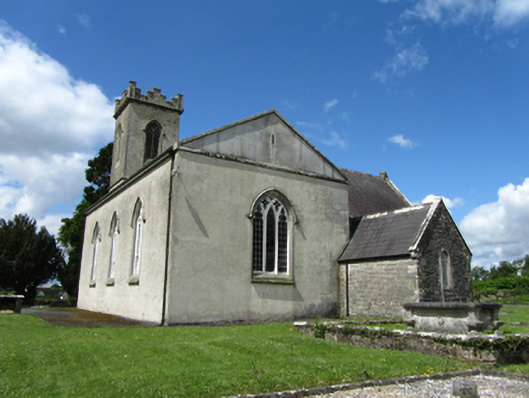
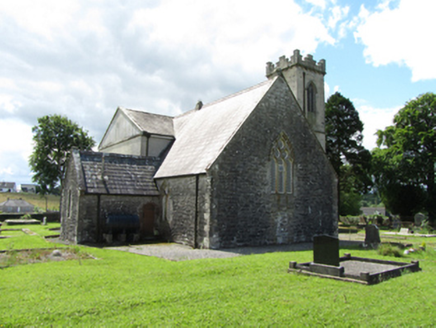
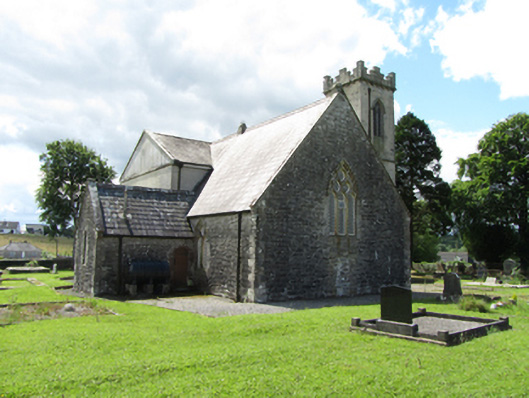
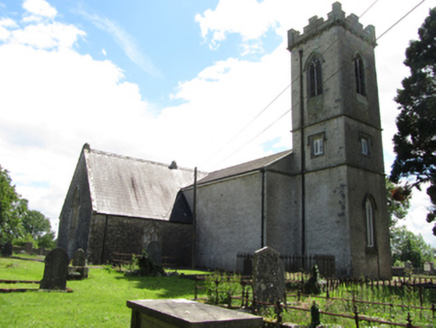
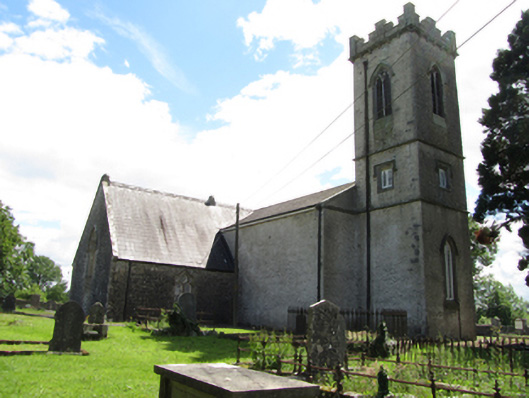
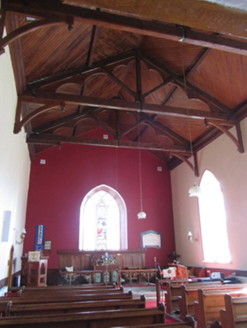
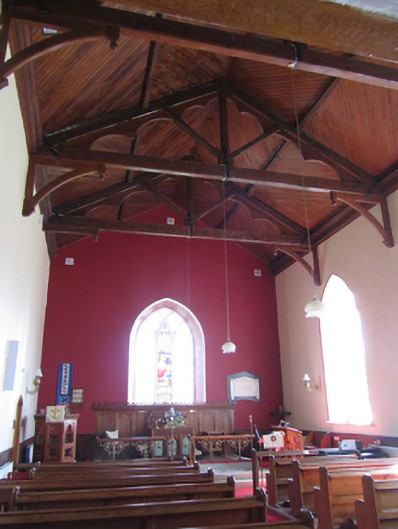
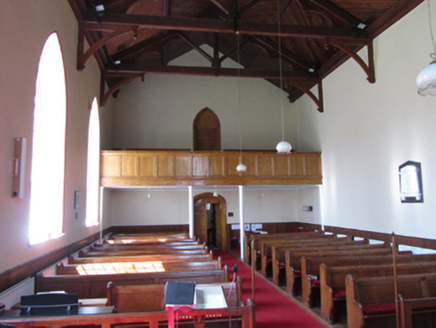
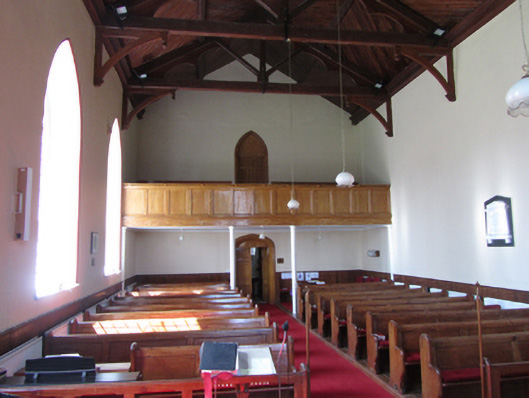
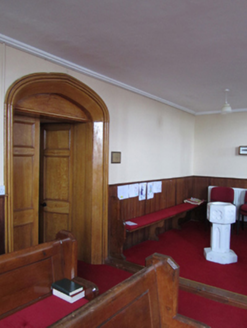
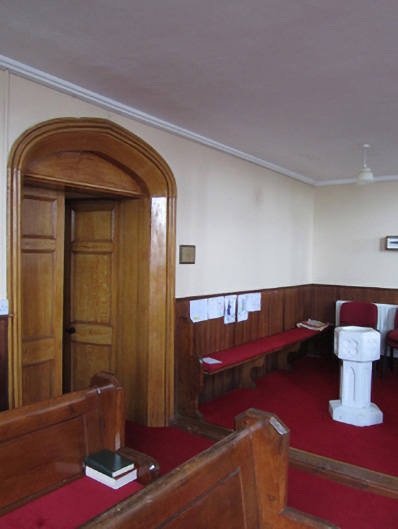
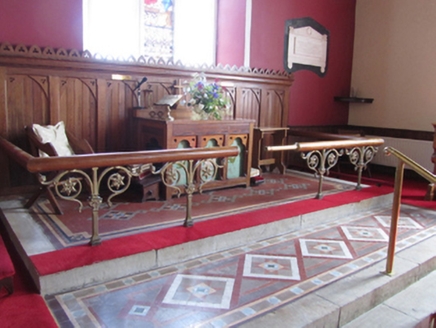
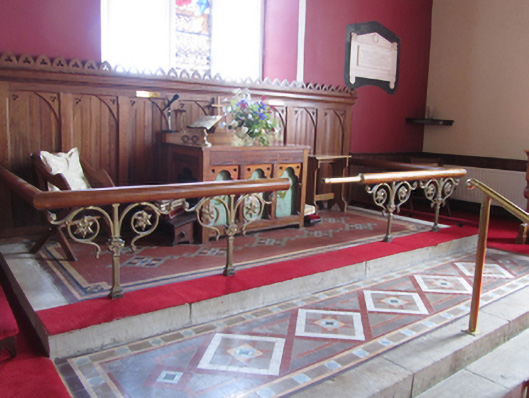
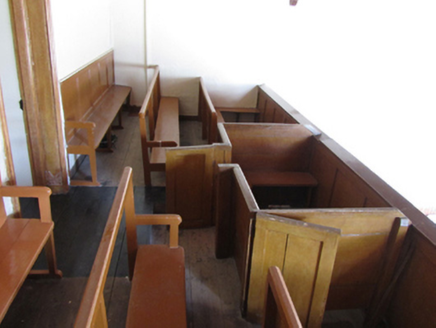
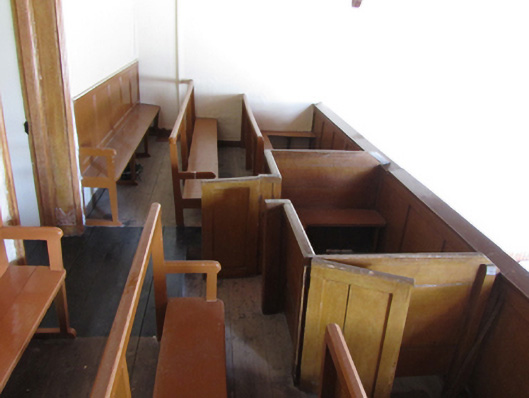
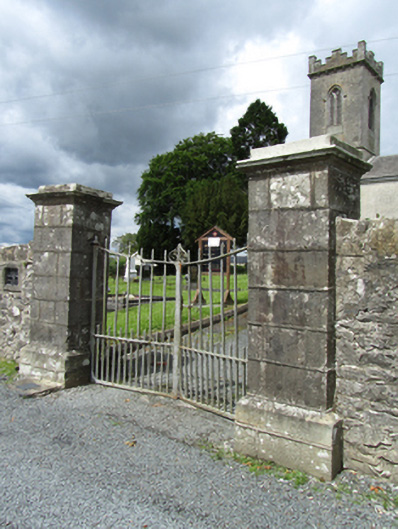
Freestanding L-plan Church of Ireland church, built 1821, with three-bay nave having three-stage square tower to west gable, north transept and vestry added 1863. Pitched slate roofs, with artificial slate roof to nave, clay ridge tiles, and cast-iron rainwater goods. Roughcast rendered walls to nave and tower, smooth rendered walls to east elevation, random squared and skewed stone to north transept and vestry. Stone fractables to gables with octagonal-profile finials, eaves string course forming pediment to west gable. Crenellated parapet to tower set forward on profiled corbel table on stepped brackets, string courses at stage levels. Pointed and louvred belfry openings in upper stage of tower with twin-light timber tracery and hood moulding. Square-headed window opening to middle stage with twin-light timber tracery and hood moulding. Pointed twin-light cusped timber tracery windows with multiple-pane clear glass to south nave. Triple light cusped timber tracery windows to east window. Triple-light Decorated-Gothic style stone tracery window with mandala motif to gable of transept, smaller twin-light stone tracery windows to sides of transept, single lancet to vestry, all with clear-glazed metal lattice windows. Pointed arch double-leaf sheeted timber doors to tower entrance, single leaf sheeted timber door to vestry. Stone flags within tower entrance hall. King-post trusses to nave interior with cusped detail to rafters, resting on curved hammer-beam brackets on wall corbels. Large arched trusses over transept. Pointed arch to transept springing from floor level, now filled in to form separate space with small connecting door having low pointed arch. Timber dado to nave and transept, original timber pews in nave. Timber floor below pews and in transept. Stone steps to altar area with decorative tile floor. Decorative cast-iron uprights support timber altar rail with sliding brass bar to close opening in rail in front of altar. Decorative timber screen to rear of altar. Carved timber pulpit and reading desk. Raked timber gallery to west of nave on pair of timber clustered columns and wall responds. Timber door to gallery in high pointed opening with fixed overpanel. Open backed pews to gallery with box pew to centre. Timber entrance doors to nave set in deep arched opening with timber lining and recessed pockets for open door leaves. Stone font near entrance. Graveyard with rubble stone boundary walls having decorative cast-iron gates set square-profile ashlar piers with chamfered bases, projecting cornice, and square blocking course. Single-storey four-bay stone structure with hipped slate roof, to south-east corner of site.
Appraisal
A small scale example of the hall-and-tower church type funded by the Board of First Fruits, built in 1821 to designs by John Bowden by the contractor John Dolittle, to which a fine transept and robing room was added to designs of church architects Welland & Gillespie in 1862-63 by the contractor William Hague. The later separation of nave and transept has resulted in the nave being lit from the south and east only. The nave and tower have simple architectural expression with plain walls relieved by decorative window framing, timber roof structure, and furniture, whilst the transept displays more elaborate traceries and stonework. The geometry of the site boundary lies askew to the road, adding interest to the rural landscape. A related building on the site once functioned as a school and parochial hall, and adds to the social heritage interest of the site.