Survey Data
Reg No
40308023
Rating
Regional
Categories of Special Interest
Architectural, Artistic, Historical
Original Use
House
In Use As
House
Date
1860 - 1880
Coordinates
260281, 314386
Date Recorded
28/06/2012
Date Updated
--/--/--
Description
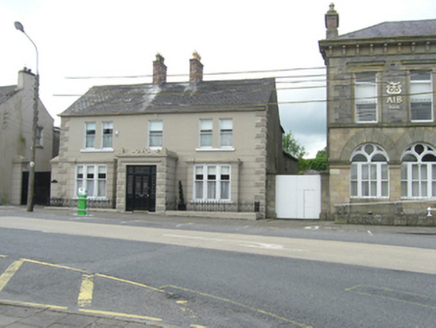
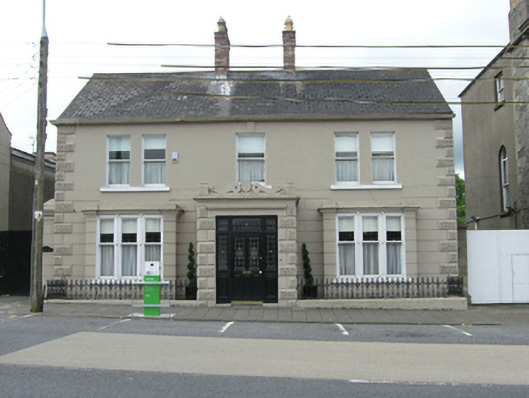
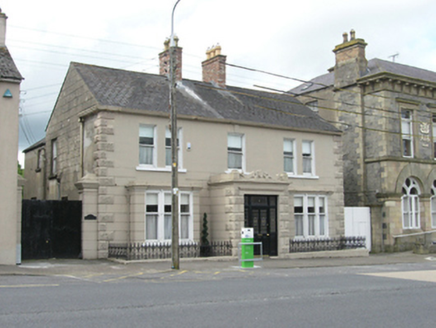
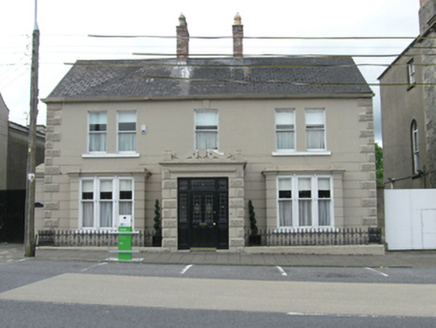
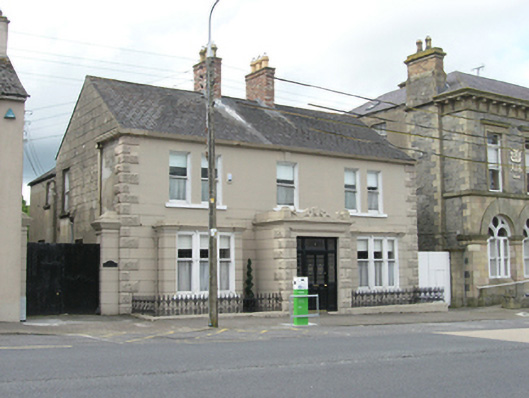
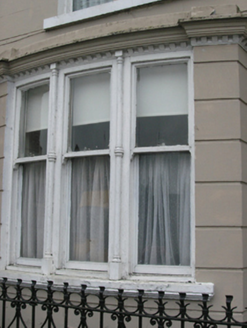
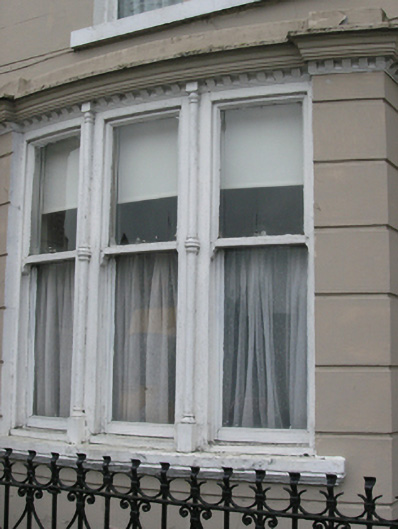
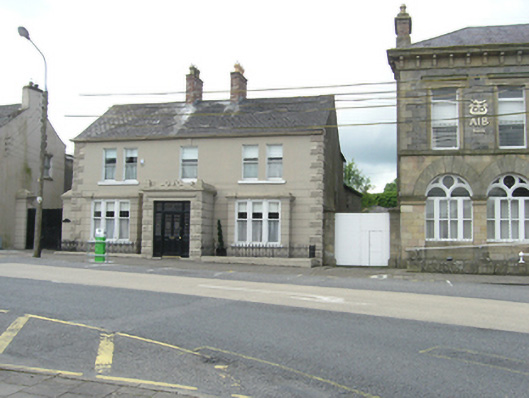
Detached three-bay two-storey former bank manager's house, built c.1870, with projecting single-storey entrance porch, two-storey return to rear. Now in use as private house. Pitched slate roof with terracotta ridge tiles, tall brick chimneystacks with clay pots indicating internal tripartite plan, profiled cast-iron rainwater goods. Ruled-and-lined rendered walls with stucco vermiculated quoins, horizontal banded rustication to ground floor with channel joints. Porch with vermiculated quoins, plain entablature and stucco blank armorial shield flanked by unarticulated scrolls to attic storey. Window openings with stone sills and one-over-one timber sash windows to upper floor, paired towards gables with common sill. Bay windows to ground floor with flanking walls expressed as pilasters, dentillated cornice with blocking course above. Recessed and bowed central triple lights separated by colonettes with one-over-one timber sash windows. Square-headed door opening with timber panelled and stained glass door having sidelights and overlight. Cast-iron railings on rendered plinth wall flanking porch. Tall gate piers to south, having entablature of cap aligned with entablature of bay windows.
Appraisal
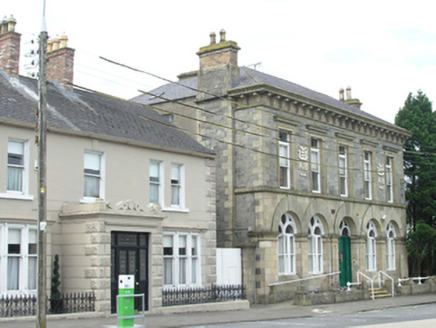
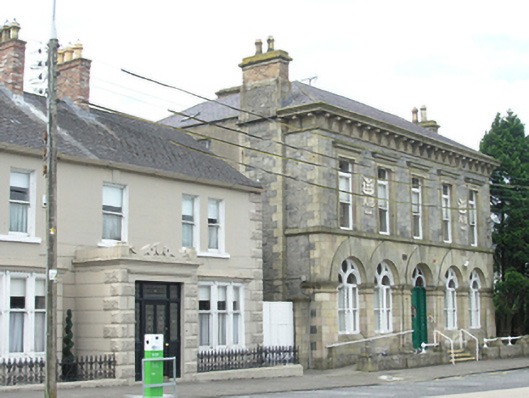
A substantial Victorian town house designed by architect of the adjacent bank, William Murray, that has a strong presence on Market Street and is not overshadowed by the former Provincial Bank building to the north, the Church of Ireland church to the north or the Court House opposite. It has elaborate stucco detailing including rusticated ground floor, vermiculated quoins, and moulded cornices, all indicators of late nineteenth-century prosperity. It retains much of its historic fabric including timber sliding sash windows, handsome entrance screen and fine cast-iron railings. The house is also notable as the birthplace of John Charles McQuaid, former Archbishop of Dublin.