Survey Data
Reg No
31311111
Rating
Regional
Categories of Special Interest
Architectural, Artistic, Historical, Social
Previous Name
Farmhill House
Original Use
Farm house
In Use As
Farm house
Date
1700 - 1786
Coordinates
132565, 272435
Date Recorded
11/12/2010
Date Updated
--/--/--
Description
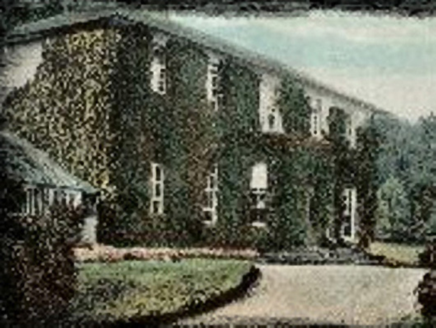
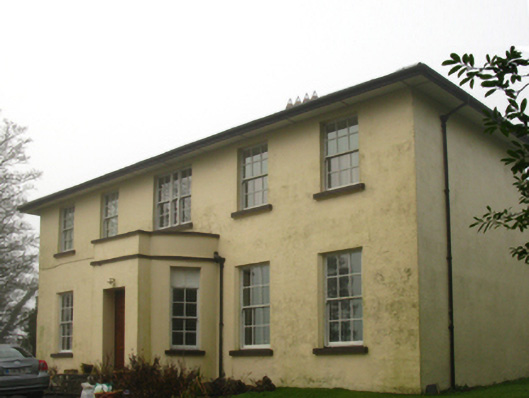
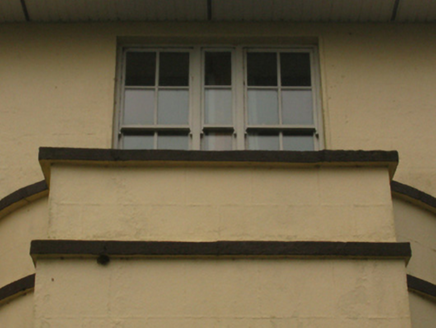
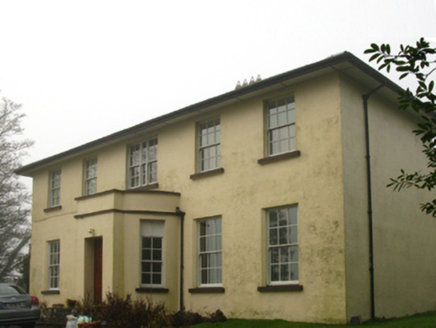
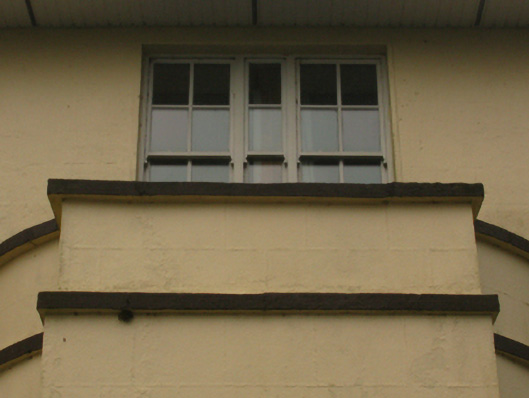
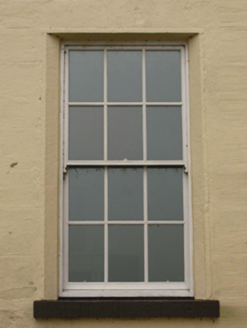
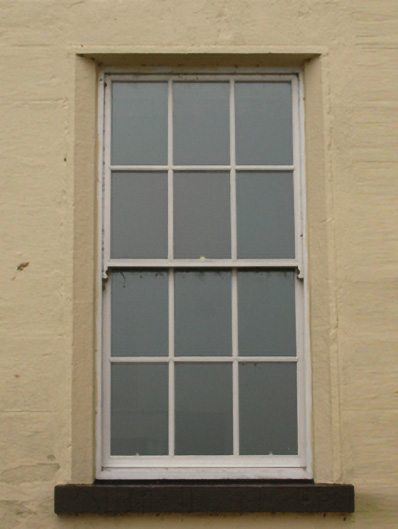
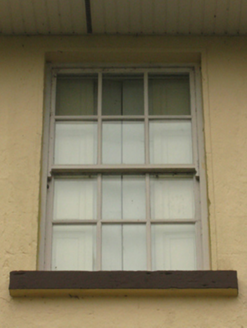
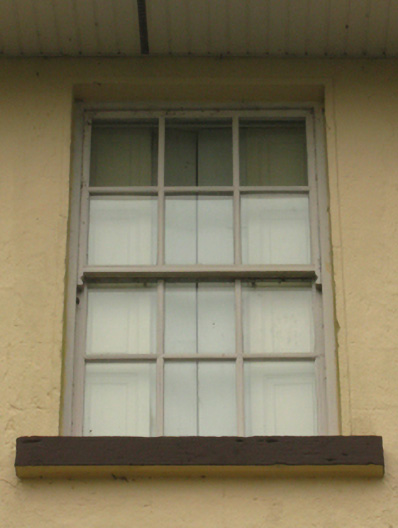
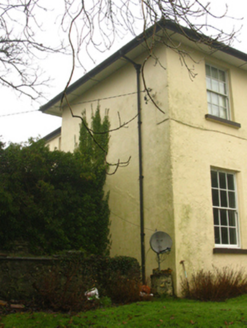
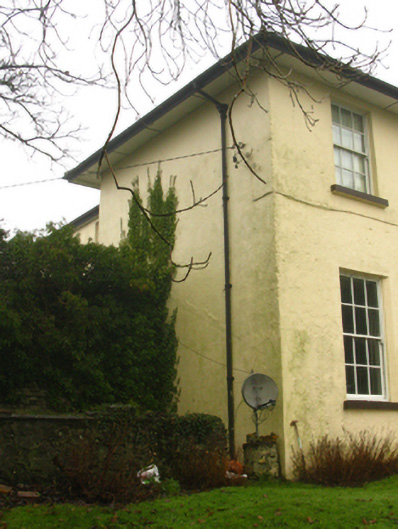
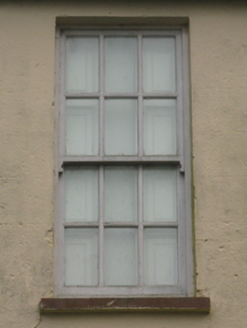
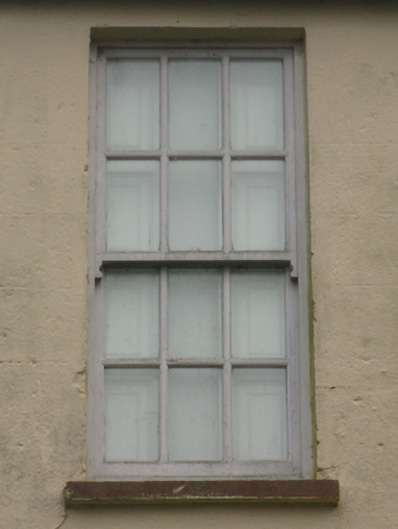
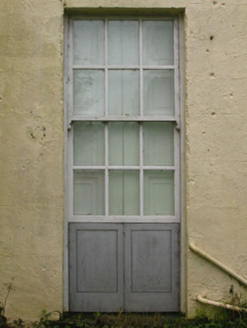
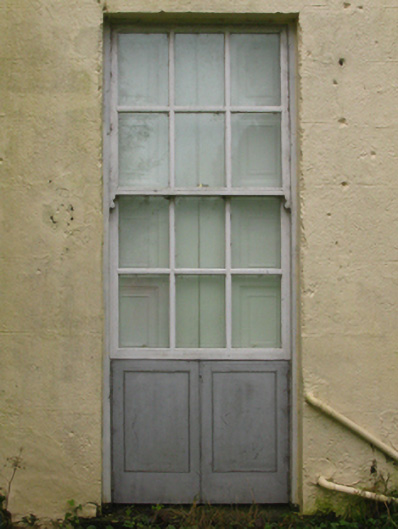
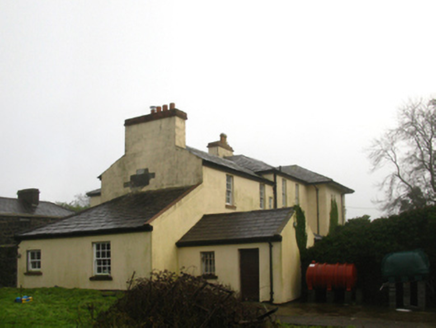
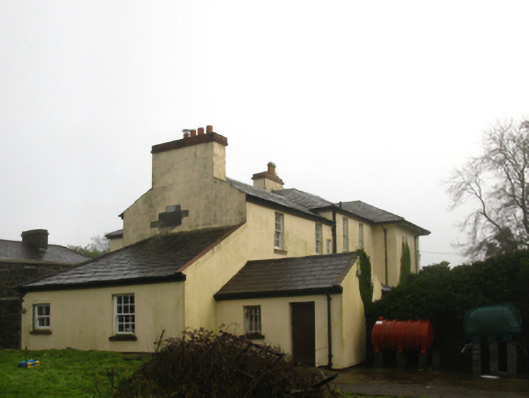
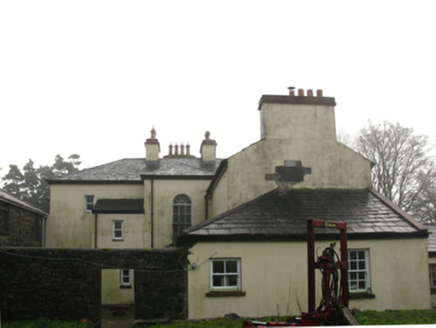
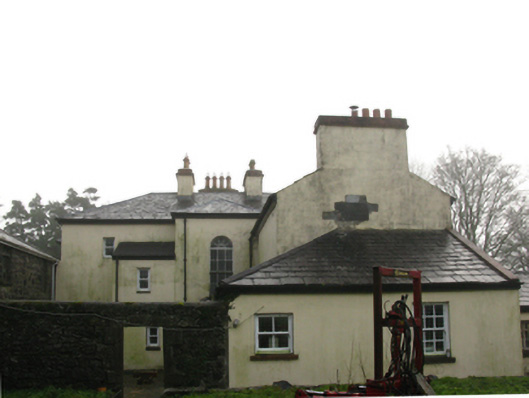
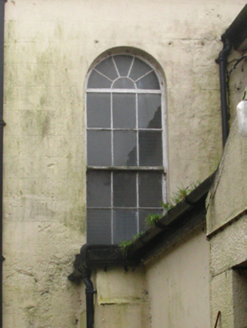
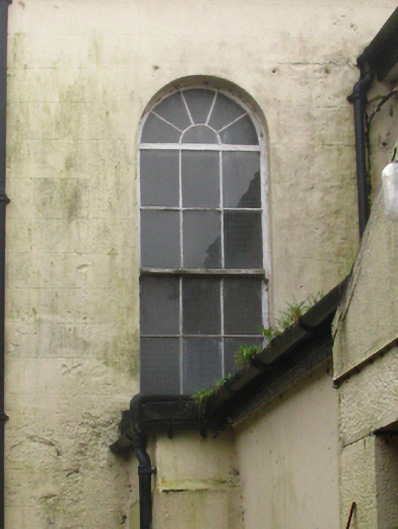
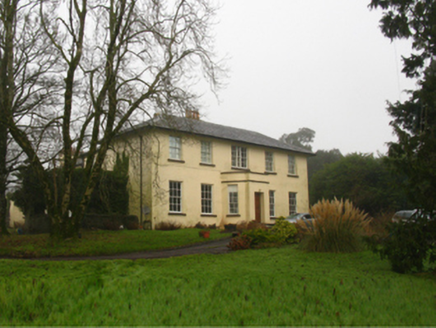
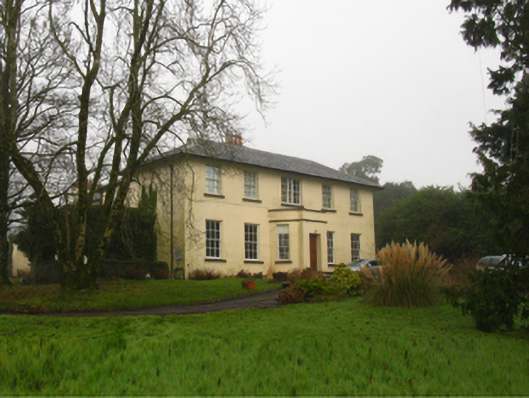
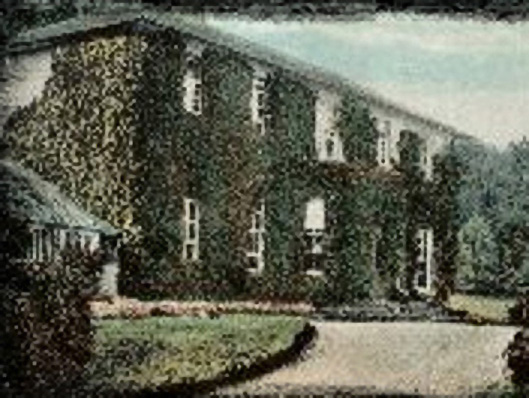
Detached five-bay two-storey double-pile farmhouse, extant 1786, on a cruciform plan centred on single-bay single-storey flat-roofed projecting porch to ground floor on an elliptical bowed plan with single-bay (single-bay deep) full-height central return (north-west). "Improved", pre-1893, producing present composition. Vacant, 1901. Occupied, 1911. Refenestrated. Hipped slate roofs on a T-shaped plan centred on hipped slate roof (north-west) with pressed or rolled iron ridges, paired rendered central chimney stacks centred on rendered chimney stack on axis with ridge having cut-limestone stringcourses below chamfered capping supporting terracotta or yellow terracotta tapered octagonal pots, and cast-iron rainwater goods on eaves boards on overhanging eaves retaining cast-iron octagonal or ogee hoppers and downpipes. Part creeper- or ivy-covered rendered, ruled and lined walls. Square-headed central door opening approached by flight of four lichen-covered cut-limestone steps with concealed dressings framing replacement timber panelled door. Square-headed flanking window openings with cut-limestone sills, and concealed dressings framing replacement four-over-four timber sash windows having overpanels. Square-headed window openings centred on square-headed window opening in tripartite arrangement (first floor) with square-headed window openings to rear (north-west) elevation centred on round-headed window opening (half-landing), cut-limestone sills, and concealed dressings framing replacement six-over-six timber sash windows centred on two-over-two timber sash window having four-over-four sidelights with one-over-one timber sash windows to rear (north-west) elevation centred on six-over-six timber sash window having fanlight. Interior including (ground floor): vestibule with timber panelled shutters to window openings; door opening into entrance hall with timber panelled double doors having overlight; entrance hall retaining carved timber surrounds to door openings framing timber panelled doors; and carved timber surrounds to door openings to remainder framing timber panelled doors with timber panelled shutters to window openings. Set in landscaped grounds including "haha".
Appraisal
A farmhouse or minor country house regarded as an important component of the eighteenth-century domestic built heritage of the rural environs of Claremorris with the architectural value of the composition, one annotated as "Farmhill House" on the first edition of the Ordnance Survey (surveyed 1838; published 1840), confirmed by such attributes as the deliberate alignment maximising on panoramic vistas overlooking landscaped grounds; the symmetrical footprint centred on a curvilinear porch; the diminishing in scale of the openings on each floor producing a graduated visual impression; and the slightly oversailing roofline: meanwhile, a comparison of the first and second (surveyed 1893; published 1896) editions of the Ordnance Survey clearly illustrates the continued development or "improvement" of the farmhouse in the later nineteenth century. Having been well maintained, the elementary form and massing survive intact together with substantial quantities of the original or sympathetically replicated fabric, both to the exterior and to the interior where contemporary joinery; chimneypieces; and plasterwork refinements, all establish the artistic potential of the composition. Furthermore, adjacent outbuildings (see 31311112); a substantial, albeit neglected walled garden (see 31311113); and a dilapidated gate lodge (see 31311115), all continue to contribute positively to the group and setting values of an estate having historic connections the Arbuthnot family including Reverend Alexander Arbuthnot DD (1768-1828), one-time Dean of Crossboyne and Kilcoleman (appointed 1808) and later Bishop of Killaloe and Kilfenora (fl. 1823-8); Sir Alexander John Arbuthnot CIE KCSI (1822-1907); and General Sir Charles George Arbuthnot GCB (1824-99); the Gonne-Bell family including Edward De Tour Gonne-Bell JP (1794-1874; Lewis 1837 I, 437); the Lynch Blosse family including Lady Harriet Lynch-Blosse (née Browne) (1827-1904); the Sheffield family including Captain John Charles Sheffield JP (1834-1903; NA 1901) and Robert Stoney Oliphant-Sheffield JP (né Sheffield) (1864-1937; NA 1911); and the Hinckson family including Henry Albert Hinkson (1865-1919) and Katharine Tynan Hinkson (1859-1931), poet and author of the autobiographical "The Years of the Shadow" (1919) and "The Wandering Years" (1922).