Survey Data
Reg No
31308910
Rating
Regional
Categories of Special Interest
Architectural, Artistic, Historical, Social
Original Use
Farm house
In Use As
Farm house
Date
1840 - 1895
Coordinates
113278, 279425
Date Recorded
23/11/2010
Date Updated
--/--/--
Description
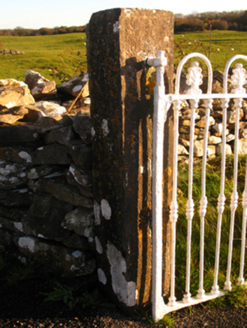
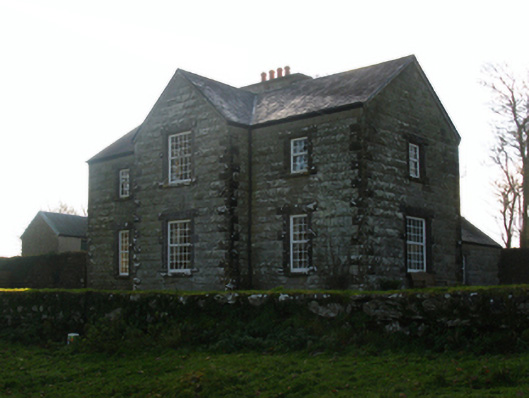
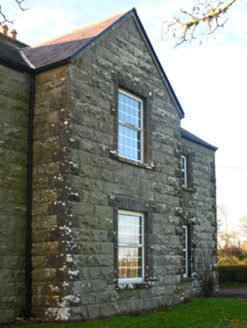
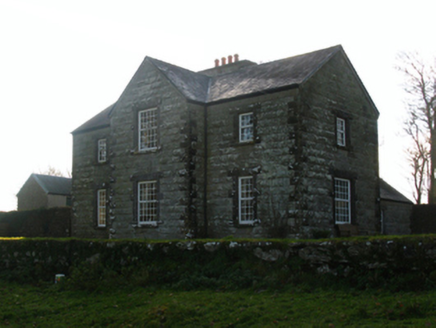
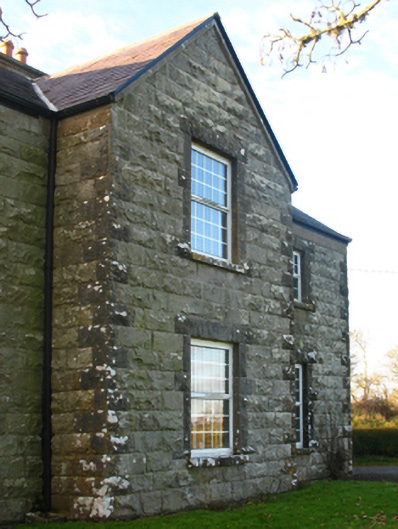
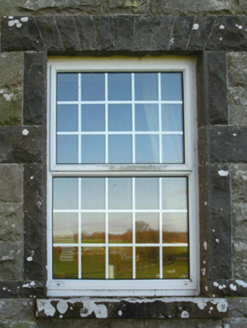
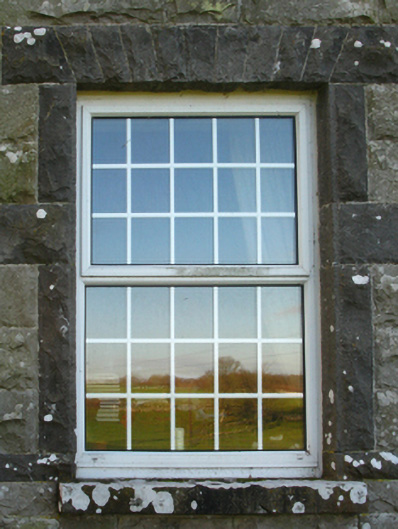
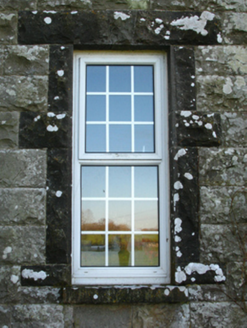
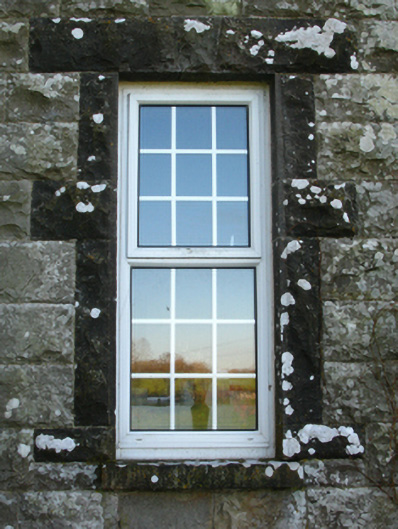
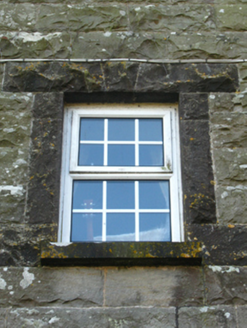
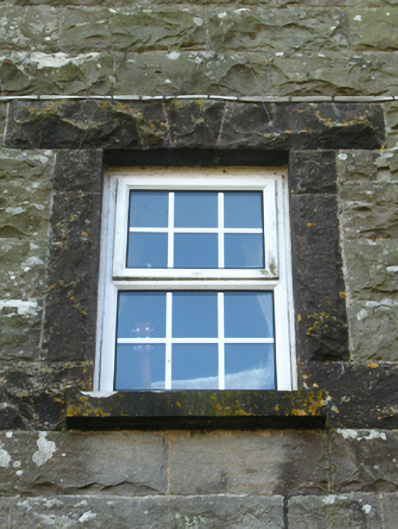
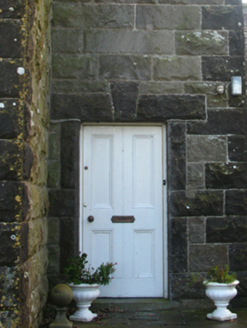
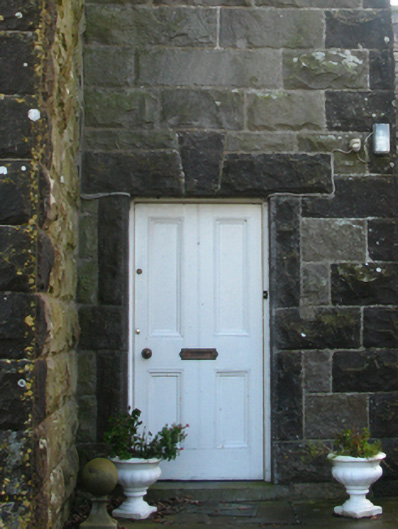
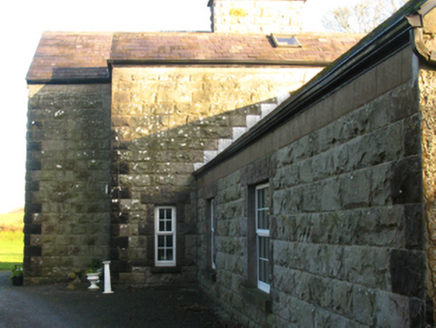
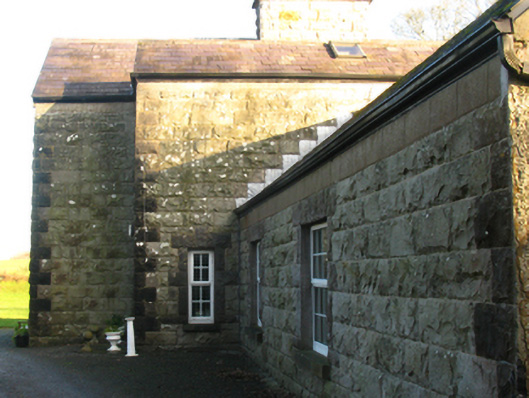
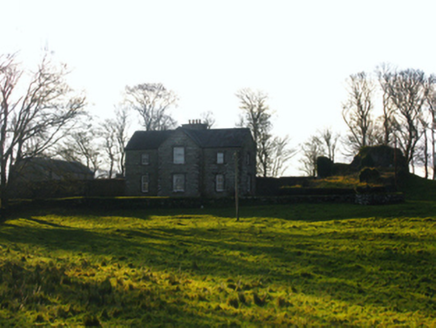
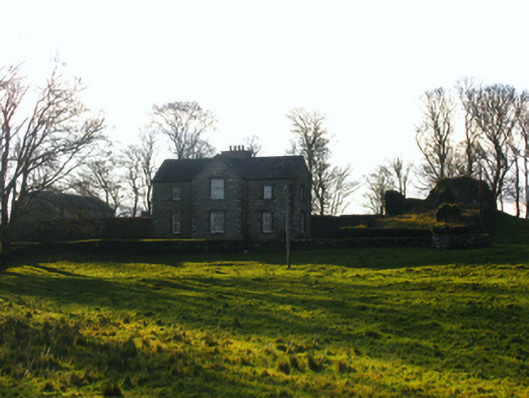
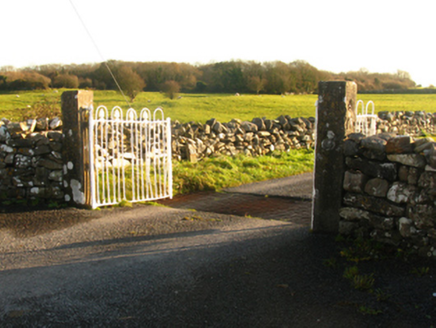
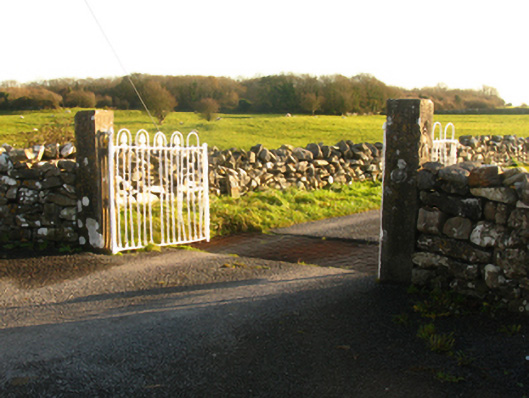
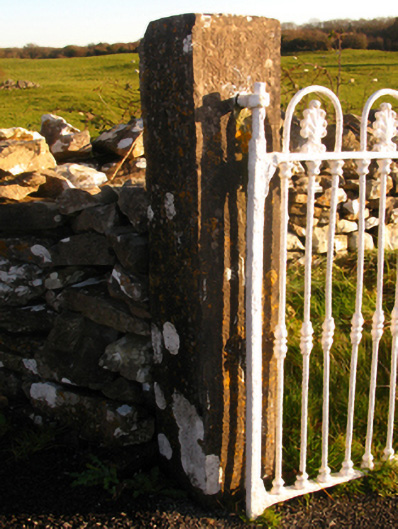
Detached three-bay two-storey part double-pile farmhouse, extant 1895, on a cruciform plan centred on single-bay full-height gabled breakfront with single-bay (two-bay deep) single-storey central return (west). Refenestrated. Pitched part double-pile (M-profile) slate roof on a T-shaped plan centred on pitched (gabled) slate roof with clay ridge tiles, central chimney stack on axis with ridge having corbelled stepped capping supporting terracotta pots, central rooflight to rear (west) pitch, and replacement uPVC rainwater goods on timber eaves boards on cut-limestone or rendered eaves. Tuck pointed rock faced limestone ashlar battered walls with drag edged rock faced cut-limestone flush quoins to corners. Square-headed window openings centred on square-headed window openings originally in bipartite arrangement[?] with lichen-covered cut-limestone sills, and drag edged rock faced cut-limestone block-and-start surrounds centred on keystones framing replacement uPVC casement windows. Set in landscaped grounds shared with Luffertaun Castle (extant 1603; in ruins 1838) with drag edged tooled cut-limestone monolithic piers to perimeter supporting looped cast-iron double gates.
Appraisal
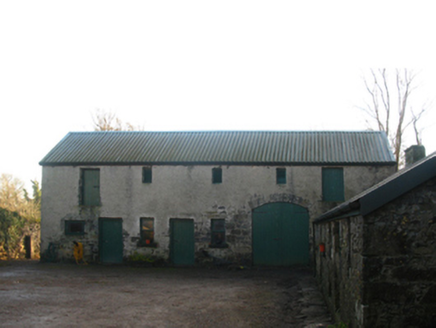
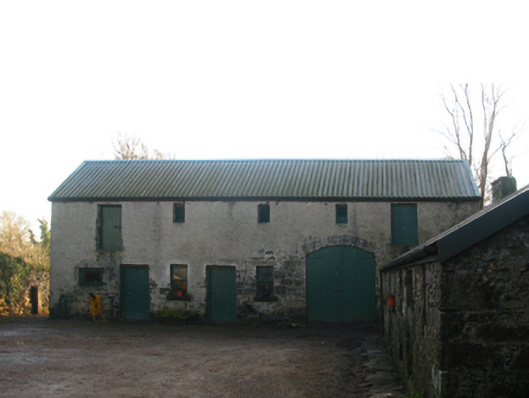
A farmhouse erected not only in the shadow of the medieval Luffertaun Castle (extant 1603; in ruins 1838), but also within the confines of its "walled down" bawn enclosure with the architectural value of the composition confirmed by such traits as the deliberate alignment maximising on panoramic vistas overlooking gently rolling grounds; the compact plan form centred on an expressed breakfront; the robust rock faced surface finish demonstrating good quality workmanship with deep grey limestone dressings compounding a sombre two-tone palette; the diminishing in scale of the openings on each floor producing a graduated visual impression; and the high pitched gabled roofline. Having been well maintained, the elementary form and massing survive intact together with substantial quantities of the original fabric, both to the exterior and to the interior: the introduction of replacement fittings to most of the openings, however, has not had a beneficial impact on the character or integrity of the composition. Nevertheless, adjacent outbuildings (extant 1895) continue to contribute positively to the group and setting values of a self-contained ensemble having historic connections with the Symington family including James Symington (b. 1832), 'Farmer' (NA 1901); and the Stoddart family including James Stoddart (b. 1876), 'Farmer' (NA 1911).