Survey Data
Reg No
31307027
Rating
Regional
Categories of Special Interest
Architectural, Artistic, Historical, Social, Technical
Original Use
Church/chapel
In Use As
Church/chapel
Date
1910 - 1920
Coordinates
125899, 297549
Date Recorded
10/11/2010
Date Updated
--/--/--
Description
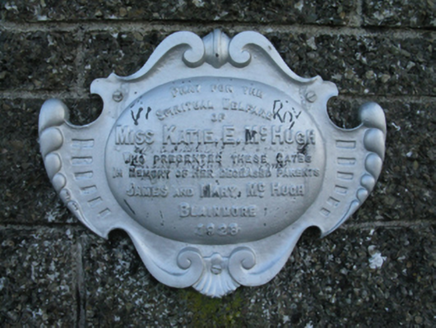
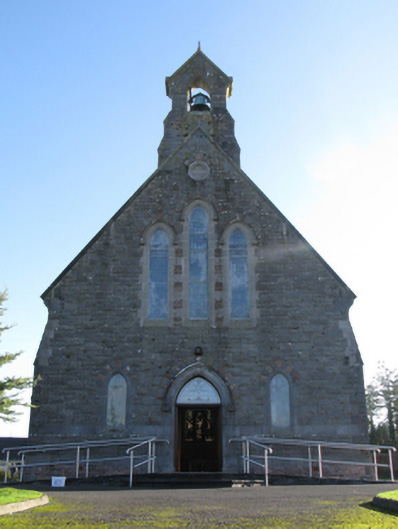
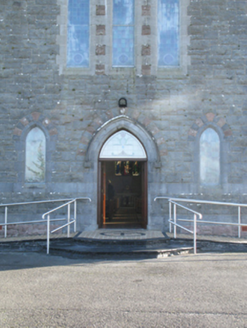
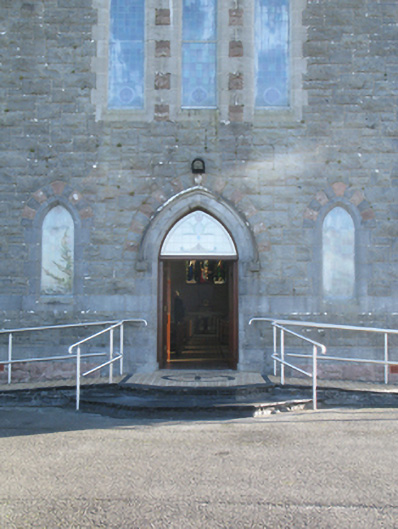
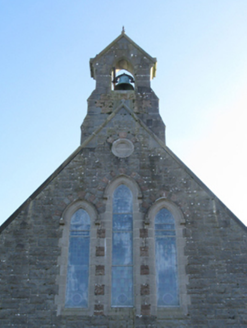
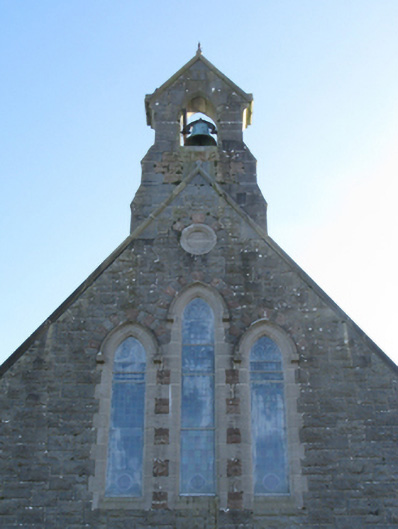
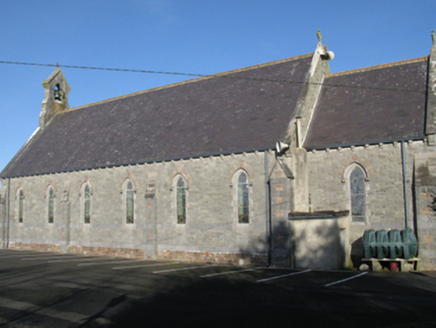
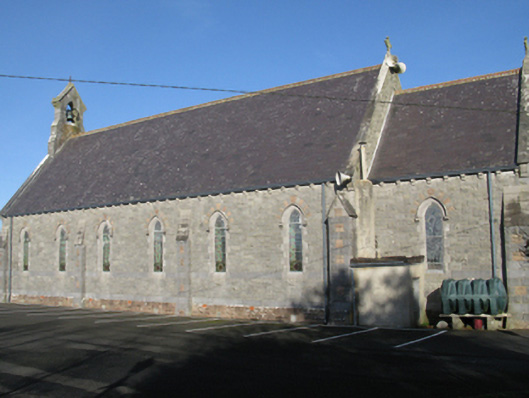
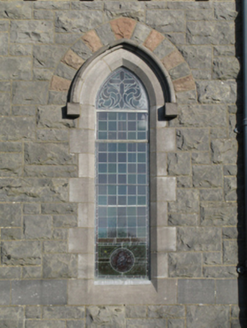
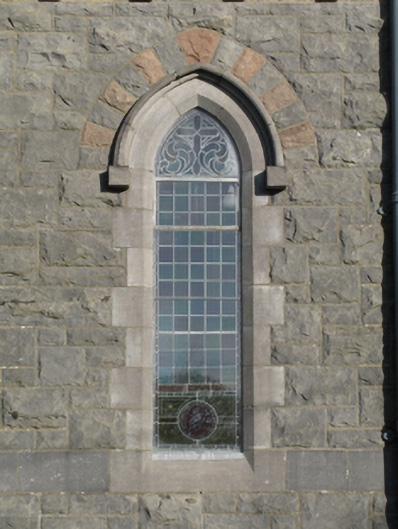
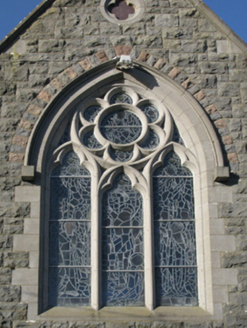
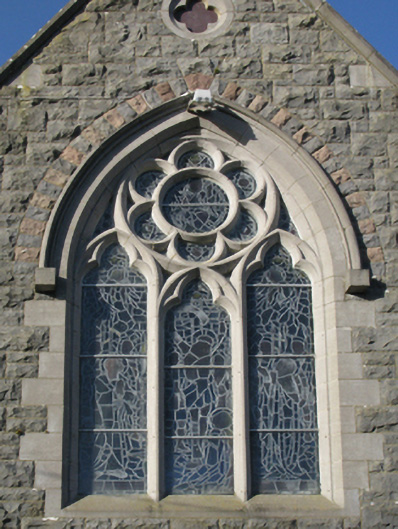
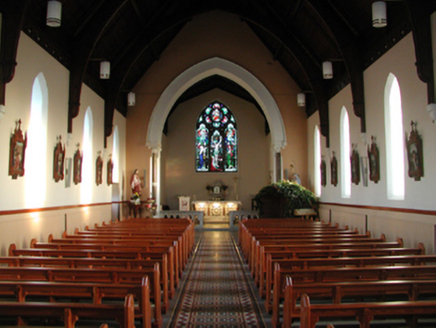
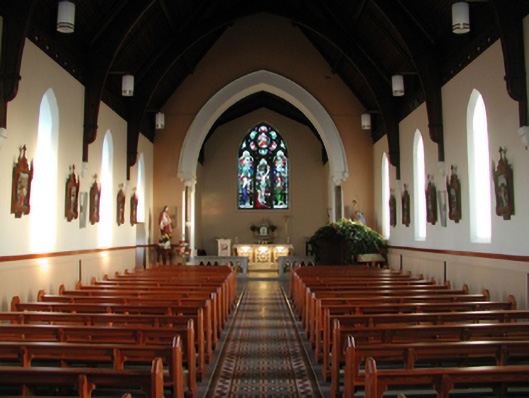
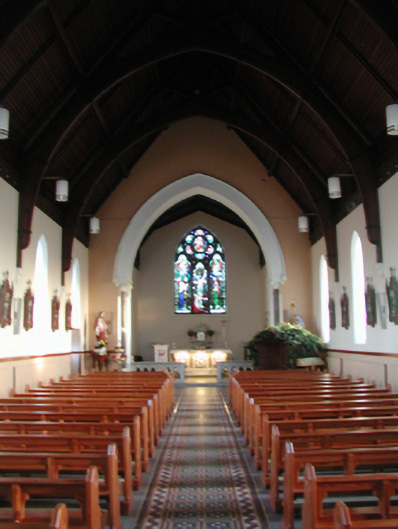
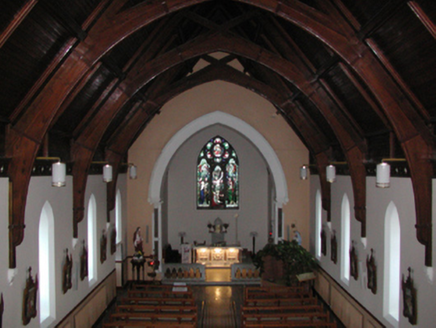
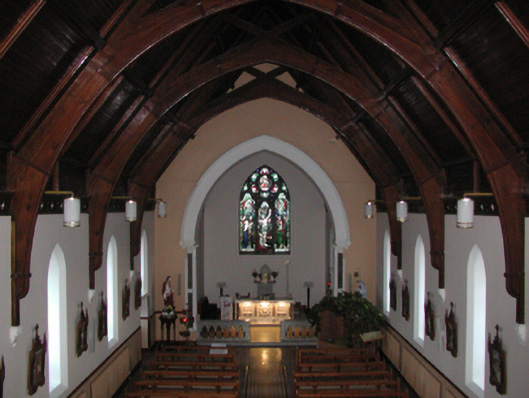
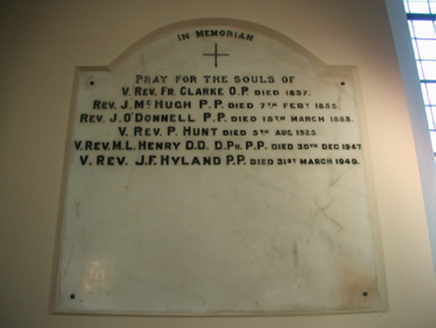
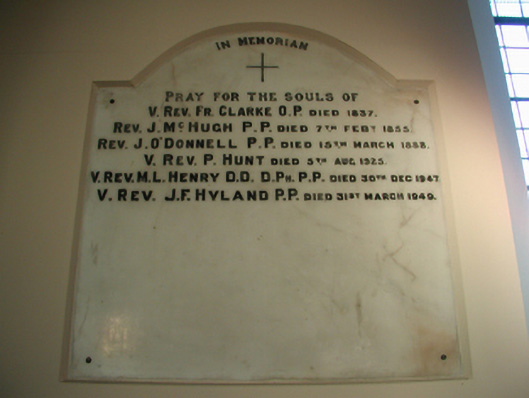
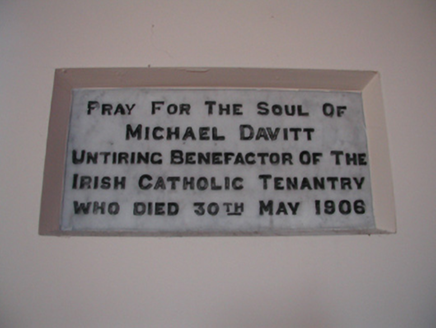
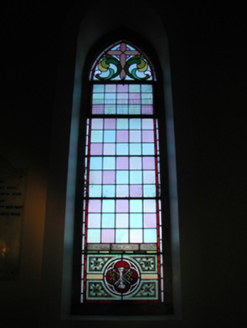
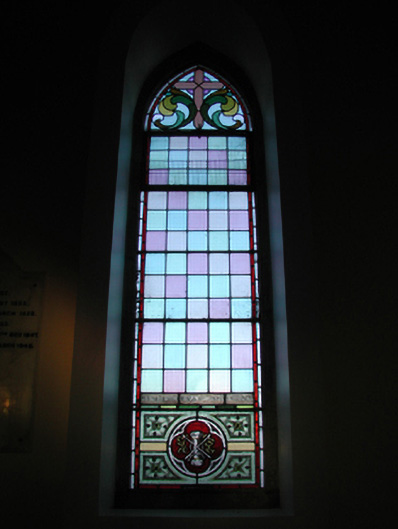
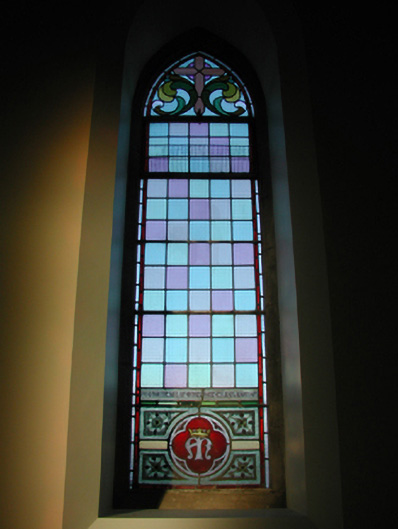
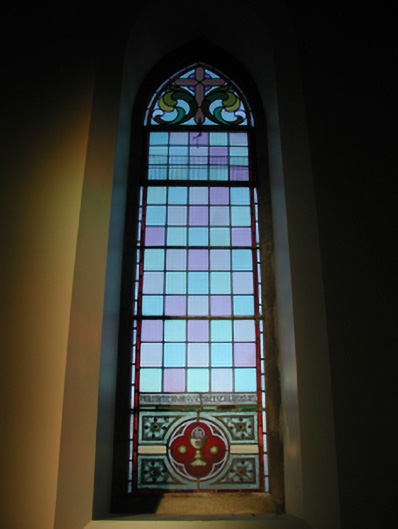
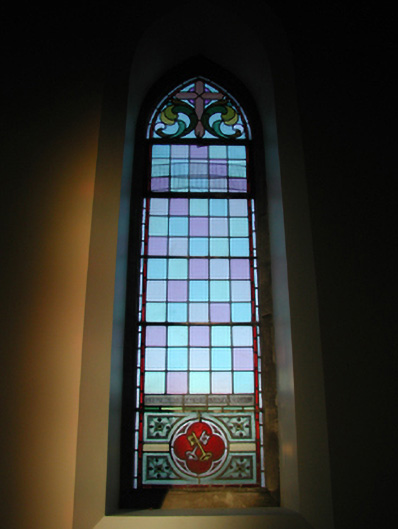
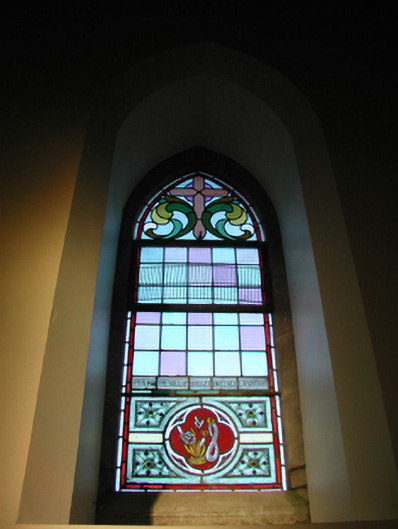
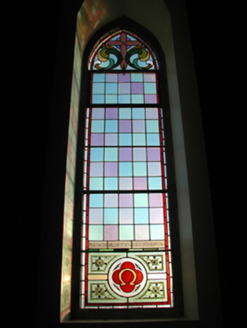
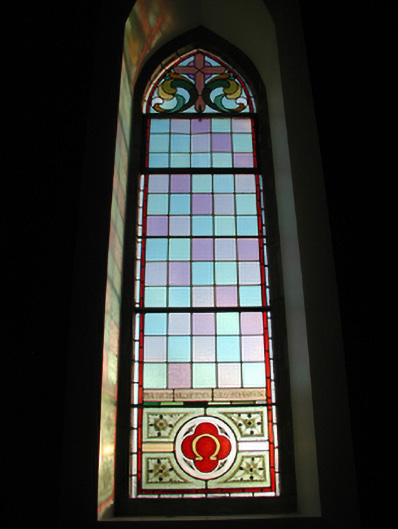
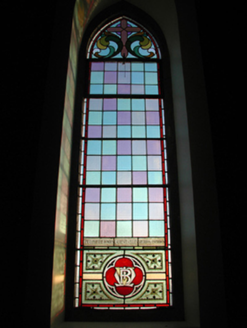
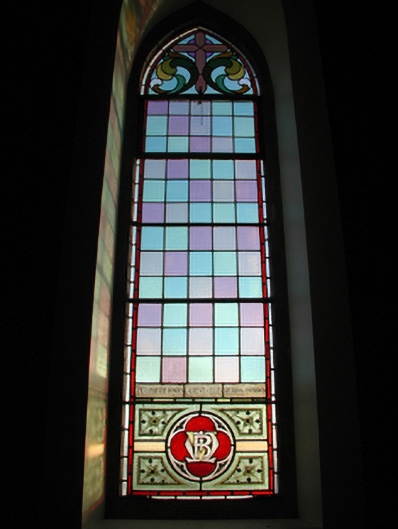
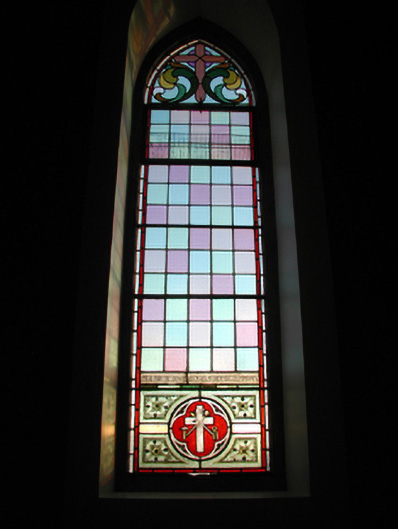
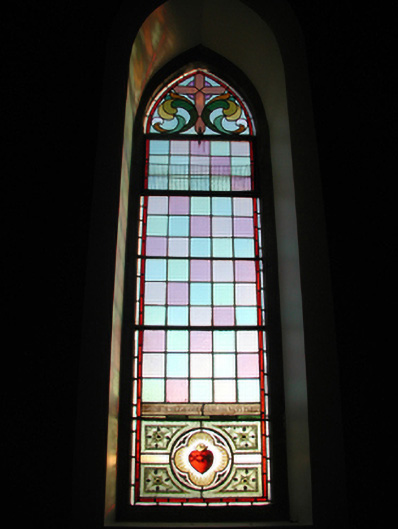
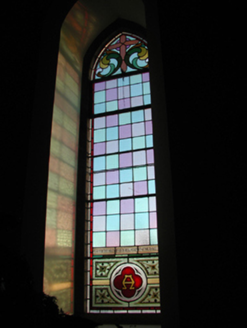
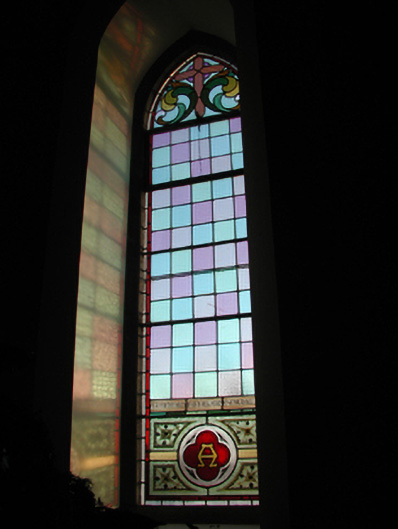
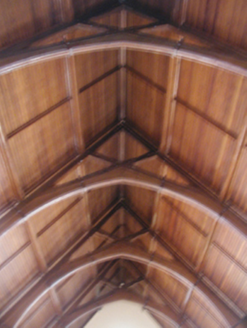
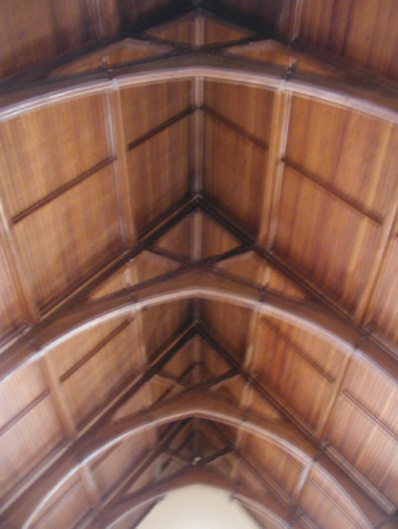
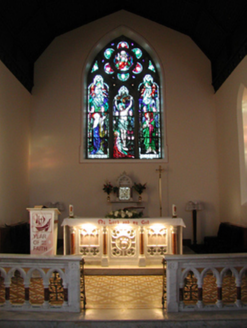
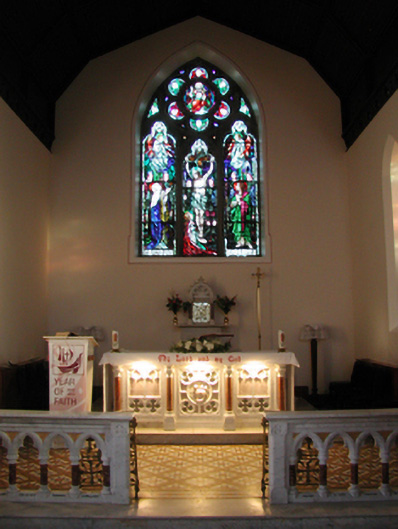
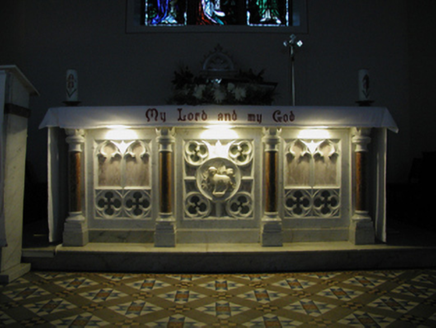
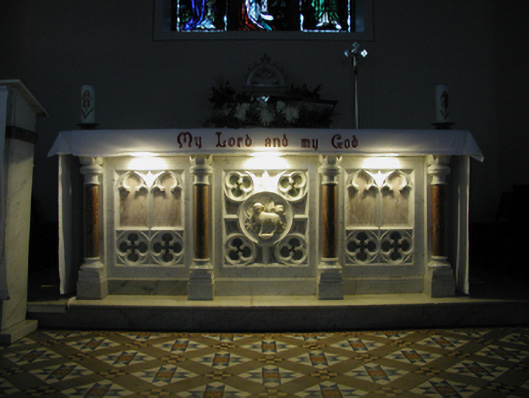
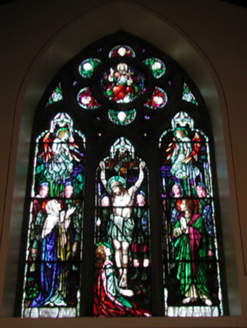
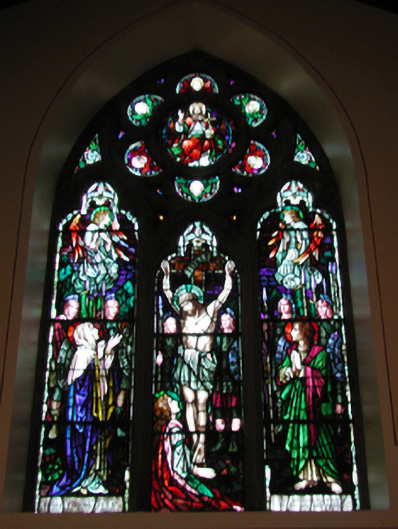
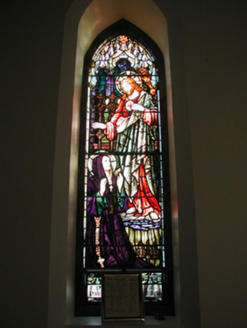
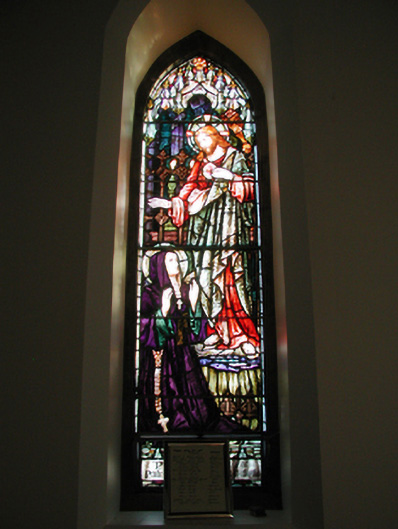
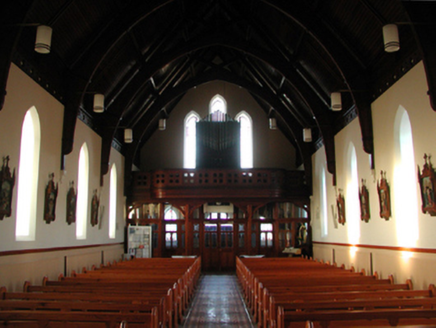
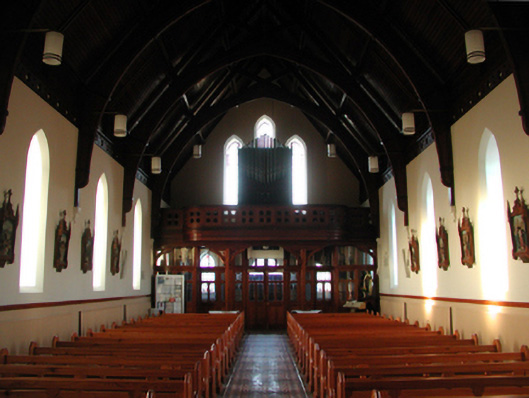
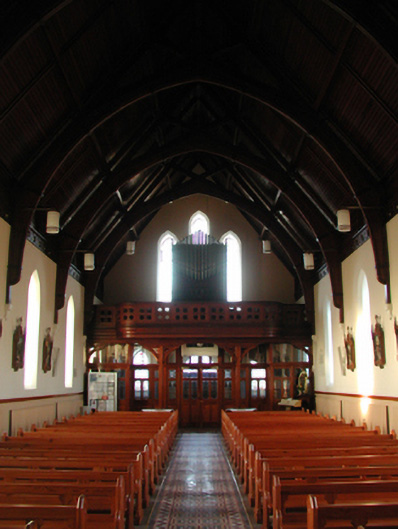
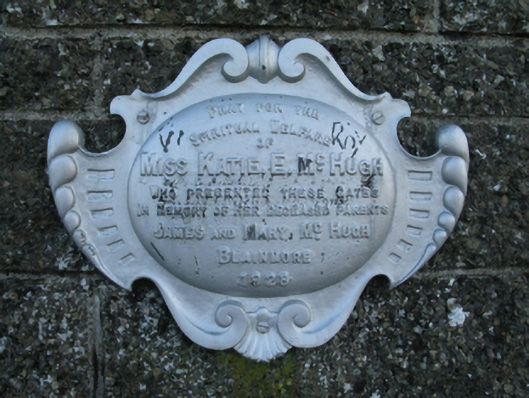
Detached seven-bay double-height Catholic church, designed 1913; built 1914-6; dedicated 1916, on a rectangular plan comprising six-bay double-height nave opening into single-bay double-height chancel (east). Restored, 2010. Pitched slate roofs with trefoil-perforated crested terracotta ridge tiles, lichen-covered dragged cut-limestone coping to gables on dragged cut-limestone ogee kneelers including lichen-covered dragged cut-limestone coping to gable to entrance (west) front on dragged cut-limestone ogee kneelers with drag edged dragged cut-limestone buttressed gabled bellcote to apex framing embossed cast-bronze bell ("----"), and cast-iron rainwater goods on dragged cut-limestone "Cavetto" corbels retaining cast-iron downpipes. Tuck pointed snecked rock faced limestone walls on drag edged tooled cut-limestone cushion course on tuck pointed snecked rock faced sandstone battered plinth with drag edged rock faced cut-limestone buttresses including drag edged rock faced cut-limestone buttresses to corners having drag edged dragged cut-limestone "slated" coping. Lancet window openings, drag edged dragged cut-limestone block-and-start surrounds having chamfered reveals with hood moulding on monolithic label stops framing fixed-pane fittings having stained glass margins centred on square glazing bars. Pointed-arch window opening (east) with dragged cut-limestone mullions, and drag edged dragged cut-limestone block-and-start surround having chamfered reveals with hood moulding on label stops framing storm glazing over fixed-pane fittings having leaded stained glass panels. Lancet window openings ("cheeks"), drag edged dragged cut-limestone block-and-start surrounds having chamfered reveals with hood moulding on label stops framing storm glazing over fixed-pane fittings having leaded stained glass panels. Pointed-arch door opening to entrance (west) front, drag edged dragged cut-limestone block-and-start surround having chamfered reveals with hood moulding on monolithic label stops framing timber boarded double doors having overlight. Lancet flanking window openings with drag edged dragged cut-limestone block-and-start surrounds having chamfered reveals framing storm glazing over fixed-pane fittings having stained glass margins centred on square glazing bars. Lancet "Trinity Window" (gable), drag edged dragged cut-limestone block-and-start surrounds having chamfered reveals with hood mouldings on monolithic label stops framing storm glazing over fixed-pane fittings having stained glass margins centred on square glazing bars. Interior including vestibule (west) retaining encaustic tiled floor; square-headed door opening into nave with glazed timber panelled double doors having sidelights on panelled risers below overlight; full-height interior open into roof restored, 2010, with cut-veined white marble wall monuments (1837; 1949), quatrefoil-detailed timber organ gallery (west) on chamfered timber posts supporting Gothic-style timber panelled pipe organ below "Trinity Window", encaustic tiled central aisle between quatrefoil-detailed timber pews, paired Gothic-style timber stations between stained glass memorial windows (----), exposed pointed-arch braced scissor truss timber roof construction on "Bowtell" corbels with wind braced timber boarded ceiling in carved timber frame on carved timber cornice on quatrefoil-perforated frieze, and pointed-arch chancel arch framing encaustic tiled cut-veined white marble stepped dais to sanctuary (east) retaining arcaded memorial communion railings (1916) centred on cut-veined white marble Gothic-style altar below stained glass memorial "East Window" (1916). Set in landscaped grounds on an elevated site with cast-iron chamfered piers to perimeter having trefoil-detailed roll moulded gabled capping supporting cast-iron double gates.
Appraisal
A church erected to designs (1913; 1916) by William Henry Byrne and Son (formed 1902) of Suffolk Street, Dublin (DIA), representing an important component of the early twentieth-century built heritage of County Mayo with the architectural value of the composition, one recalling the Byrne-designed Catholic Church of Saint Patrick and Saint Bridget (designed 1912; completed 1918) in County Wexford, confirmed by such attributes as the rectilinear plan form, aligned along a liturgically-correct axis; the robust rock faced surface finish offset by sheer limestone dressings not only demonstrating good quality workmanship, but also compounding a sober two-tone palette; the slender profile of the openings underpinning a "medieval" Hard Gothic theme with the chancel defined by an elegant "East Window"; and the handsome bellcote embellishing the roofline as a picturesque eye-catcher in the landscape. Having been well maintained, the elementary form and massing survive intact together with substantial quantities of the original fabric, both to the exterior and to the interior where contemporary joinery; restrained stained glass; a modified high altar; and the jewel-like Canning Memorial "East Window" ordered (1915) from Joshua Clarke and Sons (established 1892) of South Frederick Street, Dublin, all highlight the artistic potential of the composition: meanwhile, an exposed timber roof construction pinpoints the engineering or technical dexterity of a church forming part of a self-contained group alongside an adjacent chapel (see 31307029) with the resulting ecclesiastical ensemble making a pleasing visual statement in a rural street scene.