Survey Data
Reg No
31305701
Rating
Regional
Categories of Special Interest
Architectural, Artistic
Original Use
Hunting/fishing lodge
Historical Use
Guest house/b&b
Date
1845 - 1850
Coordinates
97203, 301271
Date Recorded
09/12/2010
Date Updated
--/--/--
Description
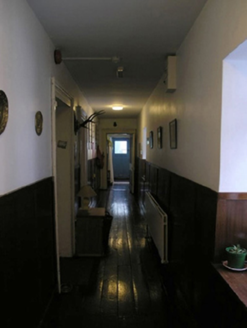
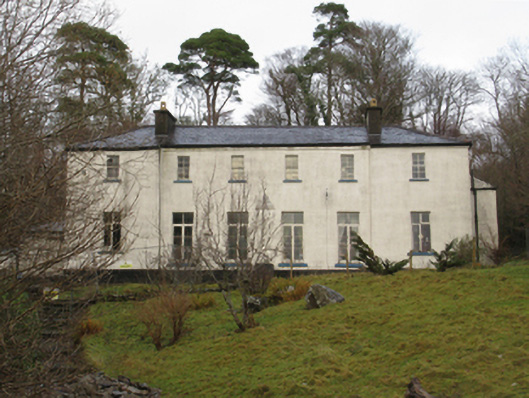
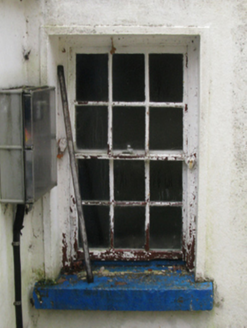
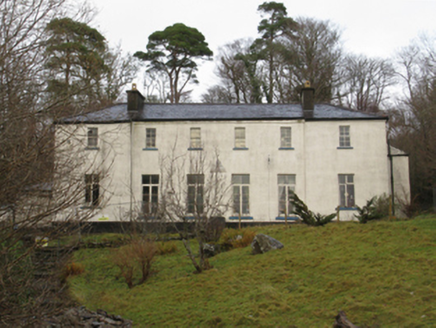
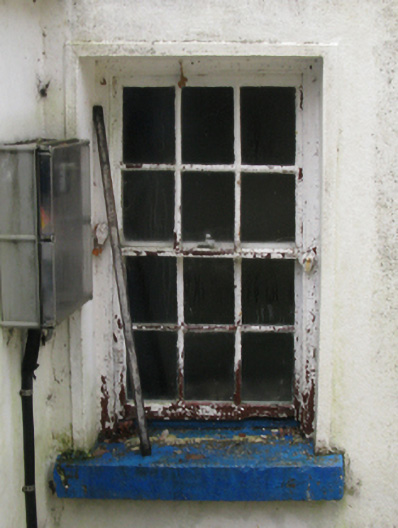
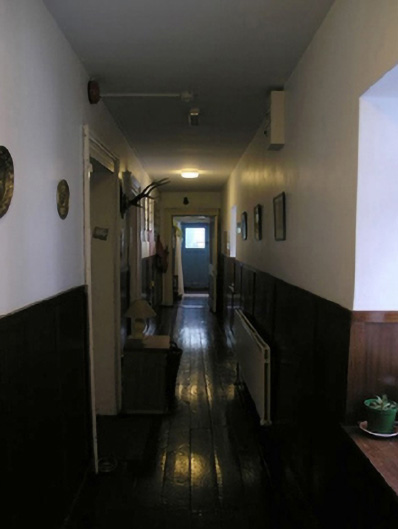
Detached six-bay two-storey sporting lodge, built 1849, on a rectangular plan with single-bay two-storey advanced end bays. Adapted to alternative use, 1980. Vacant, 2010. Hipped slate roof with terracotta ridge tiles, rendered chimney stacks having concrete capping supporting yellow terracotta pots, and cast-iron rainwater goods on timber eaves boards on rendered eaves with cast-iron downpipes. Rendered walls bellcast over rendered plinth. Square-headed central window openings with sills, and concealed dressings framing timber casement windows having overlights. Square-headed window openings (end bays) with sills, and concealed dressings framing timber casement windows having overlights. Square-headed window openings (first floor) with sills, and concealed dressings framing four-over-four timber sash windows. Paired square-headed window openings (side elevations) with sills, and concealed dressings framing six-over-six timber sash windows. Interior including (ground floor): spinal corridor retaining carved timber surrounds to door openings framing timber panelled doors; (first floor): carved timber surrounds to door openings framing timber panelled doors with carved timber surrounds to window openings framing timber panelled shutters. Set in wooded grounds.
Appraisal
A sporting lodge representing an integral component of the mid nineteenth-century built heritage of County Mayo with the architectural value of the composition, one recalling the earlier Delphi (1820) in Tawnyinlough (see 31311501), suggested by such attributes as the rectilinear plan form; and the dramatic diminishing in scale of the openings on each floor producing a graduated tiered visual effect. A period of neglect notwithstanding, the form and massing survive intact together with substantial quantities of the original fabric, both to the exterior and to the restrained interior, thus upholding much of the character of a sporting lodge making a pleasing visual statement in a wooded setting overlooking Lough Feeagh. NOTE: Treanlaur Lodge was built by Peter Denis Browne (1825-83) on a site leased from George John Browne (1820-86), third Marquess of Sligo, and was described (27th October 1853) as '4 years built' and valued at £7 10s. 2d. including a deduction of 14s. 'for bad road to House and for distance from Town' (Primary Valuation of Ireland). Peter Denis Browne paid 6d. per annum for fishing rights but brought George John Browne to court when a new draft lease (15th June 1858) gave all fishing rights to the Marquess of Sligo. Peter Denis Browne subsequently assigned his lease of Treanlaur Lodge to Captain Charles Henry Laprimaudaye (1839-1923) of Kensington [Westport Estate Papers MS 40,969/1-9].