Survey Data
Reg No
31303901
Rating
Regional
Categories of Special Interest
Architectural, Artistic, Historical, Social, Technical
Original Use
Church/chapel
In Use As
Church/chapel
Date
1840 - 1845
Coordinates
120241, 315275
Date Recorded
25/01/2011
Date Updated
--/--/--
Description
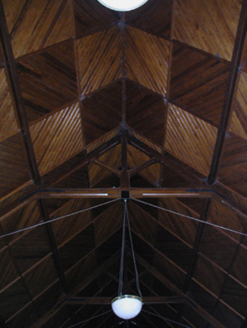
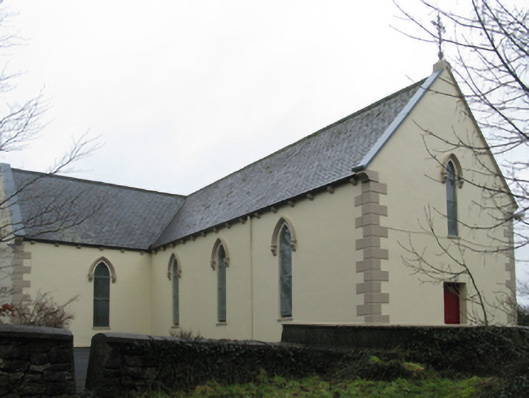
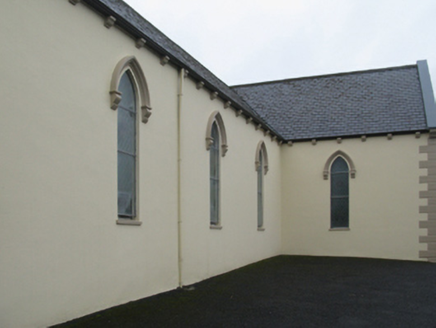
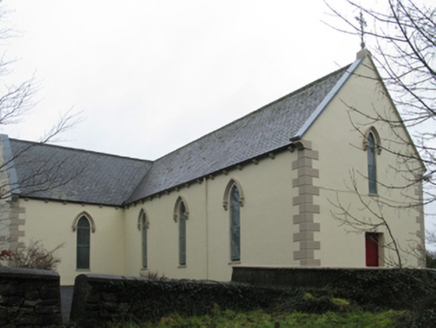
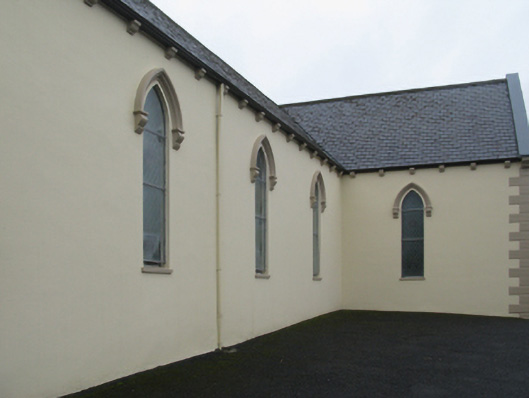
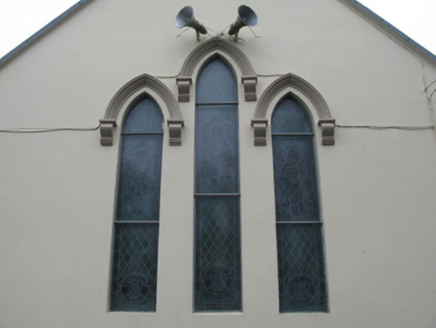
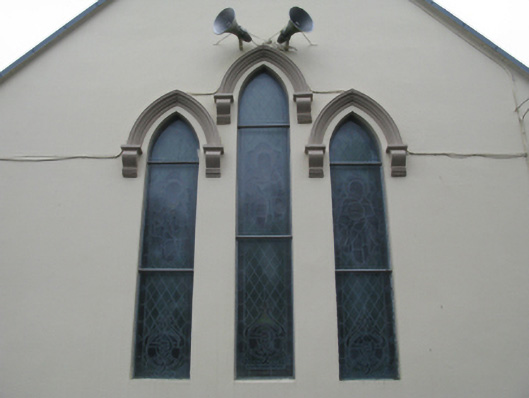
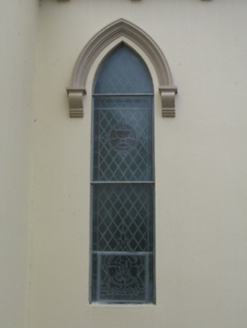
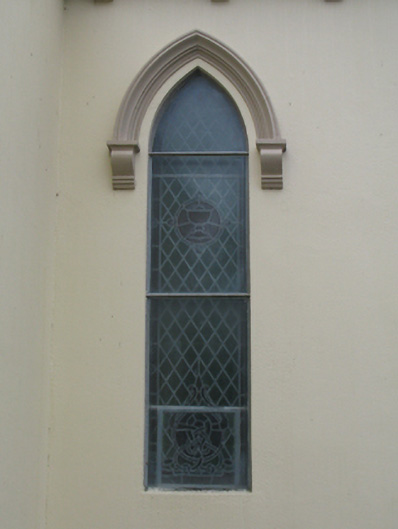
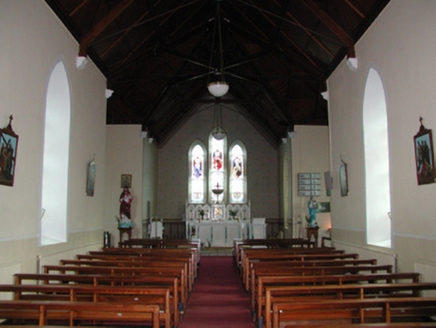
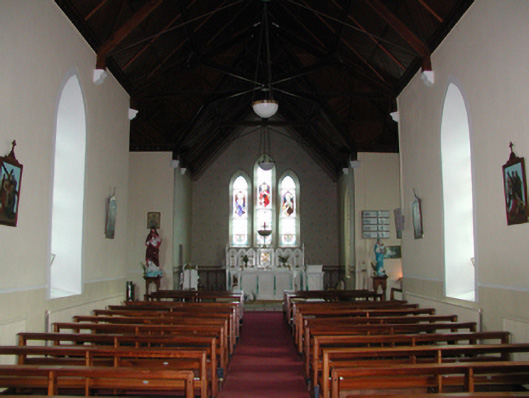
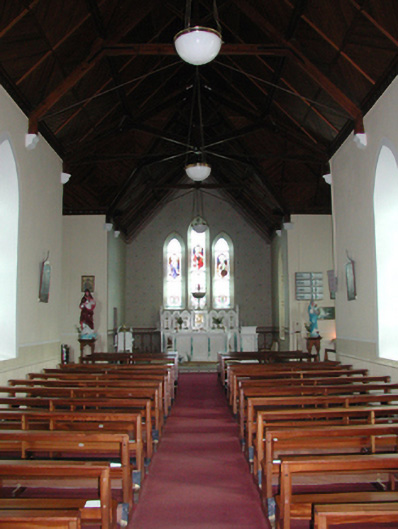
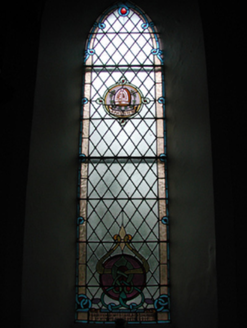
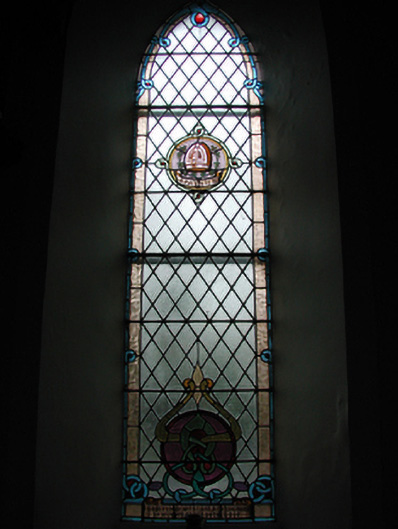
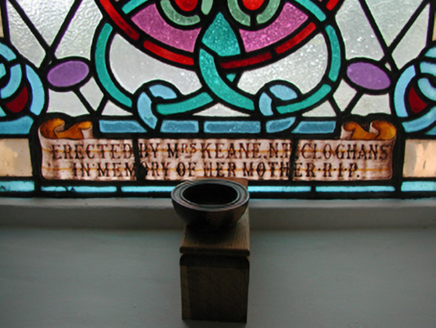
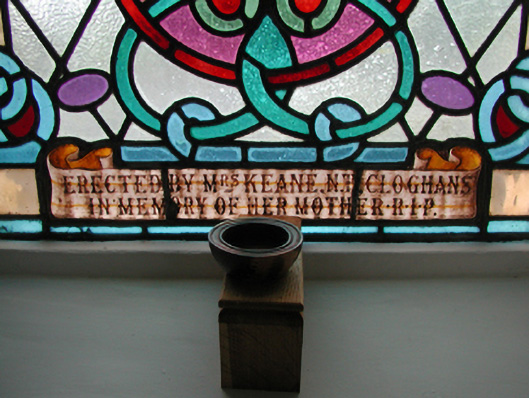
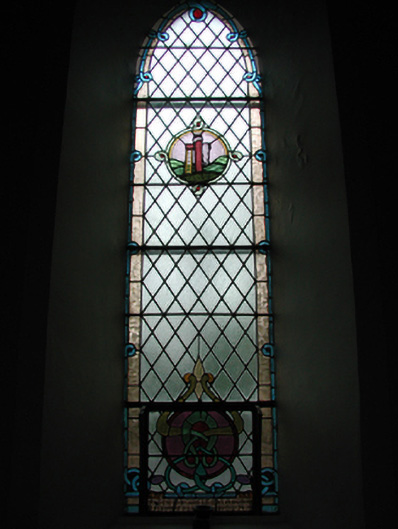
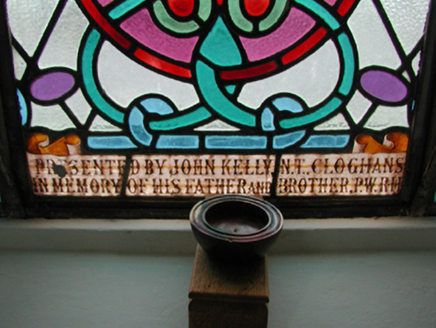
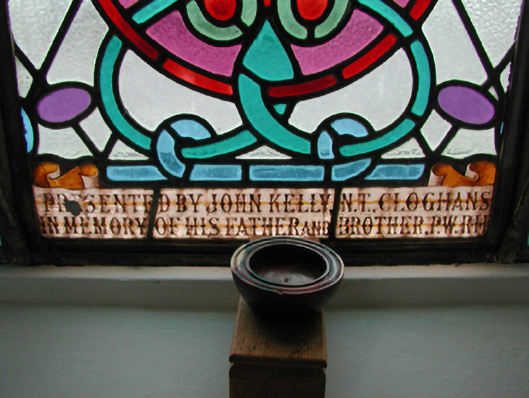
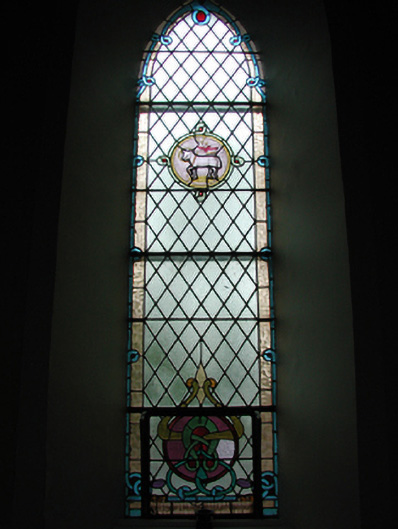
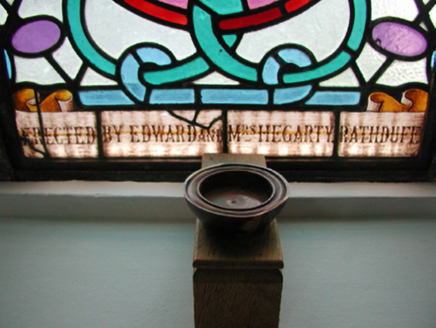
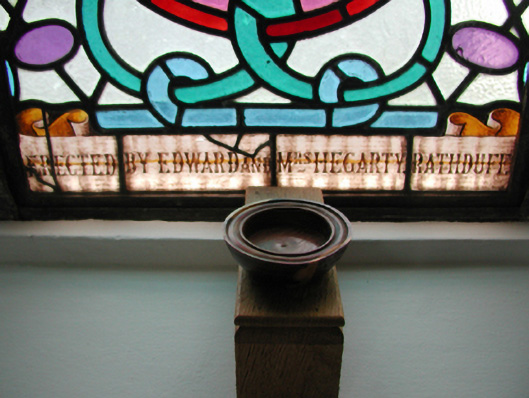
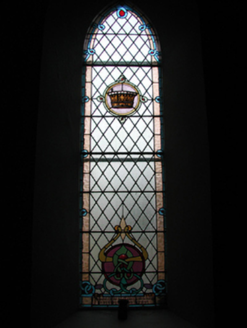
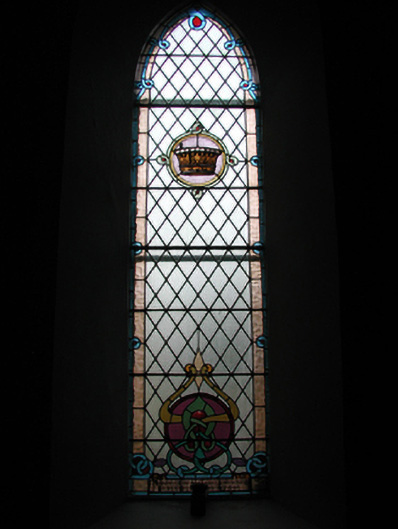
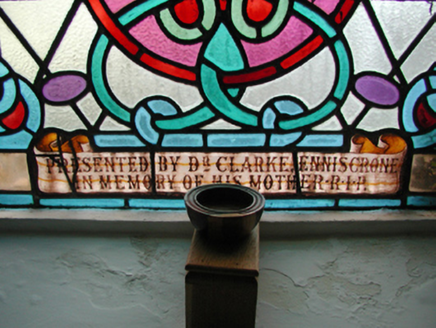
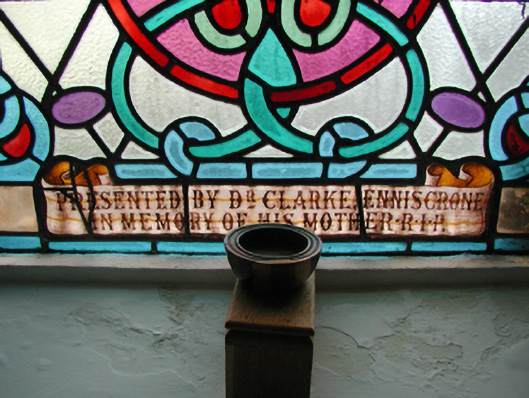
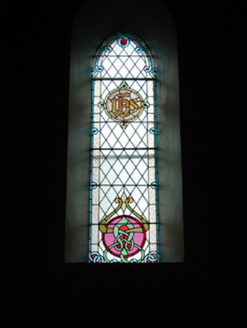
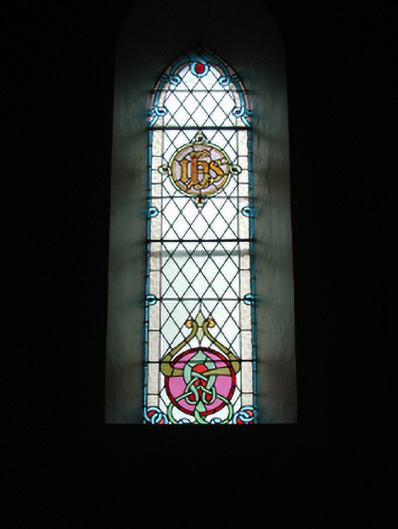
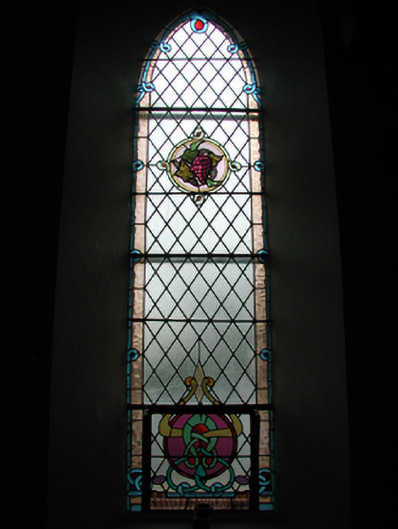
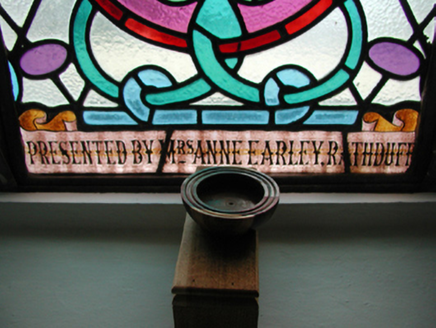
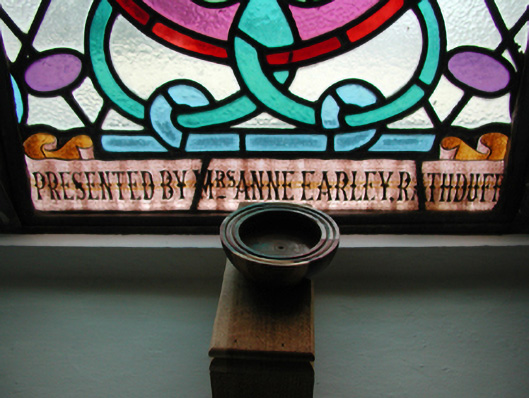
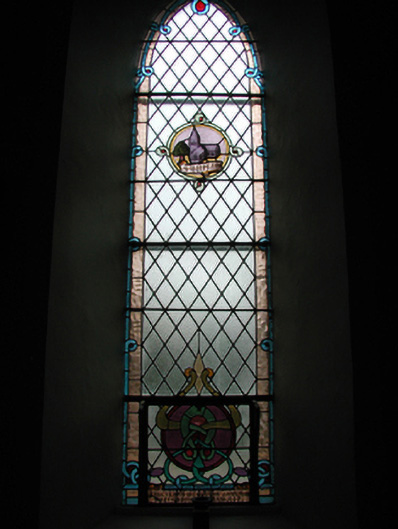
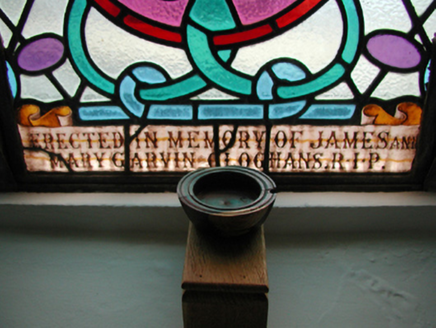
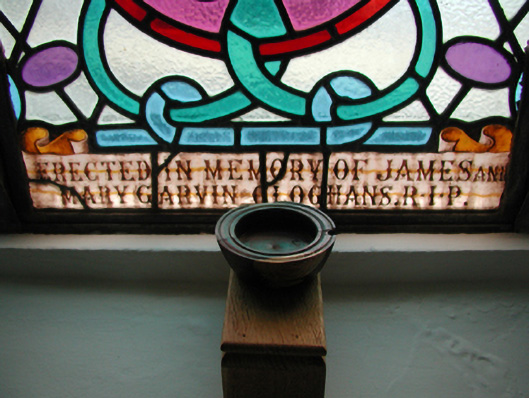
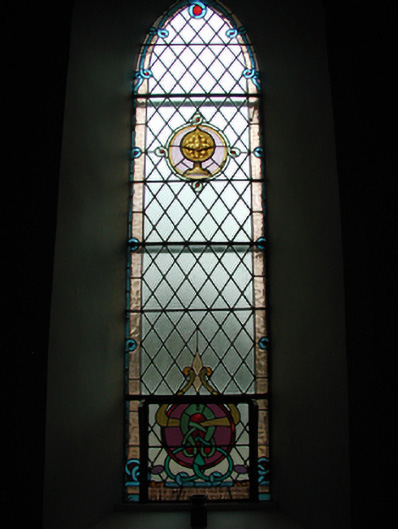
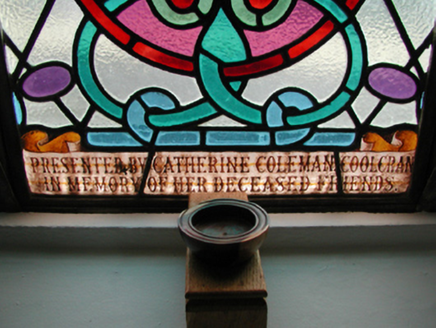
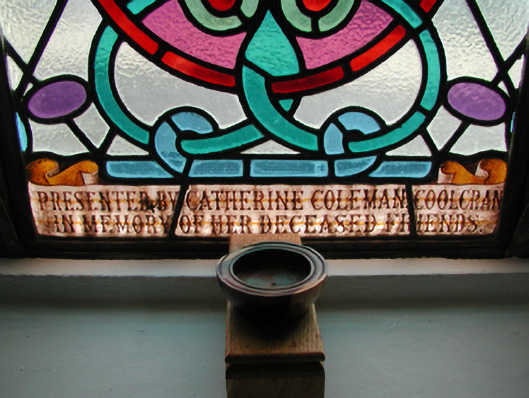
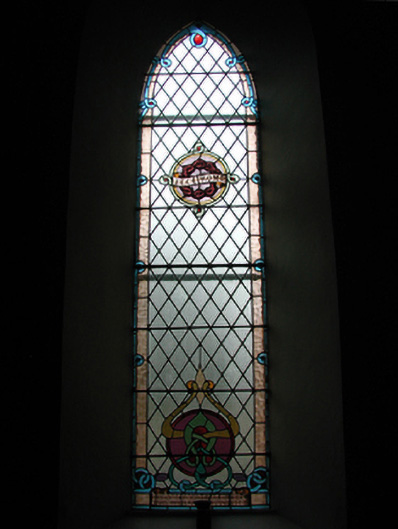
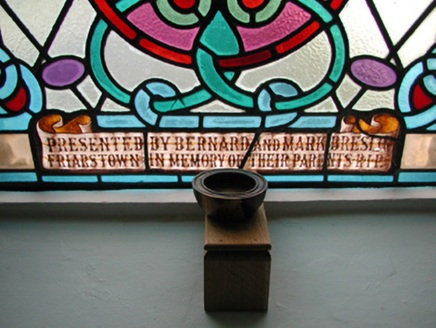
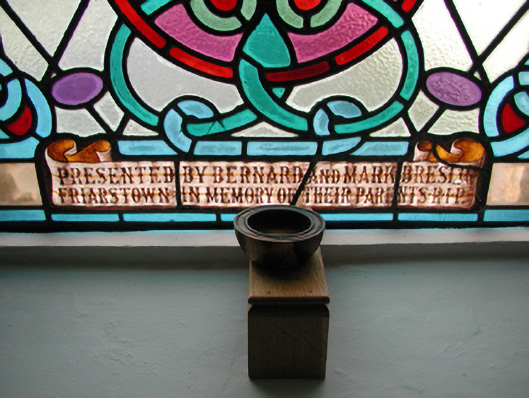
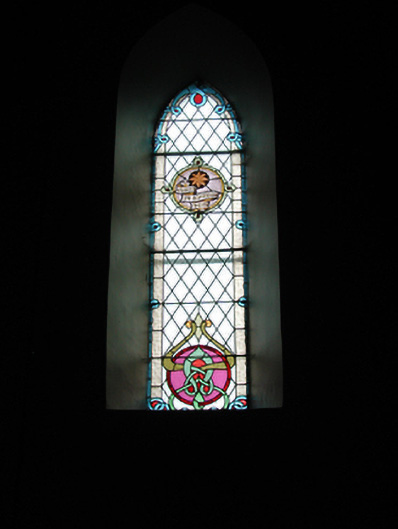
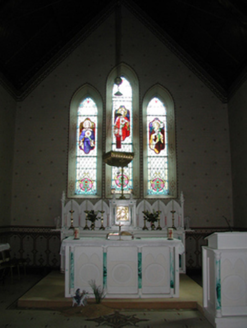
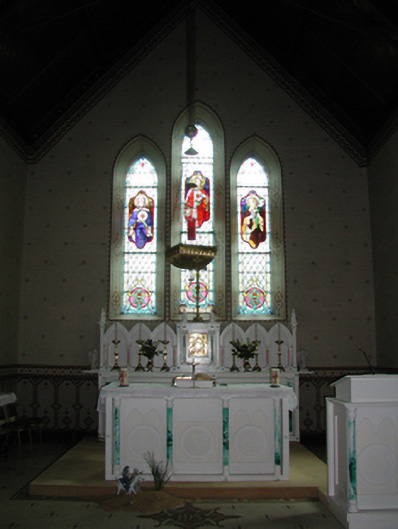
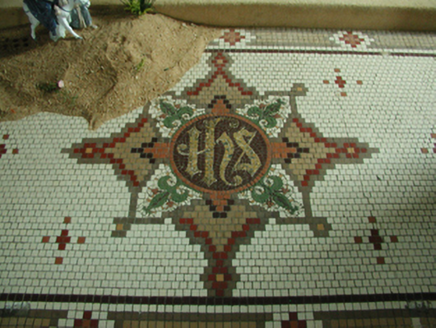
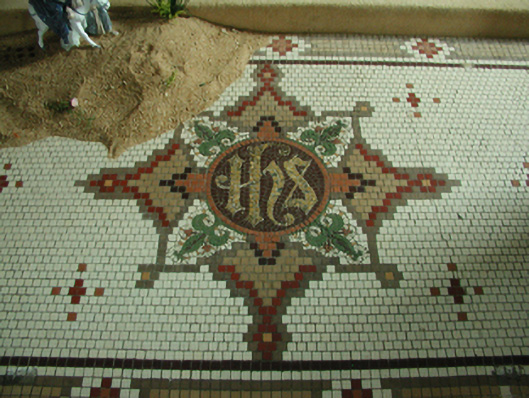
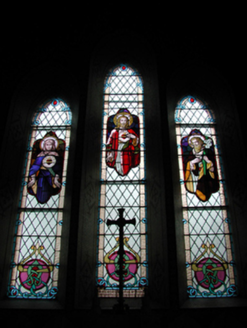
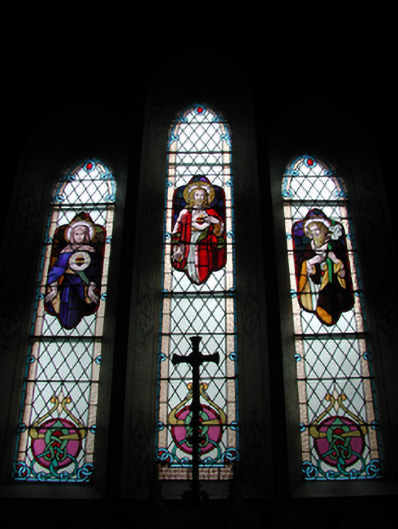
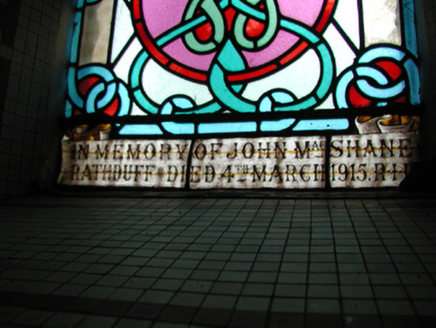
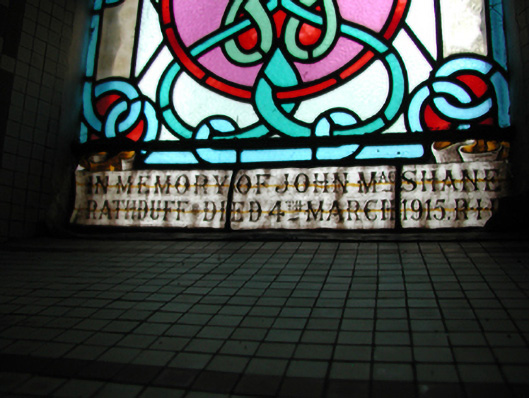
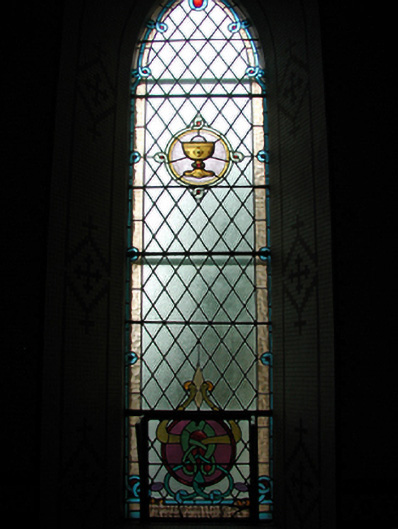
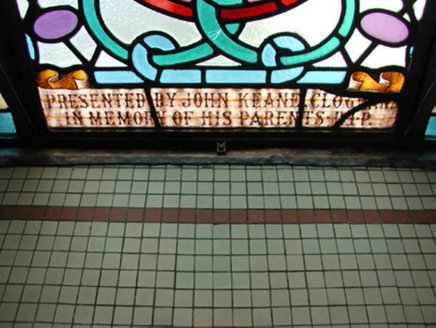
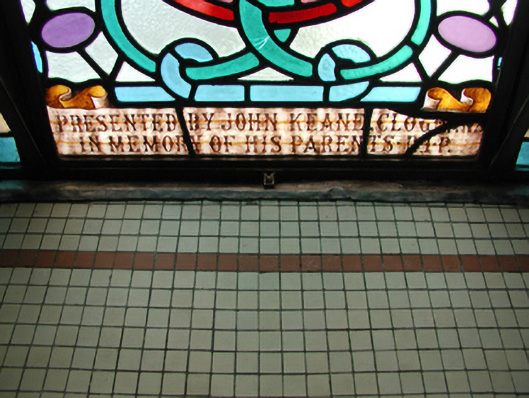
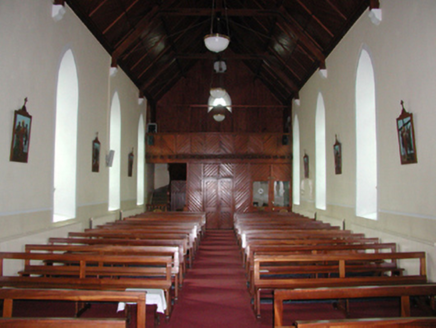
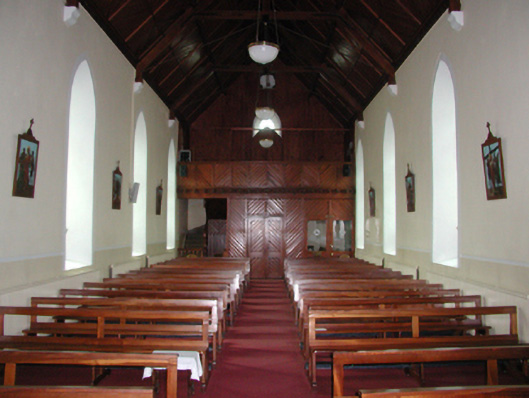
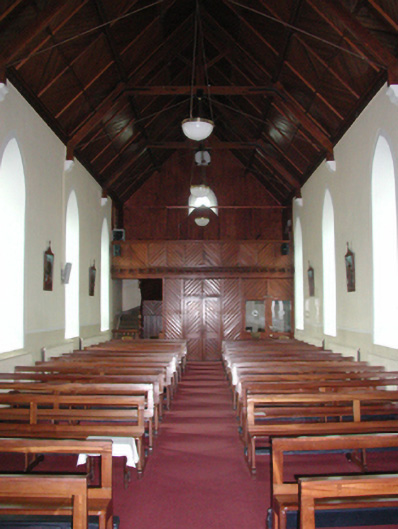
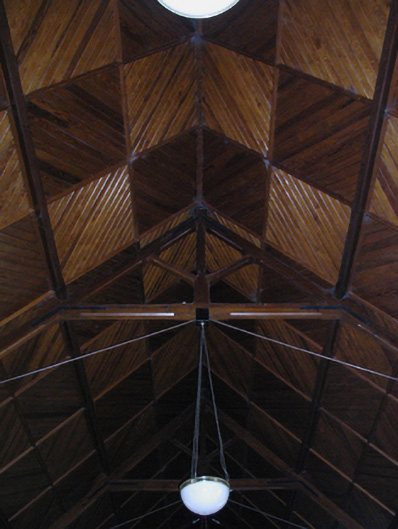
Detached five-bay double-height Catholic church, built 1842, on a cruciform plan comprising three-bay double-height nave opening into single-bay (single-bay deep) double-height transepts centred on single-bay double-height chancel to crossing (east). Renovated, 1916, with interior "improved". Renovated, ----, with sanctuary reordered. Pitched slate roof on a cruciform plan with roll moulded clay ridge tiles, iron-covered concrete coping to gables on "Cavetto" kneelers including iron-covered concrete coping to gable to entrance (west) front on "Cavetto" kneelers with wrought iron Cross finial to apex, and replacement uPVC rainwater goods on rendered eaves on "Cyma Recta" or "Cyma Reversa" consoles. Rendered walls with rusticated rendered quoins to corners. Lancet window openings with concrete sills, and concealed dressings with hood mouldings on console label stops framing storm glazing over fixed-pane fittings having stained glass margins centred on leaded stained glass roundels. Lancet "Trinity Window" (east), concealed dressings with hood mouldings on console label stops framing storm glazing over fixed-pane fittings having stained glass margins centred on leaded stained glass panels. Square-headed door opening to entrance (west) front with concealed dressings framing timber boarded or tongue-and-groove timber panelled double doors. Lancet window opening (gable) with concrete sill, and concealed dressings with hood moulding on console label stops framing storm glazing over fixed-pane fittings having stained glass margins centred on leaded stained glass roundel. Interior including vestibule (west); square-headed door opening into nave with diagonal timber boarded or tongue-and-groove timber panelled double doors; full-height interior open into roof with diagonal timber boarded or tongue-and-groove timber panelled choir gallery (west), carpeted central aisle between timber pews, timber stations between memorial windows (----), mosaic tiled stepped dais to sanctuary to crossing (east) reordered, ----, with carpeted stepped "predella" supporting replacement Gothic-style altar fittings (2004; installed 2006) below stained glass memorial "Trinity Window" (----) in mosaic tiled surround, and exposed strutted collared timber roof construction on "Cyma Recta" or "Cyma Reversa" corbels with wind braced diagonal timber boarded or tongue-and-groove timber panelled ceiling in carved timber frame on perforated frieze. Set in landscaped grounds on a slightly elevated site.
Appraisal
A church representing an integral component of the mid nineteenth-century ecclesiastical heritage of County Mayo with the architectural value of the composition, one evoking favourable comparisons with the contemporary Catholic Church of Christ the King (1837-45), Knockmore (see 31304801), suggested by such attributes as the cruciform plan form, aligned along a skewed liturgically-correct axis; and the slender profile of the openings underpinning a streamlined "medieval" Gothic theme with the chancel defined by an elegant "Trinity Window". Having been well maintained, the elementary form and massing survive intact together with quantities of the original fabric, both to the exterior and to the interior allegedly "improved" (1916) to a design by William Henry Byrne and Son (formed 1902) of Suffolk Street, Dublin (Irish Builder 26th February 1916, 103), where timber fittings; memorial windows; and mosaic work, all highlight the artistic potential of the composition: meanwhile, an exposed timber roof construction pinpoints the engineering or technical dexterity of a church making a pleasing visual statement in a sylvan street scene.