Survey Data
Reg No
31303010
Rating
Regional
Categories of Special Interest
Architectural, Historical, Social
Previous Name
Deel Castle
Original Use
Church/chapel
Date
1794 - 1806
Coordinates
119132, 318681
Date Recorded
25/02/2011
Date Updated
--/--/--
Description
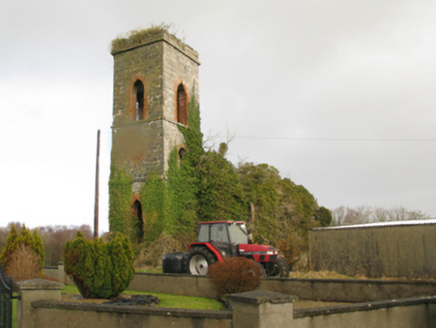
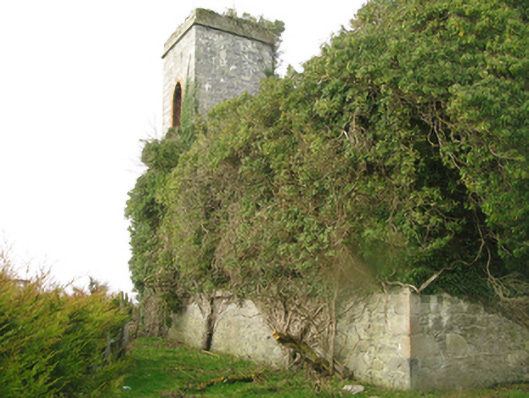
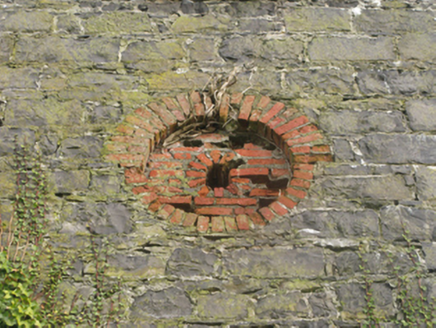
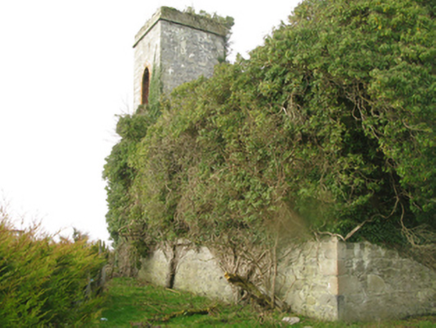
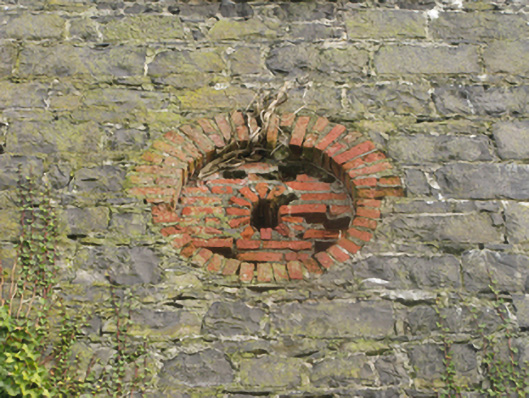
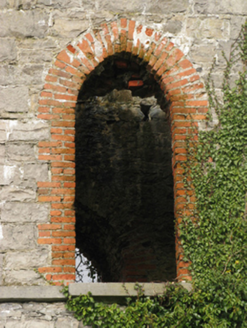
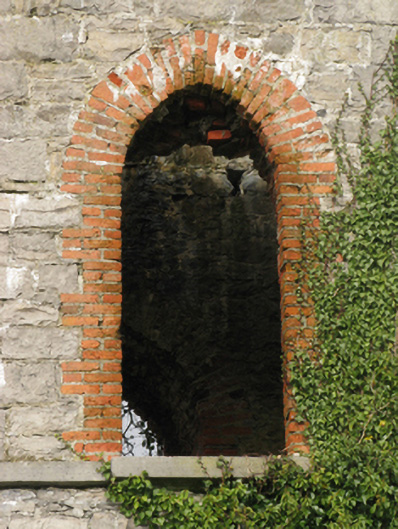
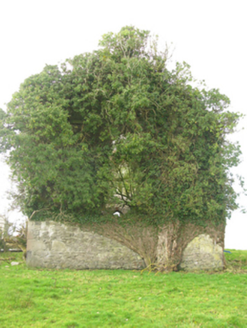
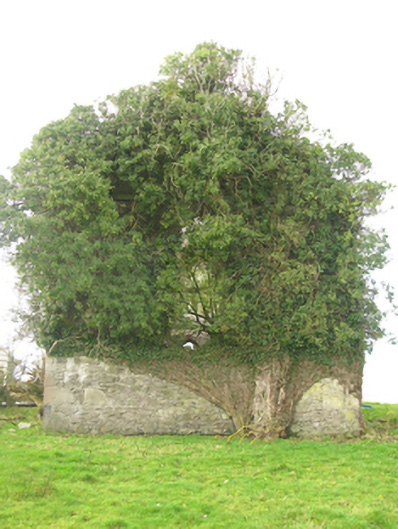
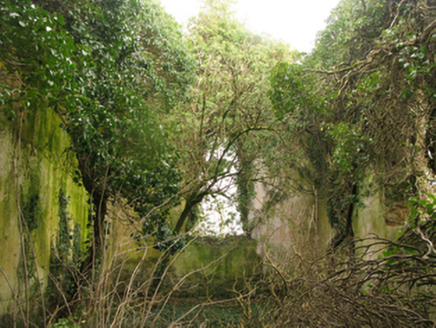
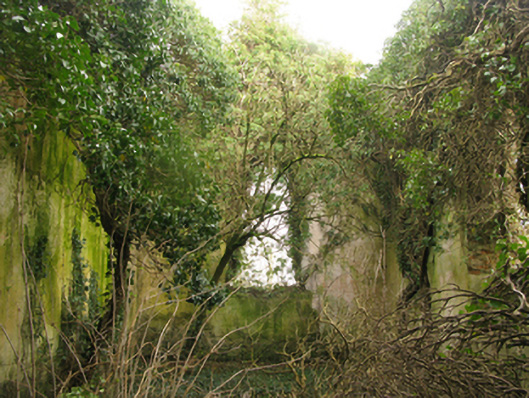
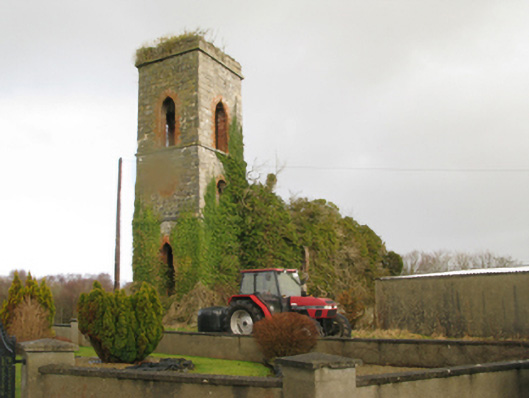
Detached two-bay double-height single-cell Board of First Fruits Episcopal Church of Ireland church, unfinished 1806, on a rectangular plan with single-bay three-stage tower to entrance (west) front on a square plan. In ruins, 1896. Overgrown coursed rubble limestone battered walls with tooled hammered or rough hewn limestone flush quoins to corners; part creeper- or ivy-covered coursed or snecked limestone walls (tower) with drag edged dragged cut-limestone stringcourses including drag edged dragged cut-limestone stringcourse (bell stage) supporting parapet. Pointed-arch window openings including pointed-arch window opening (east) with drag edged dragged cut-limestone sills, and red brick block-and-start surrounds with no fittings surviving. Lancet window opening (tower) with overgrown drag edged dragged cut-limestone sill, and red brick block-and-start surround with no fitting surviving. Roundels (second stage) with red brick voussoir surrounds. Lancet openings (bell stage) with drag edged dragged cut-limestone sills, and red brick block-and-start surrounds with no fittings surviving. Interior in ruins. Set back from line of road at entrance to grounds of Castle Gore.
Appraisal
The shell of a church erected with financial support (1794-5) from the Board of First Fruits (fl. 1711-1833; Ecclesiastical Reports 1807, 334-5) representing an integral component of the ecclesiastical heritage of north County Mayo with the architectural value of the composition suggested by such attributes as the standardised nave-with-entrance tower plan form, aligned along a slightly skewed liturgically-correct axis; and the "pointed" profile of the openings underpinning a contemporary Georgian Gothic theme. NOTE: Despite evidence to the contrary, an enduring local legend attributes the provenance of the 'pretentious Episcopal church' to the hermetic Colonel James Cuff MP (1778-1828) 'who, aspiring to parliamentary honours, was publically taunted by Daniel "The Liberator" O'Connell [1775-1847)] as to his questionable parentage' (ITA 1942).