Survey Data
Reg No
31301009
Rating
Regional
Categories of Special Interest
Architectural, Artistic, Historical, Social
Original Use
House
Date
1822 - 1838
Coordinates
70522, 332492
Date Recorded
14/01/2011
Date Updated
--/--/--
Description
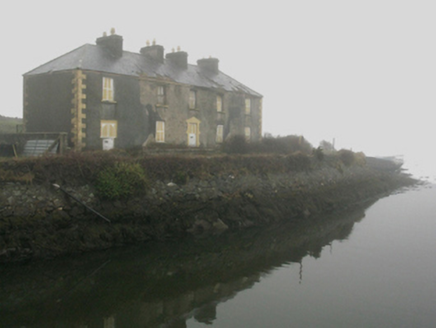
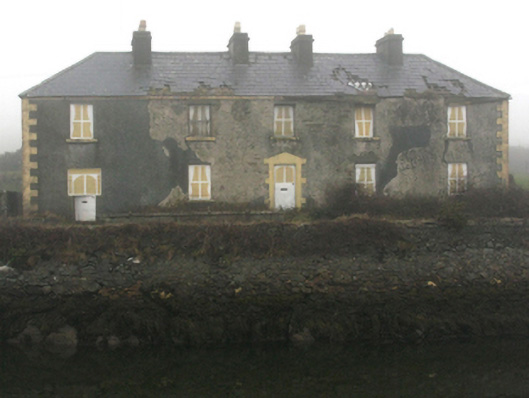
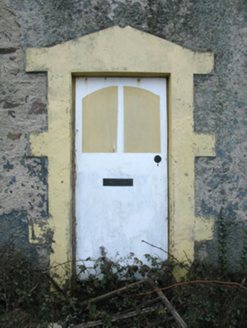
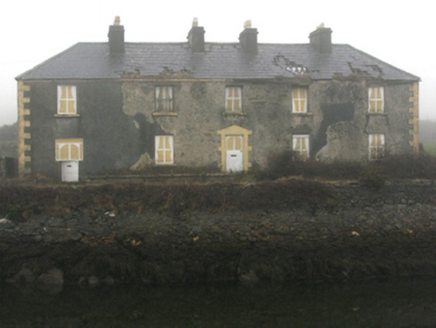
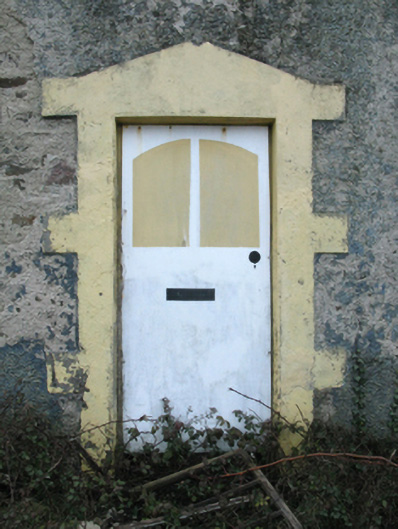
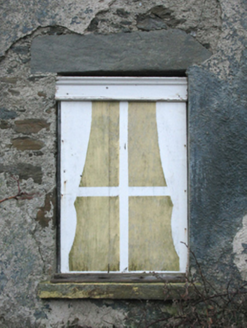
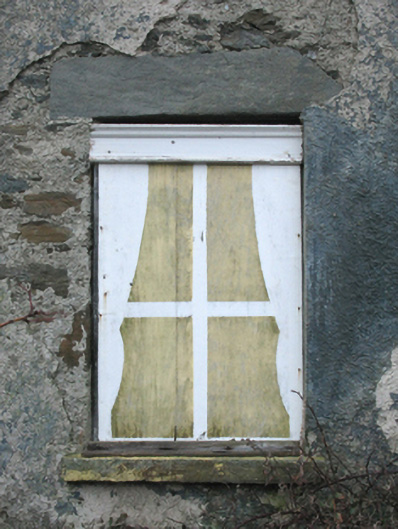
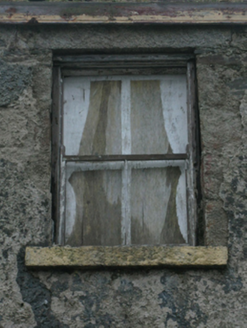
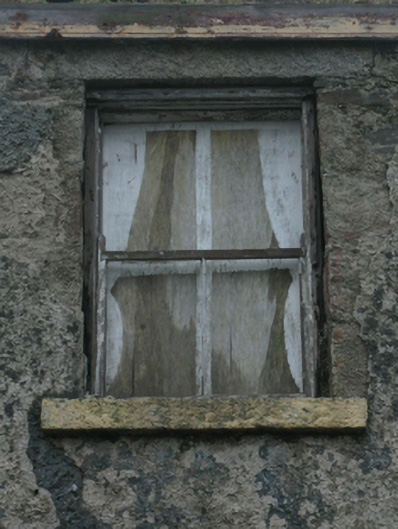
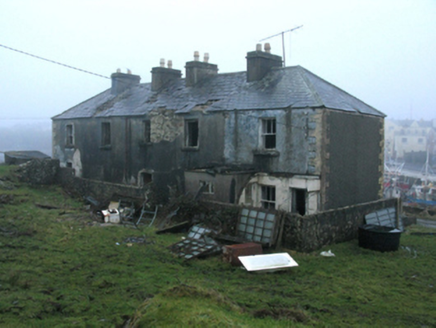
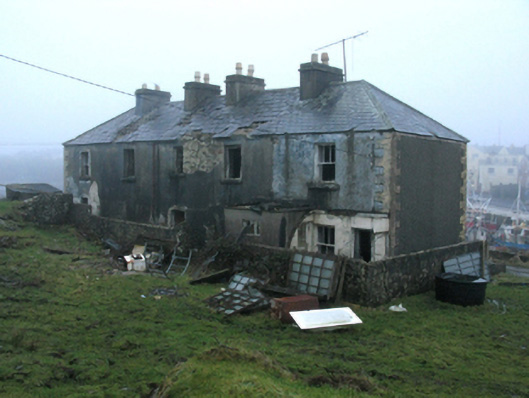
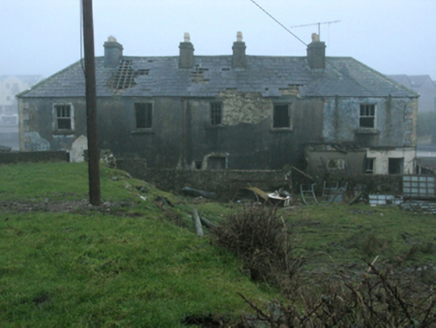
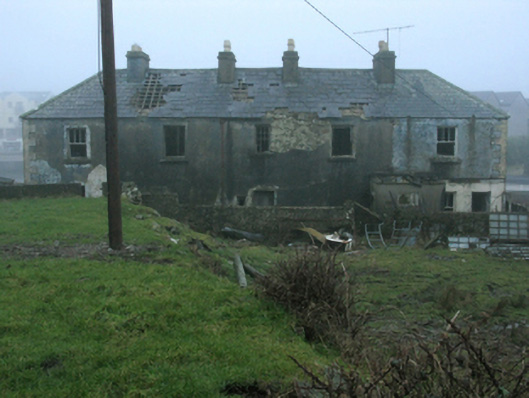
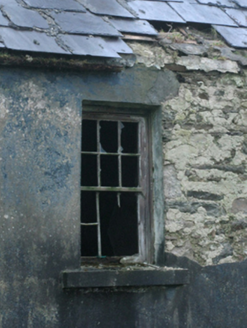
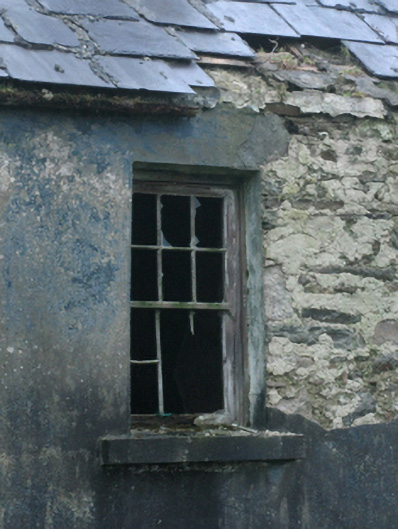
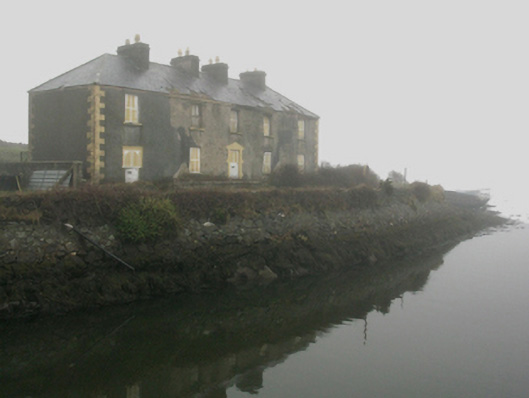
Detached five-bay two-storey house, extant 1838, originally three-bay two-storey on a symmetrical plan with five-bay two-storey rear (north-east) elevation. Now disused. Hipped slate roof on timber construction with clay ridge tiles, rendered chimney stacks centred on paired rendered chimney stacks having stringcourses below capping supporting terracotta or yellow terracotta tapered pots, and remains of cast-iron rainwater goods on timber eaves boards on exposed timber rafters retaining cast-iron octagonal or ogee hoppers and downpipes. Fine roughcast walls over coursed rubble limestone construction with rendered quoins to corners. Square-headed central door opening with overgrown threshold, and rendered block-and-start surround with fittings now boarded-up. Square-headed window openings with cut-granite sills[?], and concealed dressings including hammered limestone lintels with two-over-two timber sash windows now boarded-up retaining three-over-three or six-over-six timber sash windows to rear (north-east) elevation having part exposed sash boxes. Interior including (ground floor): central entrance hall retaining timber surrounds to door openings framing timber panelled doors. Road fronted with roughcast boundary wall to unkempt "cottage garden".
Appraisal
A dilapidated house regarded as an integral component of the early nineteenth-century domestic built heritage of Béal an Mhuirthead [Belmullet] with the architectural value of the composition suggested by such traits as the symmetrical footprint centred on an understated doorcase; and the uniform or near-uniform proportions of the openings on each floor: meanwhile, a comparison of the first (surveyed 1838; published 1839) and second (surveyed 1897; published 1898) editions of the Ordnance Survey clearly illustrates the continued linear development of the house in the later nineteenth century. A prolonged period of neglect notwithstanding, the elementary form and massing survive intact together with interesting remnants of the original fabric, both to the exterior and to the interior, thereby upholding much of the character or integrity of a house having historic connections with the Carson family including Robert Carson (d. 1893).