Survey Data
Reg No
31215030
Rating
Regional
Categories of Special Interest
Architectural, Artistic, Historical, Social
Previous Name
The Tyrawley Hotel
Original Use
Hotel
In Use As
Hotel
Date
1815 - 1825
Coordinates
119148, 264333
Date Recorded
24/11/2010
Date Updated
--/--/--
Description
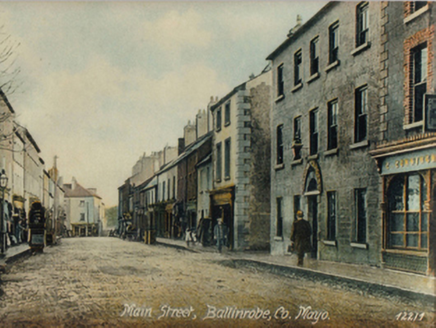
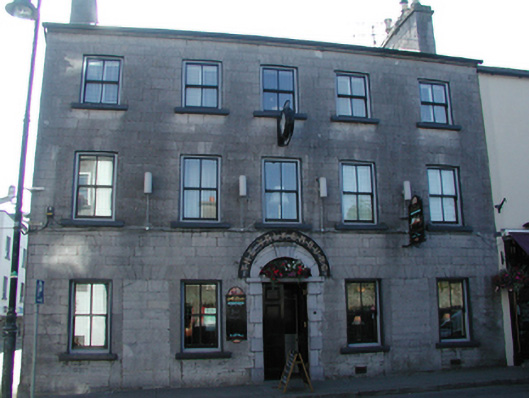
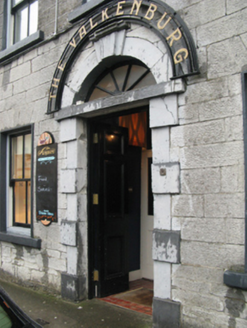
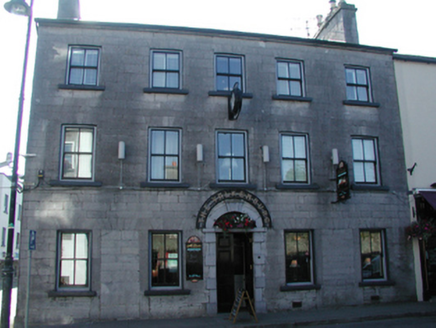
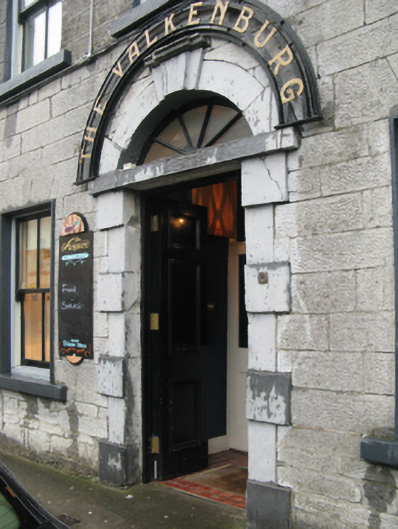
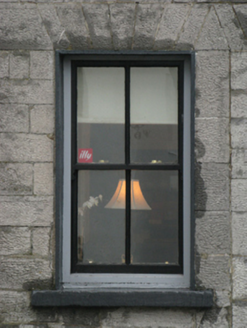
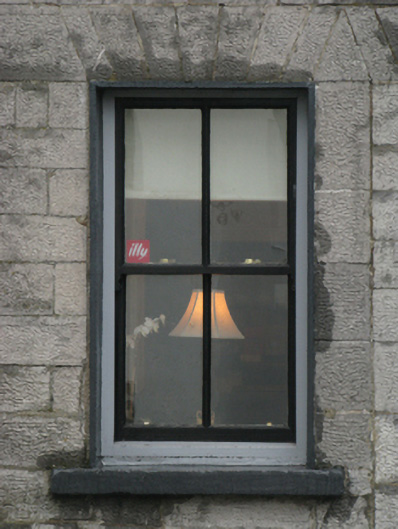
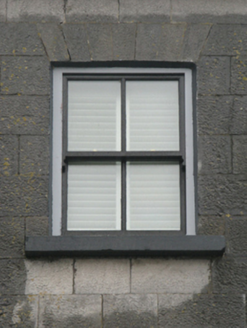
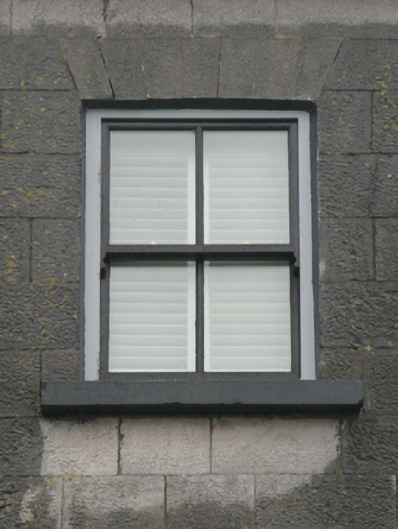
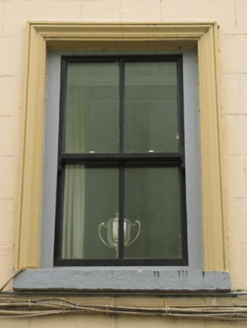
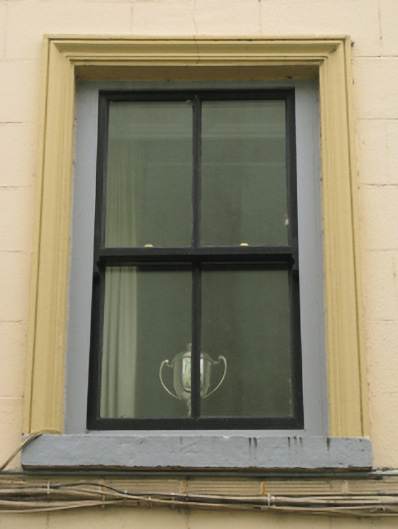
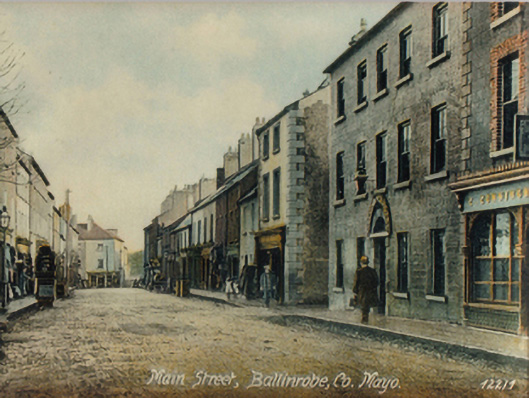
Attached five-bay three-storey hotel, built 1820[?]; extant 1824, on a rectangular plan. Sold, 1858. In use, 1911. Sold, 1958. Resold, 1973. Renovated. Pitched slate roof with clay ridge tiles terminating in drag edged tooled limestone ashlar chimney stacks having cut-limestone stringcourses below capping supporting yellow terracotta tapered pots, and replacement uPVC rainwater goods on cut-limestone eaves. Drag edged tooled limestone ashlar walls with drag edged tooled cut-limestone flush quoins to corners. Segmental-headed central door opening with drag edged dragged cut-limestone block-and-start surround centred on drag edged dragged cut-limestone double keystone framing timber panelled double doors having fanlight. Square-headed window openings with drag edged cut-limestone sills, and drag edged tooled limestone ashlar voussoirs framing replacement two-over-two timber sash windows having exposed sash boxes. Interior including (ground floor): central vestibule; square-headed door opening into entrance hall with glazed timber panelled double doors having overlight; and timber surrounds to door openings to remainder framing timber panelled doors with timber panelled reveals or shutters to window openings. Street fronted with concrete footpath to front.
Appraisal
A townhouse-like hotel erected by James Cuff (1748-1821) widely accepted as an important component of the early nineteenth-century built heritage of Ballinrobe with the architectural value of the composition, one rooted firmly in the contemporary late Georgian fashion, confirmed by such traits as the rectilinear plan form centred on a Classically-detailed doorcase showing a pretty radial fanlight; the construction in a "sparrow pecked" limestone demonstrating good quality workmanship; and the slight diminishing in scale of the openings on each floor producing a graduated visual impression: meanwhile, fissures at street level illustrate the provisions made for Classically-composed shopfronts. Having been well maintained, the elementary form and massing survive intact together with quantities of the original or sympathetically replicated fabric, both to the exterior and to the interior, thereby upholding the character or integrity of an hotel having historic connections with the Valkenburg family including John Valkenburg (b. 1850), 'Hotel Keeper' (NA 1901).