


Survey Data
Reg No
31206007
Rating
Regional
Categories of Special Interest
Architectural, Historical, Social, Technical
Previous Name
Providence Woollen Mill
Original Use
Mill (water)
In Use As
Mill (water)
Date
1890 - 1895
Coordinates
126981, 304226
Date Recorded
08/12/2010
Date Updated
--/--/--
Description
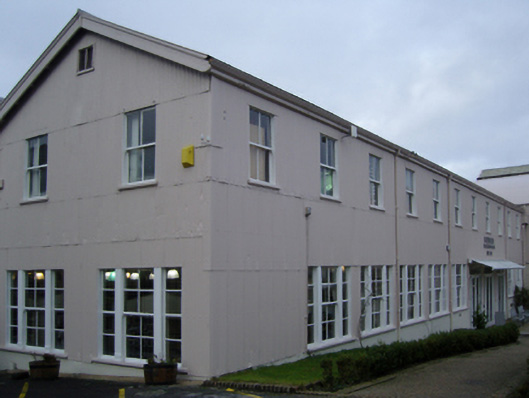
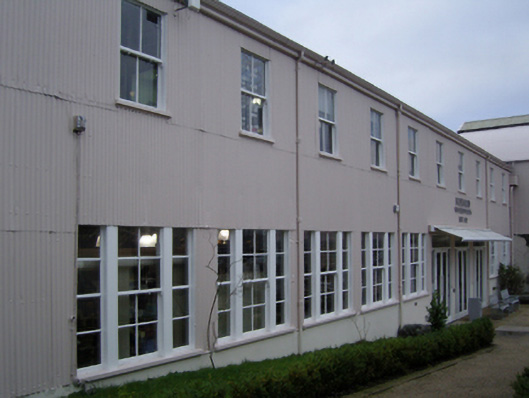
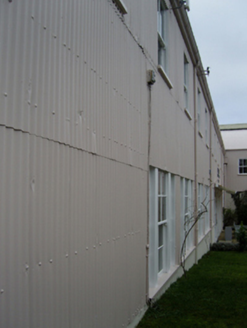
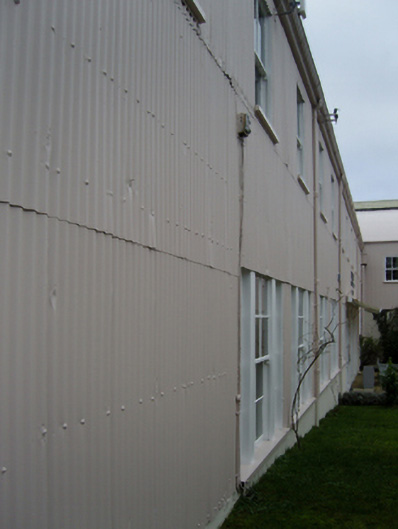
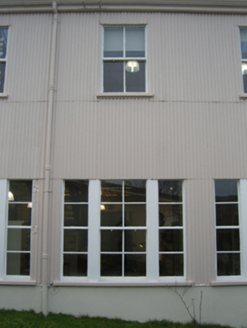
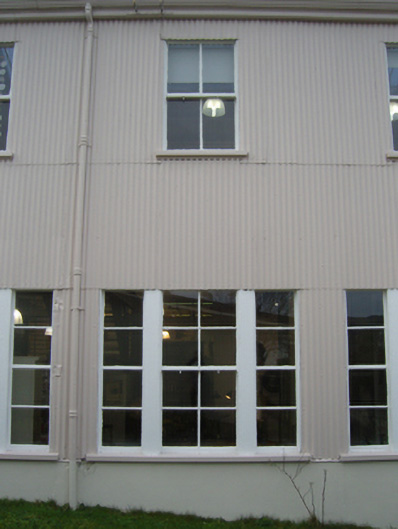
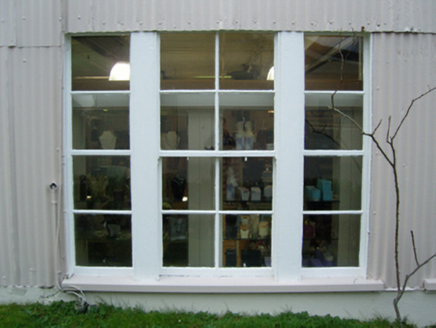
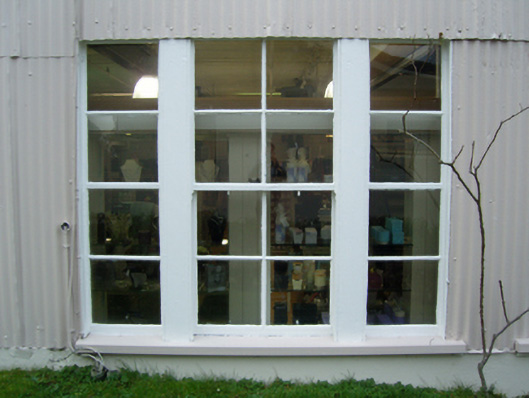
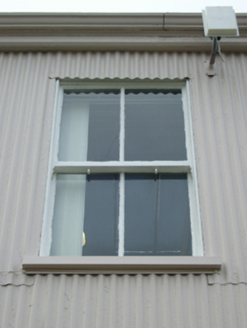
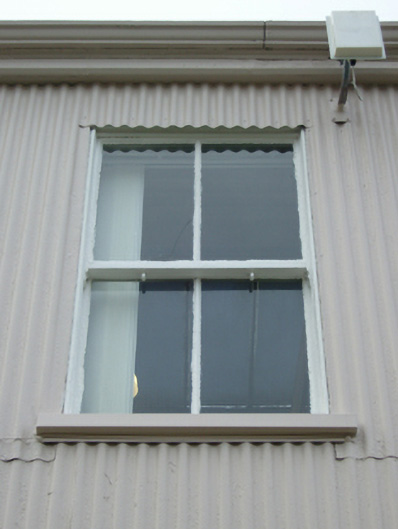
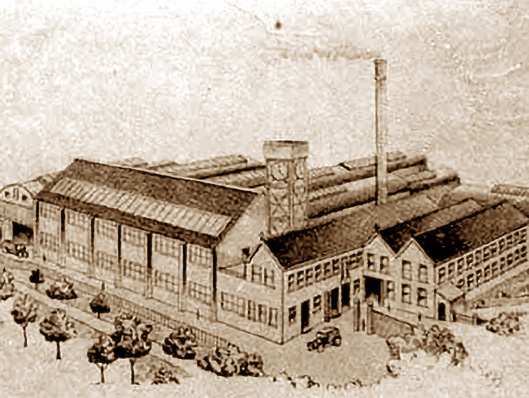
Mill complex, established 1892, including: Detached eleven-bay two-storey double-pile factory on a rectangular plan. Restored, 1991-2. Pitched double-pile (M-profile) slate roof on scissor truss cast-iron construction with rolled lead ridges, timber bargeboards to gables on timber purlins, and cast-iron rainwater goods on timber eaves boards retaining cast-iron downpipes. Corrugated-iron-covered walls on cement rendered base. Square-headed window openings in tripartite arrangement (ground floor) with pressed iron-covered sills, timber mullions, and concealed dressings framing four-over-four timber sash windows having two-over-two sidelights. Square-headed window openings (first floor) with pressed iron-covered sills, and concealed dressings framing two-over-two timber sash windows. Interior including (ground floor): exposed timber joists on cast-iron beams on cast-iron pillars; (first floor): exposed scissor truss cast-iron roof construction with wind braced timber boarded ceiling. Set in own grounds.
Appraisal
A factory representing an important component of the industrial heritage of County Mayo with the architectural value of the composition, one established by Mother Mary Arsenius (Agnes) Morrogh-Bernard (1842-1932) with support from the Congested Districts Board of Ireland (established 1891) and Sir James Talbot Power (1851-1916) of Edermine in County Wexford (ITA 1944), confirmed by such attributes as the rectilinear plan form; the expeditious corrugated-iron surface finish; the diminishing in scale of the openings on each floor producing a graduated tiered visual effect; and the timber work embellishing the roofline. Having been well maintained, the elementary form and massing survive intact together with substantial quantities of the original fabric, both to the exterior and to the repurposed interior where an exposed scissor truss roof construction pinpoints the engineering or technical dexterity of a factory making a pleasing visual statement in Lower Main Street.