Survey Data
Reg No
30811007
Rating
Regional
Categories of Special Interest
Architectural, Artistic, Historical, Social, Technical
Original Use
Church/chapel
Date
1785 - 1790
Coordinates
210793, 307526
Date Recorded
26/06/2003
Date Updated
--/--/--
Description
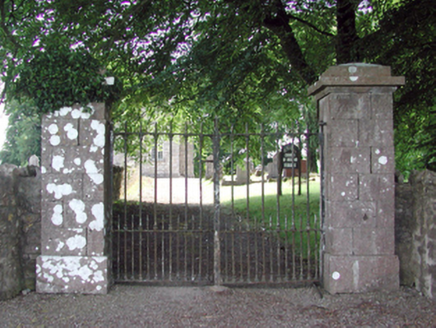
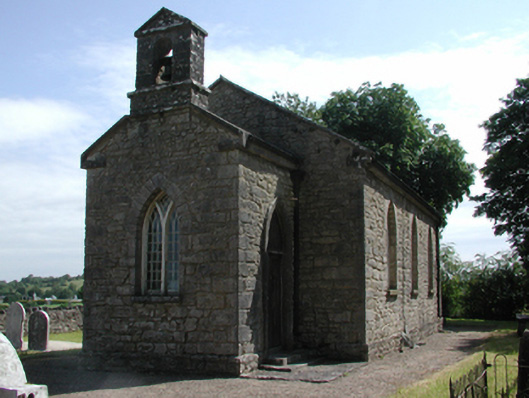
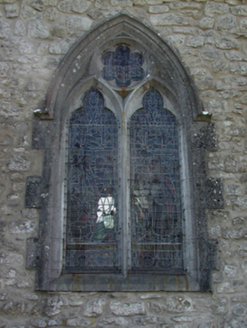
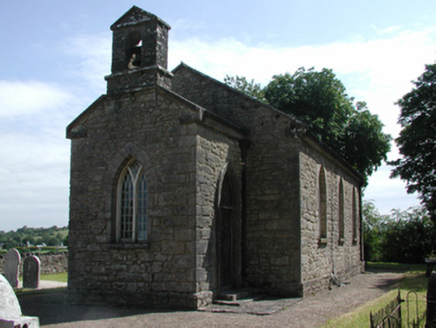
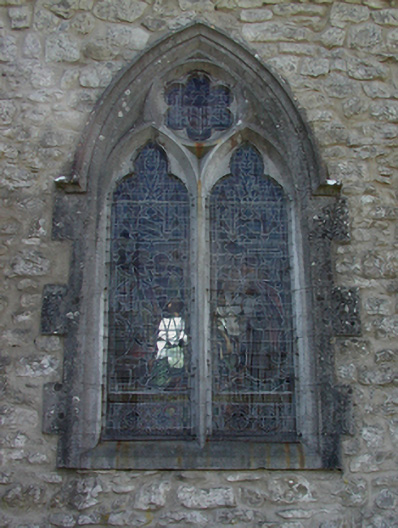
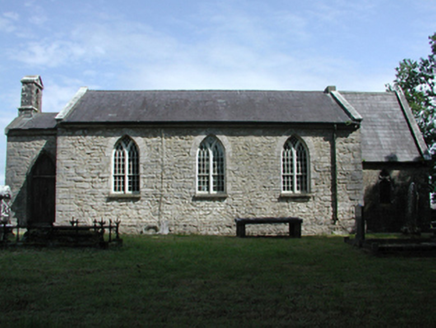
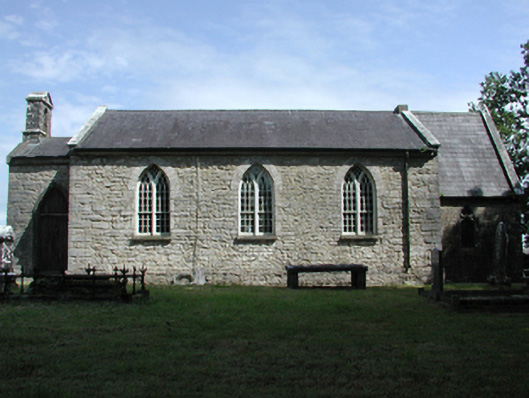
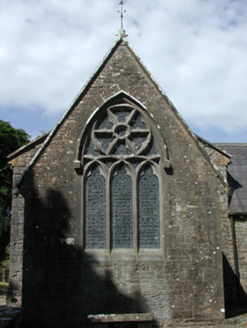
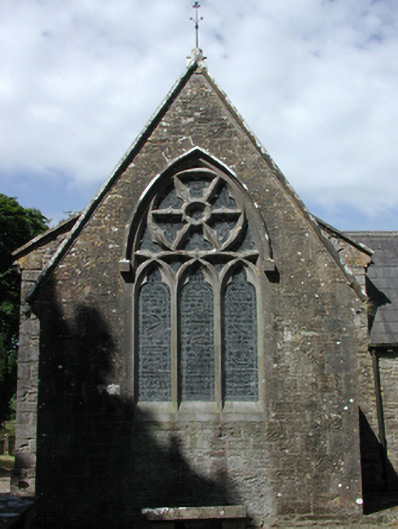
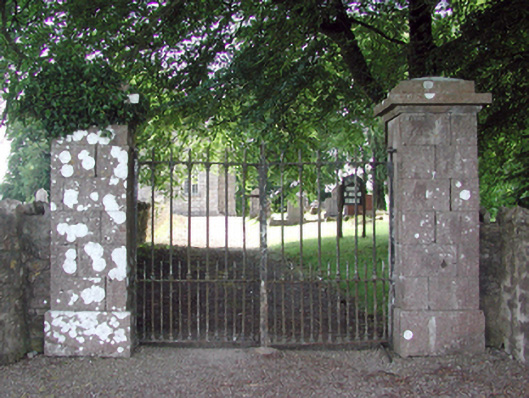
Detached four-bay double-height Board of First Fruits Church of Ireland church, built 1787; dated 1790, on a rectangular plan originally three-bay double-height single-cell comprising three-bay double-height nave opening into single-bay double-height chancel (east) with single-bay single-storey gabled projecting porch to entrance (west) front. "Improved", 1864, producing present composition. Closed, 1974. Restored, 1988-9. Pitched slate roofs including pitched (gabled) slate roof (porch), clay ridge tiles with roll moulded clay ridge tiles (east), lichen-covered cut-limestone coping to gables on cut-limestone kneelers including cut-limestone coping to gable (porch) with pedimented bellcote to apex, and cast-iron rainwater goods on cut-limestone eaves retaining cast-iron downpipes. Coursed rubble limestone battered walls with rough hewn limestone flush quoins to corners; snecked limestone walls (east) with drag edged cut-limestone flush quoins to corners. Pointed-arch window openings with cut-limestone sills, timber Y-mullions, and limestone ashlar voussoirs framing nine-over-nine timber sash windows having interlocking Y-tracery glazing bars. Pointed-arch window opening (east) with cut-limestone mullions, and cut-limestone block-and-start surround having chamfered reveals with hood moulding on monolithic labels stops framing iron mesh panels over fixed-pane fittings having leaded stained glass panels. Pointed-arch window opening (porch) with inscribed cut-limestone sill ("1790"), timber Y-mullion, and limestone ashlar voussoirs framing fixed-pane fittings having interlocking Y-tracery glazing bars. Interior including vestibule (west); pointed-arch door opening into nave with timber panelled double doors having overpanel; full-height interior open into roof with limestone flagged central aisle between timber pews, wind braced diagonal timber boarded ceiling on carved timber cornice, Gothic-style timber clerk's desk with Gothic-style timber panelled pulpit on an octagonal plan, and pointed-arch chancel arch framing stepped dais to chancel (east) with wrought iron-detailed barely twist balusters supporting carved timber communion railing centred on timber altar table below stained glass memorial "East Window" (1888). Set in landscaped grounds with lichen-spotted limestone ashlar piers to perimeter having stringcourses below shallow pyramidal capping supporting wrought iron double gates.
Appraisal
A church erected with financial support from the Board of First Fruits (fl. 1711-1833) representing an important component of the late eighteenth-century built heritage of County Leitrim with the architectural value of the composition, 'a plain edifice without either tower or spire' (Lewis 1837 I, 617), suggested by such attributes as the compact rectilinear plan form, aligned along a liturgically-correct axis; the "pointed" profile of the openings underpinning a "medieval" Georgian Gothic theme with the chancel defined by an elegant "East Window"; and the pedimented bellcote embellishing the roofline as a picturesque eye-catcher in the landscape: meanwhile, aspects of the composition illustrate the continued development or "improvement" of the church to a design signed (17th June 1863) by James Bell (1829-83) of Dublin (RCB). Having been well maintained, the elementary form and massing survive intact together with substantial quantities of the original fabric, both to the exterior and to the interior where contemporary joinery; wall monuments; and the vibrant Beresford Memorial "East Window" (1888), all highlight the artistic potential of the composition: meanwhile, an exposed timber roof construction pinpoints the engineering or technical dexterity of a church making a pleasing visual statement in a sylvan street scene.