Survey Data
Reg No
22810001
Rating
Regional
Categories of Special Interest
Architectural
Previous Name
Tivoli
Original Use
House
In Use As
House
Date
1830 - 1850
Coordinates
209968, 99703
Date Recorded
25/09/2003
Date Updated
--/--/--
Description
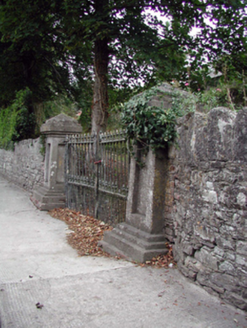
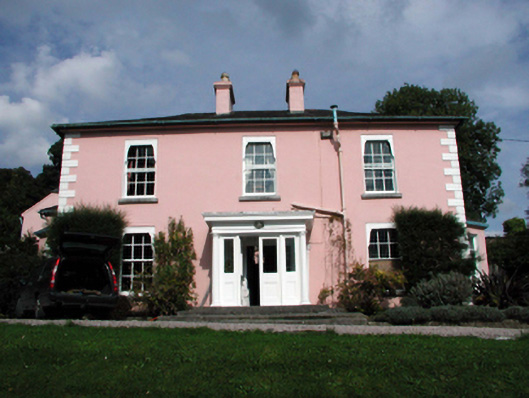
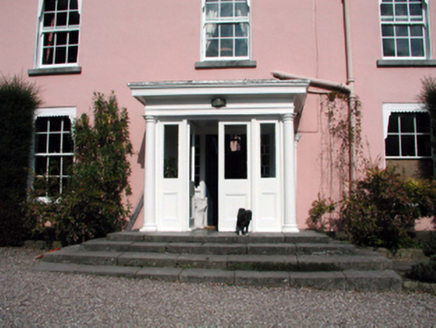
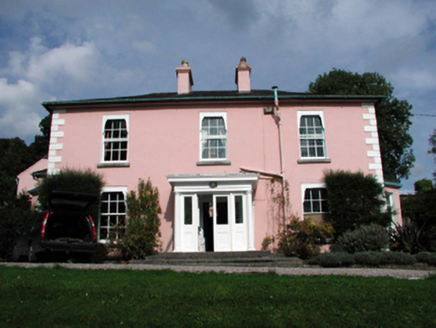
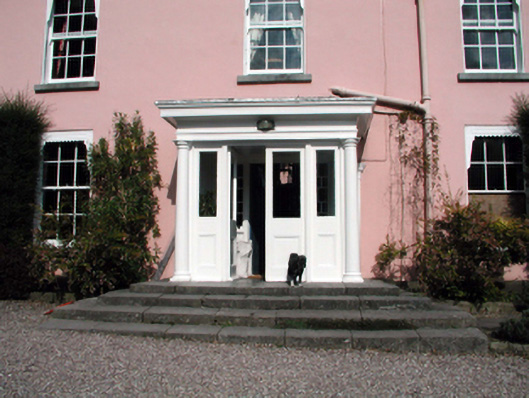
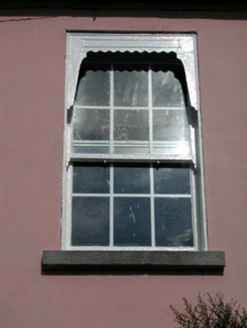
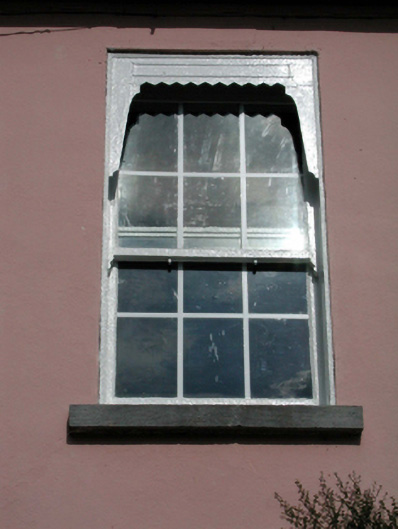
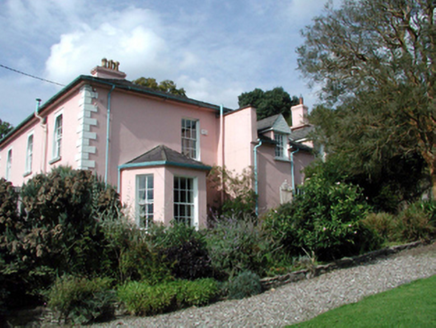
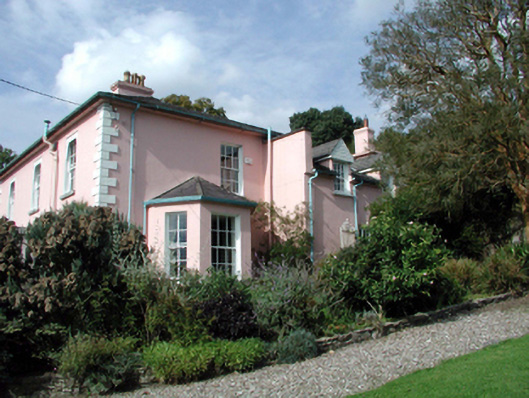
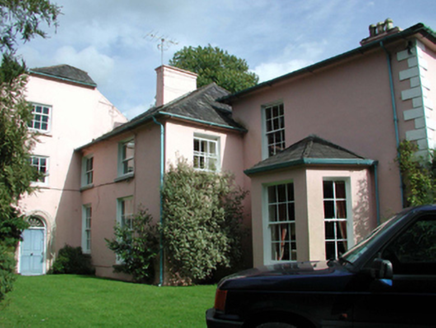
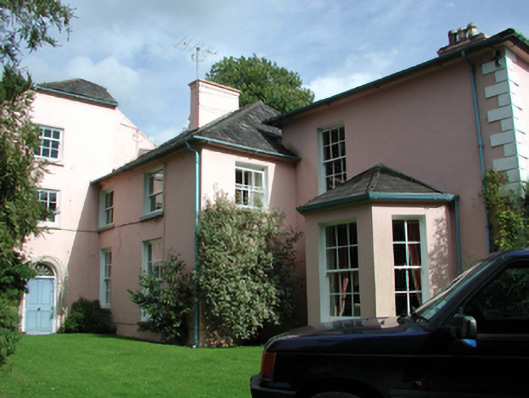
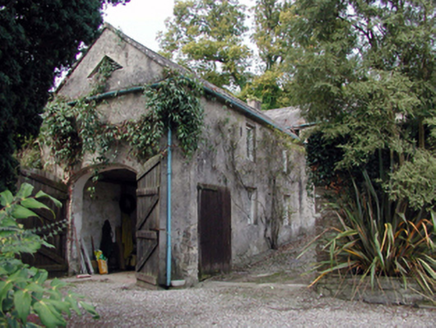
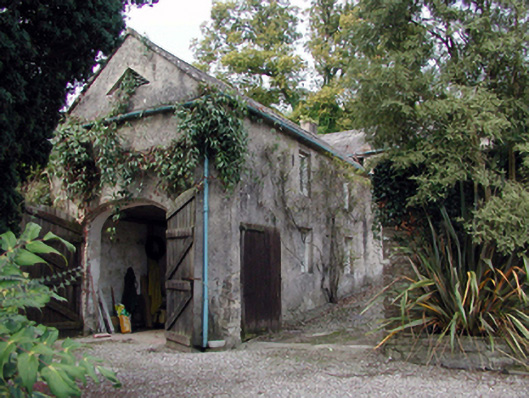
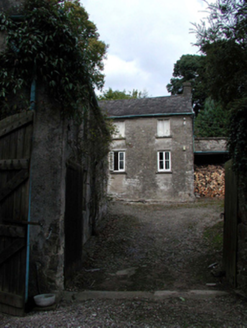
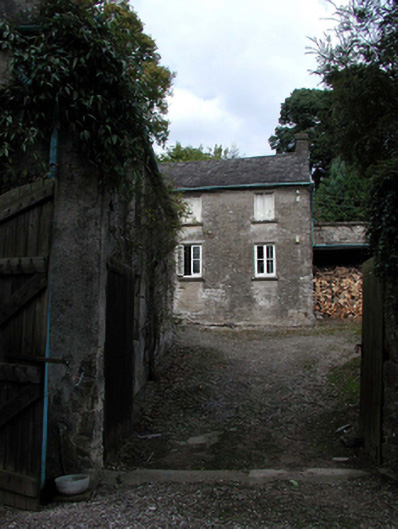
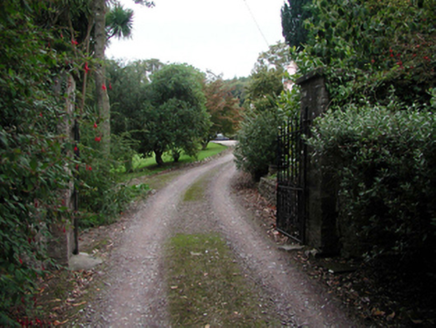
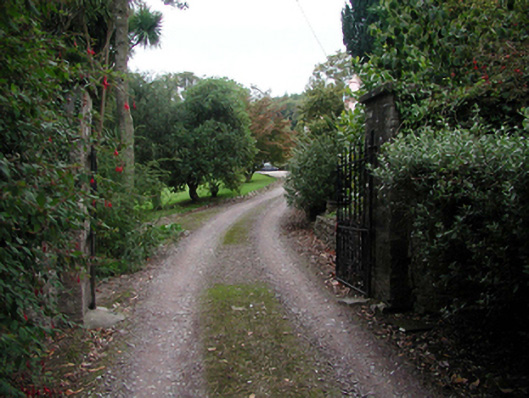
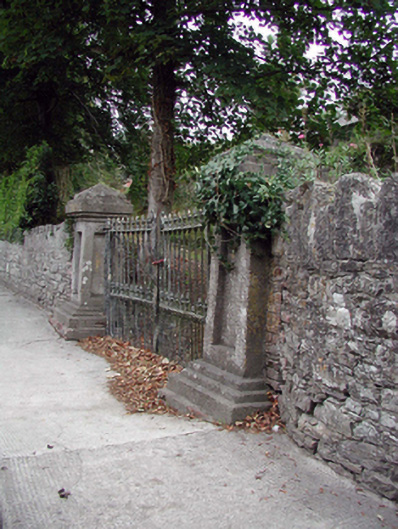
Detached three-bay two-storey house, c.1840, possibly over basement retaining original fenestration with single-bay single-storey flat-roofed projecting porch to centre, single-bay two-storey side elevations, two-bay single-storey return with half-dormer attic to east, two-bay two-storey lower return to north, and three-bay three-storey range to north-east incorporating fabric of earlier house, c.1740, on site. Renovated, c.1890, with single-bay single-storey canted bay windows added to side elevations. Hipped slate roofs (pitched to return to east with gables to dormer attic windows; hipped gabled roof to earlier range) with clay ridge tiles, rendered chimney stacks, and cast-iron rainwater goods on overhanging rendered eaves. Flat roof to porch not visible behind cornice. Painted rendered walls. Painted timber panelled walls to porch with Doric columns to corners supporting frieze with moulded cornice over. Square-headed window openings with stone sills, and profiled iron aprons to front (south-west) elevation. 3/3, 6/3 and 6/6 timber sash windows with 4/4 sidelights to canted bay windows. Square-headed door opening to porch with four cut-limestone steps, glazed timber panelled double doors, and fixed-pane flanking windows. Round-headed door opening to earlier range with timber panelled door and spoked fanlight. Set back from road in own grounds with gravel forecourt, and landscaped grounds to site. (ii) Detached single-bay single-storey gable-fronted coach house with half-attic, c.1840, to north-west with elliptical-headed carriageway, and two-bay single-storey side elevations. Pitched (gable-fronted) slate roof with clay ridge tiles, rendered coping, and cast-iron rainwater goods on rendered eaves. Unpainted rendered walls. Square-headed window openings with stone sills, and timber casement windows. Elliptical-headed carriageway with timber boarded double doors, and triangular opening to gable having louvered fitting. (iii) Detached three-bay two-storey outbuilding, c.1840, to north. Pitched slate roof with clay ridge tiles, rendered chimney stacks, and cast-iron rainwater goods on rendered eaves. Unpainted rendered walls. Square-headed window openings with stone sills and lintels, and timber casement windows. (iv) Gateway, c.1840, to south comprising pair of cut-stone piers with wrought iron double gates. (v) Gateway, c.1890, to south-east comprising pair of unpainted rendered panelled tapered piers with rendered profiled capping, cast-iron double gates having Fleur-de-Lys finials, and sections of random rubble stone flanking boundary walls to perimeter of site with rubble stone coping.
Appraisal
An elegantly-proportioned house, the irregular footprint and massing of which attests to its evolution over a number of periods spanning two centuries. Subsequently well maintained, the house presents an early aspect with much of the original fabric intact. The survival of an early coach house and outbuilding to the grounds enhances the historic quality of the site. Positioned on an elevated site overlooking Cappoquin, the house contributes to the quality of the townscape and is a familiar landmark in the locality.