Survey Data
Reg No
22502543
Rating
Regional
Categories of Special Interest
Architectural, Historical, Social
Original Use
Officer's house
Date
1770 - 1800
Coordinates
260298, 112105
Date Recorded
27/06/2003
Date Updated
--/--/--
Description
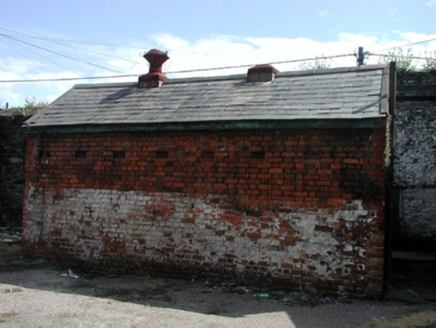
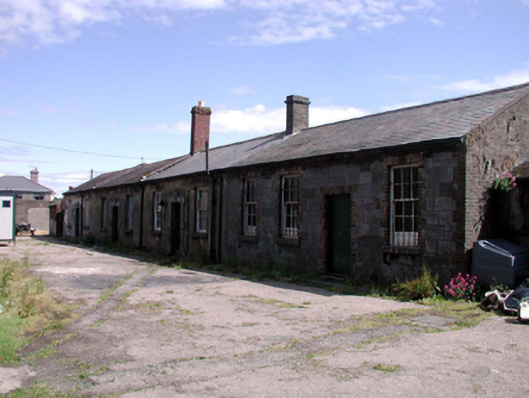
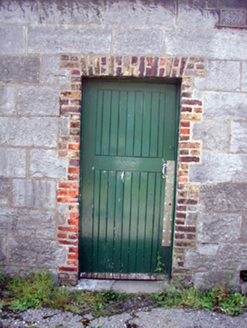
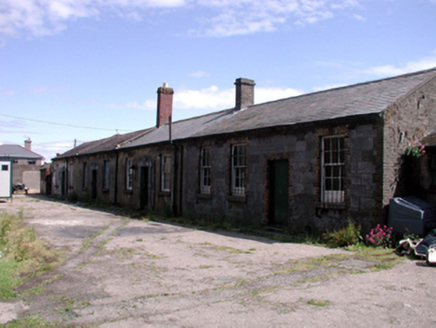
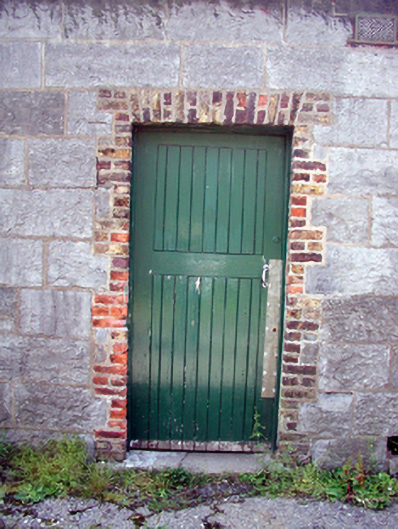
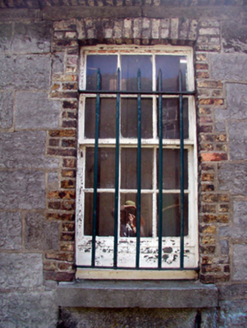
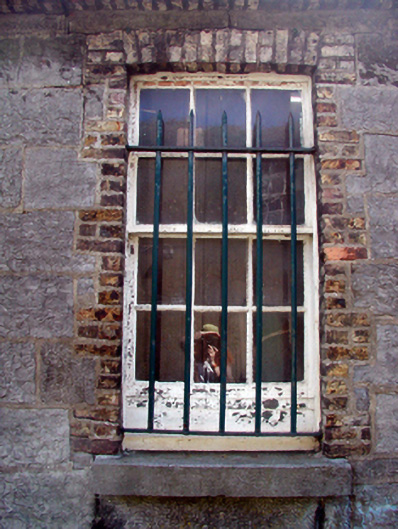
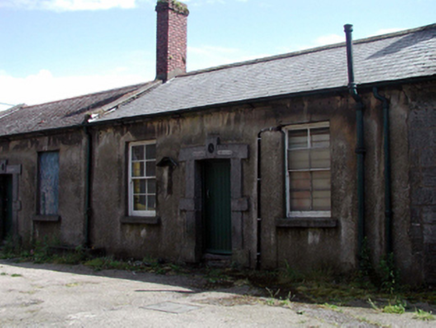
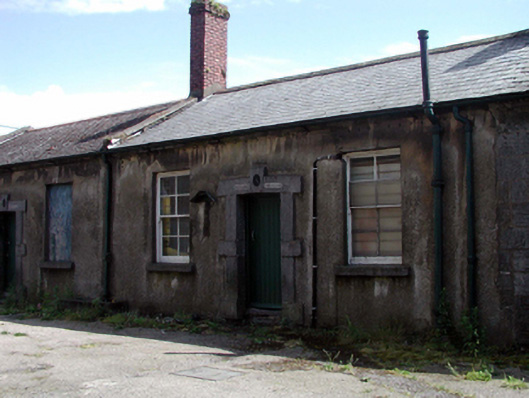
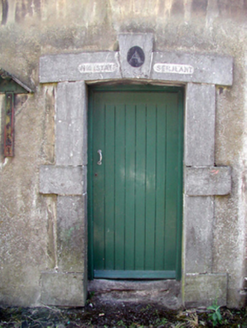
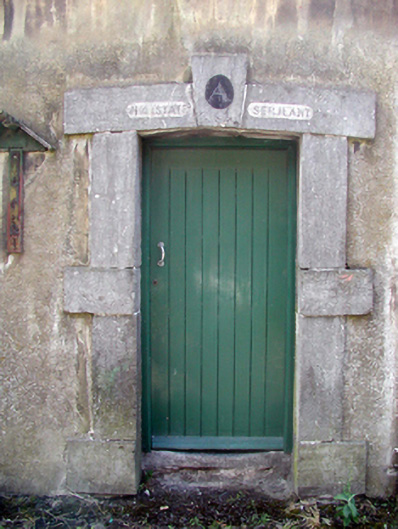
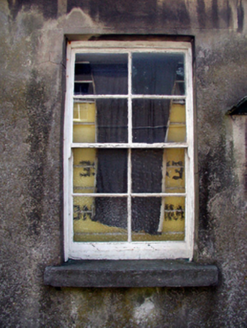
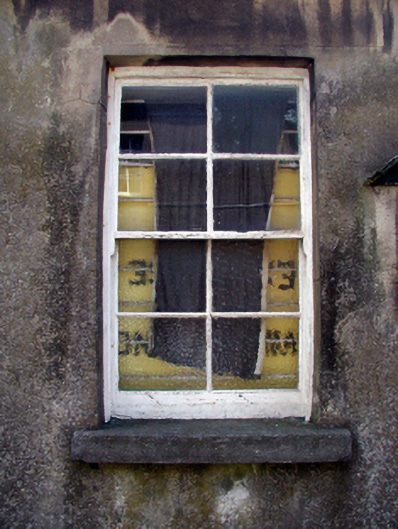
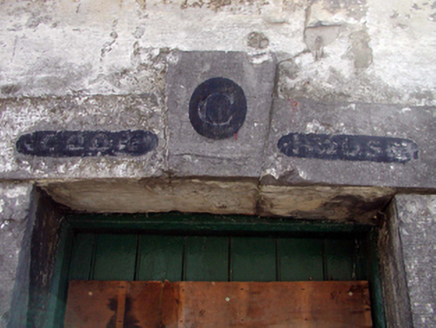
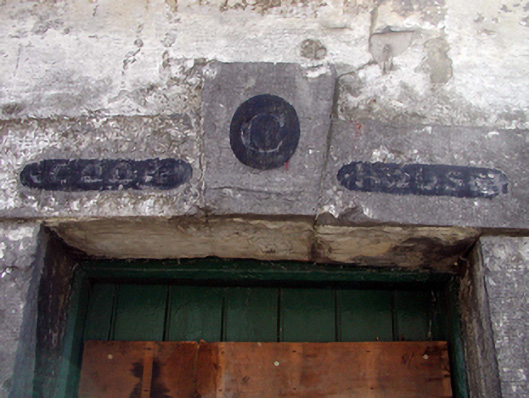
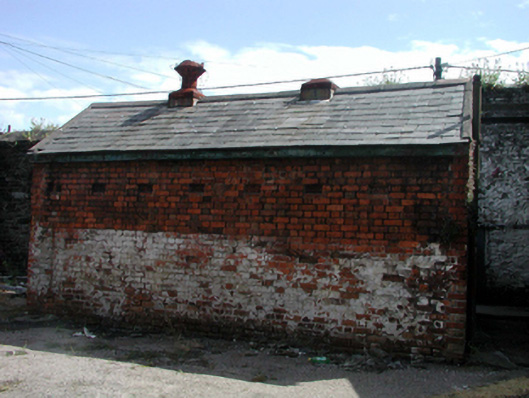
End-of-terrace four-bay single-storey limestone ashlar soldier’s home, c.1780, retaining original aspect. Now disused. Pitched slate roof with clay ridge tiles, yellow brick chimney stack, and cast-iron rainwater goods on yellow brick eaves. Limestone ashlar wall to front (west) elevation with yellow brick dressings including quoins, and band to eaves. Yellow brick wall to side (south) elevation. Square-headed window openings with stone sills, and yellow brick block-and-start surrounds. 6/6 timber sash windows. Square-headed door opening with yellow brick block-and-start surround, and tongue-and-groove timber panelled door. Set back from road in shared grounds. (ii) Group of three-terraced three-bay single-storey soldier’s homes, c.1780, to north. Refenestrated, c.1930. Now disused with most openings blocked-up. Pitched slate roofs with clay ridge tiles, red brick Running bond chimney stack, rendered coping to party walls, and cast-iron rainwater goods on cut-stone eaves. Unpainted rendered walls. Square-headed window openings with stone sills. Replacement 4/4 timber sash windows, c.1930, to one house (openings boarded-up to remainder). Square-headed door openings with cut-stone block-and-start surrounds, and tongue-and-groove timber panelled doors. (iii) Detached single-bay single-storey red brick bath house, c.1780, to north. Now disused and part derelict. Pitched slate roof (part collapsed) with clay ridge tiles, iron vent, rendered coping, and remains of cast-iron rainwater goods. Red brick Flemish bond walls. Openings not visible.
Appraisal
This group of buildings, built forming part of an extensive military complex on site, is an attractive composition of modest scale, proportions and appearance. In various states of preservation, the units retain their original form with some incorporating important original and early salient features and materials. The survival of the group is of great importance as a reminder of the military presence in the locality, further buildings in the complex having been replaced in the late twentieth century.