Survey Data
Reg No
22207814
Rating
Regional
Categories of Special Interest
Archaeological, Architectural, Historical
Original Use
Country house
In Use As
Country house
Date
1645 - 1750
Coordinates
232496, 124580
Date Recorded
01/01/1900
Date Updated
--/--/--
Description
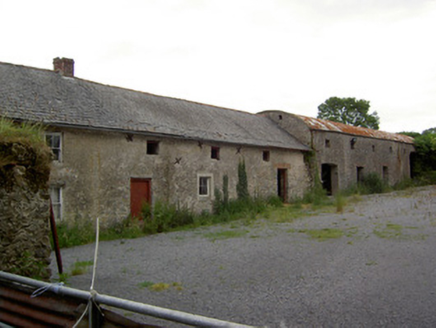
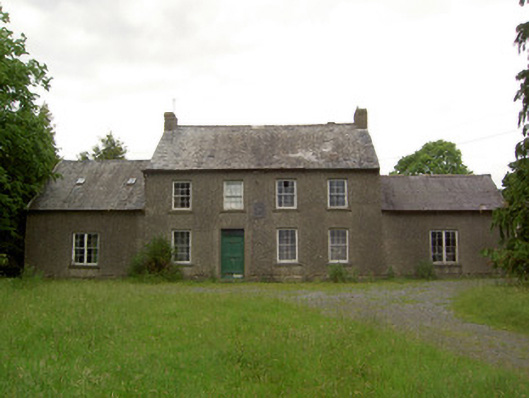
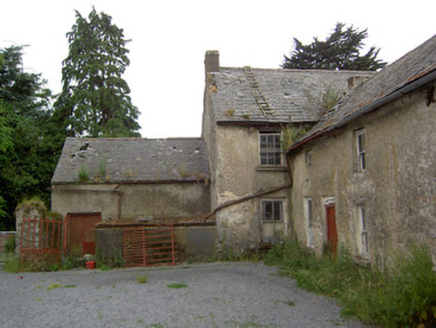
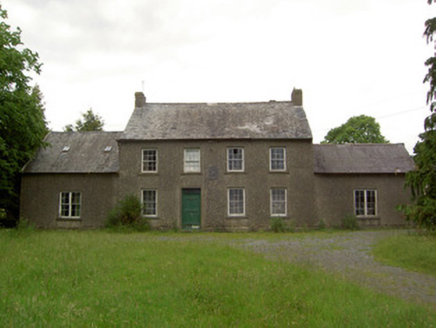
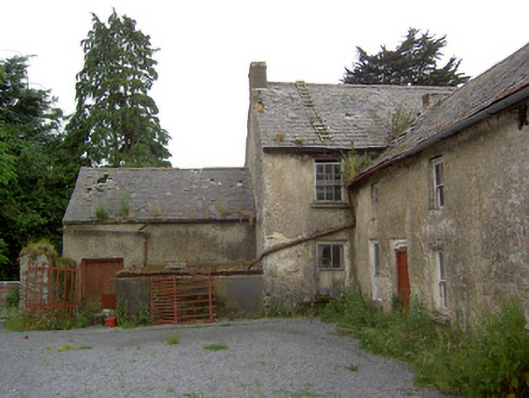
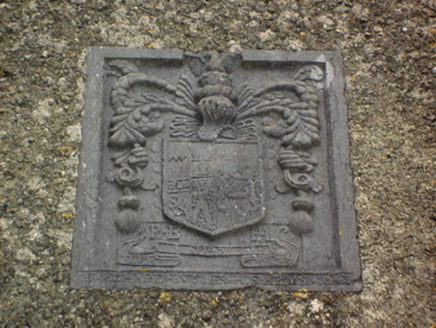
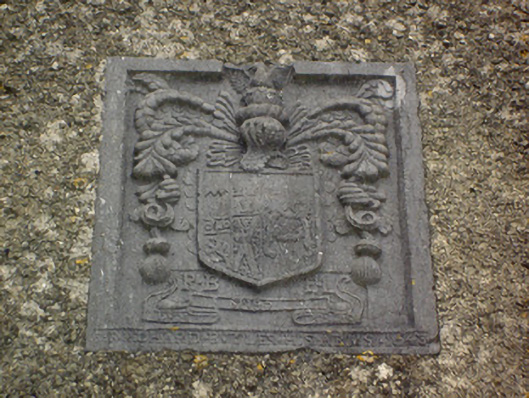
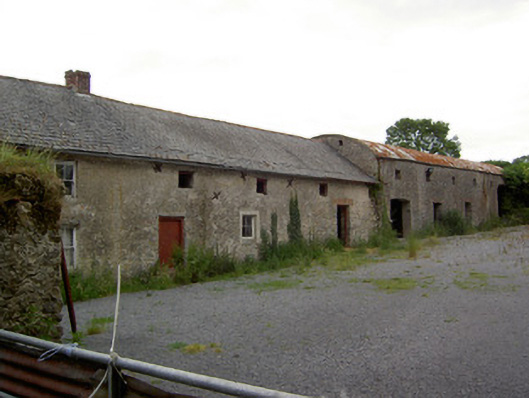
Detached four-bay two-storey house, dated 1648, having slightly lower two-bay two-storey block to rear. Altered c.1730, refenestrated, and provided with flanking single-bay single-storey with attic wings. Pitched slate roofs with ridge tiles, rendered end chimneystacks to main block, red brick to rear block, and cast-iron rainwater goods. Pebbledashed walls with carved limestone armorial plaque to front façade and having large blocky limestone quoins to north-east corner of main block. Square-headed window openings with timber-sliding box sash windows to main block, six-over-six pane to front and first floor of rear and two-over-two pane to ground floor, double four-over-four pane to front of wings, and three-over-six and two-over-two pane to rear block, most with cut limestone sills. Square-headed door opening, asymmetrically placed, with timber panelled door and overlight. Window shutters to interior. Yard of outbuildings to rear. West range comprising three-bay two-storey block with pitched slate roof and rubble limestone walls with square-headed window and door openings and with slightly higher six-bay two-storey block to north having barrel-profile corrugated-iron roof with segmental-arched entrances to ground floor. Shorter single-storey blocks to north side of yard with rendered walls and pitched corrugated-iron roof. East range comprises single-storey block with pitched slate roof, part rendered rubble limestone walls and segmental-arched carriage entrances. Walled garden to east of house and yard.
Appraisal
This house is a complicated structure possibly spanning many phases. The structures to the rear have a vernacular appearance with small unevenly spaced and sized openings, while the front facade was at one time formalised with the addition of flanking wings. The inclusion of a Butler plaque which appears to commemorate the marriage of Richard Butler in 1648 is an interesting feature. The house retains many original features, its exterior form and character having changed little since the early eighteenth-century. The outbuildings are in good condition and have many interesting features such as arched carriage entrances.