Survey Data
Reg No
22206207
Rating
Regional
Categories of Special Interest
Architectural, Artistic, Historical
Original Use
Country house
In Use As
Guest house/b&b
Date
1450 - 1840
Coordinates
216829, 139920
Date Recorded
21/06/2005
Date Updated
--/--/--
Description
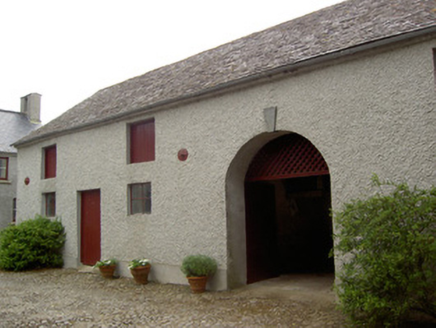
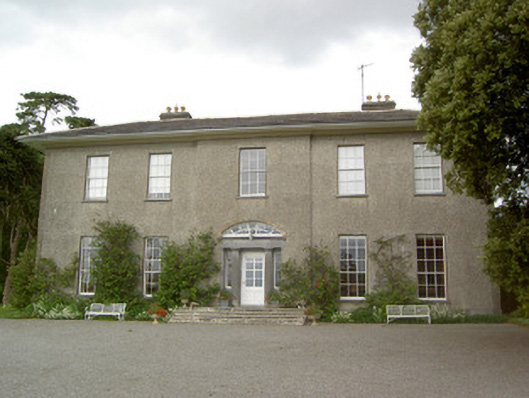
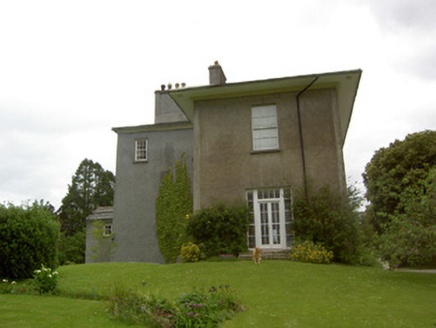
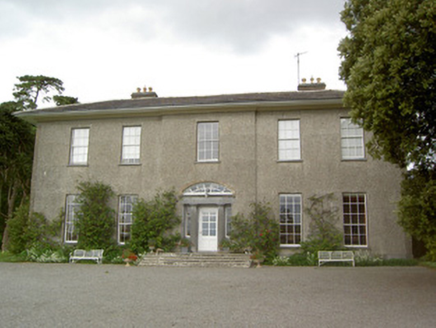
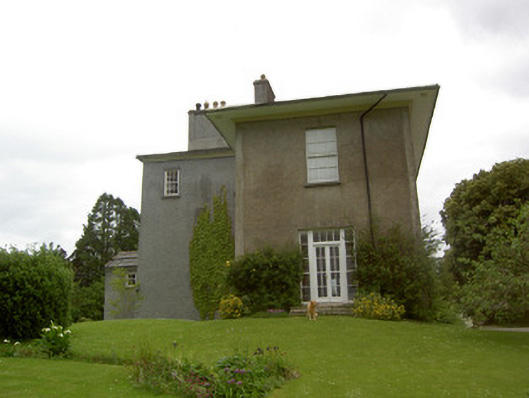
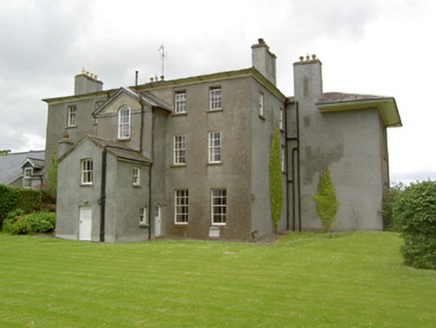
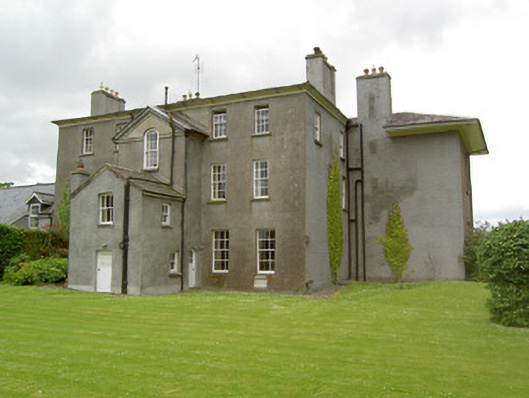
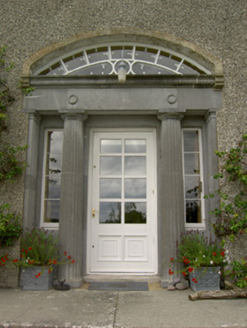
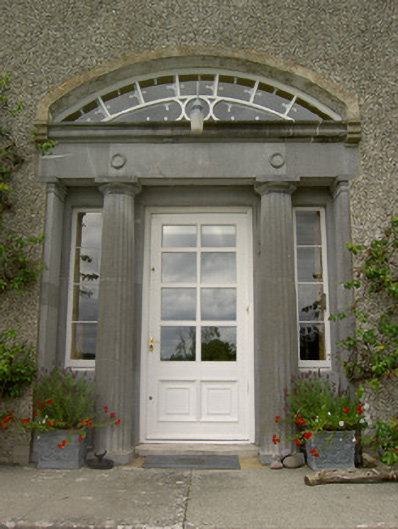
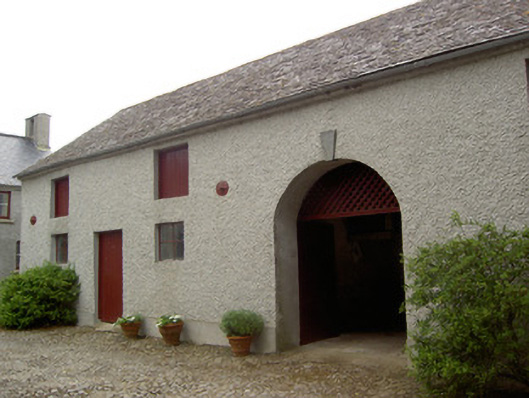
Detached country house, comprising five-bay two-storey front block built c.1820, with shallow single-bay breakfront, and five-bay three-storey earlier block to rear built 1734. Earlier block has probable medieval tower house within eastern half, and lower single-bay three-storey central pedimented projection with two-storey pitched slate roof addition to front of same, and having L-plan multiple-bay two-storey addition to northwest with pitched artificial slate roof. Later block has skirt slate roof with wide overhanging sheeted eaves, rendered moulded eaves course and eaves plat-band, rendered chimneystacks and cast-iron rainwater goods. Earlier has hipped slate roof, formerly pitched and steeper, with rendered eaves course, eaves plat-band and rendered chimneystacks with panel detailing. Pebbledashed walls to both blocks, having quoin plat-bands and cut limestone plinth to later block. Square-headed window openings throughout, with timber sliding sash windows, six-over-six pane to first floor and nine-over-six pane to ground floor of later block and six-over-six pane to lower floors of earlier block, with three-over-six pane to second floor of same and round-headed six-over-six pane to upper part of pedimented projection, all with tooled cut limestone sills. Segmental-headed doorway to front of later block, with replacement glazed timber door set into cut limestone doorcase and flanked by paned sidelights, all recessed from face of elevation and having advanced fluted Doric columns and plain pilasters supporting entablature bearing wreath motifs, carved cornice and decorative fanlight having render surround, approached by flight of cement rendered steps to entrance. Yards to east side of house, accessed through dressed limestone elliptical archway with two-storey outbuildings having pitched slate roofs and rendered walls, some with segmental and round-arched carriage entrances. One group is L-plan and another has building with bell-cote to gable end. Rubble limestone boundary walls with dressed limestone piers and cast-iron gates. Extensive gardens to rear of house.
Appraisal
This country house is a complex structure with three distinct phases, medieval, early eighteenth century and early nineteenth century, charting the progress of domestic architecture over five hundred years. The relatively modest exteriors are enhanced by the widely overhanging eaves and fine, if restrained, carved limestone doorcase to the latest block and the pediment to the eighteenth-century one. The retention of timber sash windows throughout preserves the external architectural quality, and a host of internal features, including cornices, doors and a fine eighteenth-century staircase, ensures that a rich legacy has been meticulously maintained. The setting is very pleasant, with fine gardens and a lake, and a variety of good farm buildings one of them a watermill that provided electrical power to the property. The building was a seat of the Jacob family, a member of which was a juror in the trial of Father Nicholas Sheehy in 1766, the jury convicting the priest. Thereafter the house was said to be cursed, with the crows fleeing and never nesting there again.