Survey Data
Reg No
22105044
Rating
Regional
Categories of Special Interest
Architectural, Artistic, Social
Previous Name
Maryville
Original Use
Rectory/glebe/vicarage/curate's house
In Use As
Rectory/glebe/vicarage/curate's house
Date
1780 - 1800
Coordinates
207371, 140379
Date Recorded
01/07/2005
Date Updated
--/--/--
Description
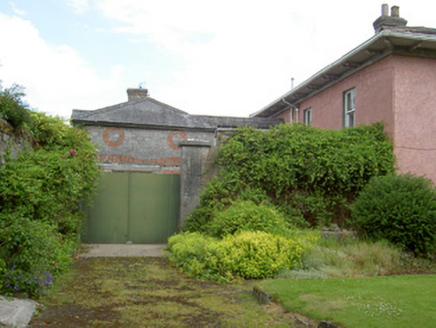
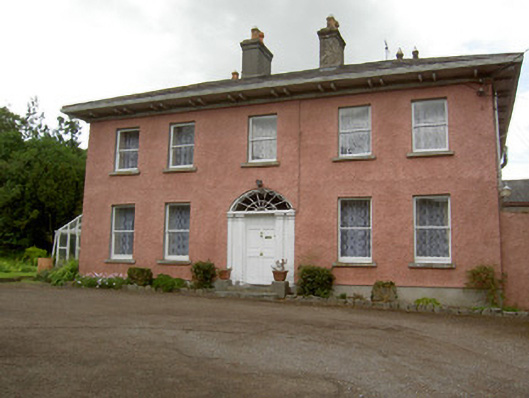
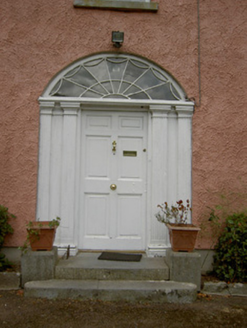
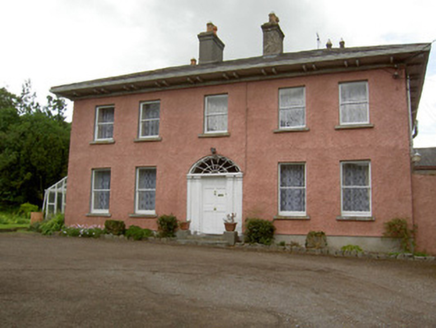
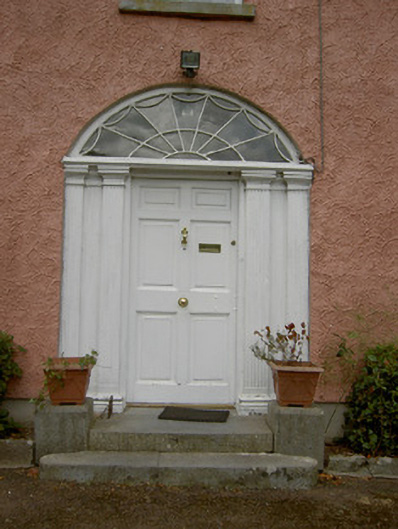
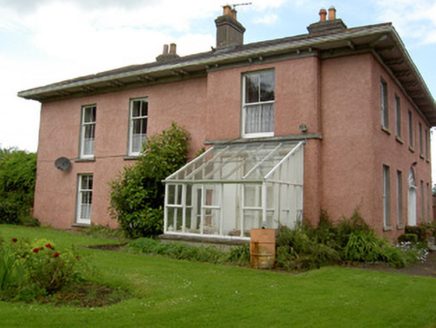
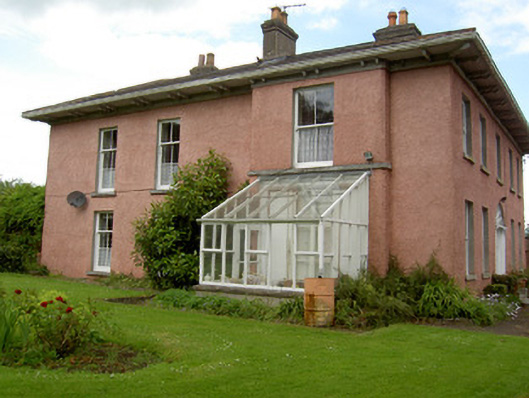
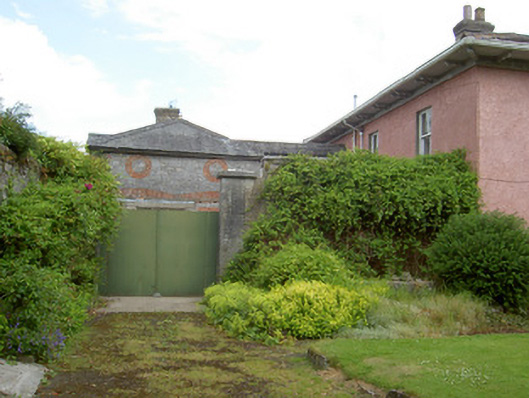
Detached five-bay two-storey deanery, built c.1790, having three-bay side elevations, slightly advanced bay with timber conservatory to southeast, and multiple-bay two-storey outbuildings attached to rear. Hipped slate roof with sheeted overhanging eaves having carved timber brackets, rendered chimneystacks and render eaves course. Painted roughcast rendered walls with dressed limestone sill course to advanced bay. Square-headed window openings with timber sliding sash windows, one-over-one pane to front, two-over-two pane to rear and four-over-four pane and two-over-two pane to southeast elevation, all with limestone sills. Fixed timber windows to conservatory with concrete sill. Segmental-headed entrance doorway with carved timber doorcase having timber panelled door flanked by paired fluted timber pilasters also fluted in between, with cornice and decorative cobweb fanlight and having limestone steps. Square-headed opening to conservatory with timber panelled half-glazed double-leaf door. L-plan two-storey outbuilding to rear having hipped and pitched slate roofs with rendered chimneystack and cast-iron rainwater goods and rubble limestone walls with circular details in red brick. Rendered piers to entrance with rendered caps and cast-iron gates.
Appraisal
This building is distinguished by its widely overhanging eaves and central chimneystacks that emphasise the symmetry of its main façade. The latter incorporates a fine doorcase that is given added prominence by the paired pilasters to each side, and the fine cobweb fanlight, the whole providing a decorative focus to the house. Its function, as the deanery of the Church of Ireland cathedral, places the house in the sequence of residences associated with the cathedral and groups it with the cathedral and palace precincts, all three about the same distance apart and forming a national important collection of ecclesiastical buildings.