Survey Data
Reg No
21903114
Rating
Regional
Categories of Special Interest
Archaeological, Architectural, Artistic
Original Use
Country house
In Use As
Country house
Date
1820 - 1840
Coordinates
155471, 136101
Date Recorded
15/11/2007
Date Updated
--/--/--
Description
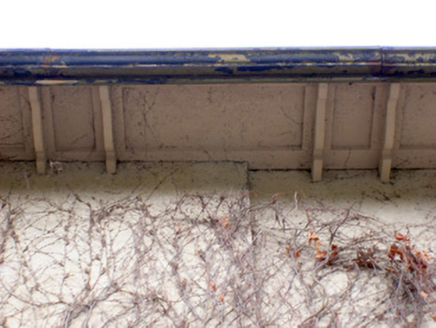
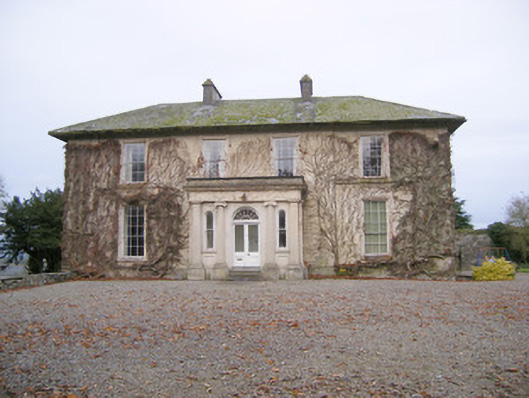
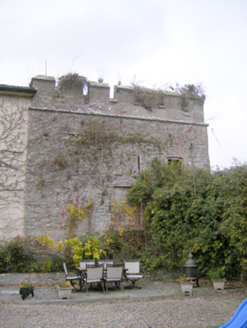
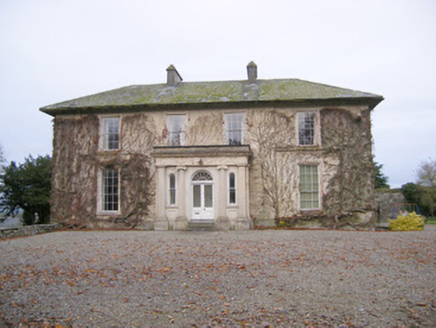
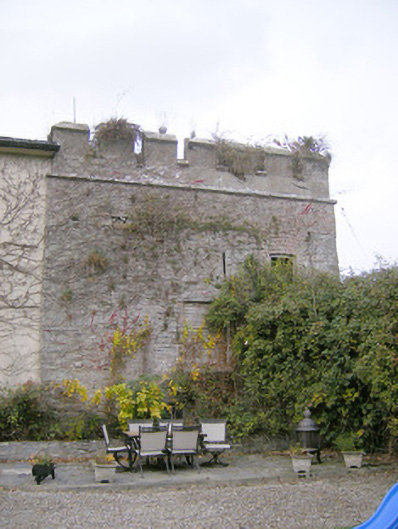
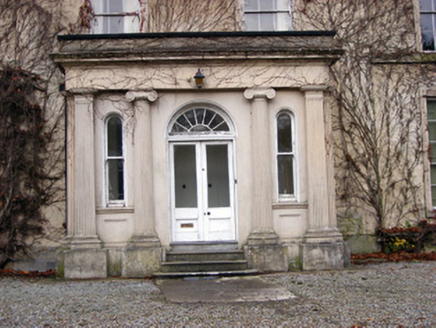
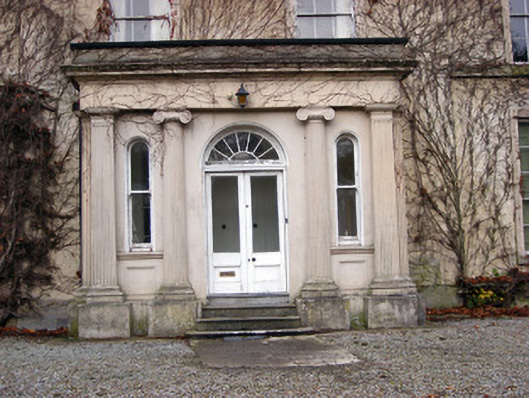
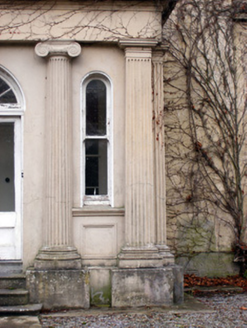
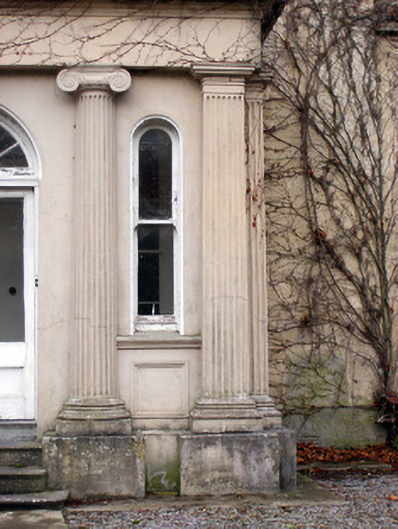
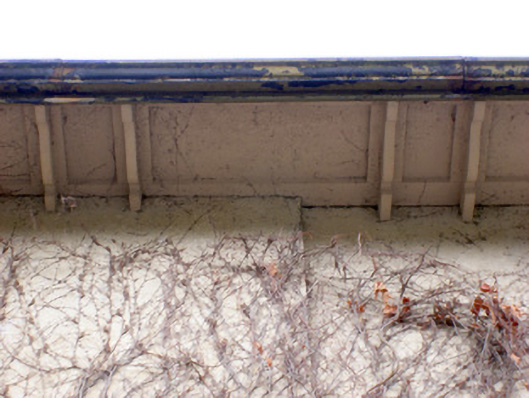
Detached four-bay two-storey over basement country house, built c. 1830, with central breakfront, portico to front (west) elevation, five-bay side elevation and adjoining late medieval castle to rear (east) elevation. Hipped slate roof with overhanging eaves, rendered chimneystacks and timber eaves brackets. Roughcast rendered walls with smooth render plinth. Square-headed openings having four-over-four pane timber sliding sash windows to first floor with moulded render surrounds and continuous limestone sill course. Six-over-six pane timber sliding sash windows to ground floor with moulded surround and limestone sills. Portico comprising fluted Doric style pilasters to corners, flanking engaged fluted Ionic columns supporting entablature, central double-leaf timber glazed door having flanking round-headed sidelights and spoked fanlight above. Approached by limestone steps. Castle to rear having rubble limestone walls with cut limestone crenellations having stringcourse beneath. Single-storey modernised and extended gate lodge to front (west) of site. Cast-iron gates and railings to front of site flanked by square-profile cut limestone piers and sweep walls.
Appraisal
This pleasing middle sized country house is of balanced proportions and retains its original form and many of its original features. It was designed by and construction supervised by Charles Frederick Anderson for Robert Ievers. The proportions of the house with widely spaced central chimneystacks, overhanging eaves, symmetrical windows and an over basement construction creates a sense of grandeur with these elements derived from Georgian architecture. The elaborate porch further enlivens the façade with underlying classical design displayed though the use of mixed Doric and Ionic columns. The abutting castle to the rear is a most notable feature which shows an earlier use of the site with connections to the late medieval period.