Survey Data
Reg No
21901313
Rating
Regional
Categories of Special Interest
Architectural, Artistic, Social
Original Use
Church/chapel
In Use As
Office
Date
1880 - 1900
Coordinates
154006, 153499
Date Recorded
18/11/2007
Date Updated
--/--/--
Description
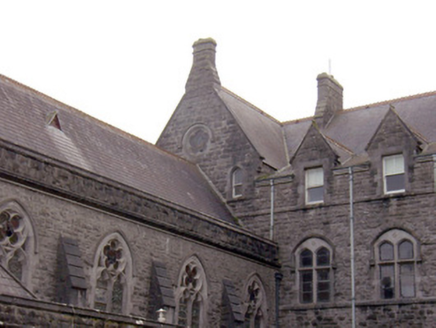
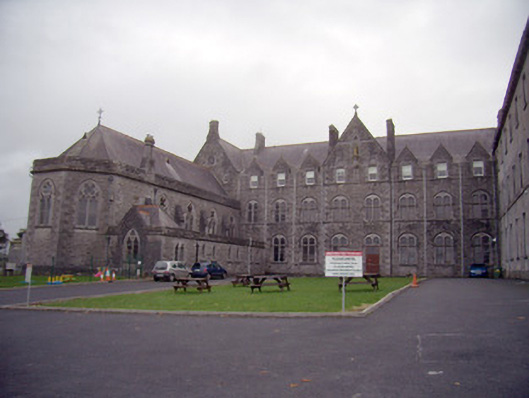
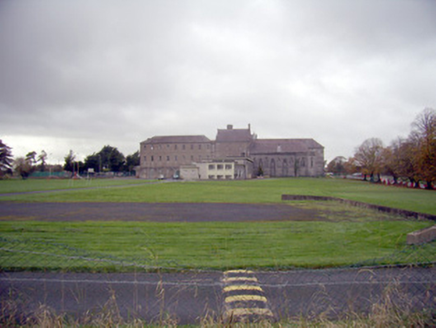
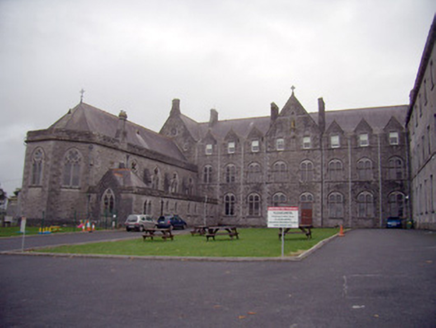
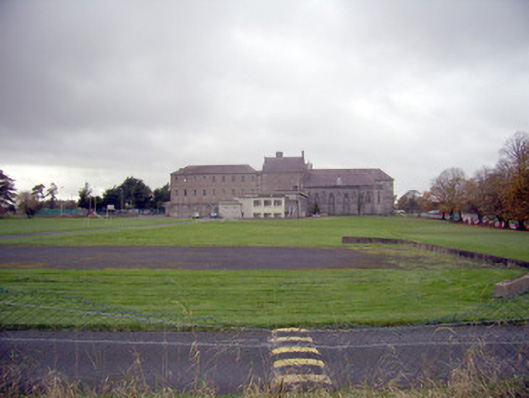
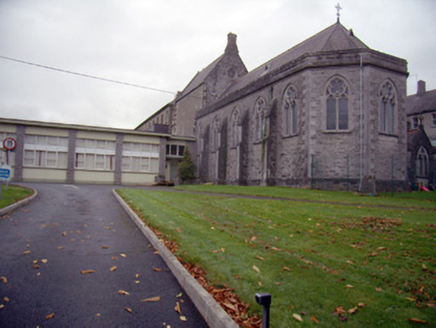
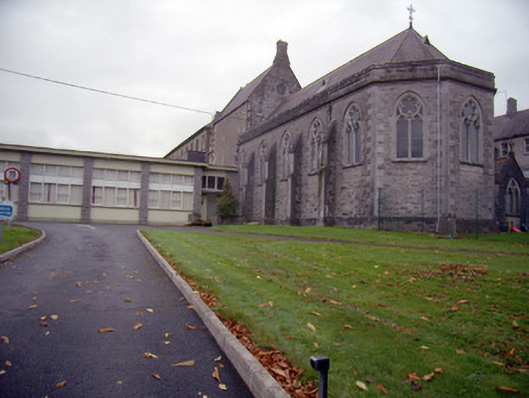
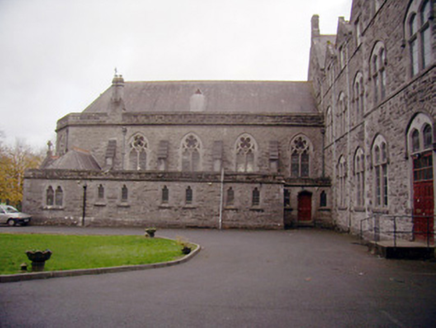
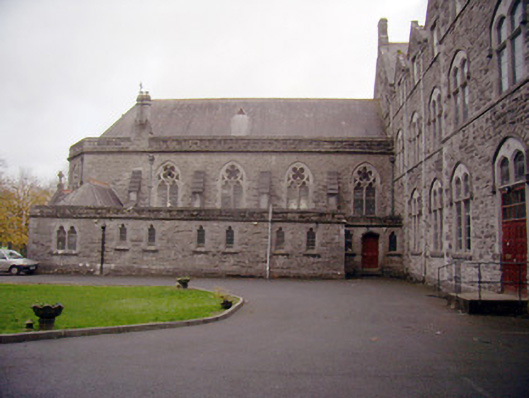
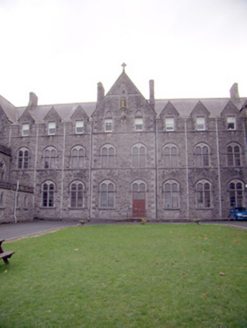
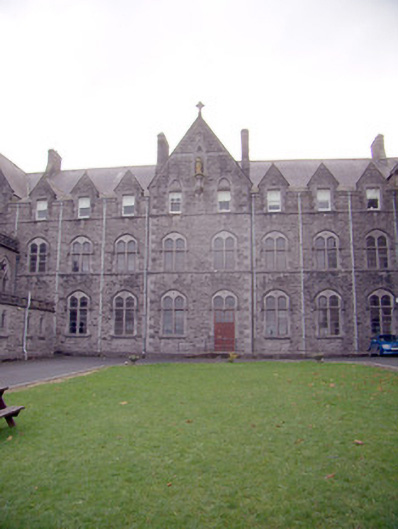
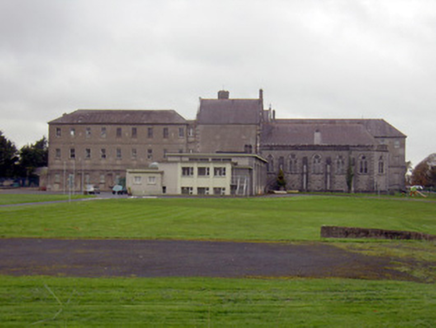
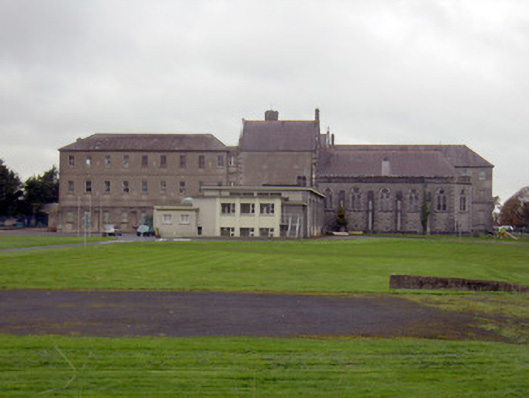
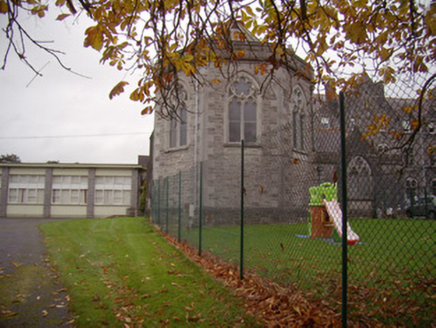
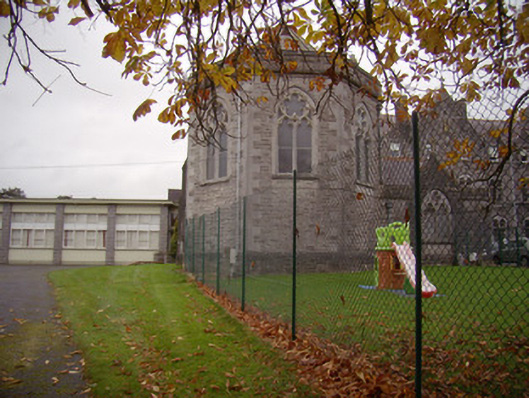
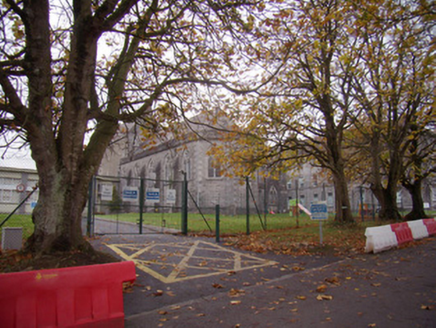
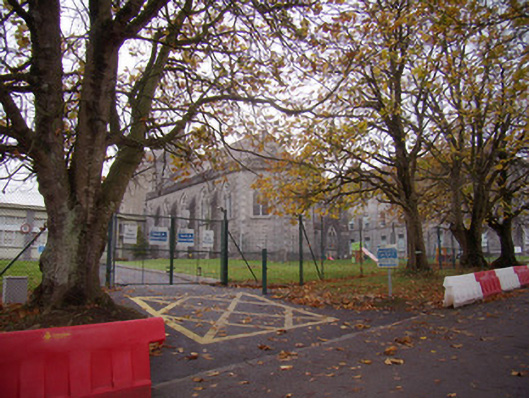
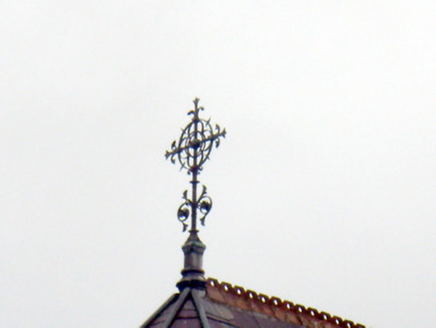
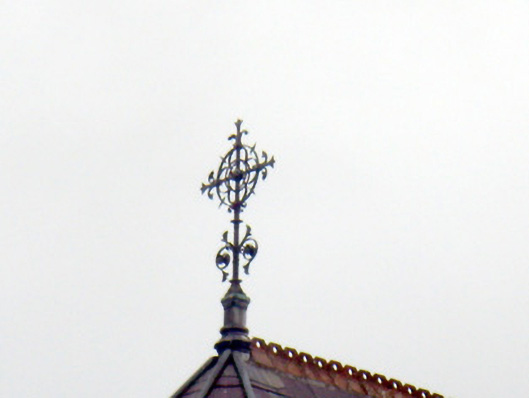
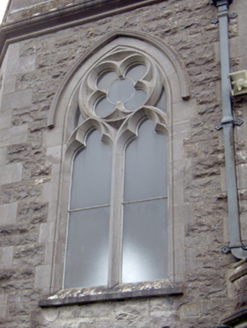
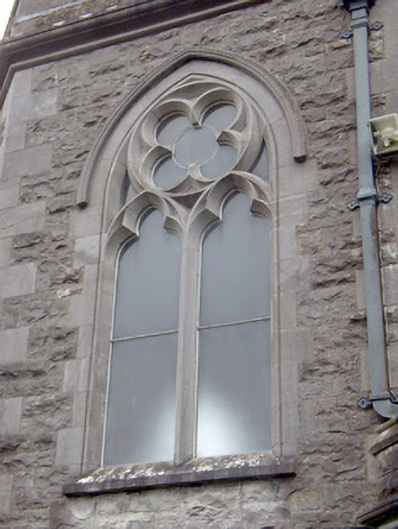
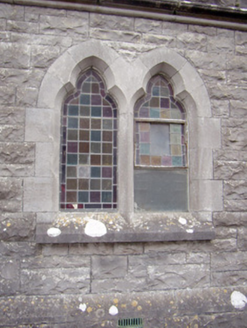
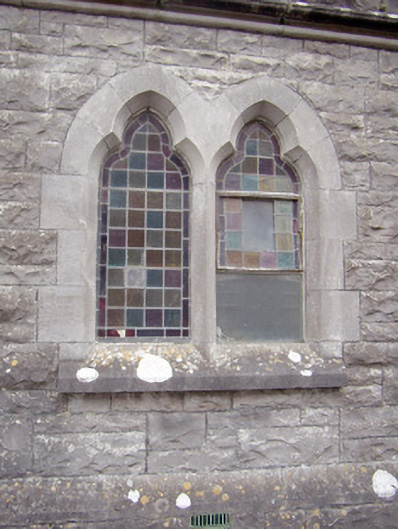
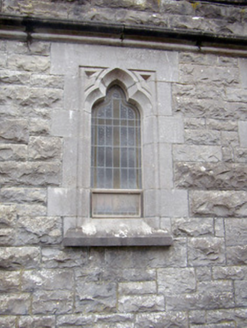
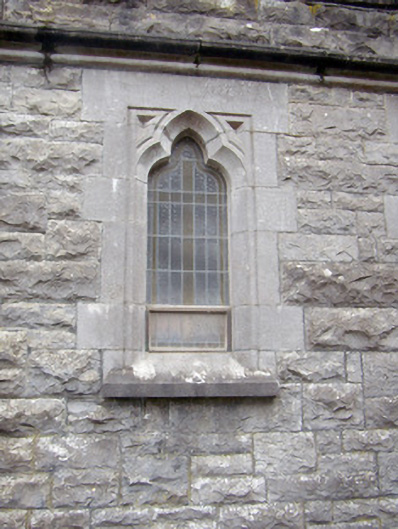
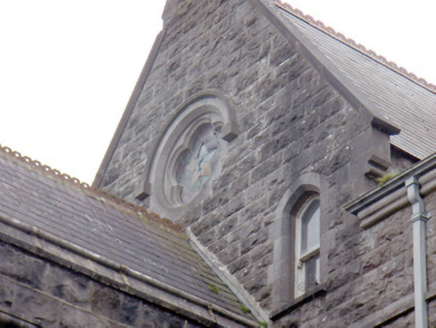
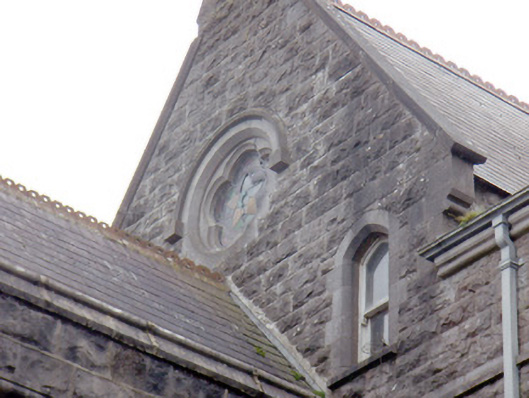
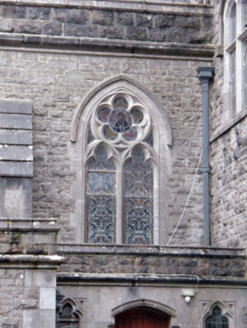
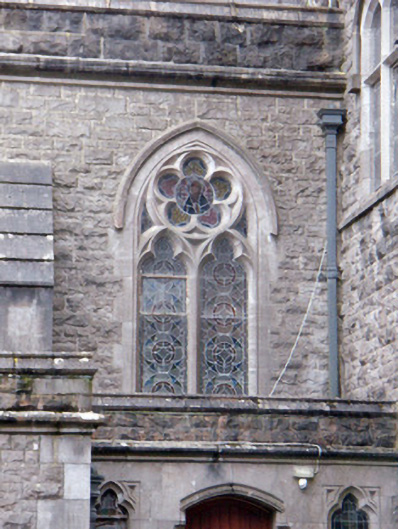
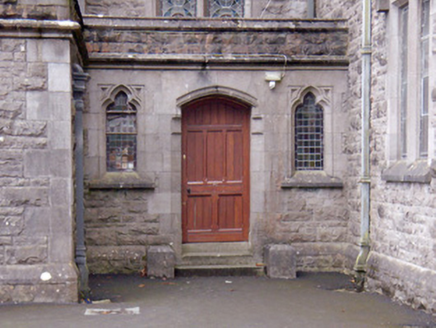
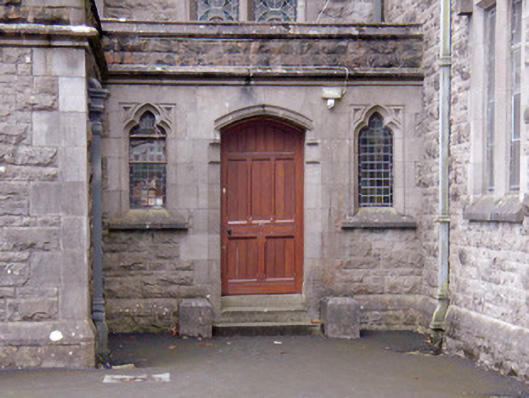
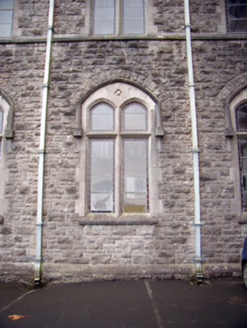
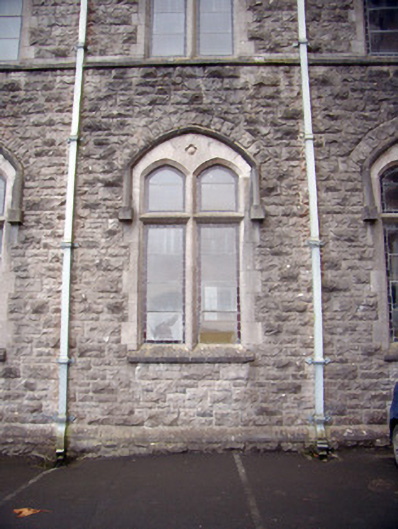
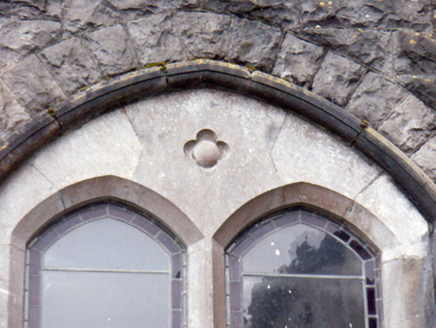
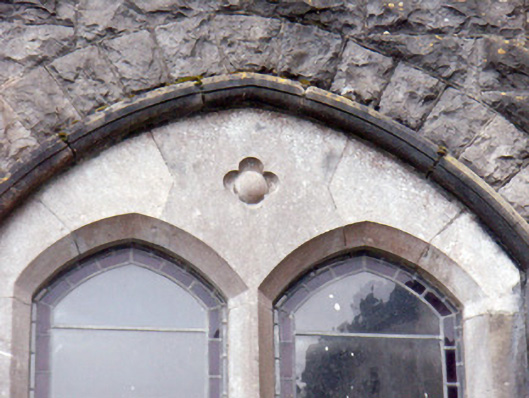
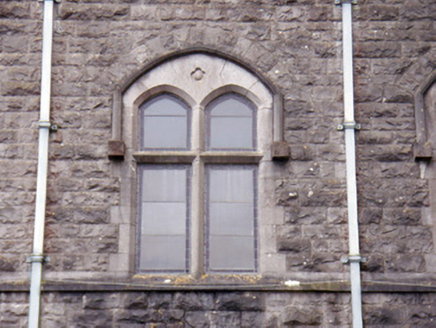
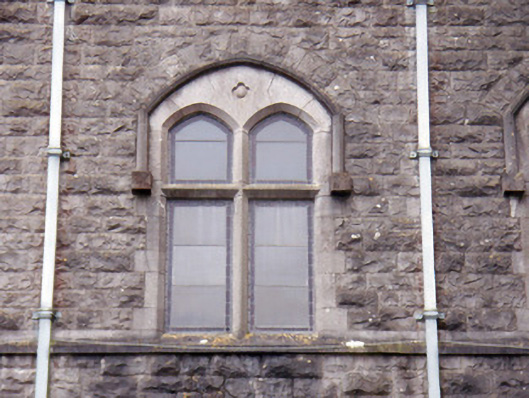
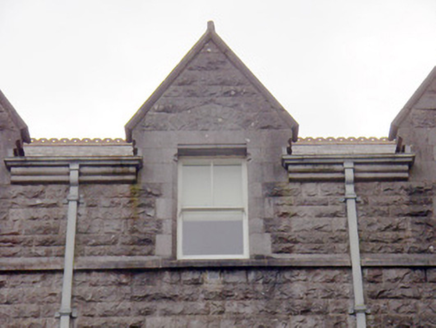
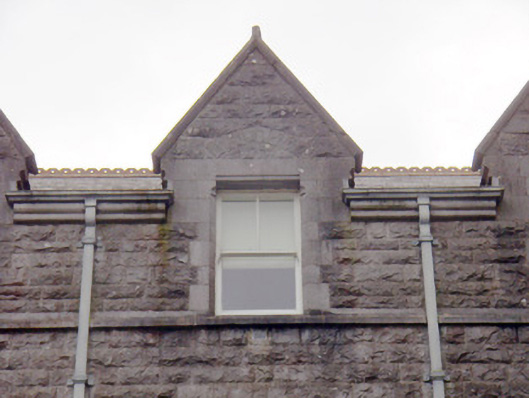
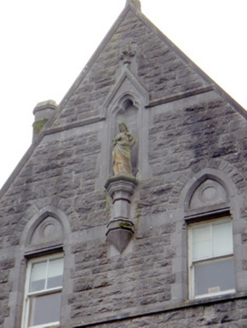
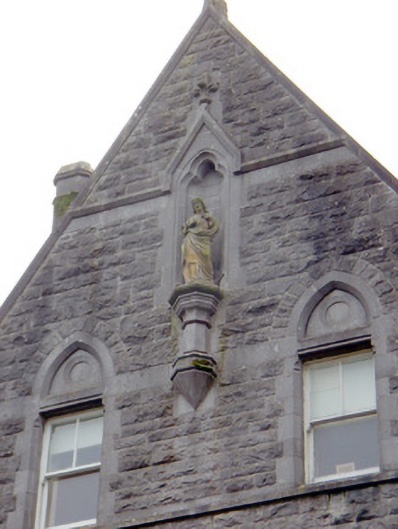
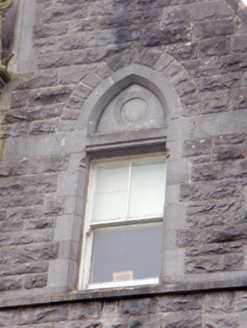
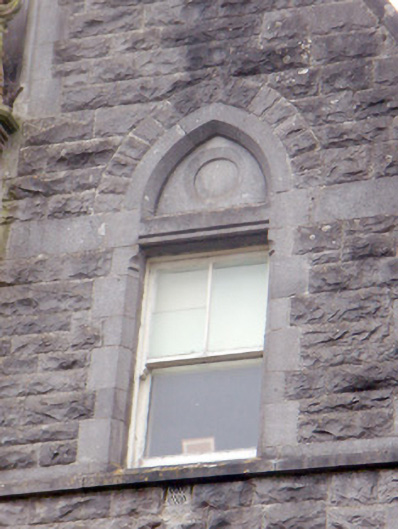
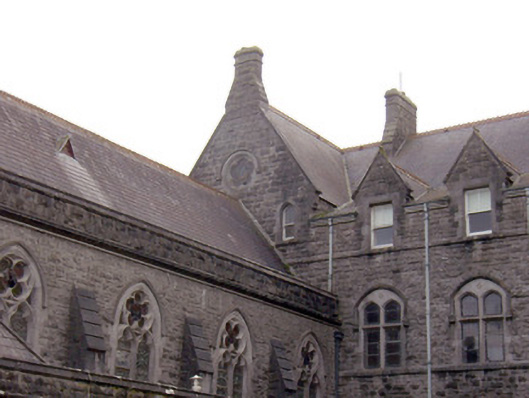
Detached ten-bay three-storey former college and collegiate chapel, built c. 1890, comprising ten-bay three-storey south block with central two-bay gabled breakfront and gablets. Chapel comprising four-bay nave with three-bay canted chancel to north and seven-bay side aisle to west. Recent five-bay single-storey addition to east, and nine-bay three-storey extension to rear (south) attached by single-bay three-storey link. Now in use as offices. Pitched slate roofs with terracotta ridge tiles and tooled limestone chimneystacks, wrought-iron decorative cross finial with quatrefoil motif to chancel and tooled limestone cross to south block breakfront apex. Slated dormer roofed vents to church block roof. Flat felted roof to east addition and hipped slate roof to rear extension and link. Rusticated ashlar limestone parapet to church block and side aisle. Carved limestone eaves course to south block. Rusticated limestone walls with tooled limestone continuous sill courses. Tooled limestone quoins. Tooled limestone statuary recess to breakfront having ogee-headed opening with pointed arch over having decorative tooled limestone foliate finial. Gilded figural statue on demi-hexagonal plinth with stepped capital and pointed corbel. Limestone ashlar buttresses to nave. Smooth rendered walls to rear additions having render stringcourse. Panelled cement rendered walls to east addition. Cinquefoil window opening to third floor westernmost gable of south block, having tooled limestone surround with stained glass window. Pointed arch window opening having tooled limestone surround with one-over-one pane timber-sliding sash window. Shouldered square-headed openings to third floor south block having replacement tooled limestone surround and two-over-two pane timber sliding sash windows. Pointed arch tooled limestone recess over openings to breakfront having circular recess. Flattened pointed arch openings to ground and first floors, having paired pointed arch window openings with tooled limestone surrounds having quatrefoil recess to tooled surround. Tooled limestone hoodmoulding over. Tooled limestone mullions, having leaded fixed pane windows with coloured glass leaded borders. Pointed arch window openings to nave and chancel having tooled limestone surrounds with hoodmouldings, having alternate cinquefoil and quatrefoil glazed mullion patterns supported on ogee-headed openings, having stained glass windows. Ogee-headed window openings to side-aisle, paired openings to north, with tooled limestone surrounds and stained glass windows. Three-bay porch to south-west corner, with ogee-headed window openings having tooled limestone surrounds and stained glass widows. Square-headed window openings to east addition having timber framed windows. Square-headed window openings to rear extension having render sills and two-over-two pane timber sliding sash windows. Shouldered pointed arch door opening with timber panelled door to church block porch. Inserted square-headed door opening into flattened-pointed arch headed window opening to ground breakfront, having paired pointed arch window openings over with tooled limestone surround having quatrefoil, tooled limestone hoodmoulding, tooled limestone mullions and leaded fixed pane overlight with coloured glass leaded borders. Secondary rectangular overlight with timber framed fixed pane windows. Timber panelled double-leaf door approached by cement wheelchair ramp with aluminium railings. Set in landscaped grounds and attached to the older agricultural college.
Appraisal
This block of the college creates an imposing first impression, forming a pleasing contrast to the more restrained architecture of the older section of the complex. The dramatic Gothic Revival architecture indicates the religious affiliations of this section of the building. It was built with £2000 funds donated to Fr. Ronan by the Bishop and Lord Emly, along with further funds raised by Jesuits in America. It is an excellent example of large scale Gothic Revival architecture of the late nineteenth century in Ireland. The exterior is notable for the finely carved dressings, sill course and hoodmouldings as well as the variety in fenestration. It can be seen as representative of the craftsmanship of the period in Ireland and is of both architectural and artistic merit.