Survey Data
Reg No
21512007
Rating
Regional
Categories of Special Interest
Architectural, Artistic
Previous Name
National Bank of Ireland originally Munster Bank
Original Use
Bank/financial institution
In Use As
Shop/retail outlet
Date
1870 - 1890
Coordinates
157557, 157141
Date Recorded
03/06/2005
Date Updated
--/--/--
Description
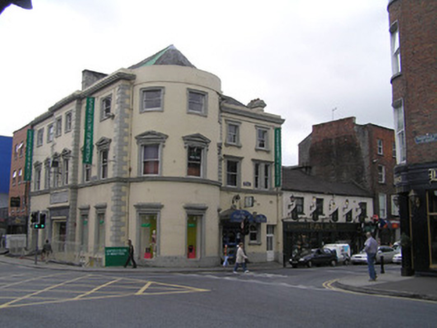
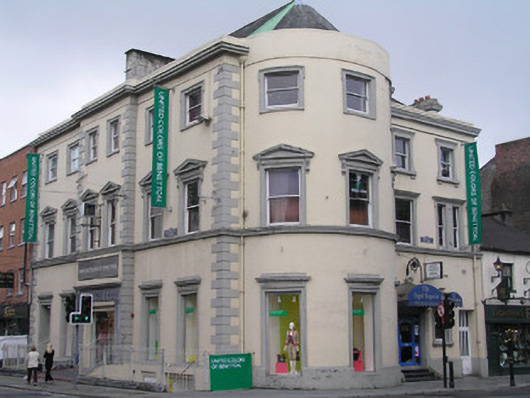
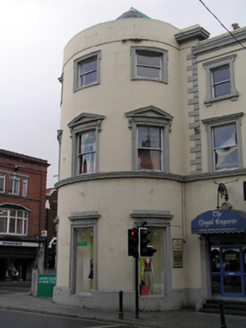
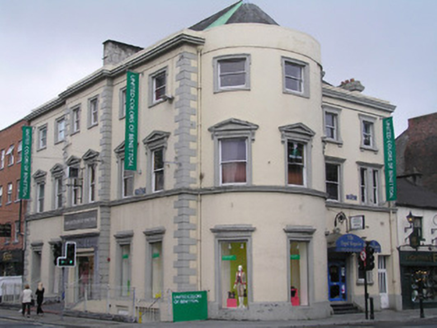
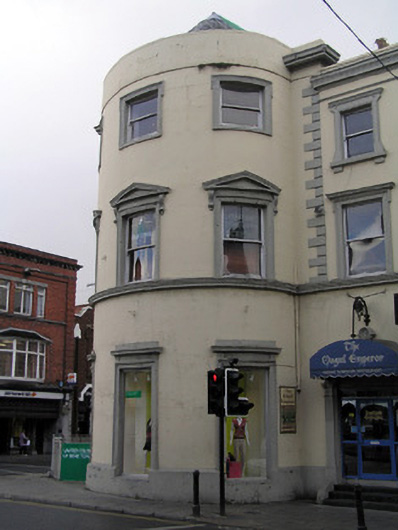
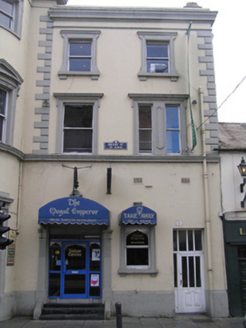
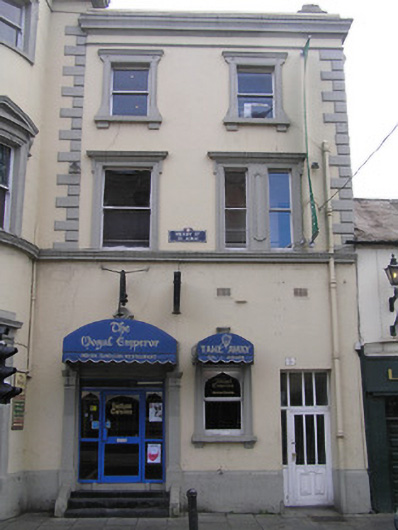
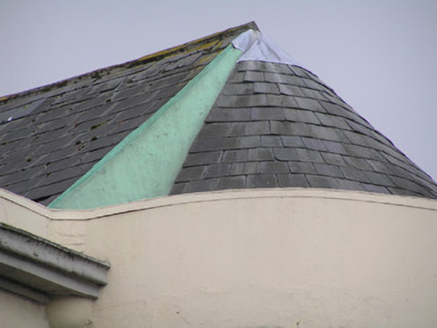
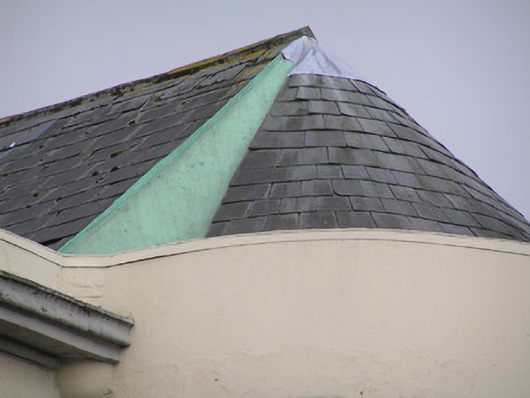
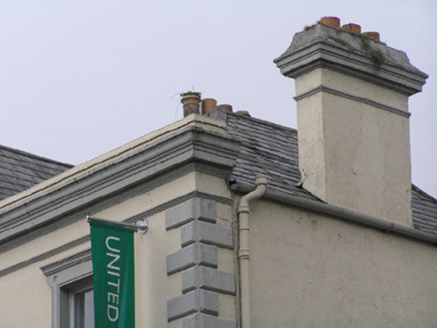
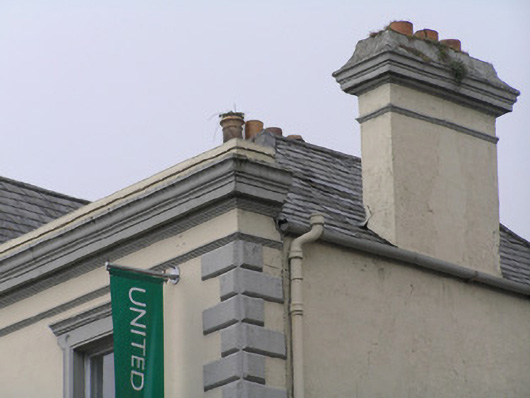
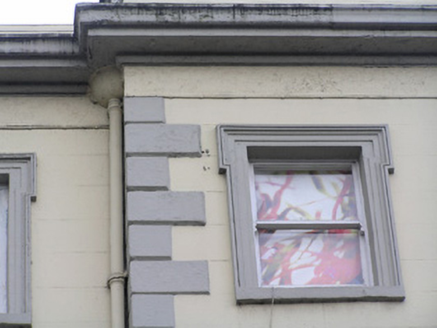
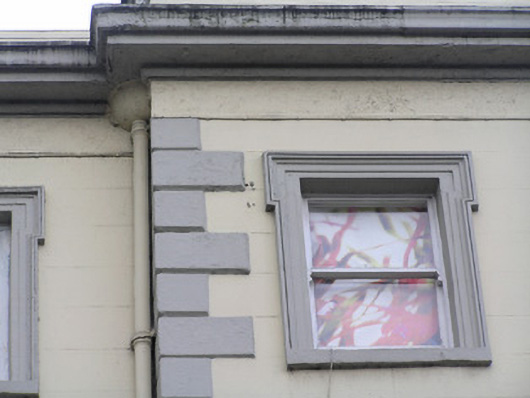
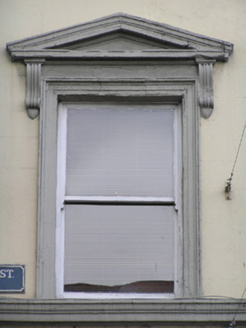
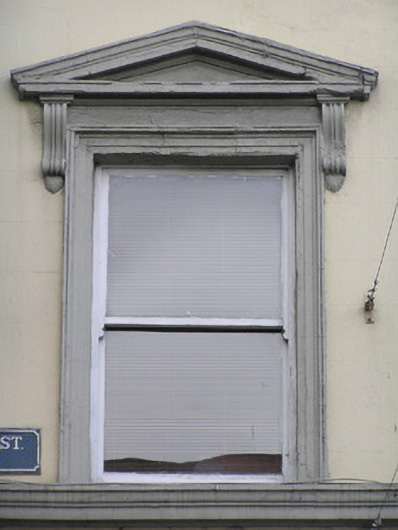
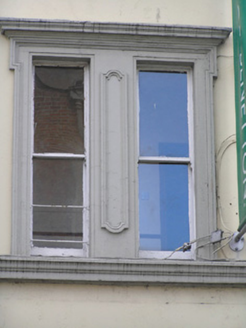
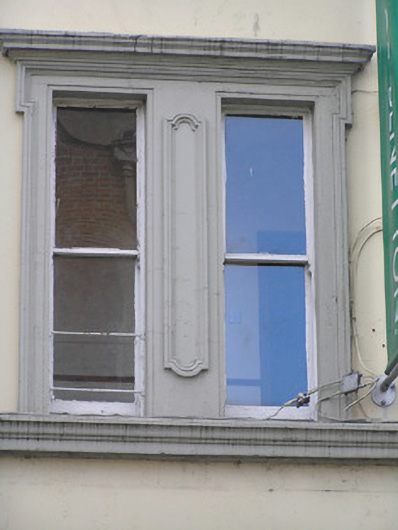
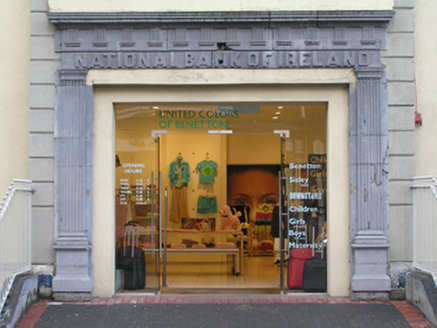
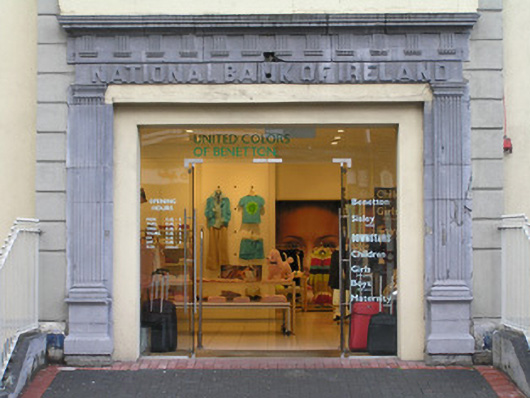
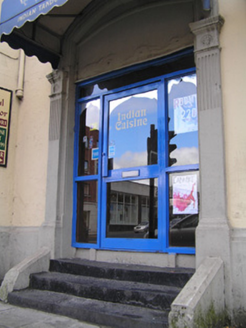
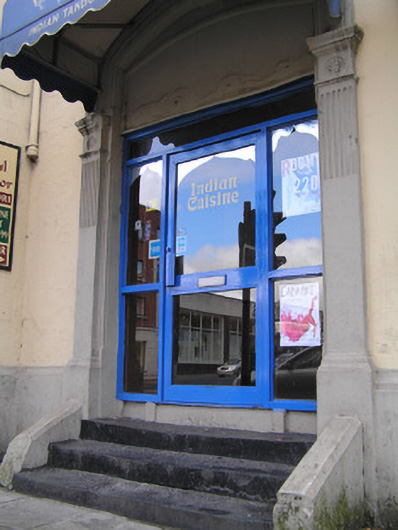
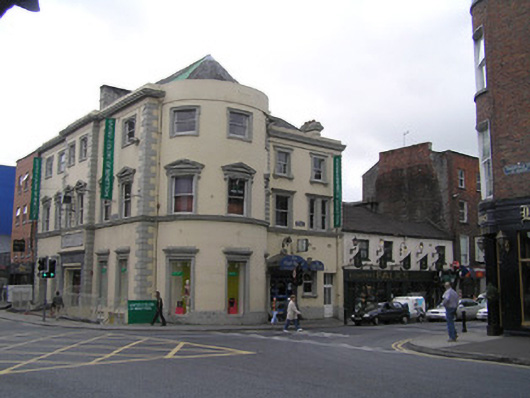
Corner-sited attached six-bay three-storey over basement former bank building, built c. 1880, possibly incorporating a number of earlier structures. Distinguished by a full-height two-bay entrance breakfront and full-height three-bay bow to the north-facing side elevation, and two-bay three-storey return facing Henry Street. Hipped artificial slate main roof with a semi-conical slate roof over bow end bay, with copper flashing lining the junction of the two. Two rendered chimneystacks, plain to main roof, and having heavy cornice and flaunching to south wall of return. Painted ruled and lined rendered walls throughout with stucco detailing comprising rusticated quoining, and parapet entablature. Square-headed window openings throughout, with bipartite openings to return, each having a moulded stucco architrave, lugged to second floor, triangular pediments with console brackets to first floor, and plain entablature to ground floor, shouldered architraves to return openings, all with painted sills, and continuous sill course returning around bow and return elevation at first floor level. One-over-one timber sash windows throughout with ogee horns, all c. 1950. Sill levels dropped at ground floor level to bow, forming display windows, c. 1990. Centrally-placed square-headed door opening to breakfront, with Classically inspired limestone doorcase comprising fluted Doric pilasters on plinth base joined by Doric entablature, elongated beneath the frieze to form a name plate with raised limestone lettering reading: National Bank of Ireland. Opening onto a brick paved entrance platform flanked by limestone plinth wall with wrought-iron railings, which returns to enclose front site basement area. Segmental-headed door opening to return with moulded surround comprising part fluted Doric pilasters joined by segmental-arched archivolt, with modern canopy and glazed timber doorframe and door leaf, opening onto original limestone steps.
Appraisal
This former bank building appears to have been extensively renovated during the late twentieth century. However, externally, the façade composition remains largely intact forming a significant building at this important corner site. Bank buildings, whether purpose built or forming an adaptation of existing structures in the streetscape, have traditionally used classical detailing to emphasise their identity and presence on the streetscape. Prominent locations such as corner sites were utilised to further emphasise this presence. On the 1872 edition this site is marked as the Munster Bank.