Survey Data
Reg No
20913412
Rating
National
Categories of Special Interest
Archaeological, Architectural, Historical, Social
Original Use
Castle/fortified house
In Use As
House
Date
1660 - 1700
Coordinates
126870, 38600
Date Recorded
17/06/2009
Date Updated
--/--/--
Description
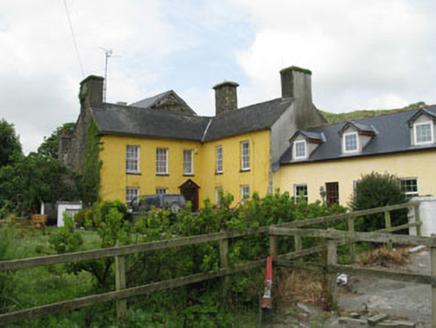
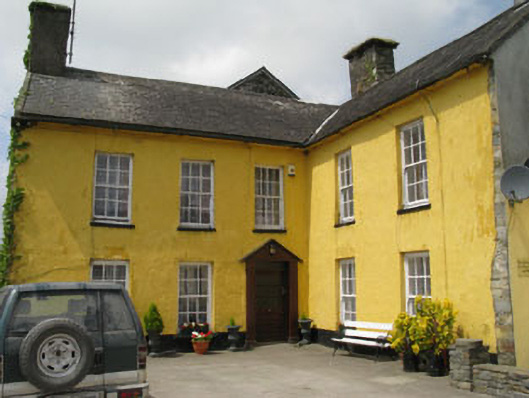
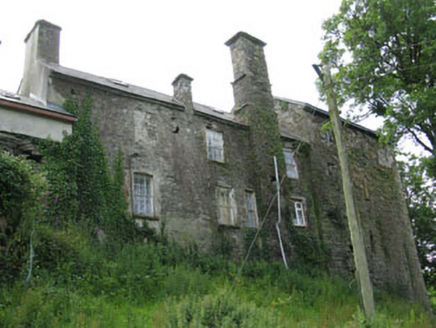
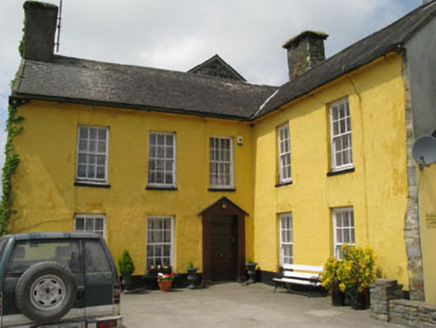
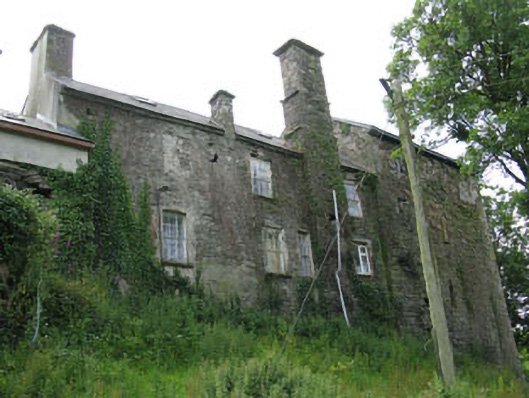
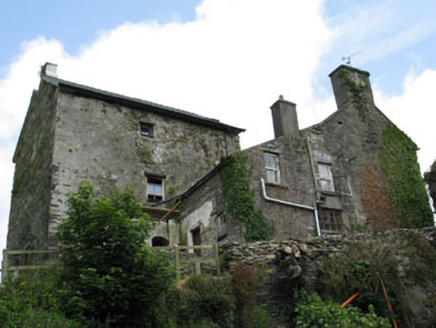
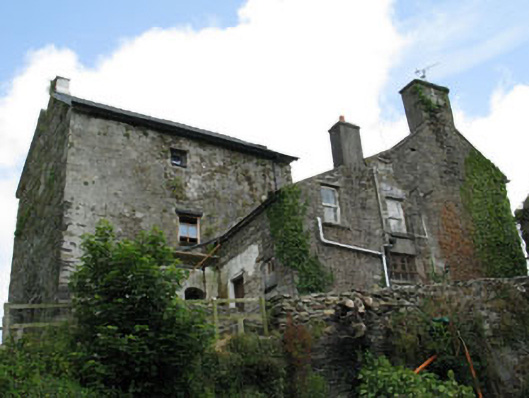
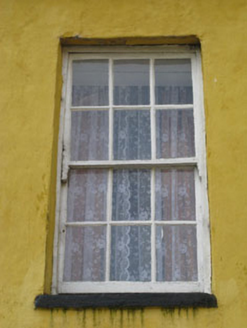
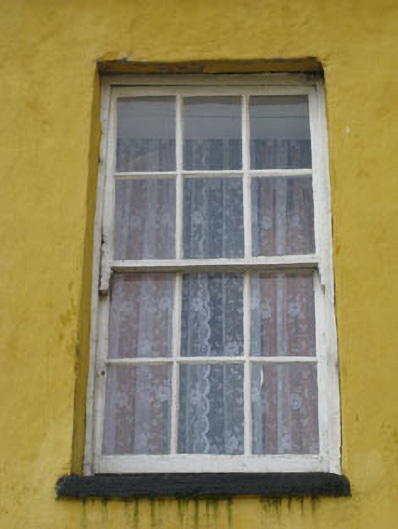
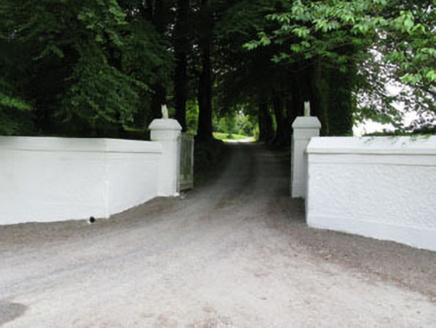
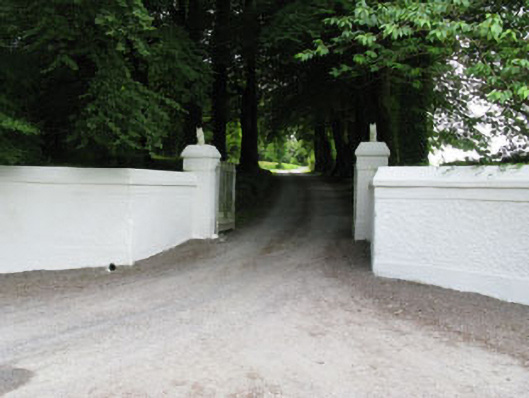
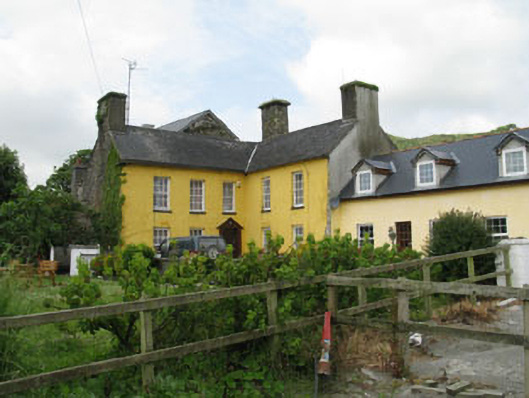
Detached L-plan five-bay two-storey house, built c.1680, remodelled c.1780. Incorporating three-stage sixteenth century tower house to rear (west). Now also in use as guest house. Pitched slate roofs with rendered and dressed stone eaves courses, rendered and rubble stone chimneystacks and uPVC rainwater goods. Single-pitch slate roof to lean-to having stone eaves course. Rendered walls to front elevations, rubble stone walls elsewhere having sections of render throughout. Square-headed window openings with stone and rendered sills throughout, having six-over-six pane timber sliding sash windows. Single eight-over-eight pane timber sliding sash window to front elevation. Four-over-four pane timber sliding sash window to side (north) elevation. Some uPVC and replacement timber casement windows to lean-to and side (north) elevation of return. Square-headed door opening to front elevation within recent timber doorcase, having glazed timber door with overlight. Recent pitched slate roof to tower house, having rubble limestone walls with quoins. Lancets with limestone sills and surrounds to front (west) elevation, later square-headed window openings elsewhere having recent timber framed windows. Square-headed door opening to front elevation having rendered reveals and recent glazed timber door, approached via rubble limestone steps with recently rendered surface. Two-storey outbuilding to east of site, having pitched slate roof, rendered walls and square-headed openings with timber battened fittings. Door to side (south) elevation approached via rendered steps. Four-bay single-storey with dormer attic extension to east gable. Located within own grounds, having splayed entrance to roadside, comprising roughcast rendered walls and square-profile gate piers, with chamfered rendered caps and double-leaf cast-iron gates.
Appraisal
A significant house, retaining fabric from many centuries, which is an important addition to the architectural heritage. It is a fascinating example of a building which has been altered and modified to suit changing needs and fashions, while still retaining its historic character. The tower house, according to Annals of Four Masters, was built by Catherine Mac Carthy Riabhach in the sixteenth century. This was later lower and extended with the addition of a seventeenth century house by the Morris family. This house was again altered in the eighteenth century. Apparently William Penn, the founder of Pennsylvania, often stayed at Castle Salem. It is interesting to note that there is a Quakers burial ground to the east of the house, suggesting that its seventeenth century owners, like Penn, were Quakers.