Survey Data
Reg No
20911257
Rating
Regional
Categories of Special Interest
Architectural, Artistic, Social
Original Use
Church/chapel
In Use As
Church/chapel
Date
1945 - 1955
Coordinates
172322, 52176
Date Recorded
13/07/2009
Date Updated
--/--/--
Description
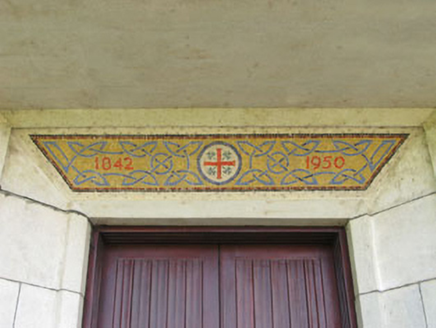
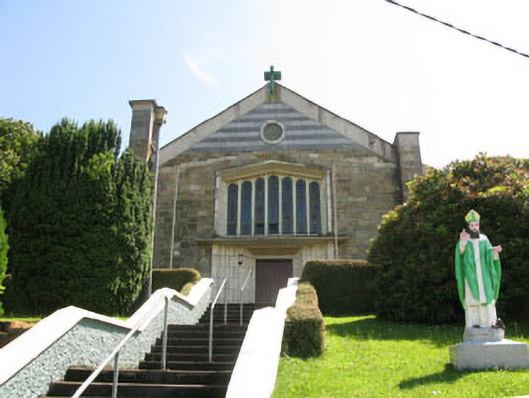
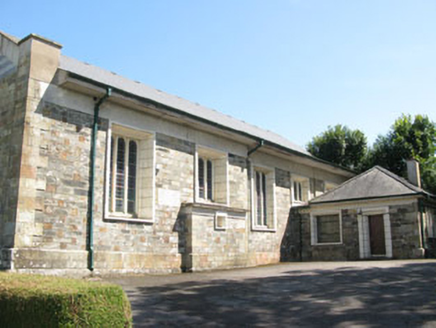
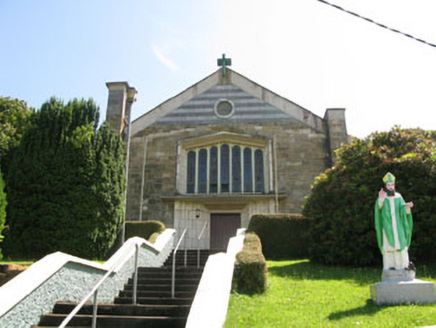
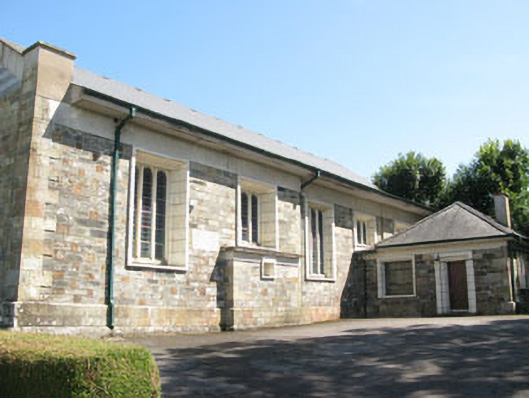
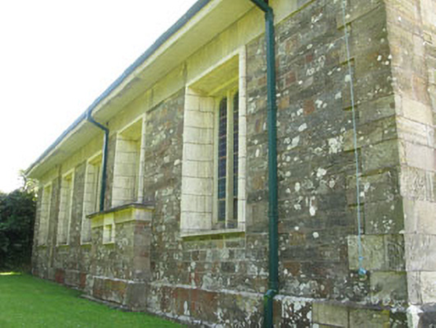
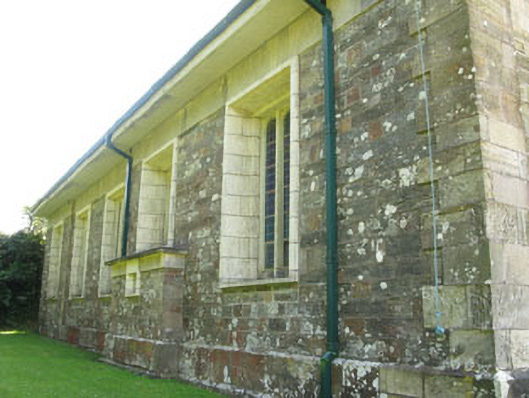
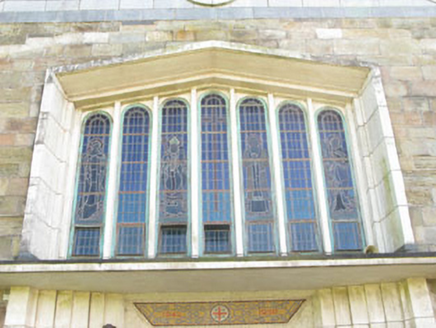
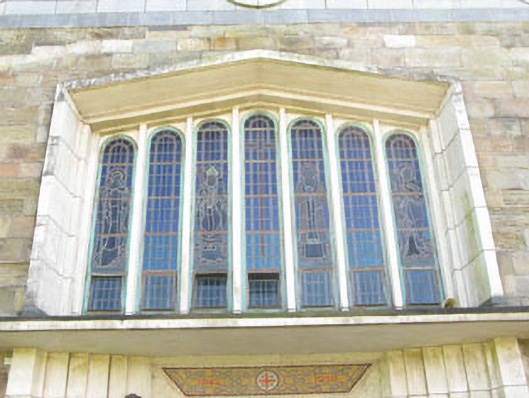
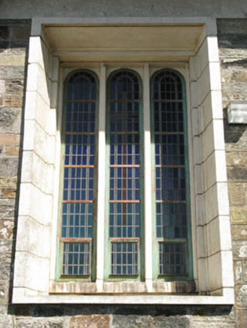
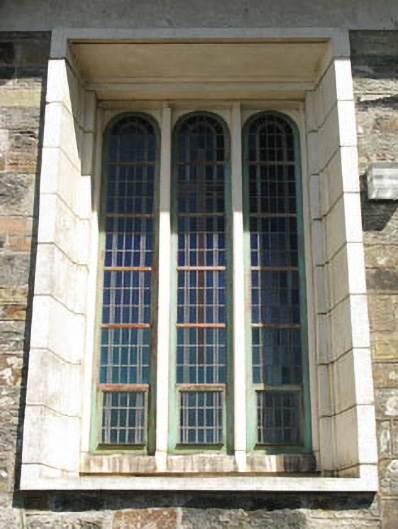
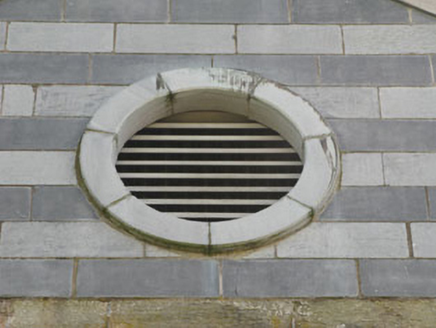
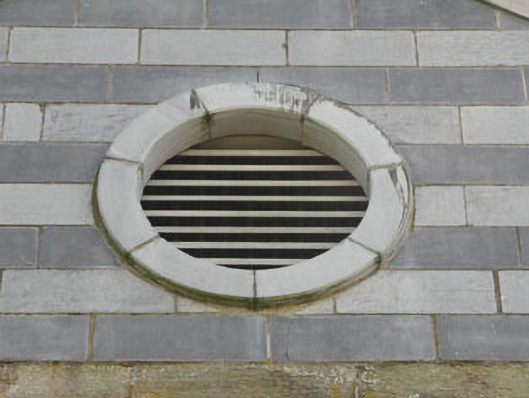
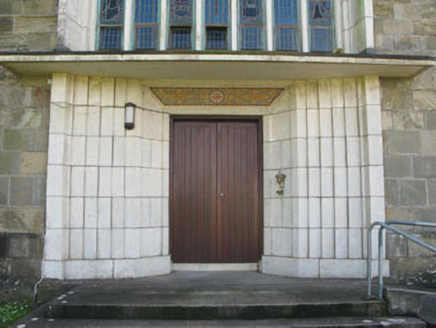
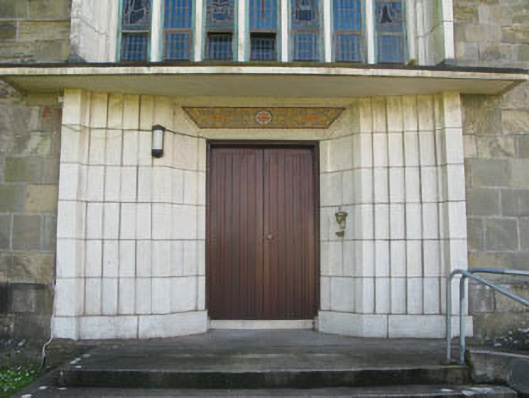
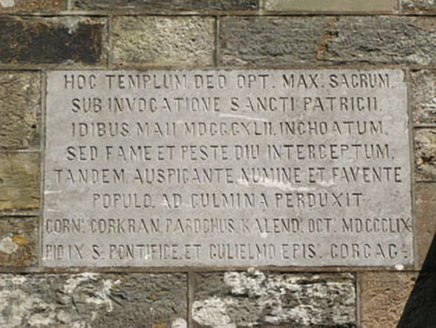
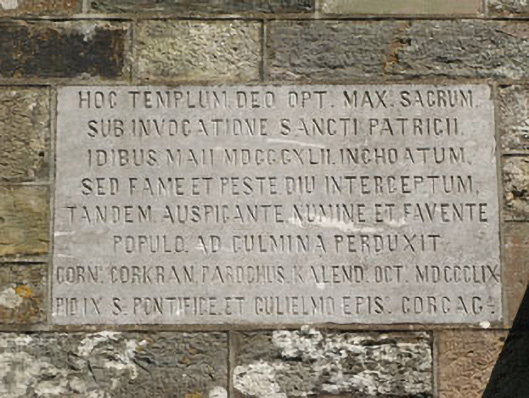
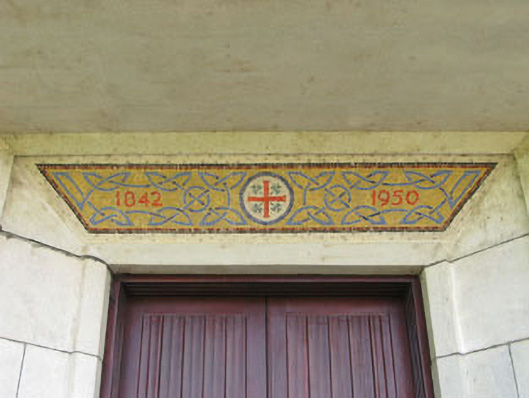
Freestanding gable-fronted double-height Roman Catholic church, built 1950, located on footprint of earlier church. Five-bay nave with single-bay single-storey flat-roofed confessionals to sides (east, west), having single-bay chancel to rear (south) and hipped roofed sacristy to side (west). Bellcote to south-west corner. Pitched artificial slate roof having rendered eaves course, gable coping and cruciform copper finial to front (north) gable and aluminium cast-iron rainwater goods. Hipped slate roof to sacristy with rendered eaves course and aluminium rainwater goods. Coursed stone block walls with tooled quoins and chamfered plinth. Render platband below eaves, dressed stone buttresses and limestone commemorative plaque to front elevation. Banding to gable apex of front elevation. Recessed pointed arch window opening with concrete surround and sill to front elevation, having seven round-headed lead-lined stained glass windows within plate tracery having dividing mullions. Recessed square-headed window openings with concrete sills and surrounds to nave and sacristy, having tripartite round-headed stained glass windows with mullions to nave. Multiple-pane copper casement window to sacristy. Oculus louvre opening with concrete surround to front gable. Square-headed door openings throughout, having stepped chamfered concrete surrounds and lintels. Mosaic depicting dates '1842' and '1950' to lintel of front elevation opening surmounted by projecting concrete canopy, having double-leaf timber battened doors with rendered stepped approach. Single-leaf timber battened door and rendered stepped approach to sacristy. Located within own grounds having rendered stepped approach with flanking roughcast rendered walls with moulded render coping.
Appraisal
An impressive church dominating the surrounding landscape. Most churches in the county date to the nineteenth century, and this is an interesting twentieth century example. Built before Vatican II, it does not embrace fully the design and construction possibilities which new materials, particularly steel and concrete, allow. Churches built following Vatican II are often revolutionary in their creation of scared space. This church remains an interesting reminder of the traditionalist forms adopted for church building in the first part of the century, which saw some utilisation of new materials, particularly seen in this instance in the windows.