Survey Data
Reg No
20870011
Rating
Regional
Categories of Special Interest
Architectural, Artistic, Historical, Social
Original Use
Church/chapel
In Use As
Church/chapel
Date
1950 - 1960
Coordinates
167090, 70152
Date Recorded
24/05/2011
Date Updated
--/--/--
Description
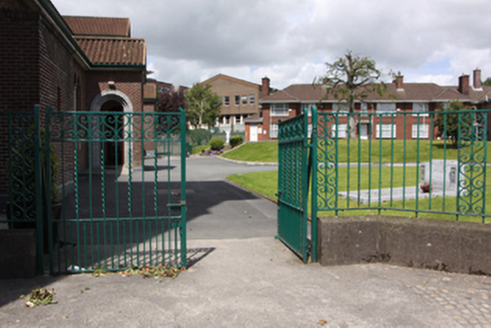
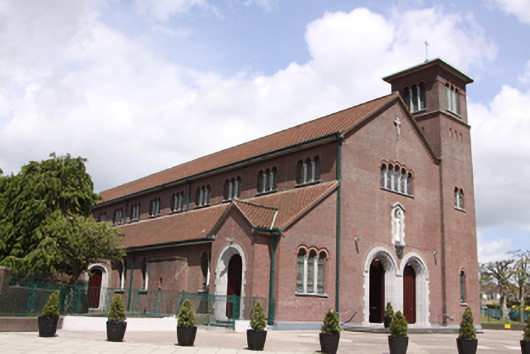
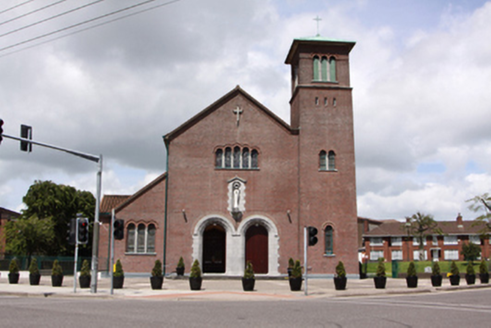
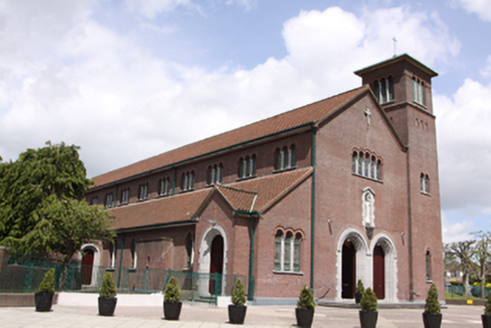
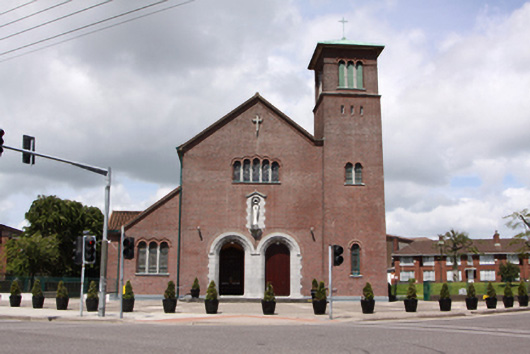
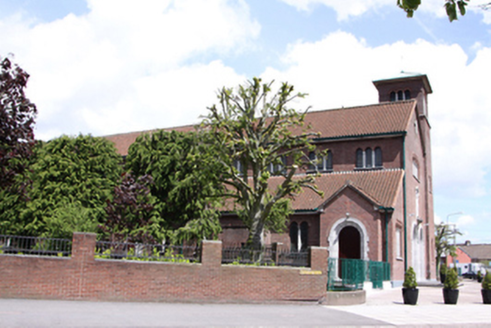
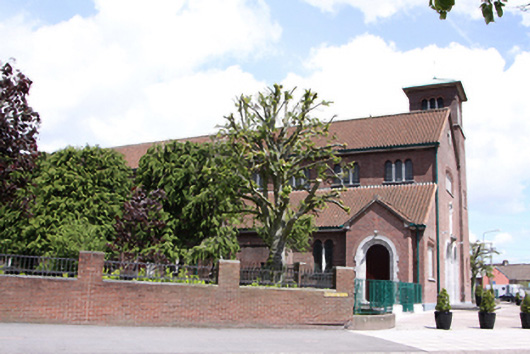
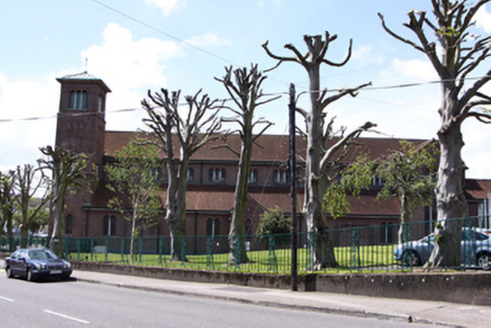
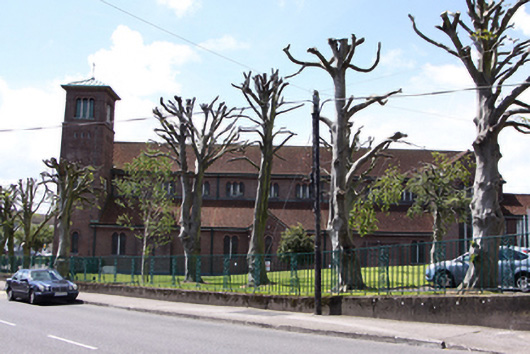
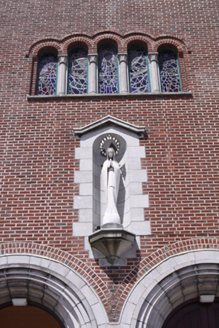
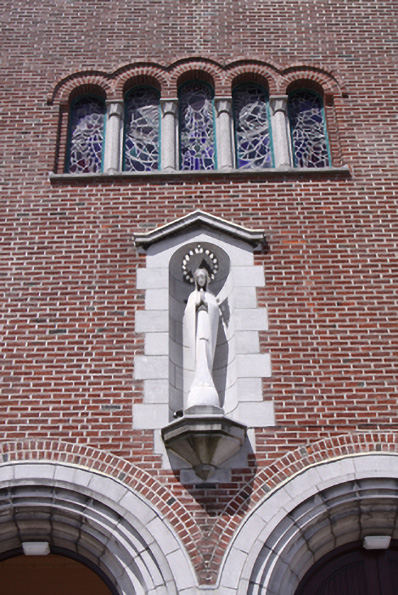
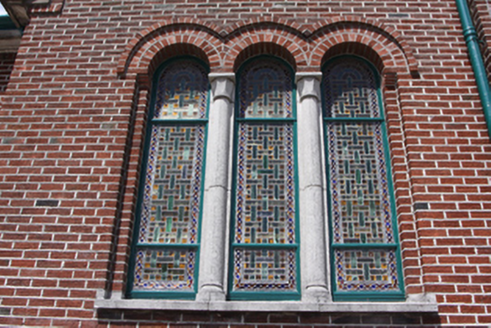
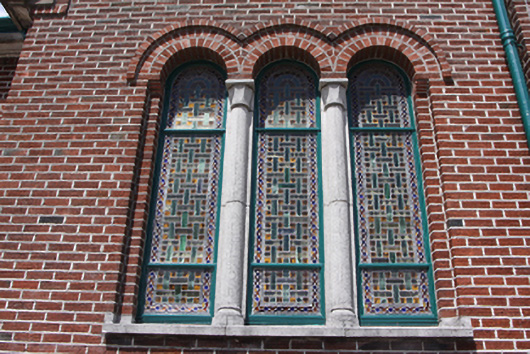
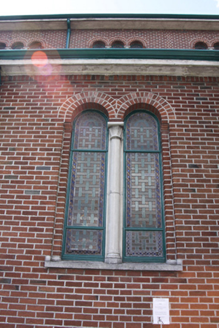
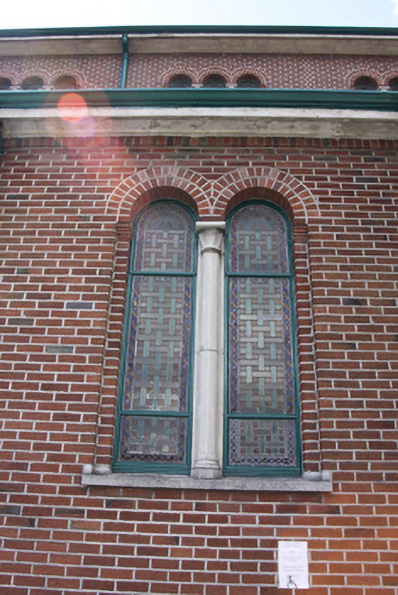
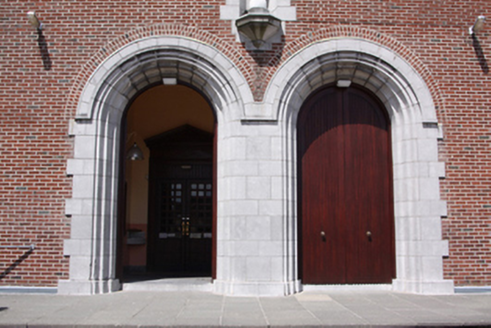
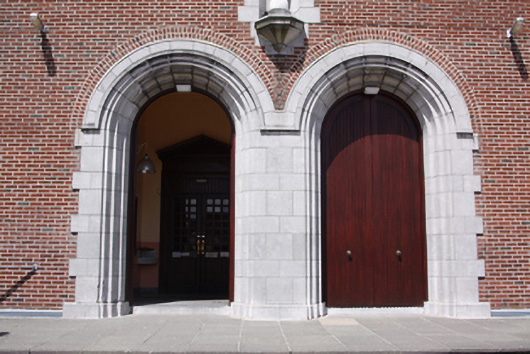
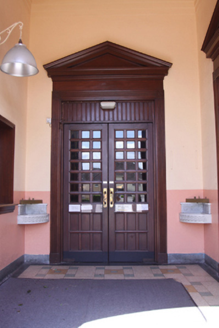
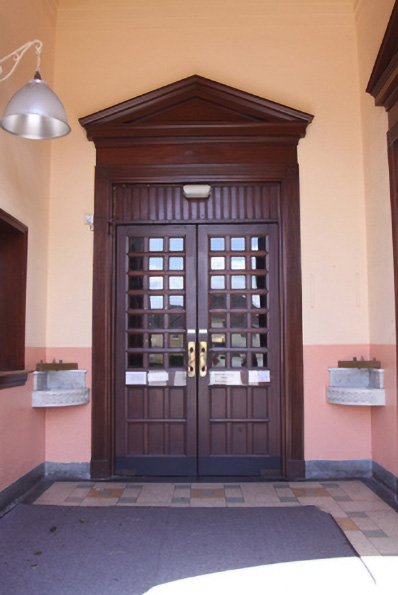
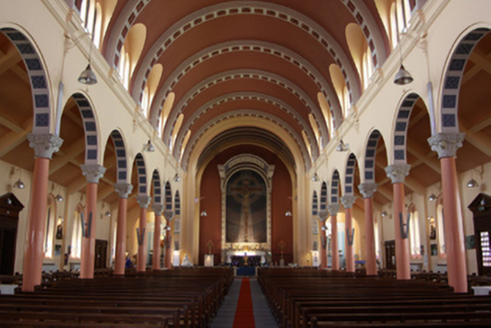
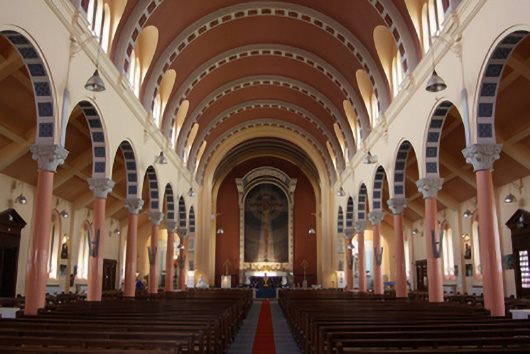
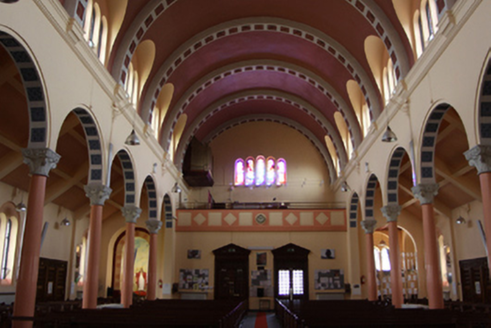
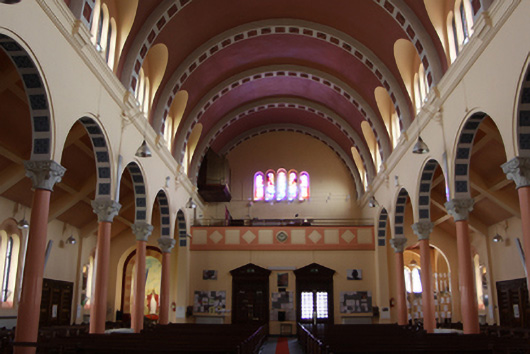
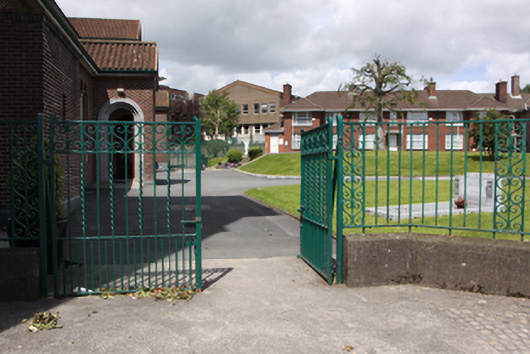
Freestanding gable-fronted Roman Catholic church, built 1953-6, having eleven-bay nave elevation, lean-to side aisles, gable-fronted transepts terminating flush with aisles, three-stage square-profile tower to southeast corner and T-plan two-storey sacristy attached to north. Pitched ceramic tiled roofs with overhanging eaves and cast-iron rainwater goods. Copper roof to the tower with cross finial to apex. Bred walls in a running bond with crosses to north and south gables. Statue of the Virgin Mary in cut limestone niche above entrance to south elevation. Tripartite windows to clerestory and south end of west aisle, bipartite windows to aisles, double-height tripartite windows to transept gables, with round-headed lights, cut limestone colonnette mullions, pre-cast sills and leaded stained glass. Five-light window to south elevation above main entrance having limestone colonnette mullions, precast sill and stained glass. Round-headed window openings to tower having bipartite window to second stage and tripartite window to third stage, limestone colonnette mullions, pre-cast sills and stained glass. Round-headed door openings, paired openings to south elevation, with cut limestone block-and-start surrounds, carved limestone archivolts, hood mouldings and filleted timber doors. Double-leaf doors to the main entrances. Inner doors to the all entrances have pedimented doorcases and panelled and glazed doors with tiled floors to the porches. Barrel-vaulted ceiling over nave with arcades to the side aisles of painted columns having precast capitals with diagonally placed volutes. Side chapels at each end of both aisles. Cast-iron railings and gates retained to the south and east boundaries of the church grounds.
Appraisal
This church is one of the 'Rosary of Churches' constructed in the 1950 and 1960s in the suburbs during the time of Cornelius Lucey's episcopate. Designed by architect J.R. Boyd Barrett, the church has been little altered since it was built and retains its original architectural character both externally and internally. With its distinctive building materials of red brick and limestone, and its location on a crossroads, the Church of the Assumption forms a prominent landmark in the area.