Survey Data
Reg No
20865037
Rating
Regional
Categories of Special Interest
Architectural, Social, Technical
Original Use
Waterworks
In Use As
Heritage centre/interpretative centre
Date
1860 - 1870
Coordinates
165000, 71515
Date Recorded
07/03/2011
Date Updated
--/--/--
Description
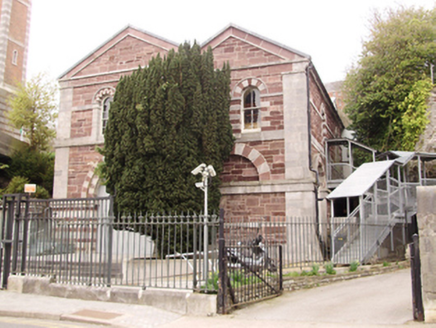
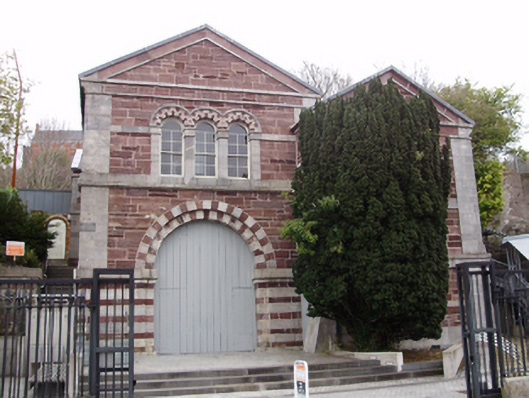
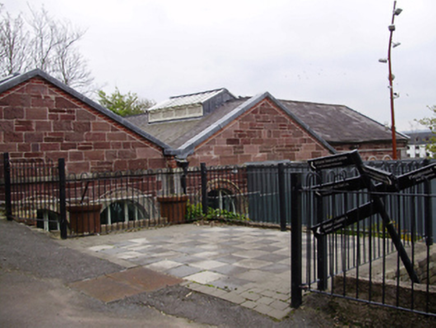
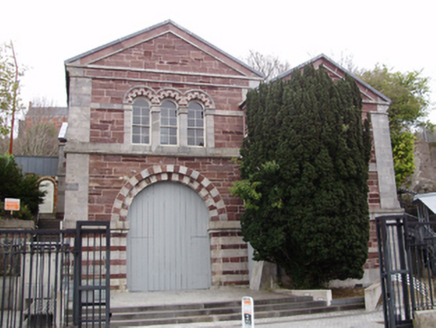
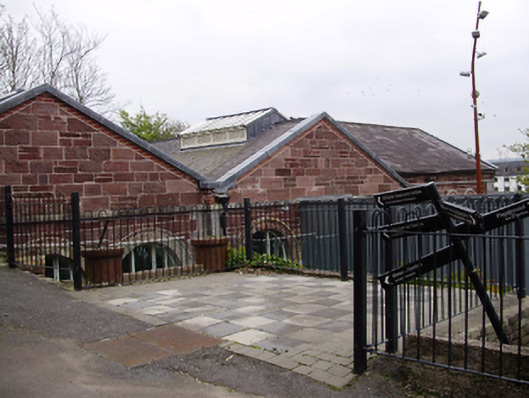
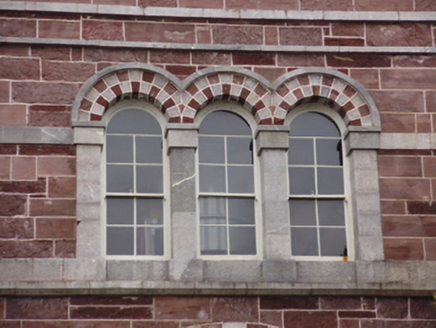
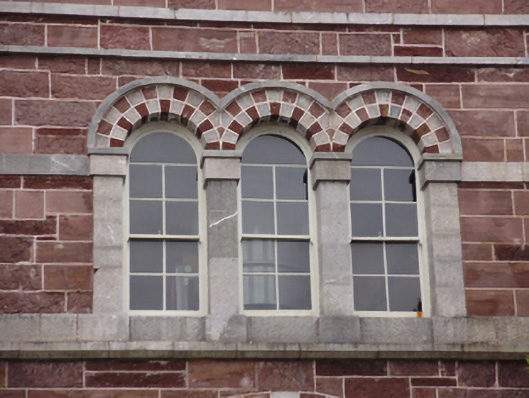
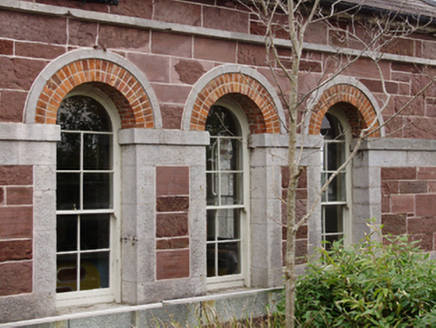
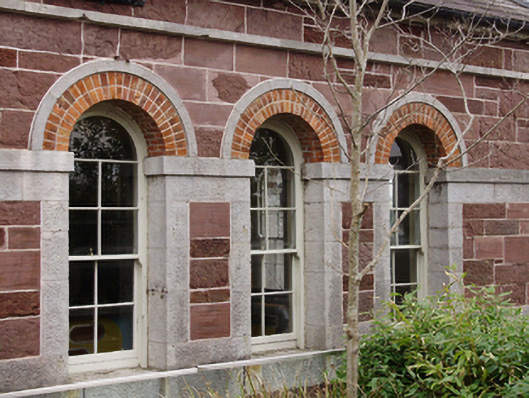
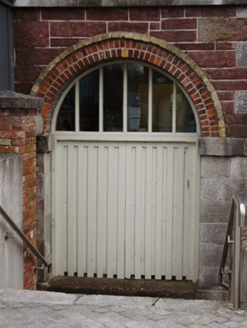
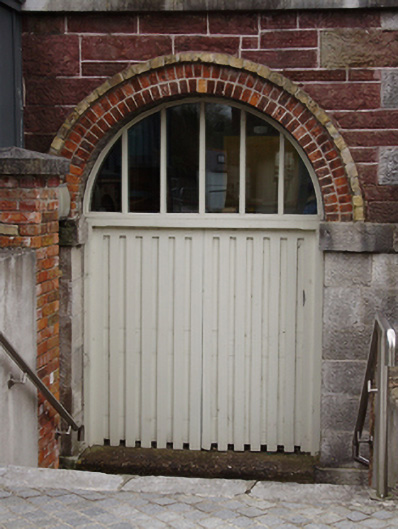
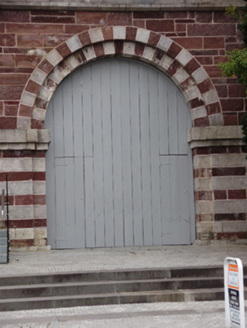
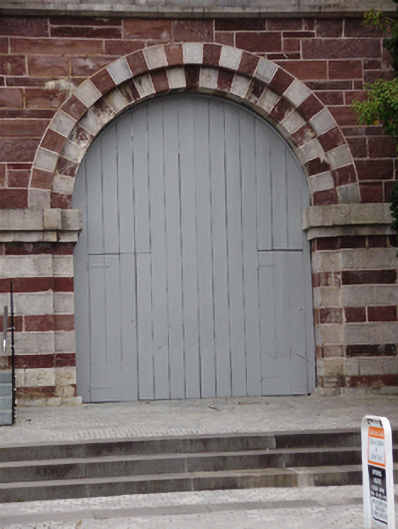
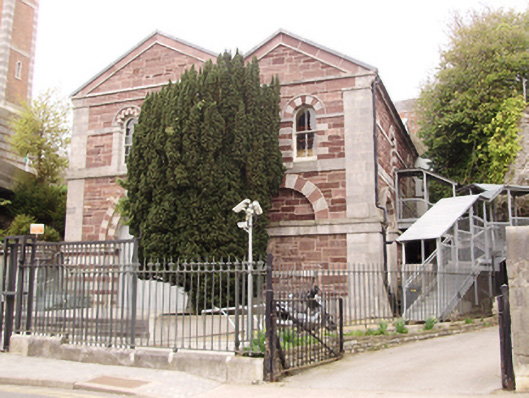
Detached double-height former waterworks building, built 1863, comprising gable-fronted single-bay former beam engine house with former boiler house and coal store set perpendicular to north. Lower advanced gable-fronted single-bay horizontal engine house added to east in 1868. Now in use as interpretative centre. Pitched slate roofs with monitor light, lead flashing to gables and cast-iron rainwater goods. Squared roughly coursed red sandstone walls with cast-iron wall ties, cut limestone pediments to front (south) gables, quoins, stringcourses and date plaque to west elevation. Round-headed window openings with alternating red sandstone and cut limestone voussoirs to south and east elevations, redbrick voussoirs to west elevation, continuous cut limestone sill courses and two-over-two and four-over-four with fanlight timber sliding sash windows. Segmental-headed door openings to ground floor accessed by limestone steps and having alternating red sandstone and cut limestone voussoirs to front elevation, red brick voussoirs to west elevation and double-leaf timber battened doors. Set within former water works site.
Appraisal
Cork Corporation Waterworks was the oldest continuously used municipal water supply site until its decommissioning in 1993. It is the best-preserved Victorian water pumping station in Ireland, though its earliest operations date to the 1760s, with water being pumped from the river into storage reservoirs in the hillside. The nineteenth-century saw the city growing at a significant rate placing increasing pressure on its water supply. This particular part of the complex dates to the 1860s. Its polychromatic construction makes it a striking feature along the Lee Road and it displays the archetypal detailing of Victorian industrial design. It is an important part of the city’s civil engineering heritage.