Survey Data
Reg No
15704820
Rating
Regional
Categories of Special Interest
Architectural, Artistic, Historical, Scientific, Social
Original Use
Church/chapel
In Use As
Church/chapel
Date
1815 - 1820
Coordinates
310818, 111344
Date Recorded
24/09/2007
Date Updated
--/--/--
Description
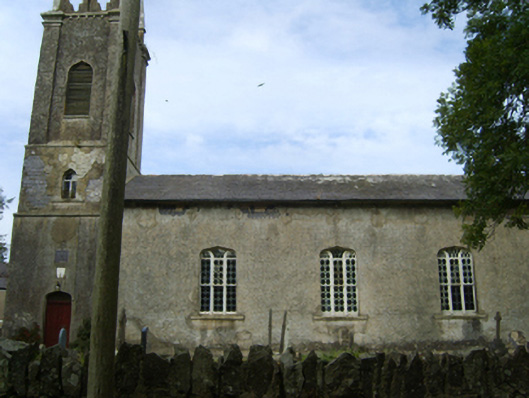
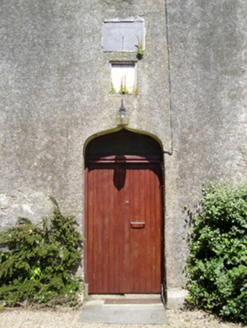
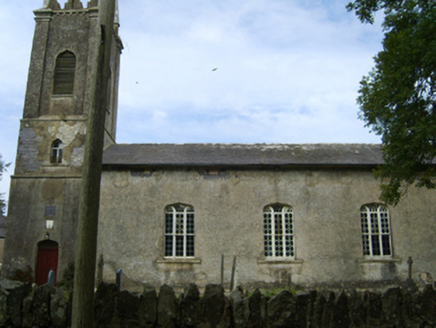
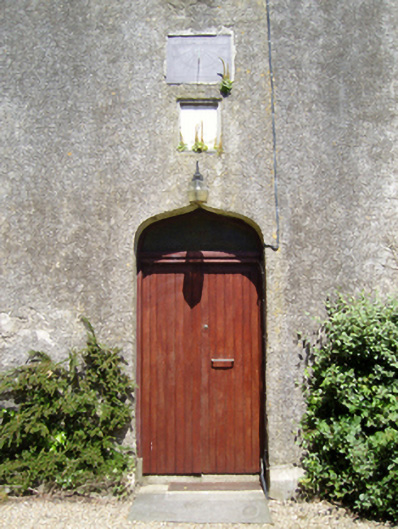
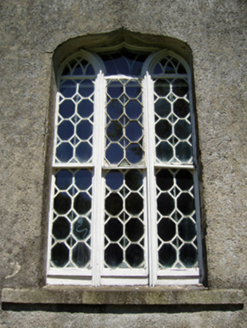
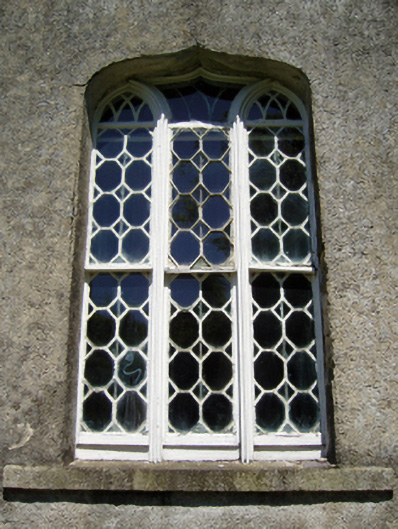
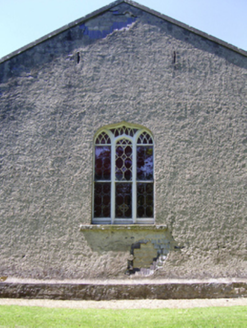
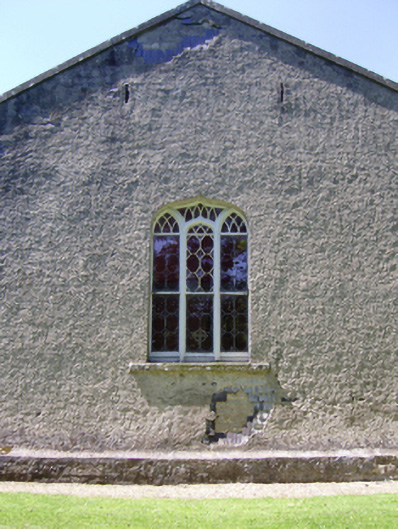
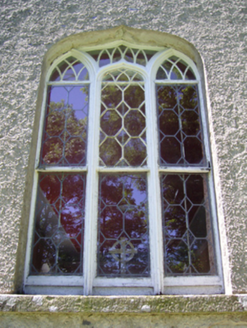
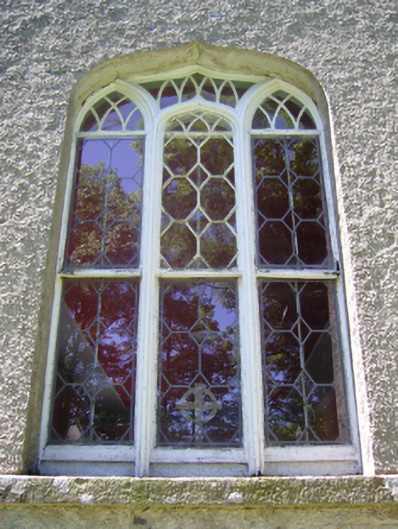
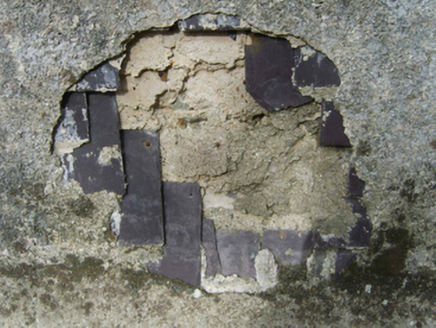
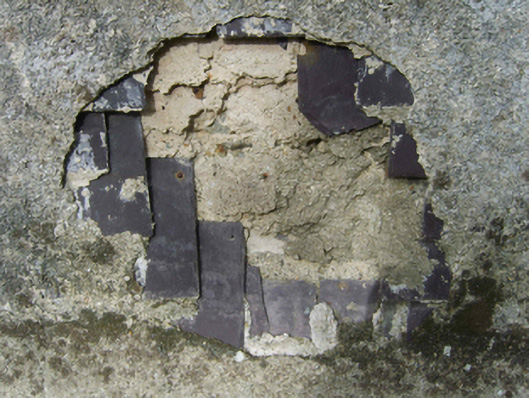
Detached three-bay double-height single-cell Board of First Fruits Church of Ireland church, built 1817-8; dated 1818, on a rectangular plan with single-bay three-stage tower to entrance (west) front on a square plan. "Repaired", 1839. Pitched slate roof on strutted King Post timber construction with clay or terracotta ridge tiles, cut-granite coping to gables, and cast-iron rainwater goods on rendered slate flagged eaves retaining cast-iron hoppers and downpipes. Roughcast slate hung battered walls on roughcast chamfered plinth; roughcast slate hung surface finish (tower) with cut-granite stringcourses including cut-granite stringcourse (bell stage) on cut-granite dentil consoles supporting cut-granite obelisk pinnacles centred on arrow loop-detailed crow stepped battlements. Ogee-headed window openings with cut-granite sills, carved timber mullions, and concealed dressings framing one-over-one timber sash windows without horns having octagonal glazing bars. Ogee-headed window opening (east) with cut-granite sill, carved timber mullions, and concealed dressings framing one-over-one timber sash windows without horns having octagonal glazing bars. Ogee-headed window opening (tower) with cut-granite sill, carved timber Y-mullion, and concealed dressings framing one-over-one timber sash windows without horns having margins centred on lattice glazing bars. Ogee-headed window openings (second stage) with cut-granite sills, carved timber Y-mullions, and concealed dressings framing fixed-pane fittings. Ogee-headed openings (bell stage) with cut-granite sills, and concealed dressings framing louvered timber fittings. Interior including vestibule (west); ogee-headed door opening into nave with timber panelled double doors having overlight; full-height interior with reclaimed cut-white marble broken pedimented wall monument (1783), carpeted flagged central aisle between timber pews, cut-white marble Classical-style wall monument (1849) with polished brass Gothic-style wall monuments (1891; 1892), pointed quatrefoil-perforated timber panelled pulpit on an octagonal plan with Gothic-style timber clerk's desk, encaustic tiled stepped dais to chancel (east) with wrought iron-detailed barley twist balusters supporting carved timber communion railing centred on Gothic-style timber altar table below "East Window", and moulded plasterwork cornice to coved ceiling centred on decorative plasterwork ceiling rose. Set in landscaped grounds with rendered piers to perimeter having lichen-covered truncated pyramidal capping supporting wrought iron gate.
Appraisal
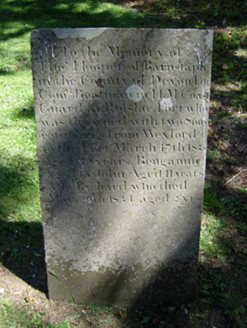
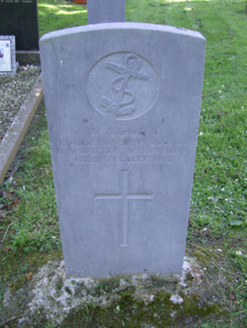
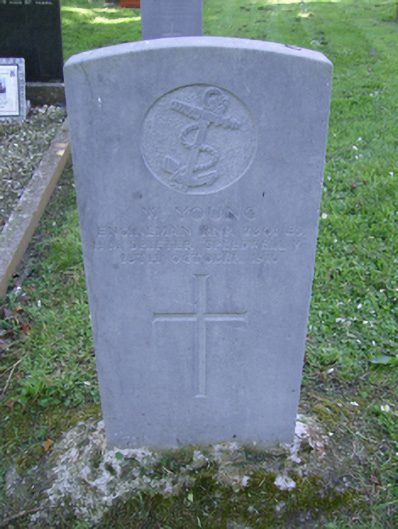
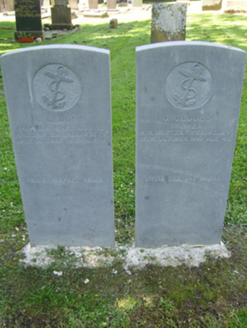
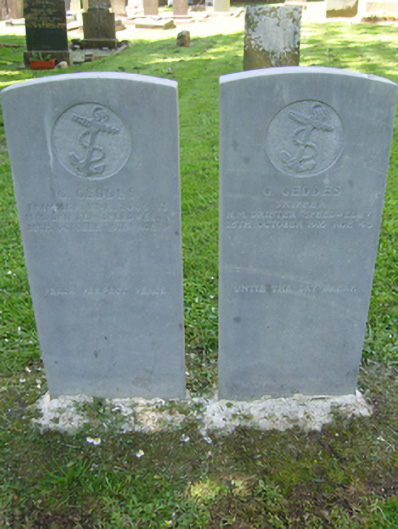
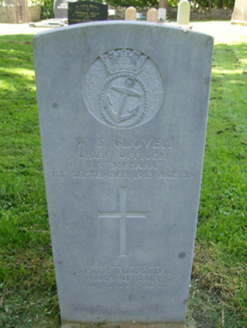
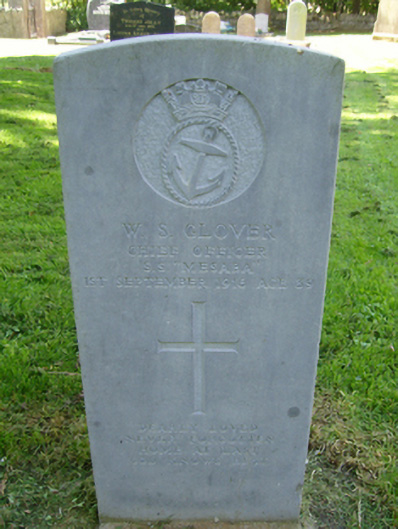
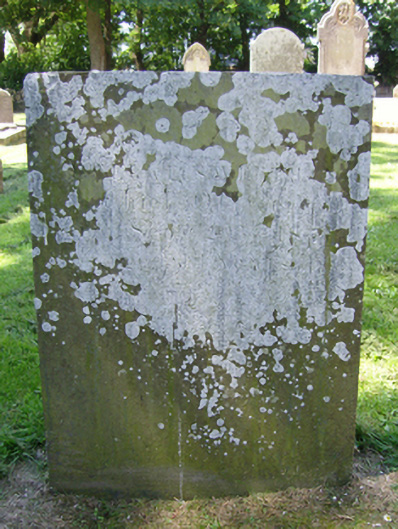
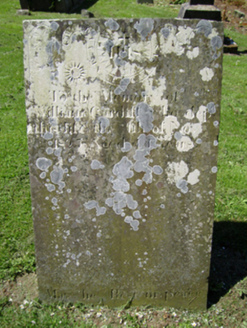
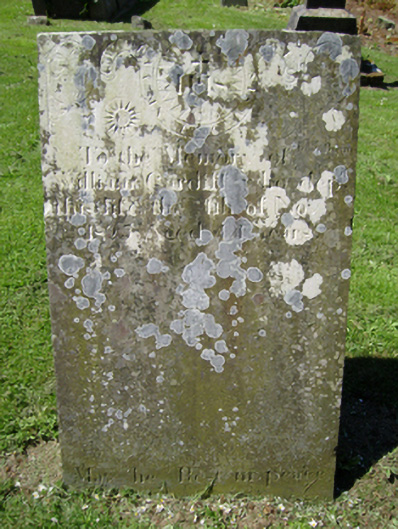
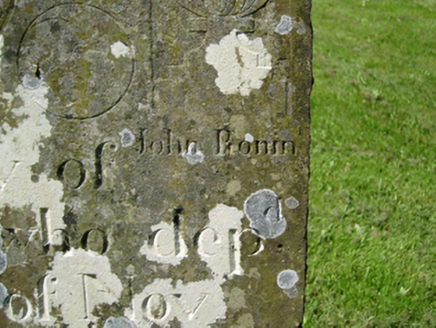
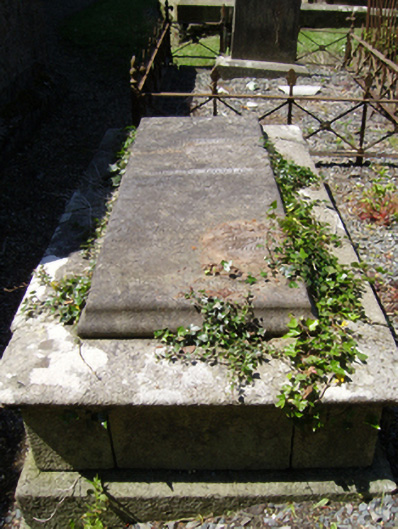
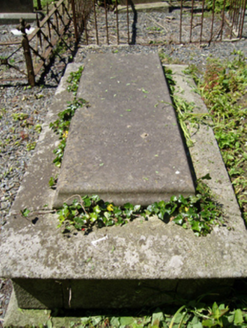
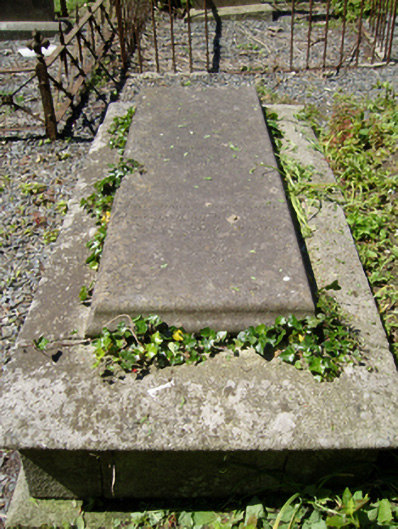
A church erected with financial support from the Board of First Fruits (fl. 1711-1833) representing an important component of the early nineteenth-century built heritage of south County Wexford with the architectural value of the composition confirmed by such attributes as the standardised nave-with-entrance tower plan form, aligned along a liturgically-correct axis; the curvilinear profile of the openings underpinning a contemporary Georgian Gothic theme; and the slender pinnacles embellishing the tower as 'a conspicuous and interesting feature in the landscape' (Lacy 1863, 443-4). Having been reasonably well maintained, the elementary form and massing survive intact together with substantial quantities of the original fabric, both to the exterior and to the interior, including a plastered slate hung surface finish widely regarded as an increasingly endangered hallmark of the architectural heritage of County Wexford: meanwhile, a reclaimed wall monument commemorating Joshua Nunn (1727-1783) 'of Saint Margaret's…distributor of Justice in this County'; restrained wall monuments commemorating John Boxwell (1838-91) of Butlerstown Castle (see 15704780) and James Bostock Jacob (1855-1915) of Rathdowney House (see 15704806), contemporary joinery; encaustic tile work; and sleek plasterwork refinements, all highlight the artistic potential of a church forming part of a self-contained group alongside the adjacent Kilscoran Rectory (see 15704821) with the resulting ecclesiastical ensemble making a pleasing visual statement in a sylvan street scene. NOTE: A plot designated as a "Commonwealth War Grave" features a collection of near-uniform markers commemorating Engineman William Young (d. 1916); Skipper George Geddes Senior (d. 1916); and Trimmer George Geddes Junior (d. 1916) of H.M. Drifter "Speedwell"; and Chief Officer William Stanmore Glover (d. 1916) of S.S. "Mesaba".