Survey Data
Reg No
15702409
Rating
Regional
Categories of Special Interest
Architectural, Artistic, Historical, Social
Original Use
Church/chapel
In Use As
Church/chapel
Date
1930 - 1940
Coordinates
282414, 133735
Date Recorded
10/03/2007
Date Updated
--/--/--
Description
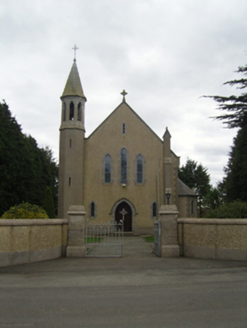
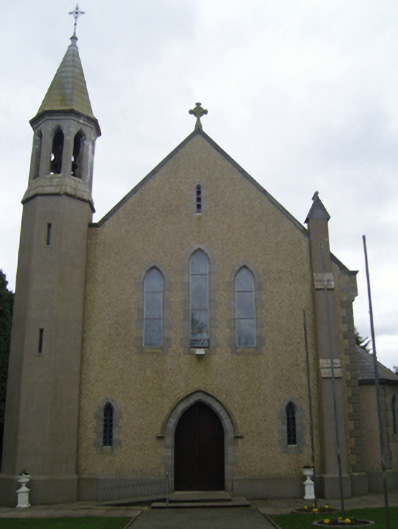
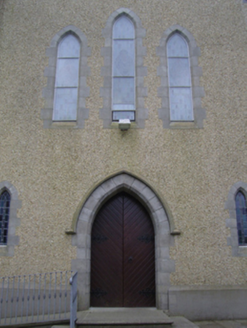
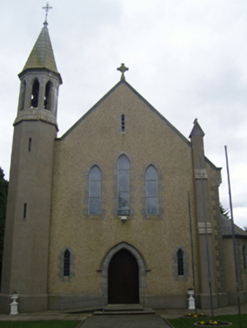
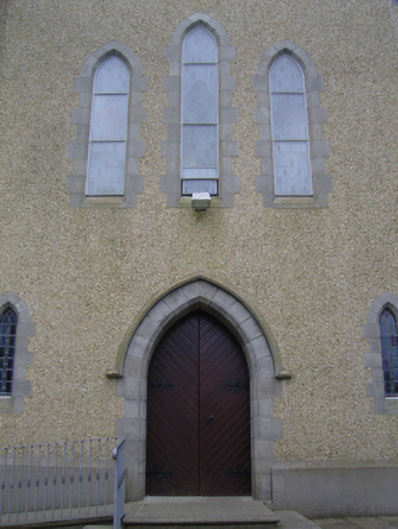
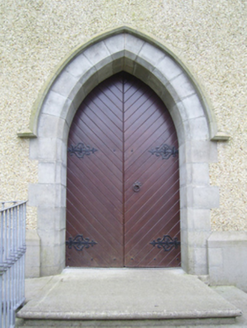
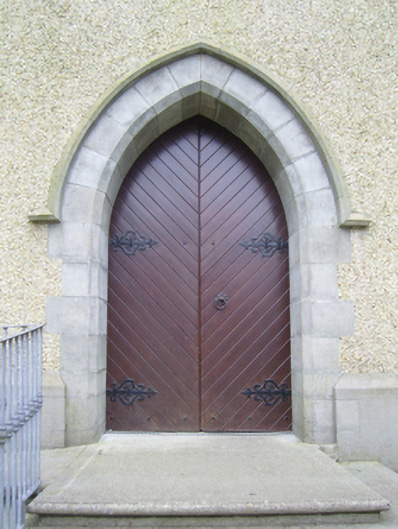
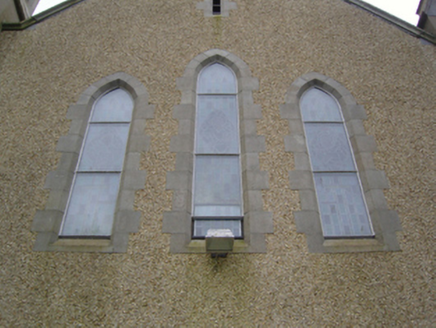
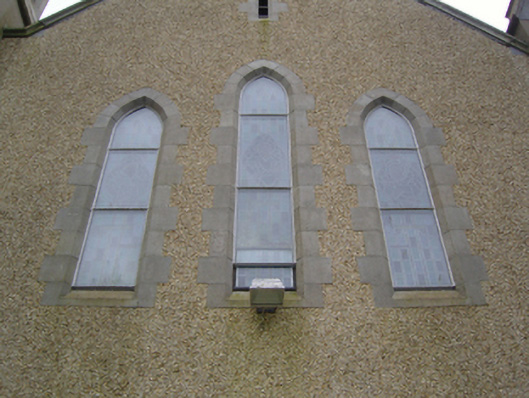
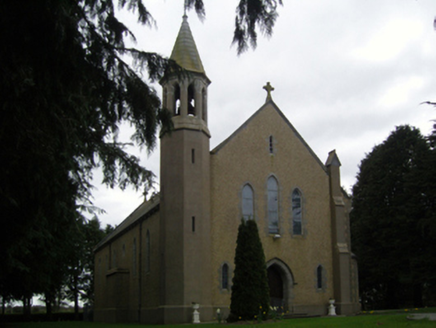
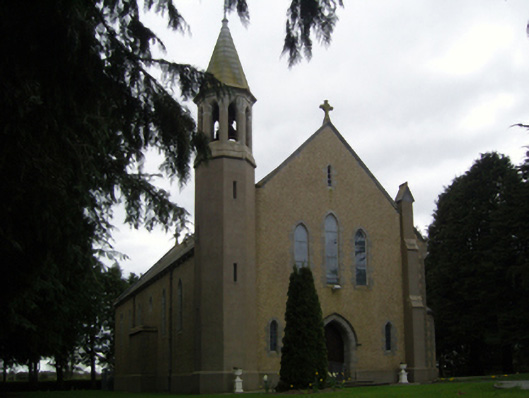
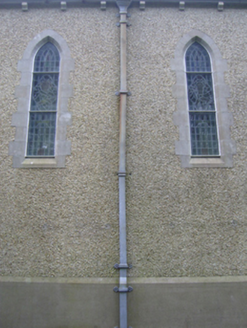
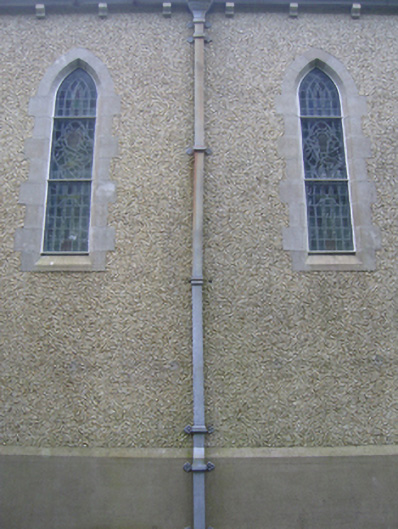
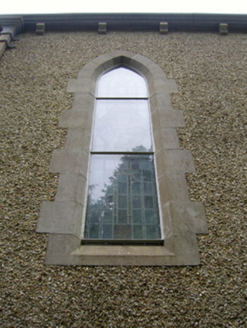
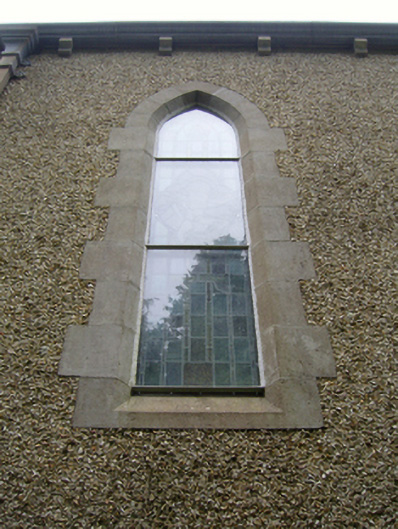
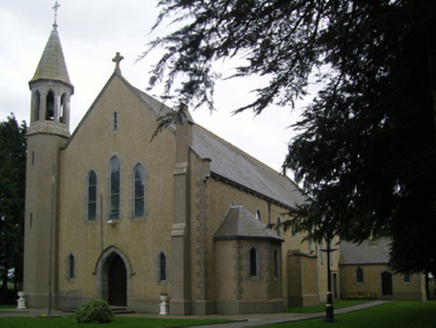
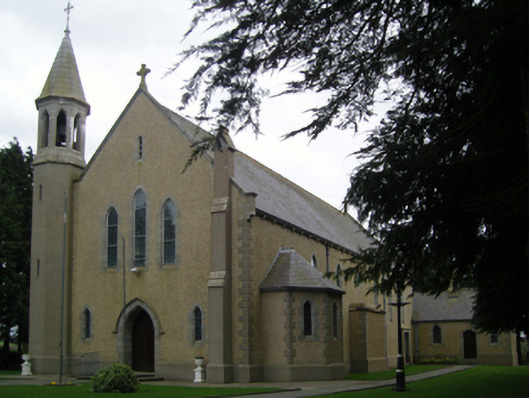
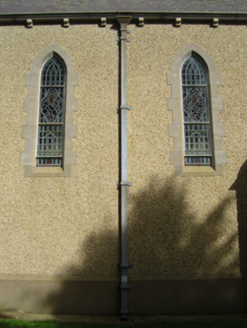
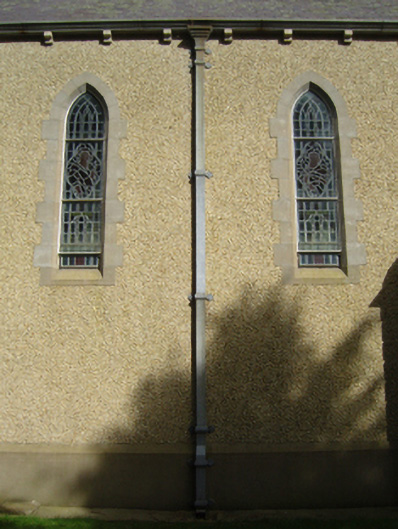
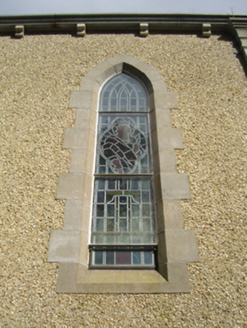
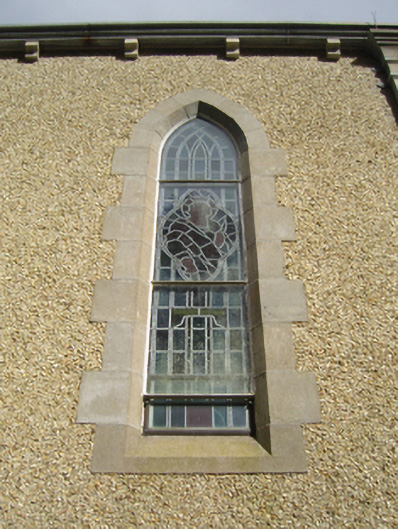
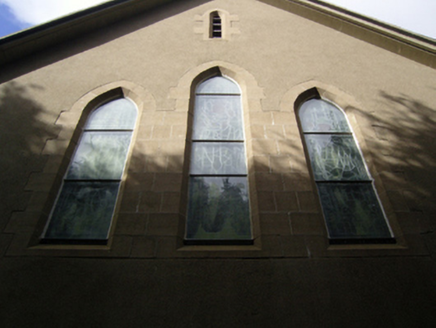
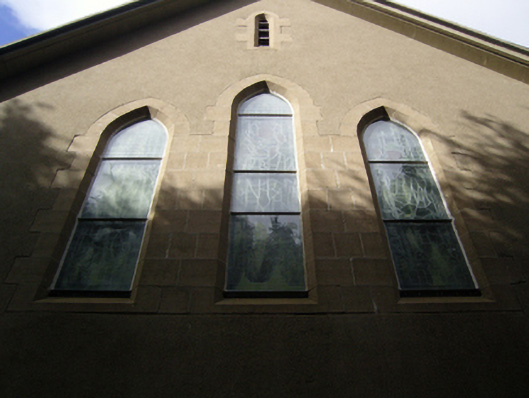
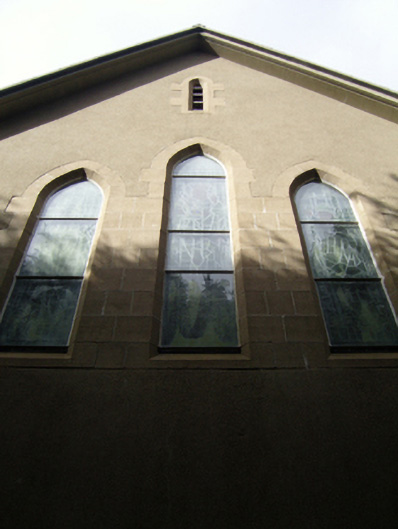
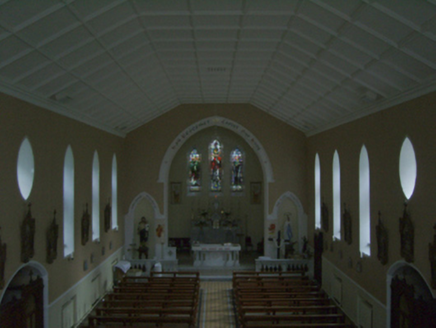
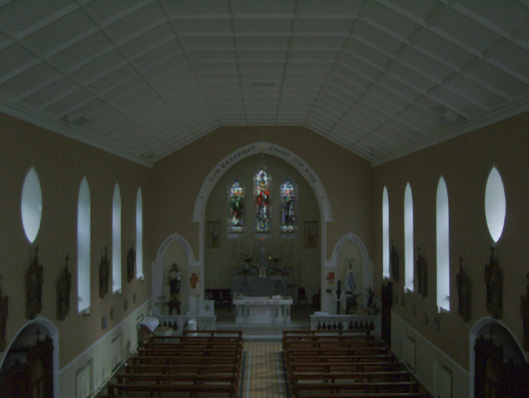
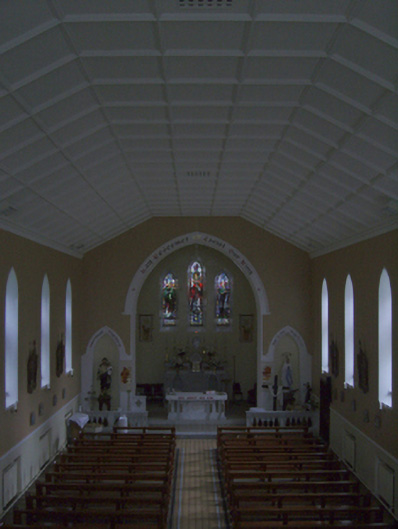
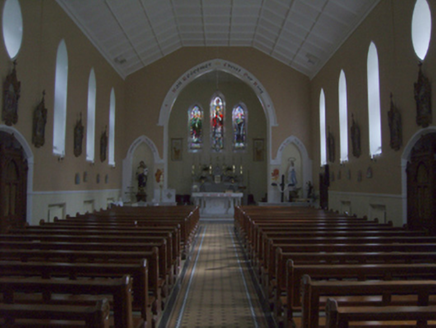
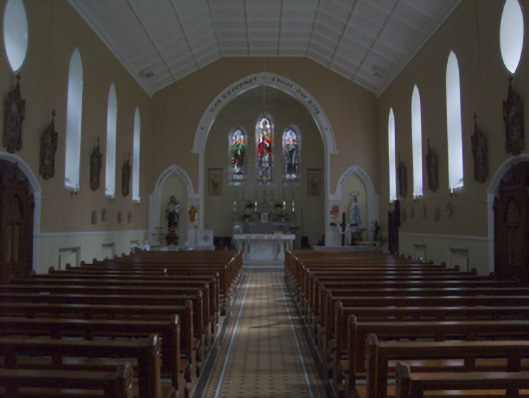
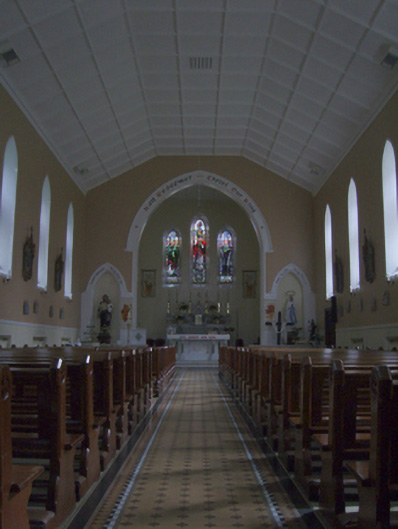
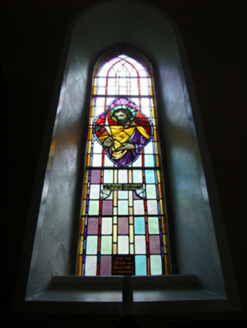
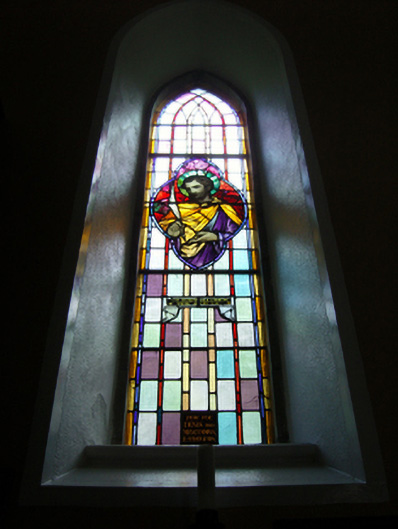
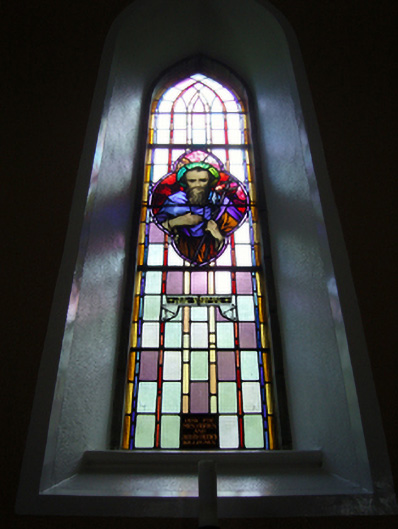
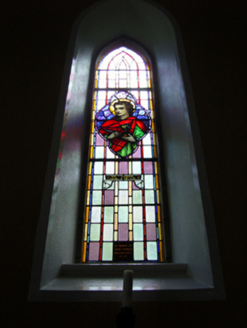
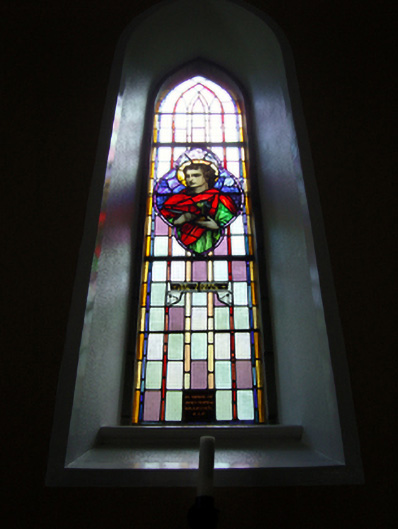
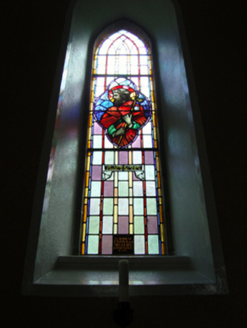
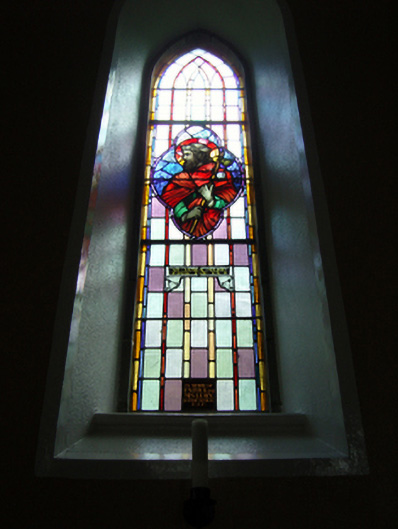
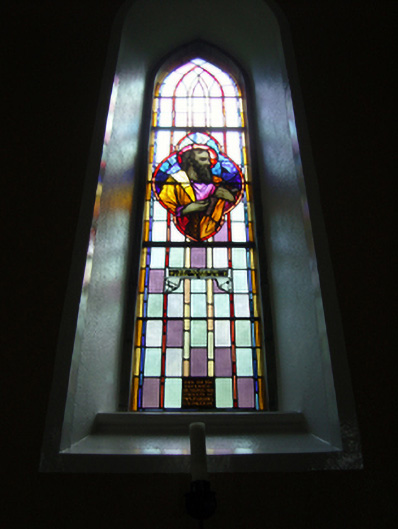
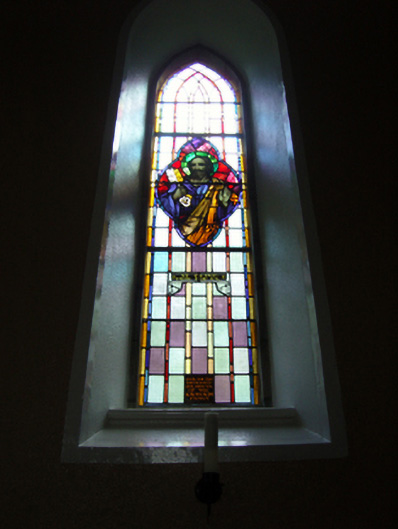
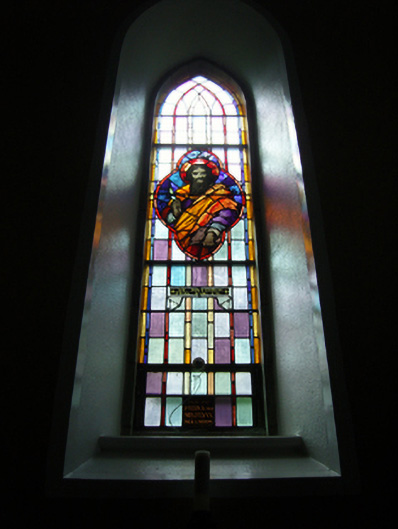
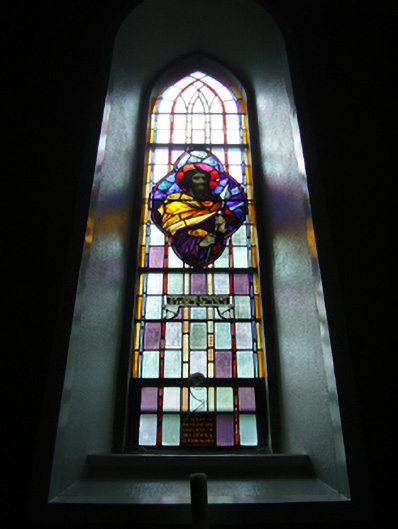
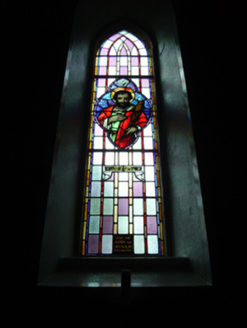
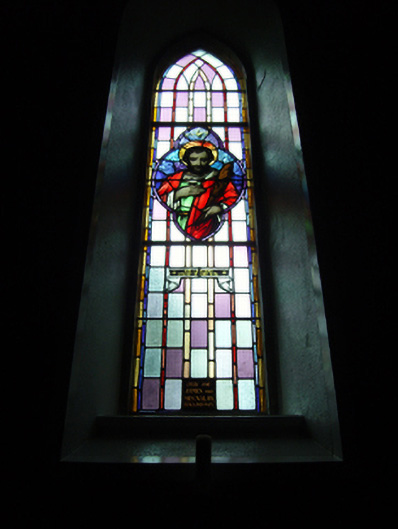
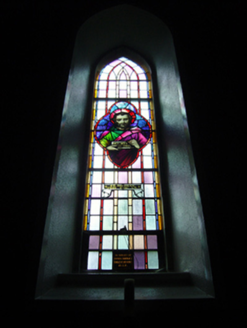
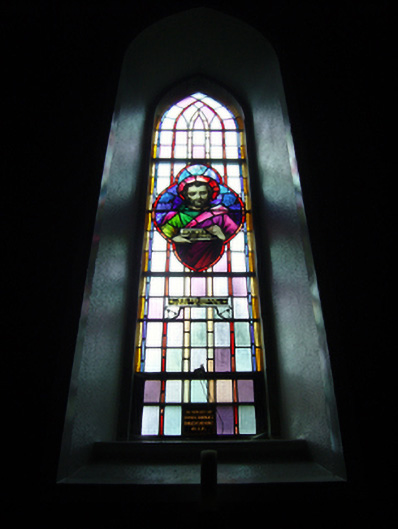
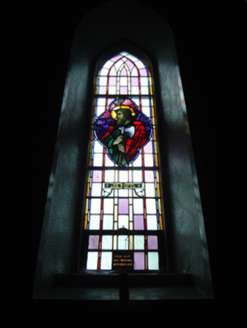
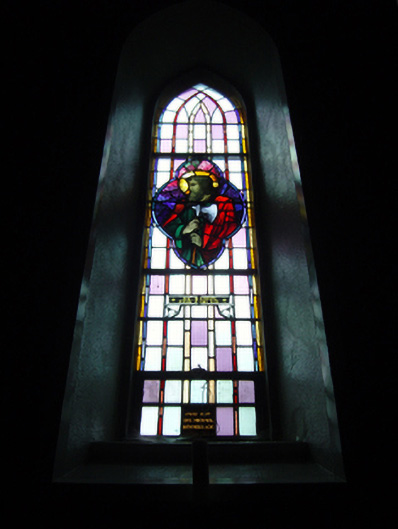
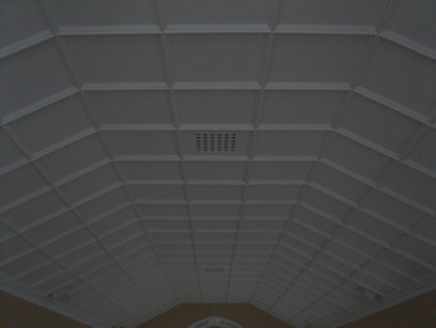
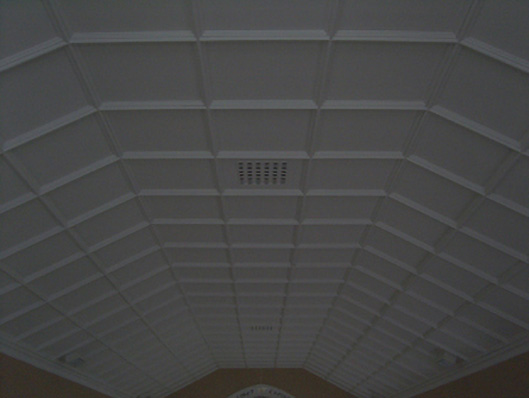
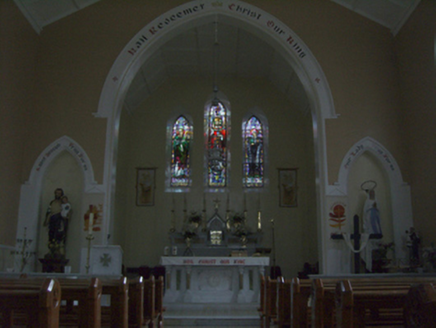
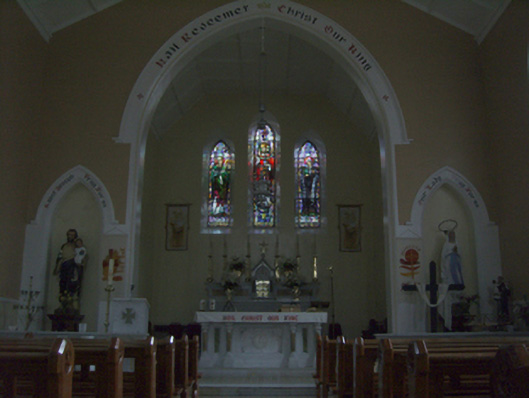
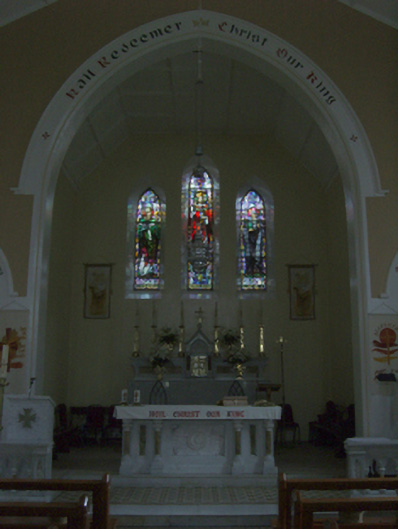
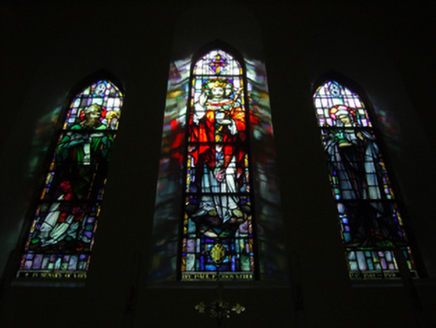
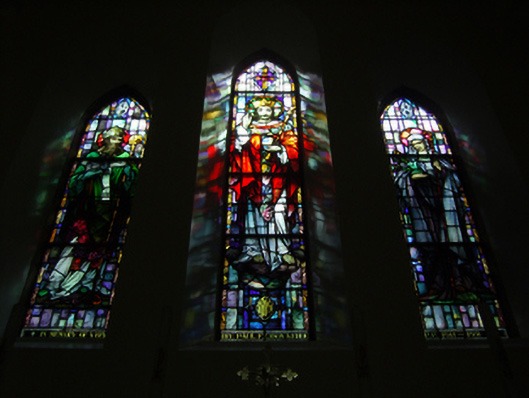
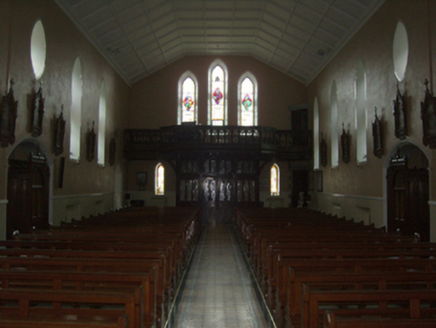
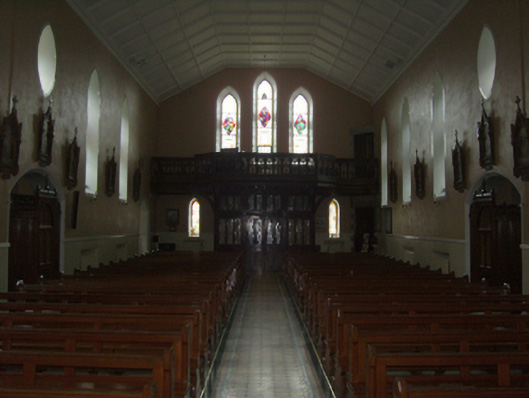
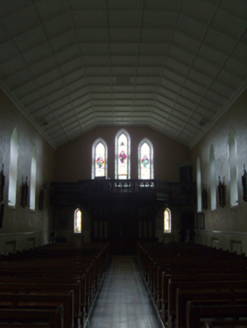
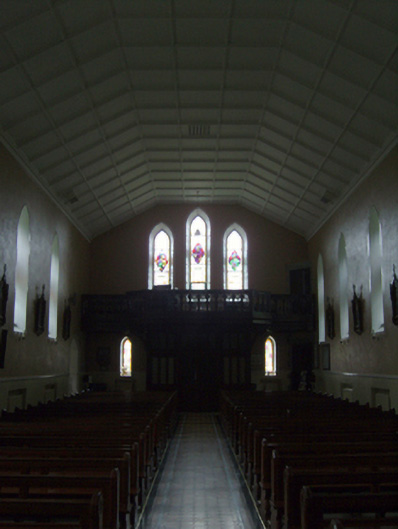
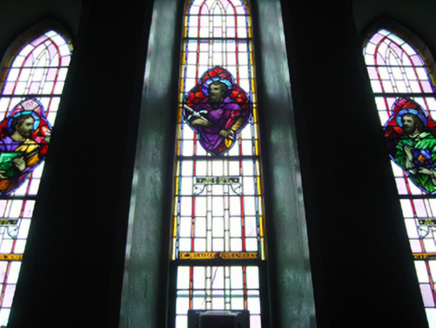
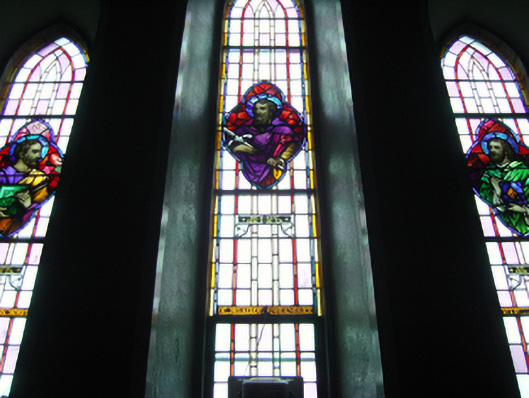
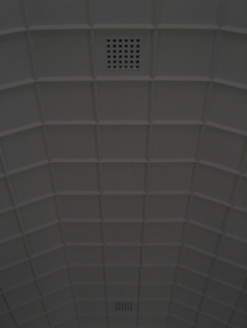
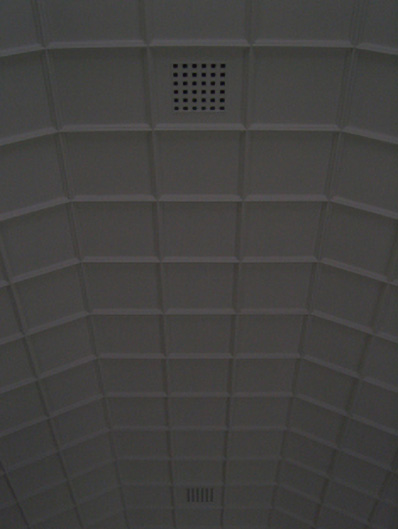
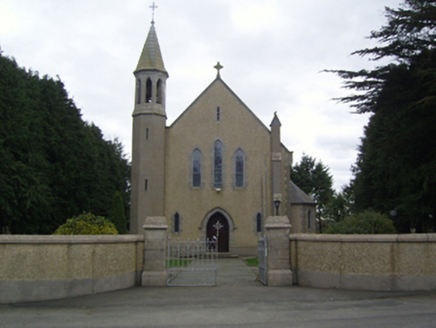
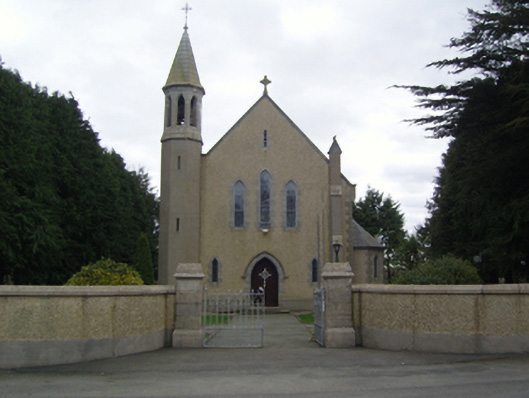
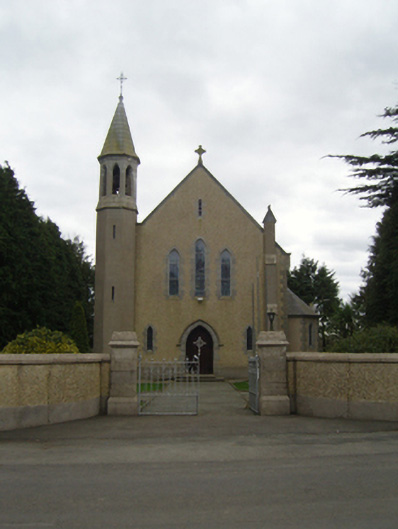
Detached eight-bay double-height Catholic church, designed 1936; built 1937-9; dedicated 1939, on a rectangular plan comprising seven-bay double-height nave opening into single-bay double-height chancel (south); octagonal spire-topped single-bay four-stage turret (north-east) on an octagonal plan. Repaired, 1967. Renovated, 1970, with sanctuary reordered. Pitched slate roofs with roll moulded clay ridge tiles, precast concrete "Cavetto" coping to gables on precast concrete "Cavetto" corbel kneelers with Cross finials to apexes, and cast-iron rainwater goods on precast concrete "Cavetto" consoles retaining cast-iron hoppers and square profile downpipes. Gritdashed roughcast walls on precast concrete chamfered cushion course on plinth with rusticated precast concrete quoins to corners. Lancet window openings centred on "lozenges" with precast concrete block-and-start surrounds having chamfered reveals framing storm glazing over fixed-pane fittings having stained glass margins centred on leaded stained glass quatrefoils. Lancet "Trinity Window" (south) with precast concrete block-and-start surrounds having chamfered reveals framing storm glazing over fixed-pane fittings having stained glass margins centred on leaded stained glass panels. Pointed-arch door opening (north) approached by two precast concrete steps, precast concrete block-and-start surround having chamfered reveals with hood moulding framing diagonal timber boarded double doors. Lancet "Trinity Window" (gable) with precast concrete block-and-start surrounds having chamfered reveals framing storm glazing over fixed-pane fittings having stained glass margins centred on leaded stained glass quatrefoils. Interior including vestibule (north); square-headed door opening into nave with glazed timber panelled double doors having sidelights on panelled risers below overlight; full-height interior with arcaded choir gallery (north) on a half-octagonal plan below stained glass "Trinity Window" (1939), tiled central aisle between cruciform-detailed timber pews, Gothic-style timber stations between stained glass memorial windows (1939), vaulted ceiling in moulded plasterwork frame on moulded plasterwork cornice, and encaustic tiled cut-veined white marble stepped dais to sanctuary (south) reordered, 1970, with pointed-arch chancel arch framing cut-veined white marble panelled altar below stained glass memorial "Trinity Window" (1939). Set in landscaped grounds with precast concrete chamfered piers to perimeter on precast concrete chamfered plinths having precast concrete chamfered stringcourses below capping supporting wrought iron double gates.
Appraisal
A church erected to designs signed (1936) by Ashlin and Coleman (formed 1903) of Dawson Street, Dublin, representing an important component of the twentieth-century ecclesiastical heritage of County Wexford with the architectural value of the composition, one evoking comparisons with the Ashlin and Coleman-designed Catholic Church of the Assumption (1951-3) in Rosbercon (see 15605244); and Catholic Church of Saint John the Baptist (1949-51) in Ballaghkeen (see 15702706), confirmed by such attributes as the rectilinear plan form; the slender profile of the openings underpinning a stolid "medieval" Gothic theme with those openings showing cost-effective precast concrete dressings; and the polygonal spire-topped turret embellishing the roof as a picturesque eye-catcher in the landscape. Having been well maintained, the form and massing survive intact together with substantial quantities of the original fabric, both to the exterior and to the vaulted interior reordered (1970) in accordance with the liturgical reforms sanctioned by the Second Ecumenical Council of the Vatican (1962-5) where contemporary joinery; stained glass supplied (1939) by Earley Studios Limited (closed 1975) of Dublin '[where] each figure is expressive and indicates distinct personality...a fine tribute to the artistic and careful treatment of the work' (The New Ross Standard 6th October 1939, 5); a much modified high altar; and the jewel-like Kehoe Memorial "Trinity Window" (1939); all highlight the artistic potential of a church making a pleasing visual statement in a sylvan setting.