Survey Data
Reg No
15701606
Rating
Regional
Categories of Special Interest
Architectural, Artistic, Historical, Social
Original Use
Farm house
In Use As
Farm house
Date
1795 - 1800
Coordinates
307705, 149080
Date Recorded
08/09/2007
Date Updated
--/--/--
Description
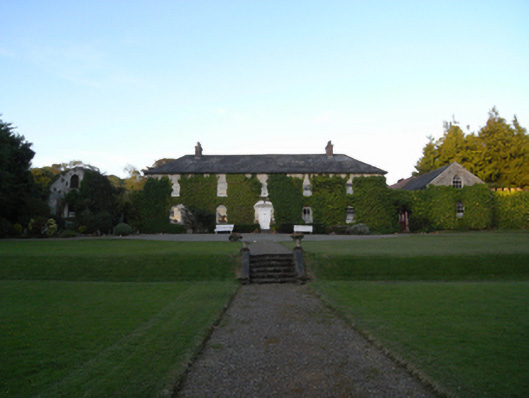
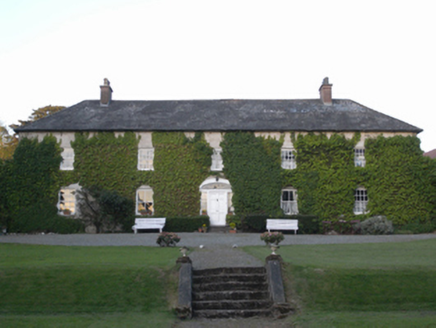
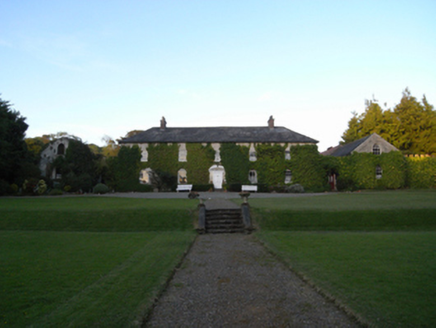
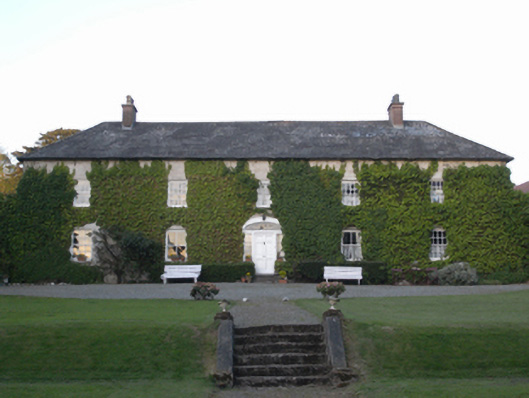
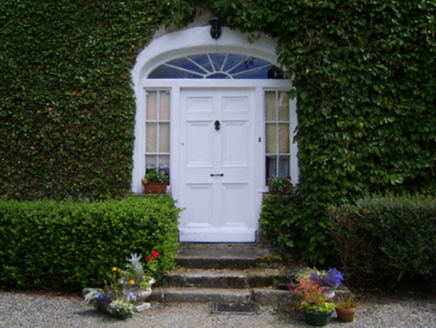
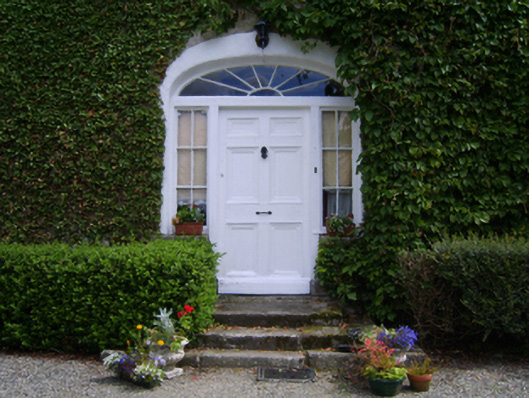
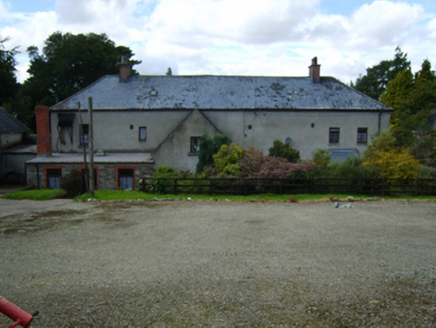
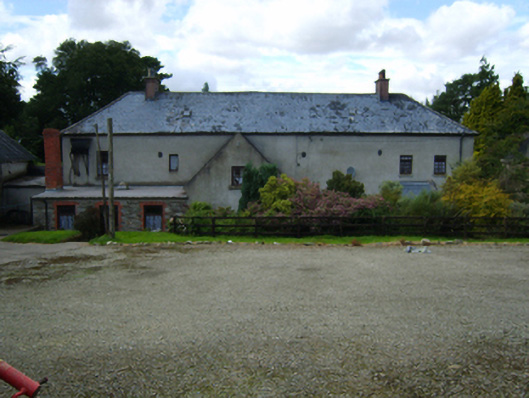
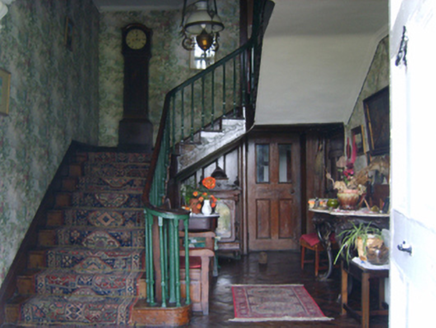
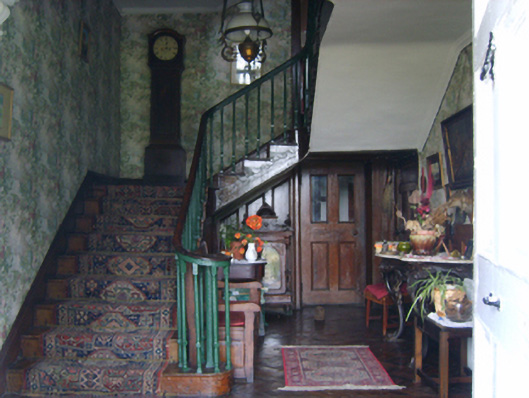
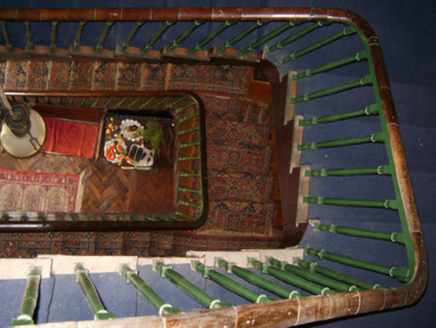
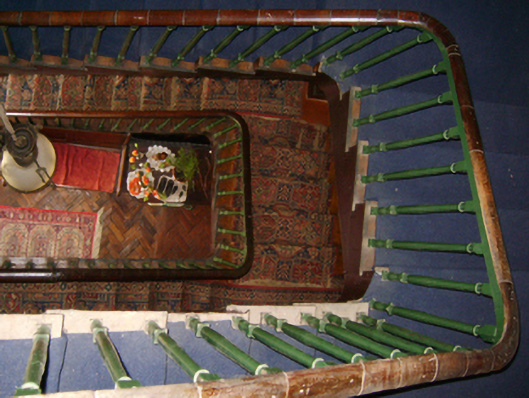
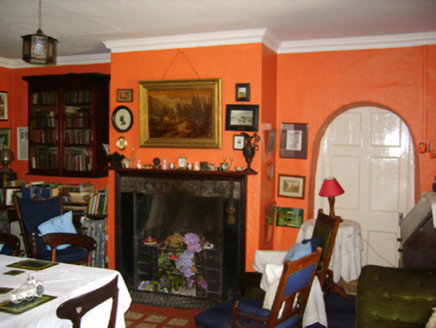
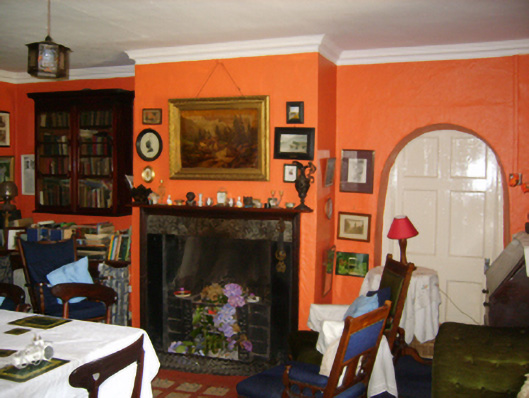
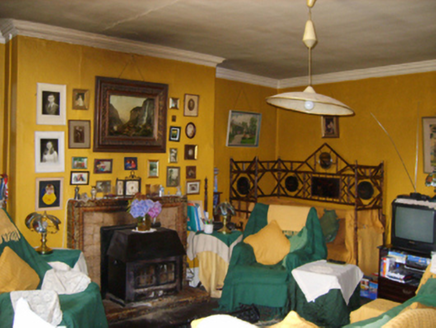
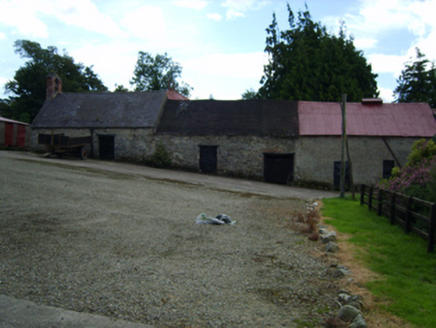
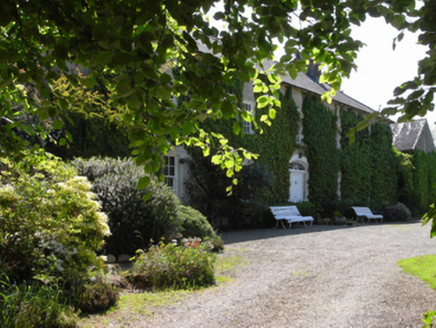
Detached five-bay two-storey farmhouse with half-dormer attic, built 1799, on a T-shaped plan with single-bay (single-bay deep) two-storey central return (east). Sold, 1853. Occupied, 1901; 1911. Hipped slate roof on a T-shaped plan centred on pitched slate roof (east), clay ridge tiles, red brick Running bond chimney stacks having stringcourses below capping supporting terracotta or yellow terracotta tapered pots, rooflights to rear (east) pitch, and cast-iron rainwater goods on rendered slate flagged eaves retaining cast-iron downpipes. Creeper- or ivy-covered lime rendered or roughcast walls; cement rendered surface finish to rear (east) elevation with cast-iron "Pattress" tie plates. Hipped segmental-headed central door opening approached by flight of three cut-granite steps with timber mullions on cut-granite threshold supporting timber transom, and concealed dressings framing timber panelled door having sidelights below fanlight. Square-headed window openings with cut-granite sills, and concealed dressings framing two-over-two or eight-over-eight timber sash windows without horns having part exposed sash boxes centred on six-over-six timber sash window without horns (first floor). Interior including (ground floor): central hall retaining herring bone-pattern timber parquet floor, carved timber surrounds to door openings framing timber panelled doors, staircase on a dog leg plan with turned timber "spindle" balusters supporting carved timber banister terminating in volute, carved timber surrounds to door openings to landings framing timber panelled doors, and moulded plasterwork cornice to ceiling; and carved timber surrounds to door openings to remainder framing timber panelled doors with carved timber surrounds to window openings framing timber panelled shutters on panelled risers. Set in landscaped grounds including terrace centred on flight of six lichen-covered steps.
Appraisal
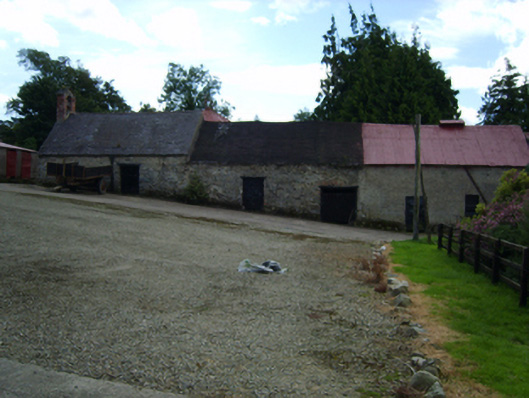
A farmhouse representing an important component of the domestic built heritage of County Wexford with the architectural value of the composition, one restructured at the turn of the nineteenth-century repurposing the shell of a house attacked (1798) by Insurgents under the command of Father John Murphy (1753-98; Maxwell 1854, 88), confirmed by such attributes as the deliberate alignment maximising on scenic vistas overlooking gently rolling grounds; the elongated rectilinear plan form centred on a restrained doorcase showing a simple radial fanlight; and the somewhat disproportionate bias of solid to void in the massing compounded by the slight diminishing in scale of the openings on each floor producing a feint graduated visual impression. Having been well maintained, the elementary form and massing survive intact together with substantial quantities of the original fabric, both to the exterior and to the interior, including crown or cylinder glazing panels in hornless sash frames: meanwhile, contemporary joinery; restrained chimneypieces; and sleek plasterwork refinements, all highlight the artistic potential of the composition. Furthermore, pavilion-like Georgian Gothic outbuildings (----); a walled garden (----); and a polygonal turret (see 15701607), all continue to contribute positively to the group and setting values of a self-contained estate having historic connections with Lieutenant Thomas Bookey (d. 1798); Reverend Zachariah Cornock (1768-1858) of Cromwellsfort House (Lewis 1837 II, 55); and the Haughton family including Jonathan Haughton JP (1829-1909) of Sweetfarm House (see 15702604); and Alfred Haughton (1861-1947), 'Farmer' (NA 1901; NA 1911).