Survey Data
Reg No
15700623
Rating
Regional
Categories of Special Interest
Architectural, Artistic, Historical, Social
Original Use
Farm house
In Use As
Farm house
Date
1700 - 1839
Coordinates
311387, 158903
Date Recorded
03/10/2007
Date Updated
--/--/--
Description
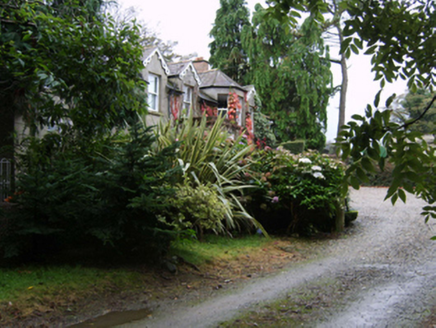
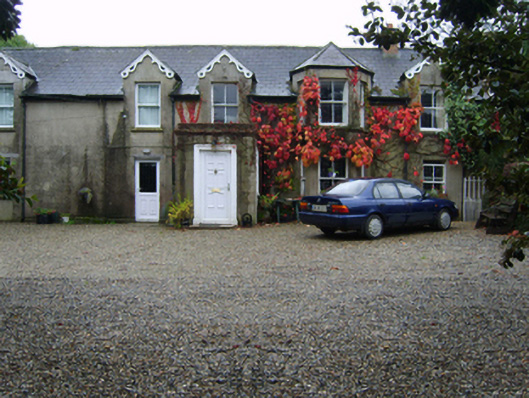
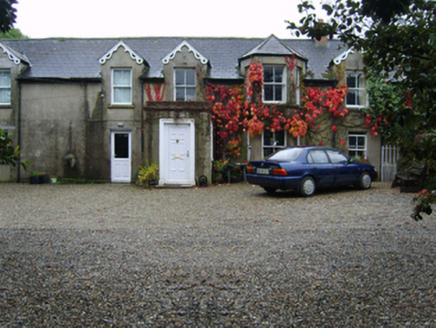
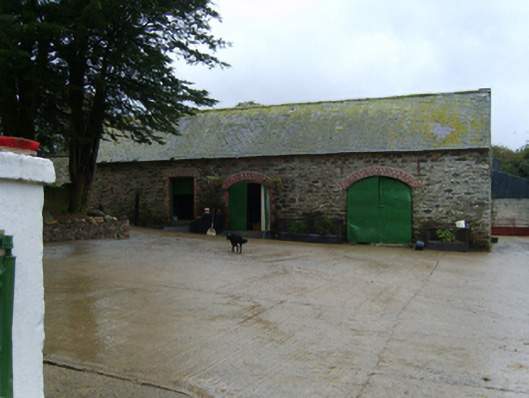
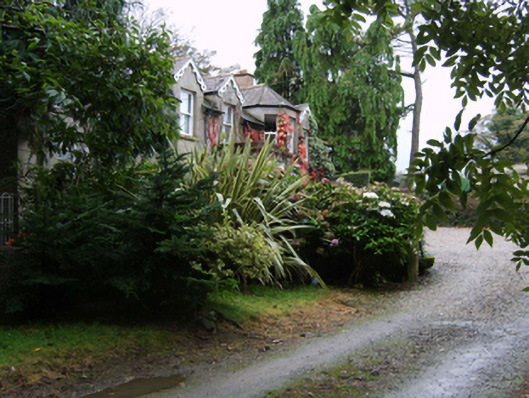
Detached five-bay single-storey double-pile farmhouse with half-dormer attic, extant 1839, on a T-shaped plan centred on single-bay single-storey flat-roofed projecting porch. Occupied, 1901. "Improved", 1908, producing present composition. Occupied, 1911. Sold, 1944. Pitched double-pile (M-profile) slate roof including gablets to window openings to half-dormer attic, clay ridge tiles, concrete or rendered coping to gables, quatrefoil-perforated decorative timber bargeboards to gablets, and cast-iron rainwater goods on timber eaves boards on rendered eaves retaining cast-iron downpipes. Part creeper- or ivy-covered rendered, ruled and lined walls with rusticated rendered quoins to ends; roughcast surface finish to rear (south) elevation. Square-headed central door opening with step threshold, and moulded surround framing replacement uPVC panelled door. Square-headed window openings with cut-granite sills, and concealed dressings framing two-over-two timber sash windows. Interior including (ground floor): central vestibule; hall retaining carved timber surrounds to door openings framing timber panelled doors; and carved timber surrounds to door openings to remainder framing timber panelled doors with timber panelled shutters to window openings. Set in landscaped grounds.
Appraisal
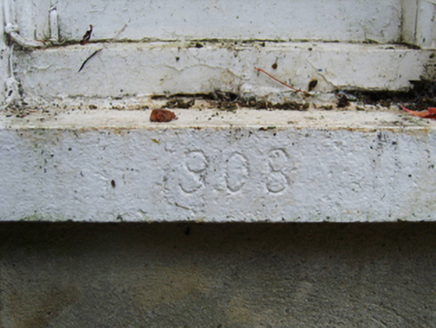
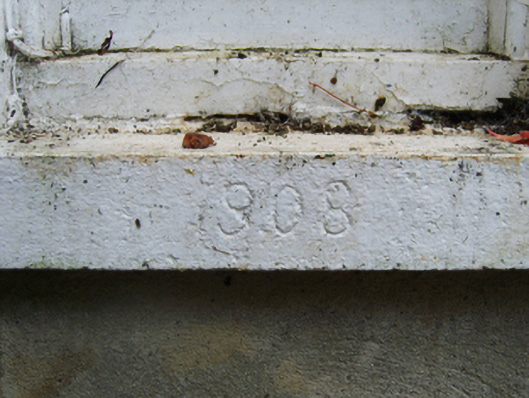
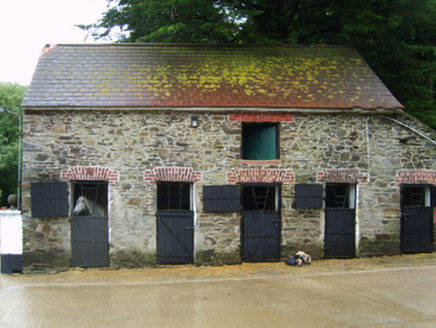
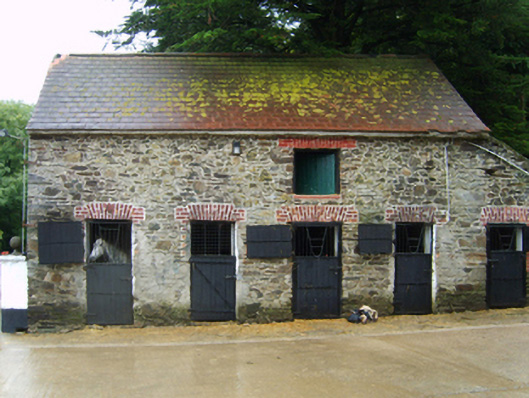
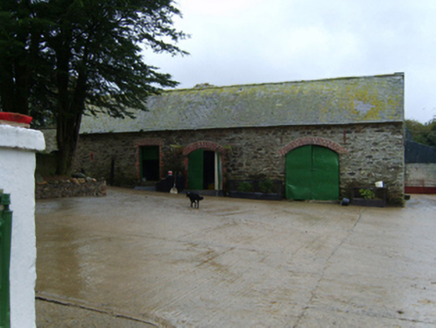
A farmhouse representing an integral component of the domestic built heritage of the rural environs of Gorey with the architectural value of the composition suggested by such attributes as the compact rectilinear plan form centred on an expressed, albeit later porch; the uniform or near-uniform proportions of the openings on each floor with the principal "apartments" defined by a polygonal bay window; and the decorative timber work embellishing the roofline: meanwhile, a discreet inscription ("1908") records the continued development or "improvement" of the farmhouse in the early twentieth century. Having been well maintained, the elementary form and massing survive intact together with substantial quantities of the original fabric, both to the exterior and to the interior, thus upholding the character or integrity of the composition. Furthermore, adjacent outbuildings ("1878"; "1888") continue to contribute positively to the group and setting values of a self-contained ensemble having historic connections with the Woodroofe family including Reverend Abel Woodroofe (d. 1892), 'Clerk formerly of Stand-road Sandymount and Clifton-place Monkstown both in County Dublin and Glandoran Gorey County Wexford' (Calendars of Wills and Administrations 1892, 935); and Henry Woodroofe (d. 1935), 'Retired Gentleman Farmer' (NA 1901; NA 1911).