Survey Data
Reg No
15503011
Rating
Regional
Categories of Special Interest
Architectural, Artistic
Previous Name
Provincial Bank of Ireland
Original Use
Bank/financial institution
Date
1880 - 1885
Coordinates
305025, 121846
Date Recorded
16/06/2005
Date Updated
--/--/--
Description
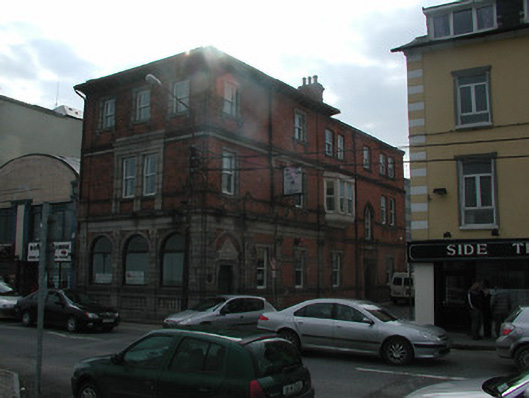
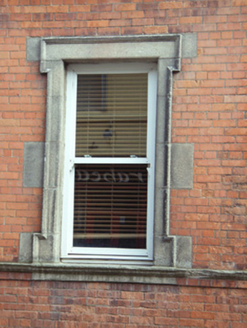
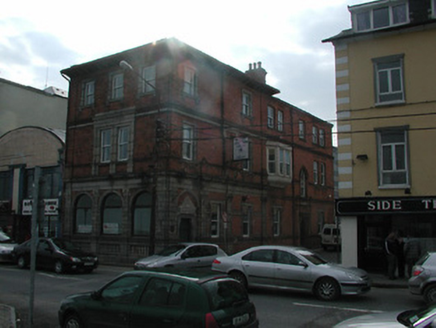
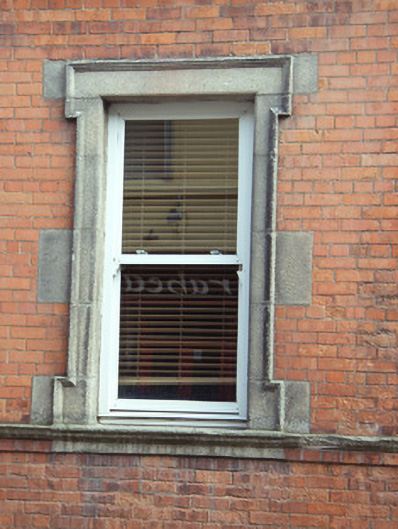
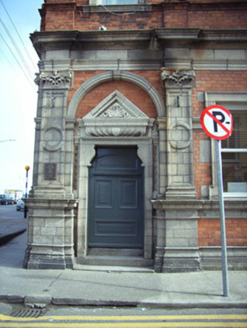
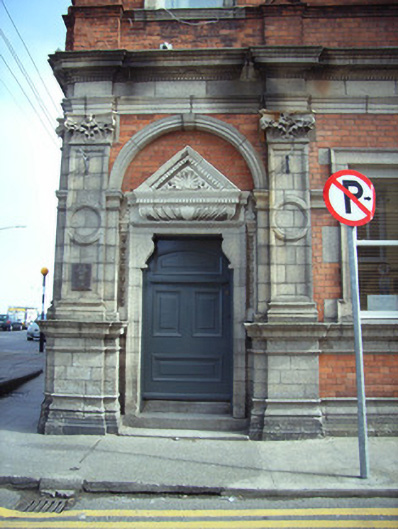
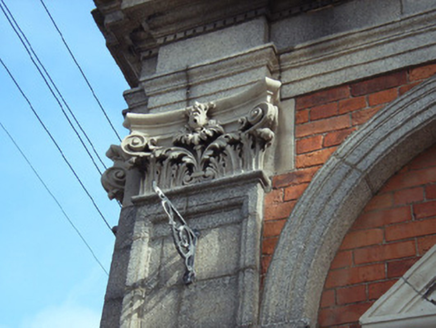
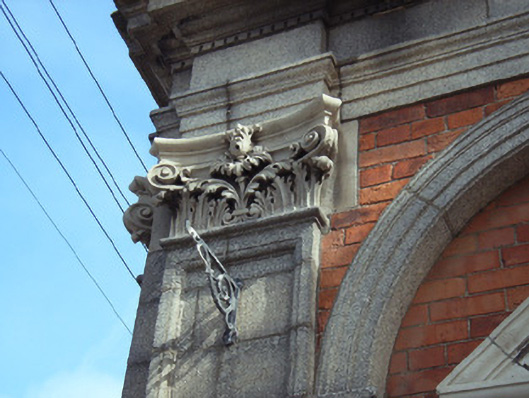
Attached three-bay (two- or three-bay deep) three-storey bank, built 1881-2, on a rectangular plan with "shopfront" to ground floor; single-bay (three-bay deep) three-storey return (west). Occupied, 1901; 1911. Closed, ----. Pyramidal slate roof abutting hipped slate roof (west) with terracotta ridge tiles, red brick Running bond chimney stack on axis with ridge (west) having corbelled stepped capping supporting yellow terracotta octagonal pots, and cast-iron rainwater goods on overhanging exposed timber rafters on timber spandrels retaining cast-iron hoppers and downpipes. Red brick Common bond walls with red brick Running bond pilasters to corners. "Shopfront" to ground floor on a symmetrical plan with roundel-detailed cut-granite panelled Composite pilasters on pedestals centred on cut-granite Composite pilasters on pedestals supporting dentilated "Cyma Recta"- or "Cyma Reversa"-detailed cornice on blind frieze on entablature. Paired square-headed central window openings (first floor) with cut-granite sill, cut-granite pilasters supporting "Cyma Recta"- or "Cyma Reversa"-detailed cornice on blind frieze on entablature, and cut-granite surrounds framing one-over-one timber sash windows. Grouped square-headed window openings (top floor) with cut-granite sills on consoles, and cut-granite lugged surrounds framing one-over-one timber sash windows. Street fronted on a corner site with concrete footpath to front.
Appraisal
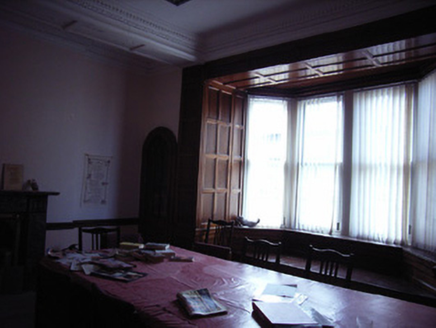
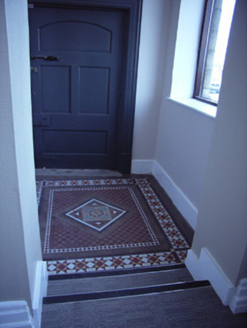
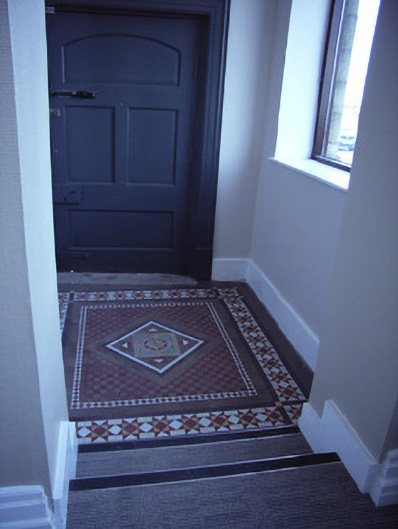
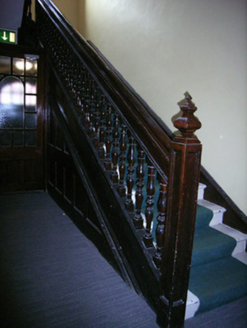
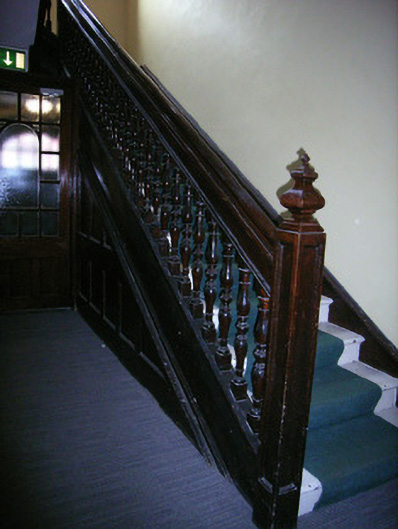
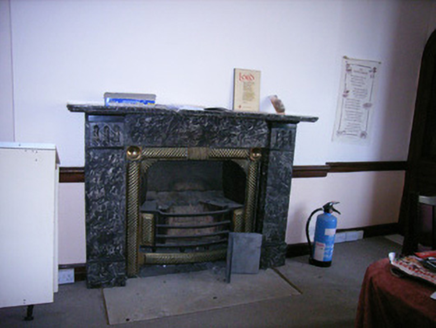
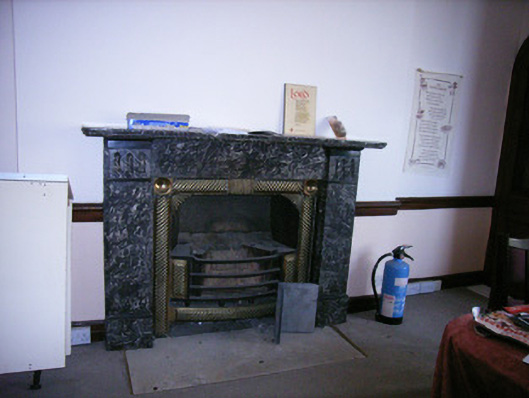
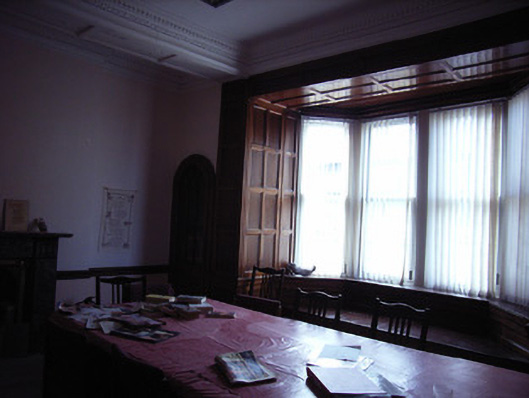
A bank erected to a design (1881) by Thomas Newenham Deane and Son (formed 1878) of Dublin (DIA) representing an important component of the later nineteenth-century built heritage of Wexford with the architectural value of the composition, one recalling the contemporary Provincial Bank of Ireland (1881) in Tipperary, confirmed by such attributes as the elongated rectilinear plan form; the construction in a vibrant red brick offset by silver-grey granite dressings 'elaborately carved in a Renaissance style' (Craig and Garner 1973, 36); the diminishing in scale of the grouped openings on each floor producing a graduated visual impression; and the decorative timber work embellishing an oversailing pyramidal roofline. Having been well maintained, the elementary form and massing survive intact together with substantial quantities of the original fabric, both to the exterior and to the interior where encaustic tile work; contemporary joinery; restrained chimneypieces; and decorative plasterwork enrichments, all highlight the artistic potential of a bank making a pleasing visual statement in Custom House Quay (cf. 15503012). NOTE: Occupied (1901) by Francis C.R. Creed (----), 'Bank Manager' (NA 1901); and (1911) by Henry Joseph Chambers (d. 1916), 'Bank Manager' (NA 1911).