Survey Data
Reg No
15502069
Rating
Regional
Categories of Special Interest
Architectural, Artistic
Previous Name
Westland Cottage
Original Use
House
Date
1800 - 1840
Coordinates
304097, 121722
Date Recorded
06/07/2005
Date Updated
--/--/--
Description
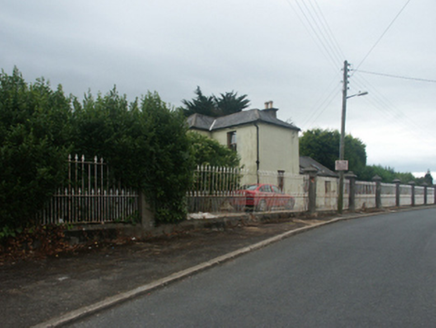
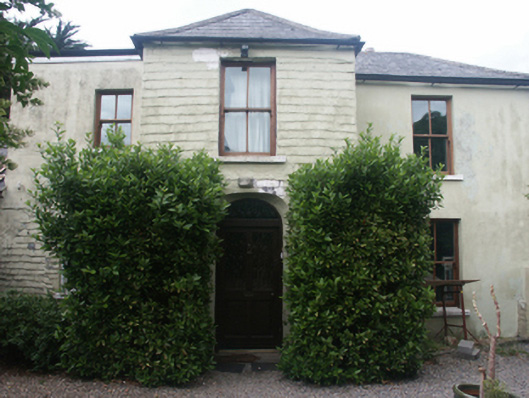
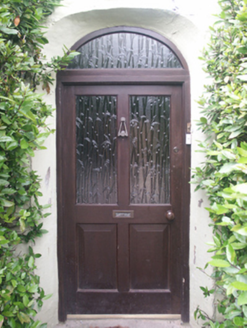
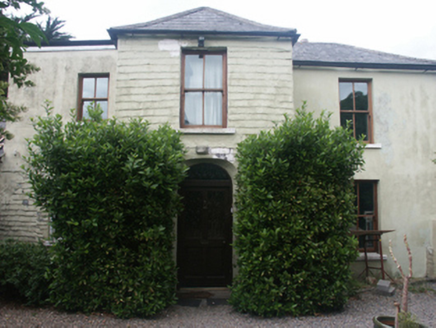
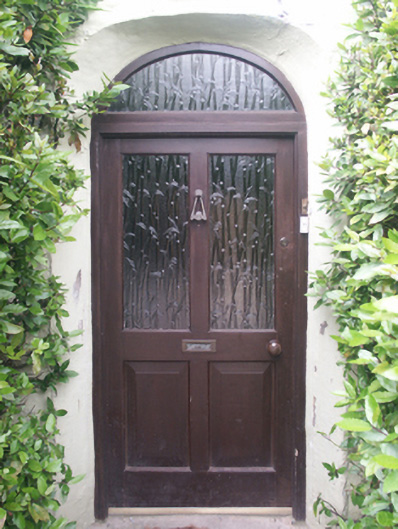
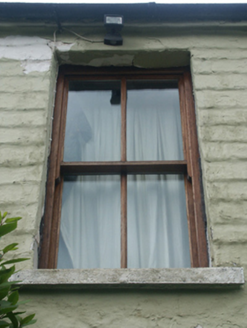
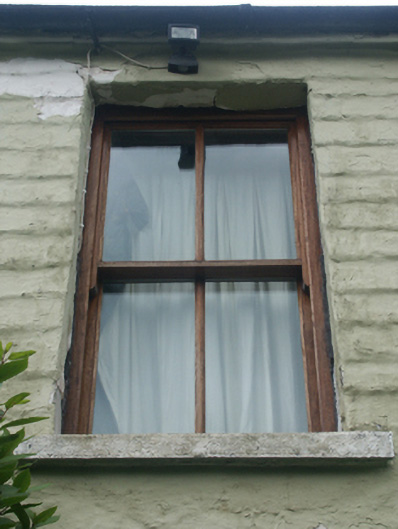
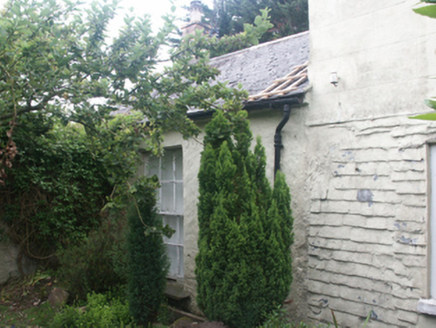
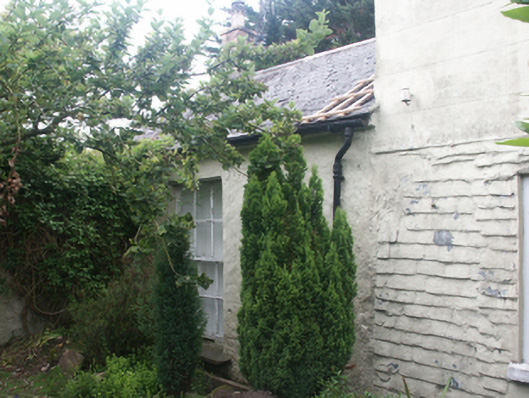
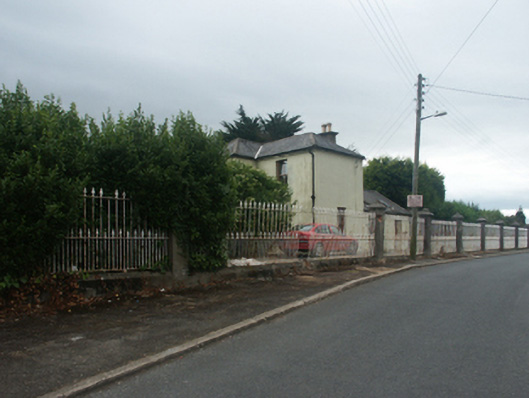
Detached three-bay two-storey house, extant 1840, on a T-shaped plan centred on single-bay two-storey projecting breakfront. Undergoing restoration, 2005. Hipped slate roof on a T-shaped plan centred on hipped slate roof (breakfront), clay ridge tiles, rendered "wallhead" chimney stacks to rear (north) elevation having corbelled stepped capping supporting yellow terracotta octagonal pots, and cast-iron rainwater goods on rendered eaves retaining cast-iron downpipes. Rendered walls; slate hung surface finish (breakfront). Segmental-headed central door opening with threshold, and concealed dressings having chamfered or splayed reveals framing replacement glazed timber panelled door having overlight. Square-headed window openings with sills, and concealed dressings framing replacement two-over-two timber sash windows having part exposed sash boxes. Interior including (ground floor): central hall retaining tessellated "quarry tile" floor, timber boarded walls, and cornice to ceiling; and carved timber surrounds to door openings to remainder framing timber panelled doors with carved timber surrounds to window openings framing timber panelled shutters. Set in landscaped grounds originally shared with Westlands.
Appraisal
A house representing an important component of the domestic built heritage of Wexford with the architectural value of the composition, one surviving as an interesting relic of the Westlands estate following the demolition (1993) of the eponymous house occupied (1885) by Major James Gaven (d. 1886; Bassett 1885, 129) and later by Michael J. O'Connor (d. 1937) and Fintan Michael O'Connor (d. 1979) (cf. 15502069 - 15502070), confirmed by such attributes as the compact plan form centred on an expressed breakfront; and the diminishing in scale of the openings on each floor producing a graduated visual impression. Having been well maintained, the elementary form and massing survive intact together with substantial quantities of the original or sympathetically replicated fabric, both to the exterior and to the interior, including a partial slate hung surface finish: meanwhile, contemporary joinery; chimneypieces; and sleek plasterwork refinements, all highlight the artistic potential of the composition. Furthermore, a walled garden showing a cruciform "parterre" continues to contribute positively to the group and setting values of a self-contained ensemble making a pleasing visual statement in Saint John's Drive.