Survey Data
Reg No
15502049
Rating
Regional
Categories of Special Interest
Architectural, Artistic, Historical, Social, Technical
Original Use
Prison/jail
Date
1850 - 1855
Coordinates
304379, 122154
Date Recorded
06/07/2005
Date Updated
--/--/--
Description
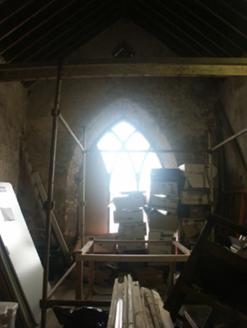
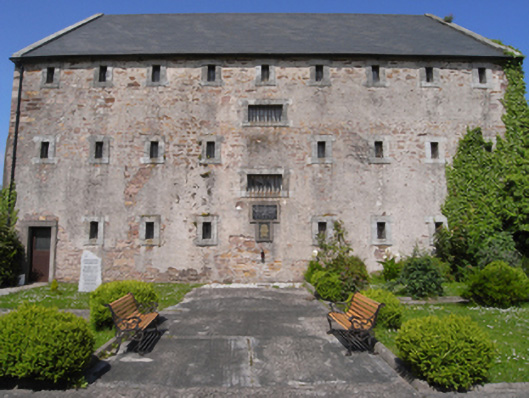
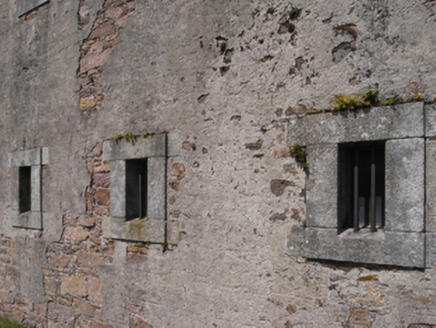
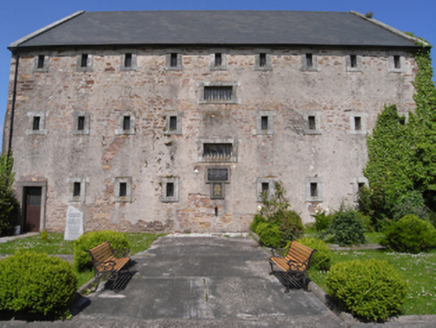
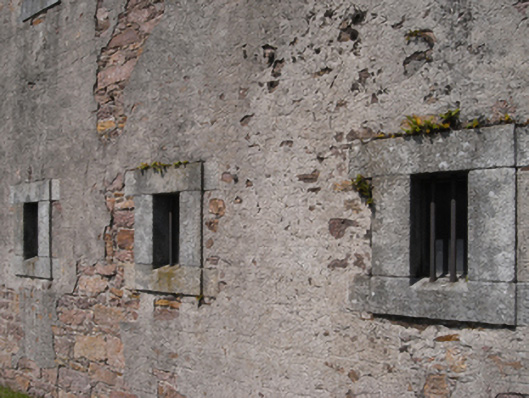
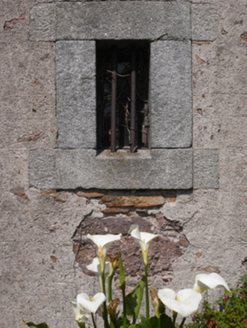
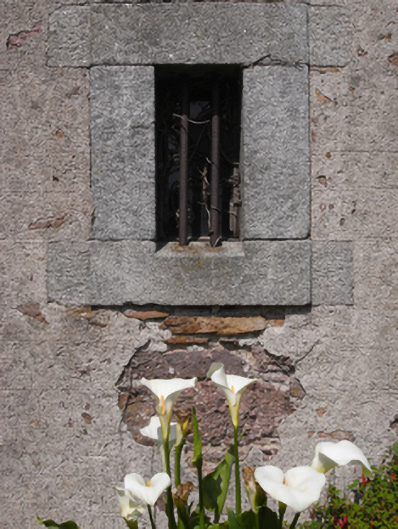
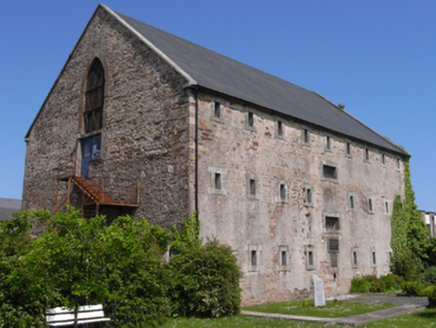
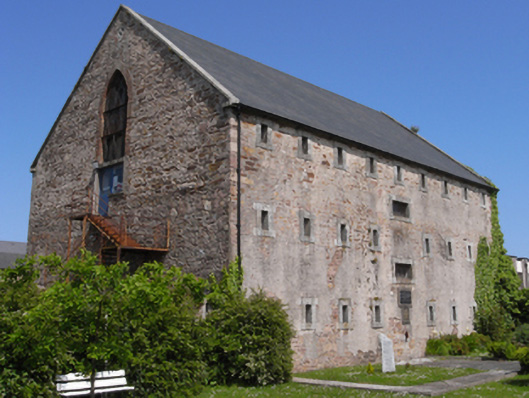
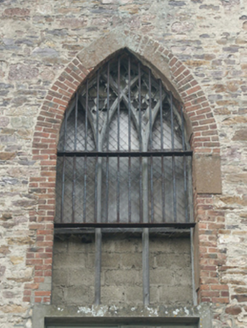
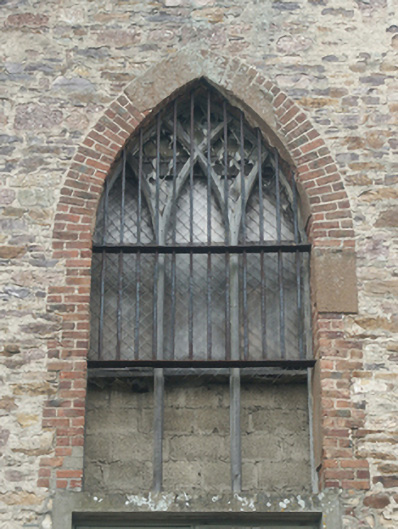
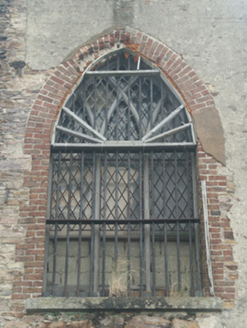
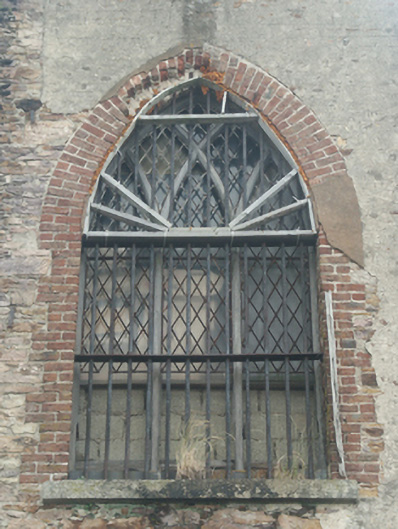
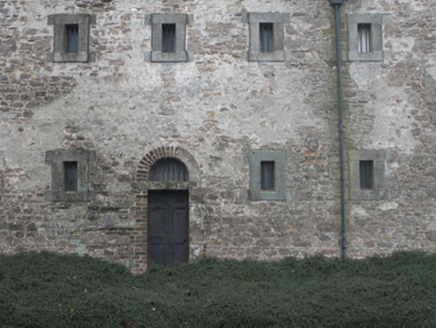
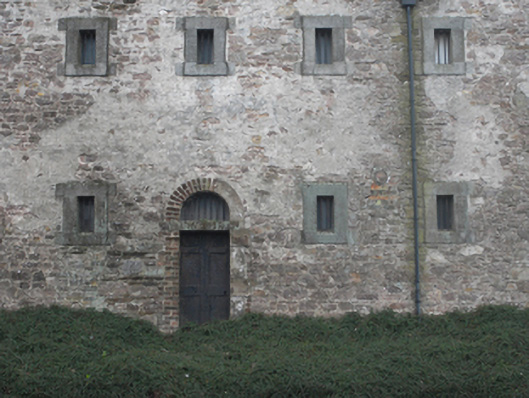
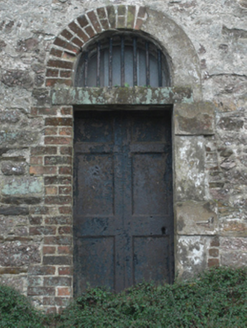
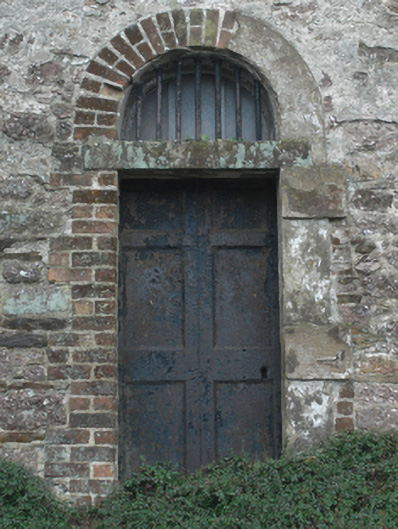
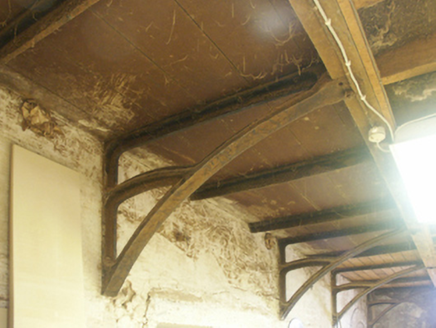
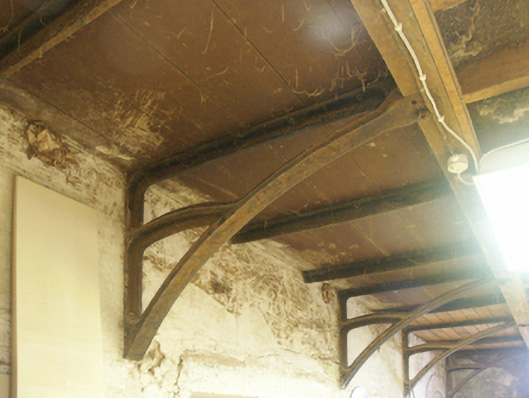
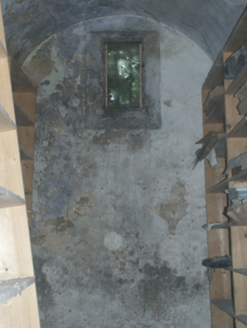
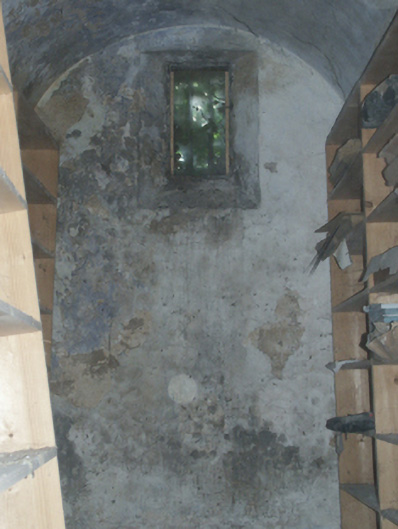
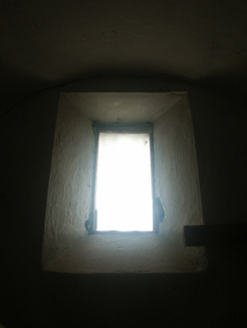
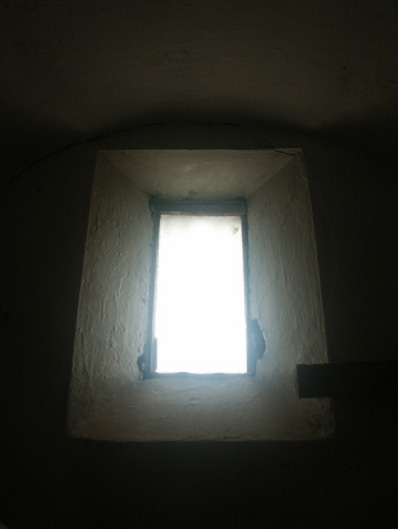
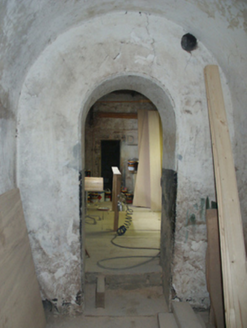
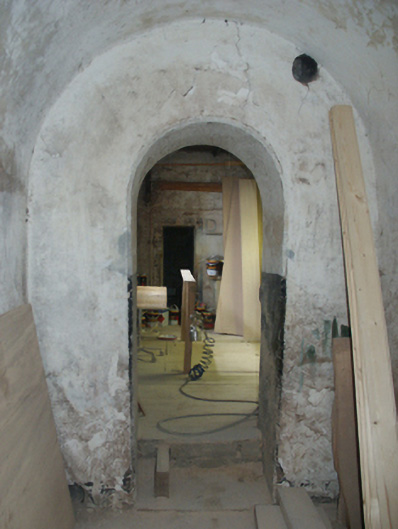
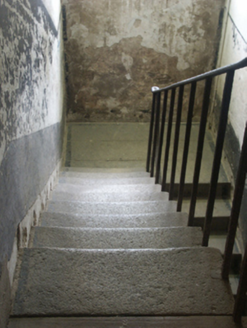
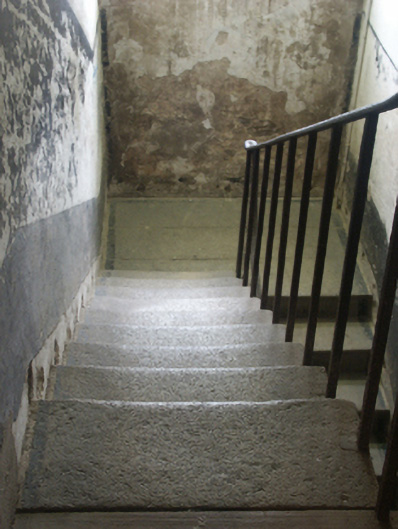
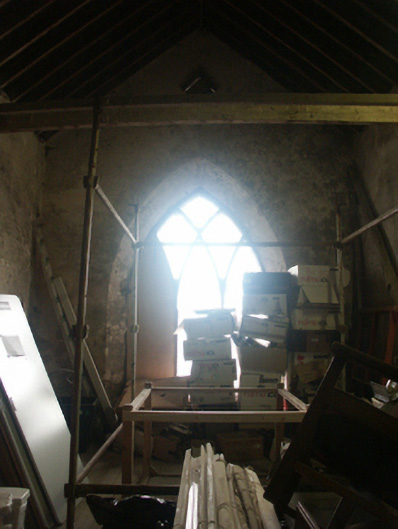
County Gaol complex including: Detached nine-bay three-storey gaol block, built 1851-3, on a rectangular plan; nine-bay three-storey rear (south) elevation. Occupied, 1901. Closed, 1903. Vacant, 1911. Now disused. Pitched slate roof on timber construction with clay ridge tiles, cut-granite coping to gables, and cast-iron rainwater goods on cut-granite eaves retaining cast-iron downpipes. Part creeper- or ivy-covered sneck-marked lime rendered coursed rubble "Old Red Sandstone" walls with cut- or hammered "Old Red Sandstone" flush quoins to corners. Segmental-headed central door opening with rendered red brick block-and-start surround framing cast-iron door having overlight behind cast-iron bars. Square-headed window openings with cut-granite surrounds framing fixed-pane fittings behind cast-iron bars. Square-headed central half-landing window openings (south) with cut-granite surrounds framing fixed-pane fittings behind cast-iron bars. Square-headed window openings with cut-granite surrounds framing fixed-pane fittings behind cast-iron bars. Pointed-arch window openings (gables) with cut-granite sills, interlocking timber Y-mullions, and rendered red brick block-and-start surrounds framing cast-iron bars over fixed-pane fittings having cast-iron lattice glazing bars. Interior including central atrium with timber boarded galleries on cast-iron spandrels; and limewashed barrel-vaulted cells. Set in shared grounds.
Appraisal
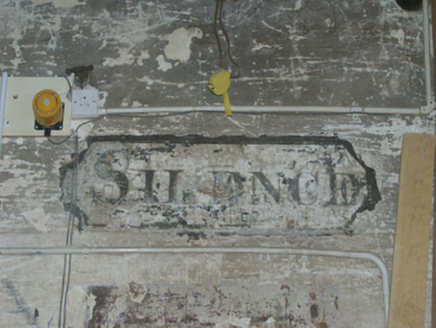
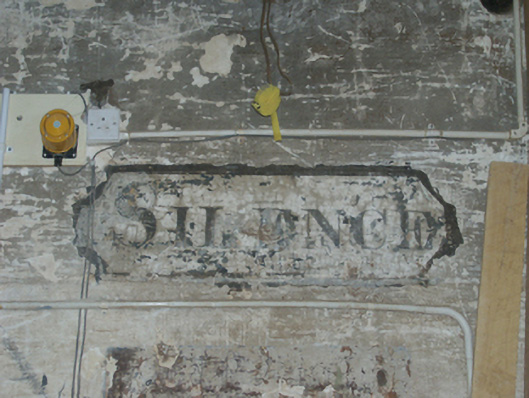
A gaol block illustrating the continued development or "improvement" of the Wexford County Gaol complex with the architectural value of the composition, one labelled as '[a] separate prison for females [with] female warder's room [and] matron's apartments' (Forty-eighth Report of the Inspectors-General on the General State of the Prisons of Ireland 1870, 489), confirmed by such attributes as the compact rectilinear plan form centred on a restrained doorcase; the slender profile of the openings with ecclesiastical-esque "pointed" openings filling the central void with 'cleansing rays of Godly light'; and the high pitched roof. A prolonged period of neglect notwithstanding, the form and massing survive intact together with substantial quantities of the original fabric, both to the exterior and to the time capsule-like interior where a galleried atrium; barrel-vaulted cells; rudimentary lavatories; and faded signage instructing "SILENCE", all highlight the grim conditions of a gaol block where 'sometimes three prisoners sleep in [the cells with] the bedding for two being placed on the floor while the third occupies an iron bedstead' (Frederic B. Long, Inspector-General in Reports from Commissioners XXVI 1849, 103). NOTE: A recent plaque, encircled by bullet holes, 'indicates the place where JAMES PARLE, JOHN CREANE [and] PATRICK HOGAN were executed for the Irish Republic March 13th 1923'.