Survey Data
Reg No
15400704
Rating
Regional
Categories of Special Interest
Architectural, Social
Original Use
Gate lodge
In Use As
House
Date
1800 - 1830
Coordinates
244446, 269249
Date Recorded
06/10/2004
Date Updated
--/--/--
Description
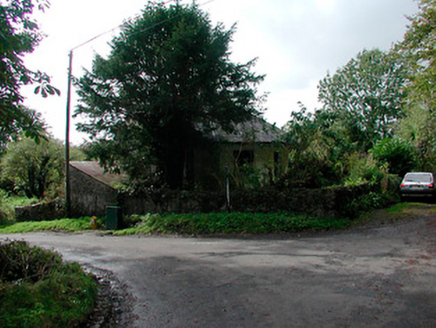
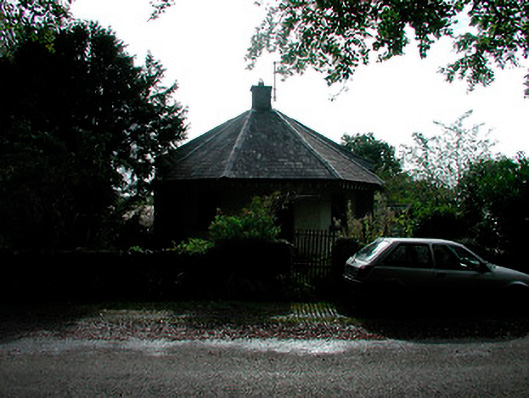
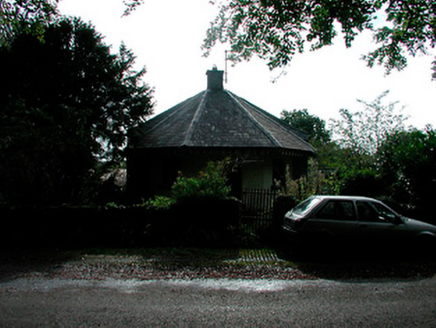
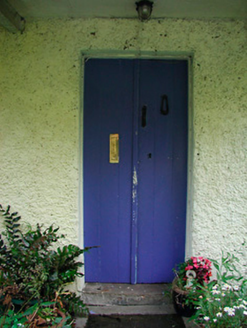
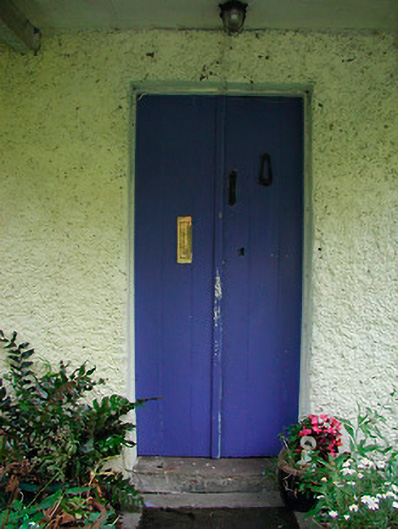
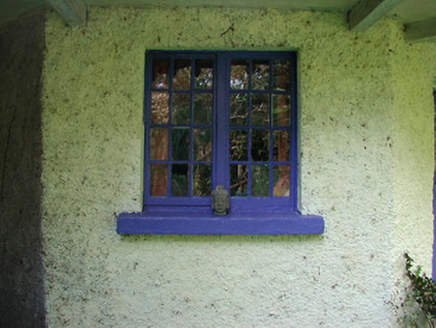
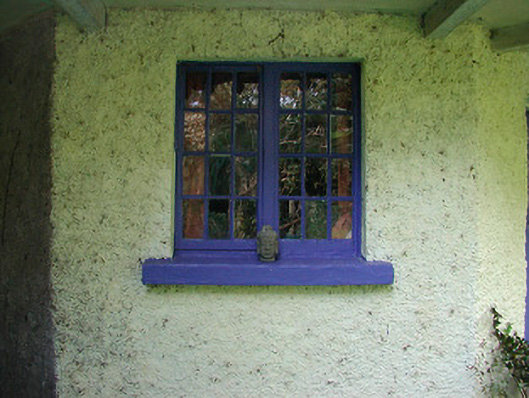
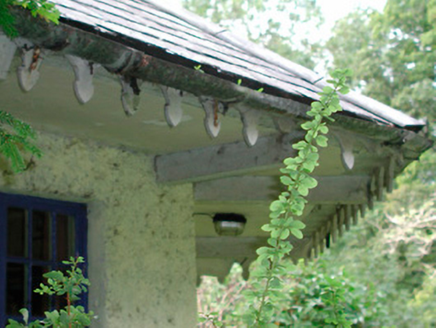
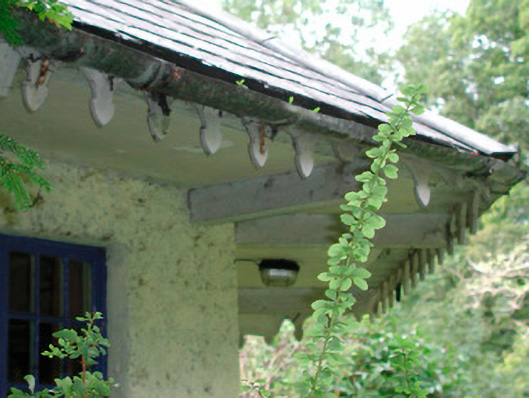
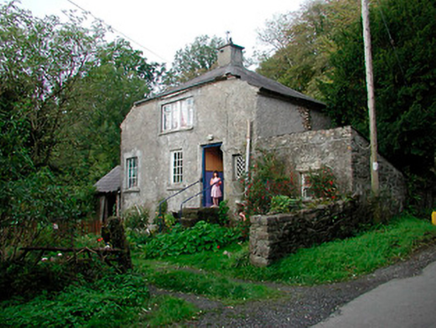
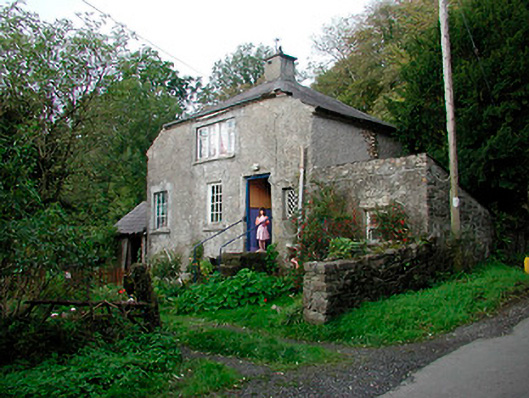
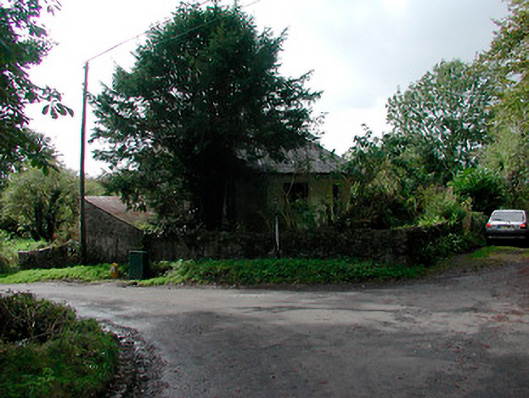
Detached three-bay single-storey former gate lodge, built c.1815, having canted front elevation (north) and a two-storey rear elevation (south). Now in use as a private house. Hipped natural slate roof with wide overhanging eaves with decorative timber fascia to front elevation (north), cast-iron rainwater goods and a single rendered chimneystack to the centre. Roughcast rendered walls. Square-headed window openings having cut stone sills and multi-pane timber casement windows to front elevation. Square-headed window openings to rear having variety of window types, including a single surviving cast-iron diamond pane window to the southeast corner and multi-pane timber casements. Square-headed doorcase to centre of entrance elevation having timber sheeted double doors. Cut granite steps to front. Sited at corner of rural road junction and set back from road in own grounds with rubble stone outbuildings to the rear (south) and adjoining to the east. Bounded on road frontage by rubble limestone wall having a wrought-iron bar gate to the front (north). Located to the south of Tullynally Castle (15400321) and across the road (south) from former rear entrance to castle grounds having wrought-iron turnstile gate.
Appraisal
A charming early nineteenth-century gate lodge, associated with Tullynally Castle (15400321), which retains its early form and character. This small-scale structure, although modified, retains a number of interesting features including a canted front elevation (north), decorative timber fascia, early timber casement windows and its original natural slate roof which enhance the design and visual appeal of this building. This picturesque structure, along with attendant wrought-iron turnstile gate across the road to the north, is an appealing element in the rural landscape and remains an integral element of the architectural heritage of the Castlepollard local area.