Survey Data
Reg No
15319017
Rating
Regional
Categories of Special Interest
Archaeological, Architectural, Artistic
Original Use
House
In Use As
House
Date
1800 - 1830
Coordinates
236822, 239783
Date Recorded
27/09/2004
Date Updated
--/--/--
Description
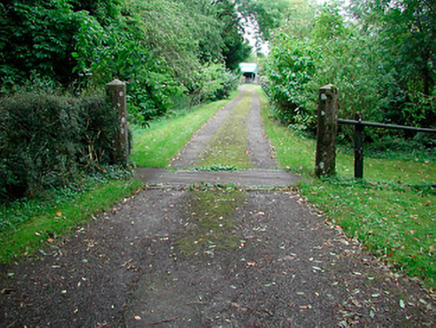
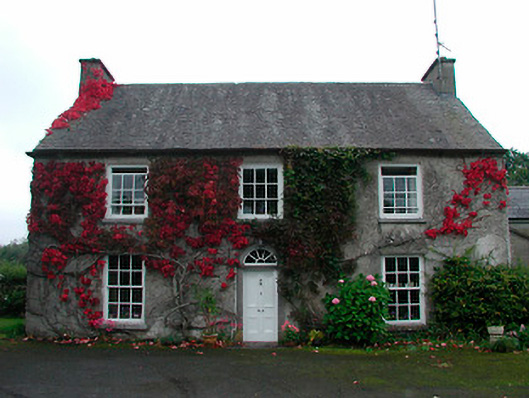
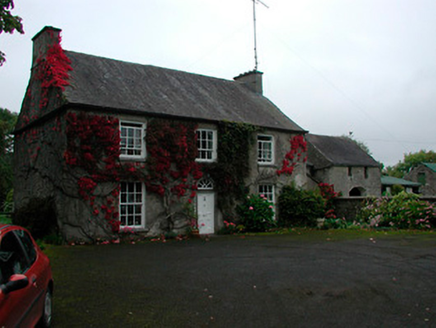
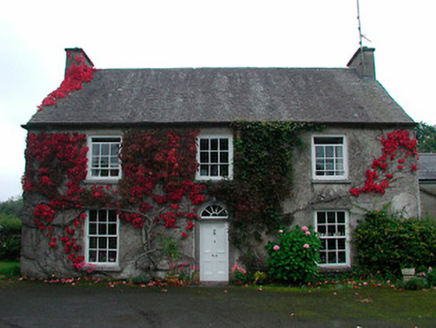
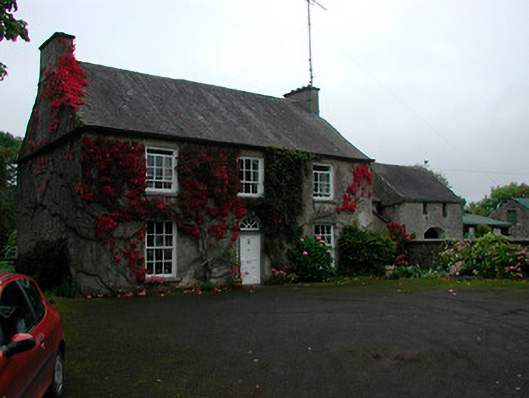
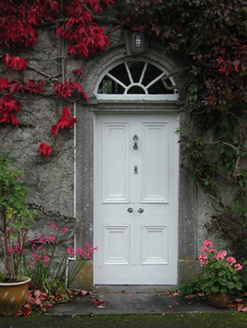
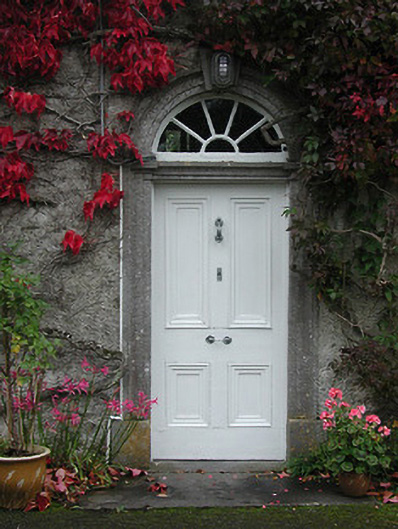
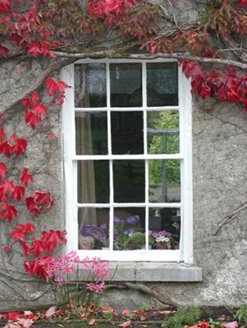
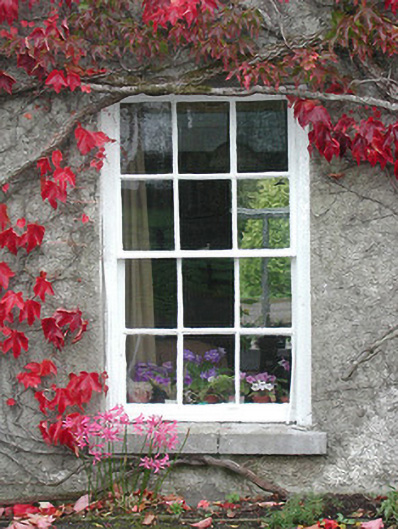
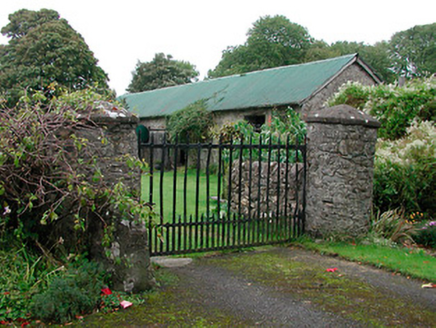
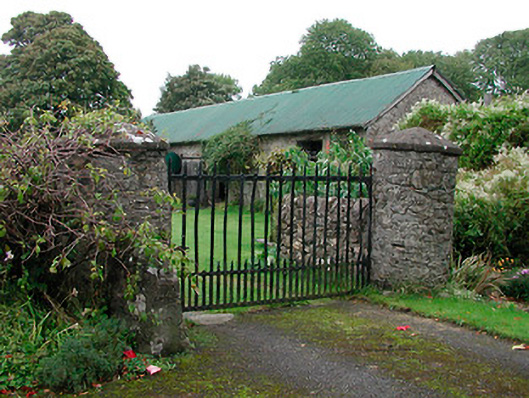
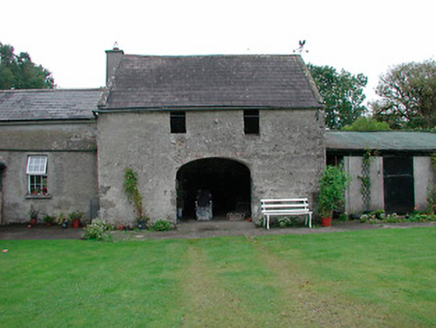
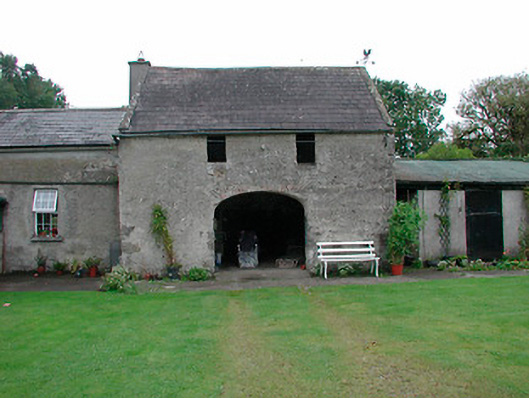
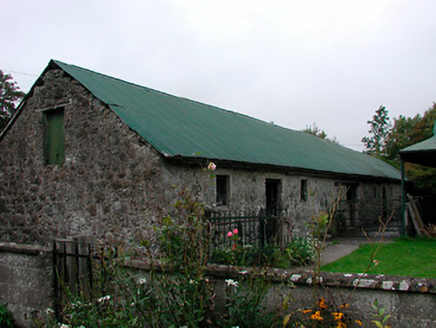
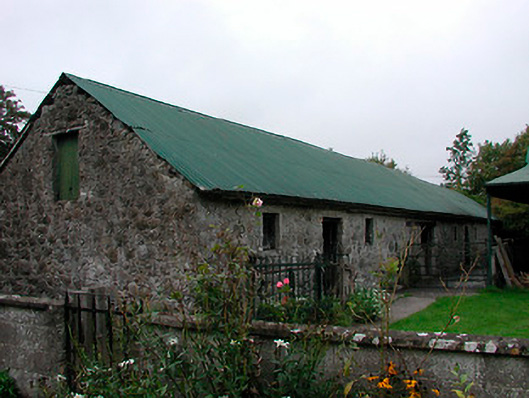
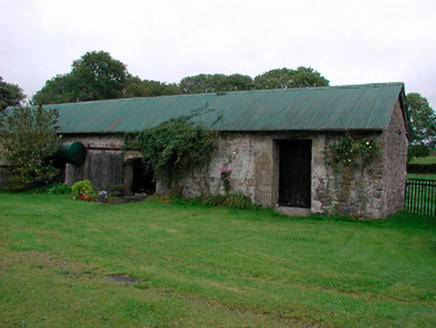
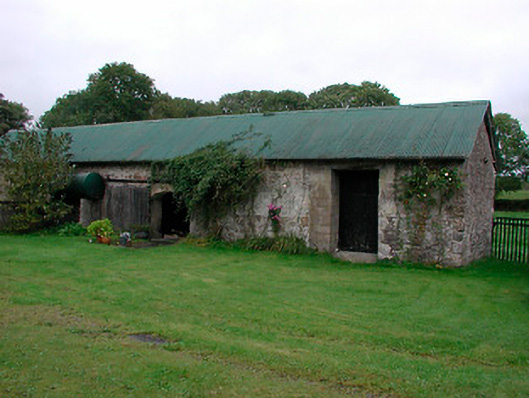
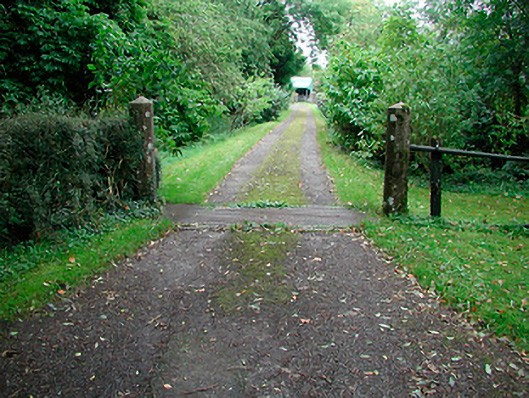
Detached three-bay two-storey house with return, built c.1815, having a single-bay single-storey extension/wing attached to the north gable end. Pitched natural slate roof with rendered chimneystacks to either gable end. Roughcast rendered walls with square-headed window openings having cut stone sills and six-over-three pane windows to the first floor openings and six-over-six pane timber sliding sash windows over to the first floor. Central round-headed doorway to the main façade having a cut stone architraved surround with timber door and a spoke/radial fanlight over. Complex of single-storey outbuildings and a two-bay two-storey former coach house arranged around a courtyard to the north of the house, having rubble stone walls, pitched natural slate or corrugated metal roofs and square-headed openings. Roughcast rendered finish and a segmental-headed carriage arch to the coach house. A pair of rubble limestone gate piers (on circular-plan) having a wrought-iron flat bar gate gives access to outbuilding complex from the south. Main entrance gates serving the house to the south comprising a pair of cut limestone gate posts on octagonal plan. Set back from country lane in mature grounds. Located to the east of Ballynagore.
Appraisal
An elegant and well-proportioned house, which retains its early form and character. The importance of this charming house is elevated by the retention of much of its original fabric, including early timber sliding sash windows and a timber panelled door, while the good quality doorcase forms an architectural centerpiece to the front façade. This house has quite a deep plain and large windows, suggesting that this is a gentleman's or strong farmer's house rather than a house from the extended vernacular tradition. The extensive collection of outbuildings to the north and the vernacular gateway serving this complex adds significantly to this composition. The well-carved cut limestone gate posts to the south complete the setting of this fine composition, which is a worthy addition to the built heritage of the local area. The current house and farmyard is built on the site of an earlier castle, indicated on the Down Survey map of the area (1654-6), of which no extant remains are visible. It is probable that fabric from this earlier structure was incorporated into the present buildings.