Survey Data
Reg No
14944004
Rating
Regional
Categories of Special Interest
Architectural, Artistic, Technical
Previous Name
Park House
Original Use
Farm house
In Use As
Farm house
Date
1800 - 1840
Coordinates
200505, 185831
Date Recorded
03/09/2004
Date Updated
--/--/--
Description
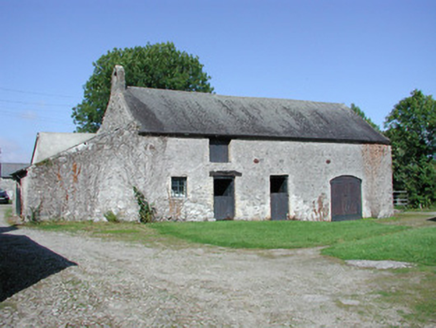
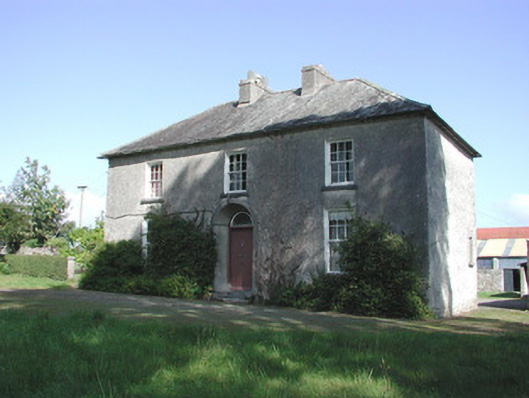
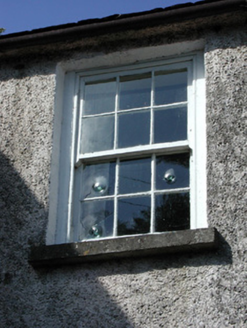
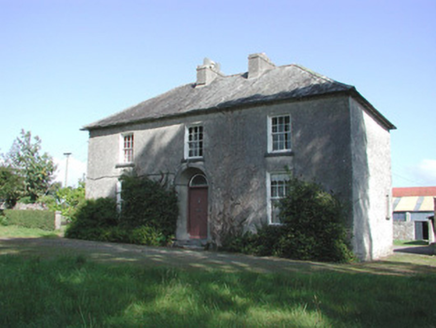
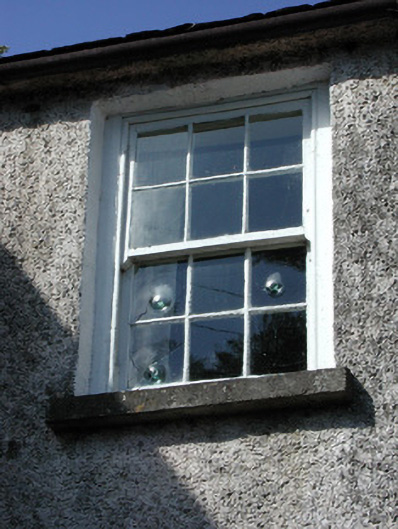
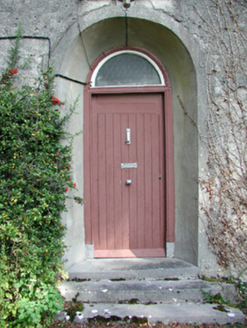
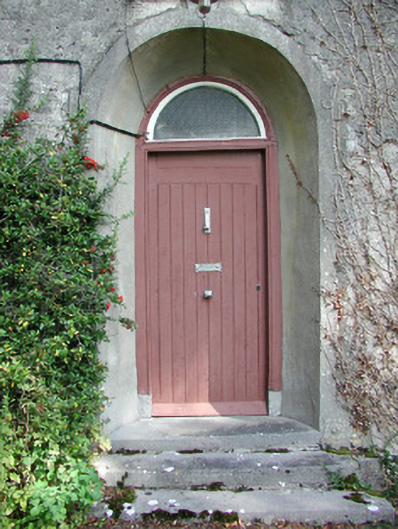
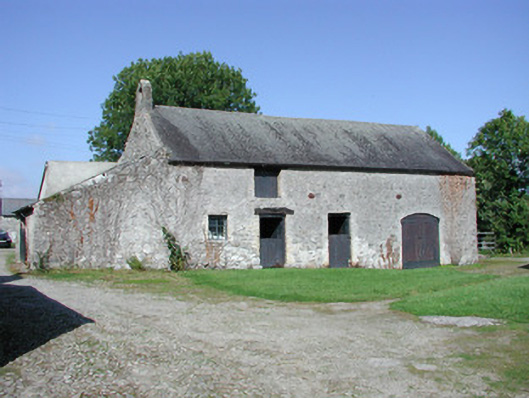
Detached three-bay two-storey farmhouse, built c.1820, with two-storey return and mid twentieth-century rear porch extension and abutted by lean-to outbuilding. Set within its own grounds. Hipped slate roof with terracotta ridge tiles, ruled-and-lined rendered chimneystacks, cast-iron and replacement rainwater goods. Lean-to corrugated-iron roof to rear porch. Roughcast rendered walls with tooled limestone eaves course. Ruled-and-lined render to gable elevation of return and smooth render to walls of rear porch. Timber sash windows with tooled stone sills. Bullion panes to sash window in return. Fixed metal-framed windows to rear porch. Round-headed door opening to façade within recessed surround having timber battened door with replacement fanlight and tooled limestone steps. Square-headed door opening to rear porch with timber battened door. Wrought-iron bootscraper at rear door. Cast-iron gate piers and gate to top of avenue. Wrought-iron gates access rear yard. Cobble stones to rear yard. Stone and roughcast rendered outbuildings to rear site having pitched slate and corrugated-iron roofs. Bellcote with bell to outbuilding to north-west of yard. Square-profile roughcast rendered gate piers to road with wrought-iron gates and sweeping roughcast rendered walls with concrete coping.
Appraisal
Little alteration at Templepark has occurred and as a result the farmhouse retains its pure architectural character. The house has notable features including decoratively tooled window sills and well made sash windows. A particular element of interest is the return’s first floor sash, which has bullion panes. A bullion was the central hub of a molten hand-blown glass disk from which panes of glass were cut. During the production of crown glass, the inner bullion, which was attached to the blowing pipe, was often discarded or employed in basement or rear windows.