Survey Data
Reg No
14926004
Rating
Regional
Categories of Special Interest
Architectural, Artistic, Technical
Previous Name
Ard
Original Use
Farm house
In Use As
Farm house
Date
1650 - 1750
Coordinates
244266, 217887
Date Recorded
13/10/2004
Date Updated
--/--/--
Description
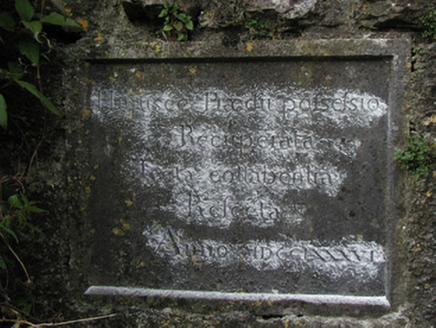
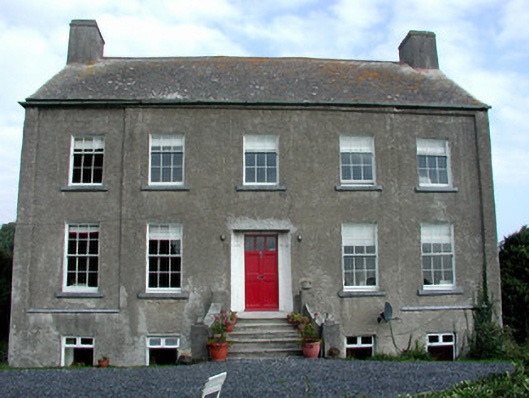
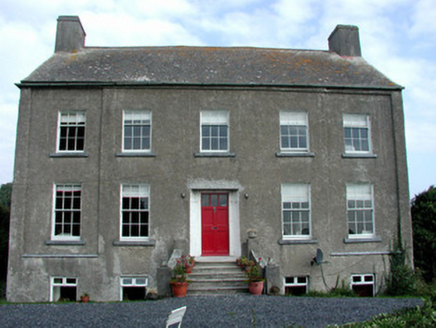
Detached five-bay two-storey over basement farmhouse with attic storey, built c.1700, with recessed flanking end bays and outbuildings to partially cobbled rear yard. Roof rebuilt in 1786. Pitched tiled roof with rendered chimneystacks. Roughcast rendered walls. Recessed square-headed door opening with timber panelled and glazed door. Door accessed up five limestone steps. Square-headed window openings with limestone sills and timber sash windows. Timber casement windows to basement. Single-storey outbuildings to rear yard with pitched slate and corrugated-iron roofs. The house is internally divided equally in three with an oversized stairs occupying the central space flanked by rooms. The oversized stairs is an integral part of the house and unusually runs from the ground floor to the attic.
Appraisal
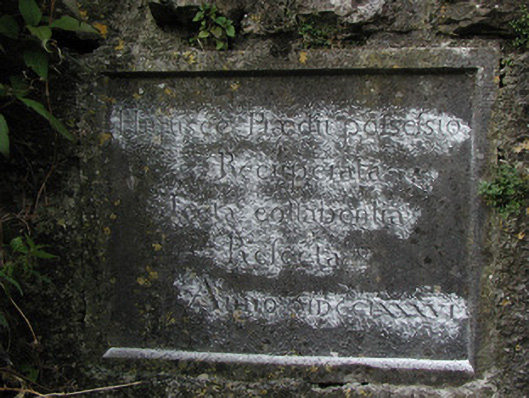
Ard House is an important surviving example of a large late seventeenth-century/early eighteenth-century farmhouse in Ireland. Hidden away on the quiet country road south of Geashill, this wonderful early farmhouse retains many original features that contribute to its architectural importance. The timber sash windows on the front of the house are recent replacements of the originals, however, the original four-over-four and six-over-six timber sash windows with exposed window box survives on the rear elevation. The original interior plan of the house also survives as does a most interesting staircase. The partially cobbled rear yard contributes to the setting of the farmhouse. An arch that once spanned the entrance to the rear yard is now gone, however a plaque that was incorporated into the arch survives and is mounted on gates pier at the entrance to the yard. The plaque records the repair or complete rebuilding of the roof in 1786.