


Survey Data
Reg No
14924005
Rating
Regional
Categories of Special Interest
Architectural, Artistic, Historical, Social, Technical
Previous Name
Rathrobin House
Original Use
Country house
Date
1895 - 1900
Coordinates
226205, 216287
Date Recorded
19/10/2004
Date Updated
--/--/--
Description
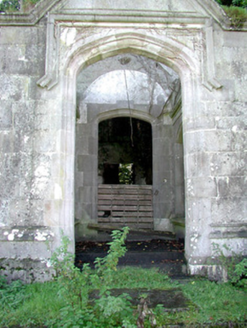
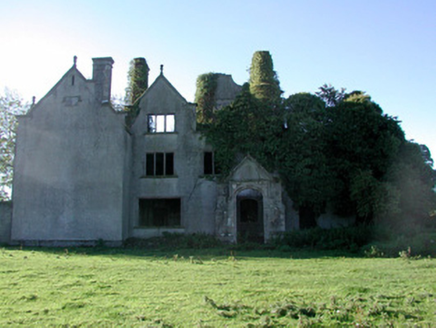
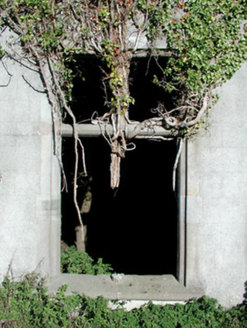
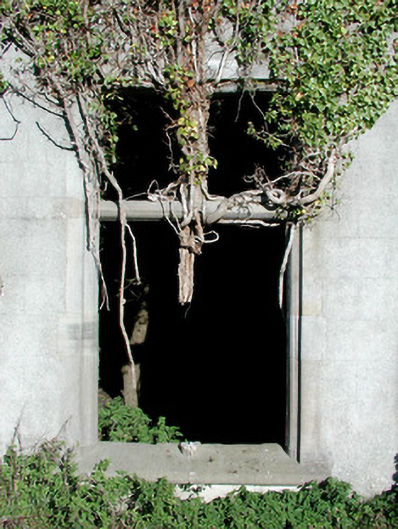
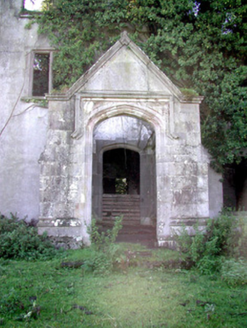
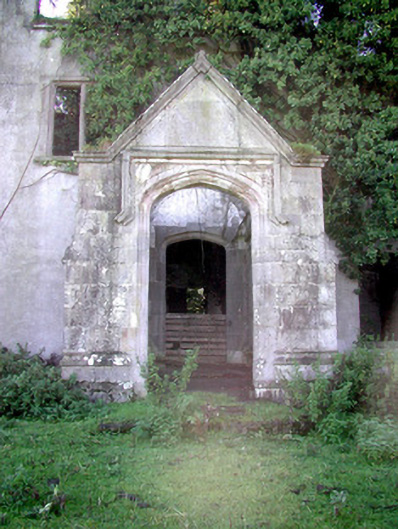
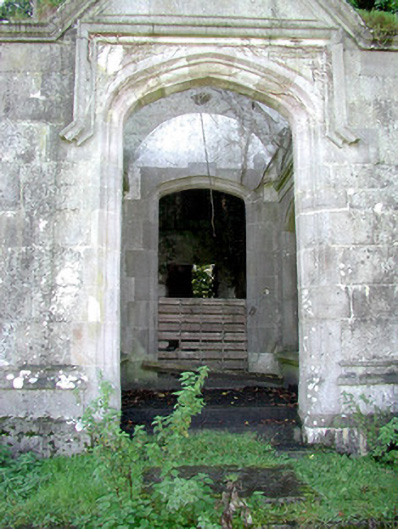
Detached five-bay two-storey country house with dormer attic, dated 1898, on an L-shaped plan centred on single-bay single-storey gabled projecting open porch to ground floor; single-bay two-storey gabled projecting end bay. Occupied, 1901; 1911. Burnt, 1923. Now in ruins. Roofs now missing with ivy-covered limestone ashlar chimney stacks having ogee-detailed stringcourses below ogee-detailed cornice capping. Part ivy-covered rendered, ruled and lined mass concrete walls on overgrown plinth with finial-topped ogee-detailed cut-limestone coping to gables. Tudor-headed door opening (porch) with three cut-limestone steps, and cut-limestone block-and-start surround having moulded reveals with hood moulding. Tudor-headed door opening into country house with cut-limestone step threshold, and cut-limestone block-and-start surround having moulded reveals centred on keystone. Square-headed window openings in multipartite arrangement with lichen-spotted cut-limestone sills, cut-limestone mullions, and cut-limestone block-and-start surrounds having bull nose-detailed reveals with no fittings surviving. Interior in ruins. Set in unkempt grounds.
Appraisal
The shell of a country house erected for Lieutenant-Colonel Middleton Westenra Biddulph (1849-1926) and Vera Josephine Biddulph (née Flower) (1863-1938) to designs by Sir Thomas Drew (1838-1910) of Dublin (Irish Builder 19th March 1910, 168) representing an important component of the domestic built heritage of County Offaly with the architectural value of the composition, one succeeding 'RATHROBIN HOUSE built by NICHOLAS son of JOHN son of FRANCIS BIDDULPH in the year 1694' [SMR OF024-044003-], confirmed by such attributes as the angular plan form centred on a buttressed porch demonstrating good quality workmanship in a silver-grey limestone; the simulated ashlar finish masking a pioneering mass concrete construction; the diminishing in scale of the multipartite openings on each floor producing a graduated tiered visual effect with the principal "apartments" defined by a polygonal bow; and the pinnacles embellishing a multi-gabled roof. Although reduced to ruins during "The Troubles" (1919-23), an act of destruction recounted by Brigadier William "Bill" Magan (1908-2020) in "Umma-More" (1983), the form and massing survive intact together with remnants of the original fabric, both to the exterior and to the interior where fragmentary plasterwork refinements highlight the now modest artistic potential of the composition. Furthermore, an adjoining wall garden (----); and adjacent outbuildings repurposing stone work from the late medieval Rathrobin Castle [SMR OF024-044001-], all continue to contribute positively to the setting of an estate historic connections with the Biddulph family including Francis Marsh Biddulph (1802-68) and Lucy Biddulph (née Bickerstaffe) (1819-96) 'late of Rathrobin Blueball Tullamore King's County' (Calendars of Wills and Administrations 1868, 26; 1898, 23).