Survey Data
Reg No
13402715
Rating
Regional
Categories of Special Interest
Architectural
Original Use
Outbuilding
In Use As
Outbuilding
Date
1780 - 1820
Coordinates
217615, 256299
Date Recorded
28/07/2005
Date Updated
--/--/--
Description
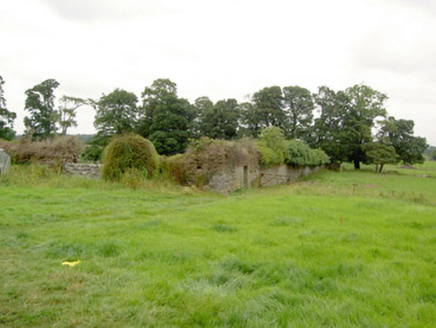
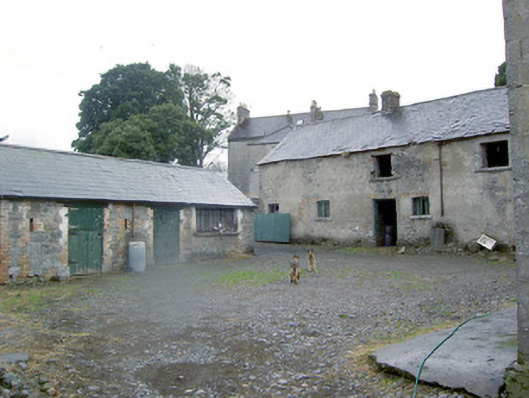
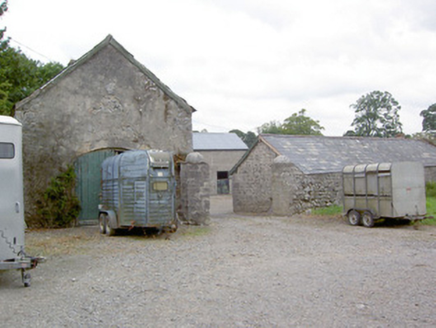
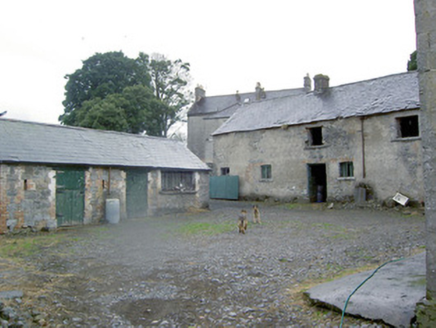
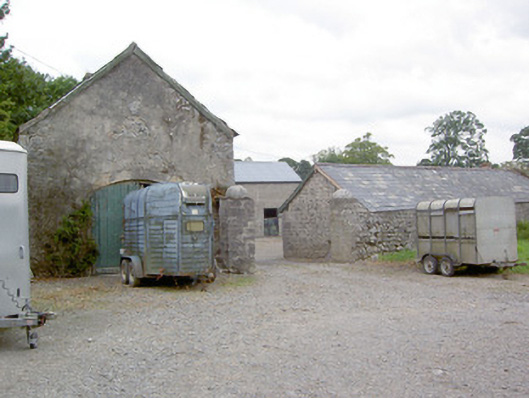
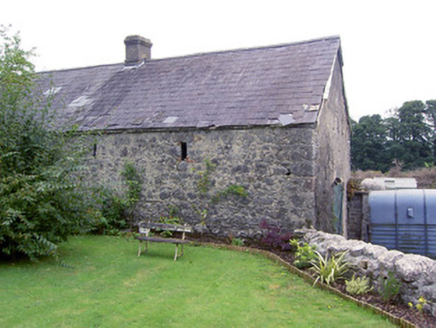
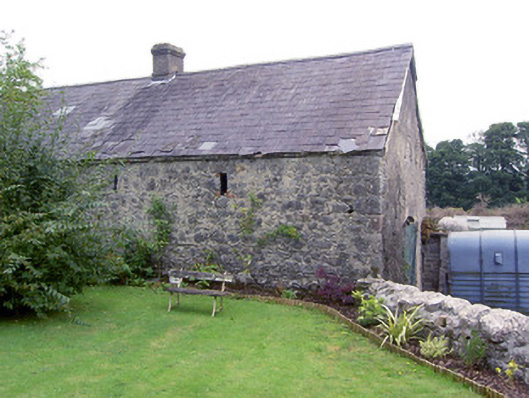
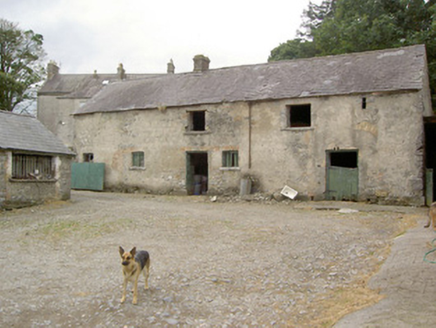
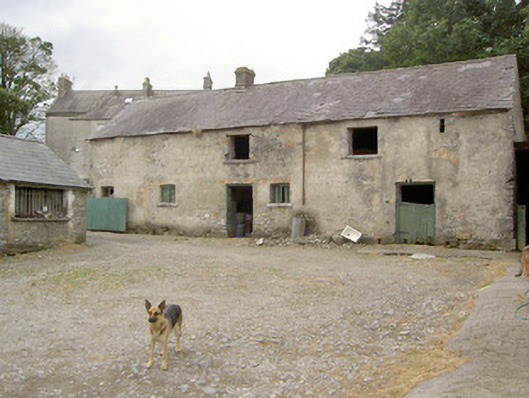
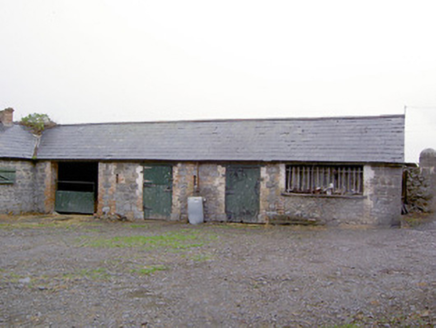
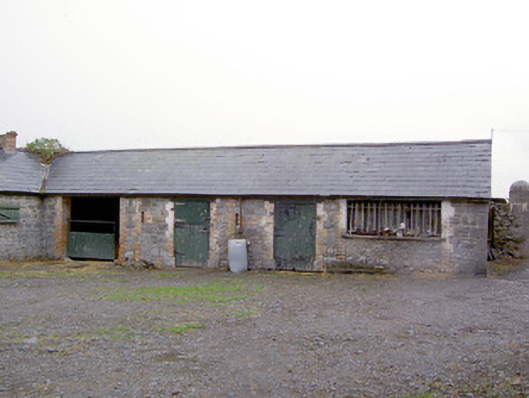
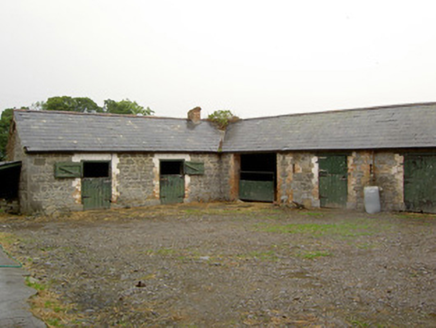
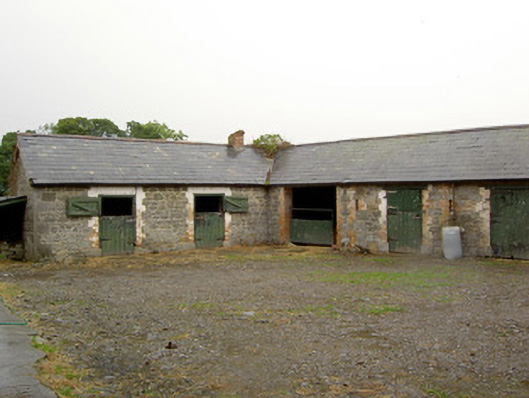
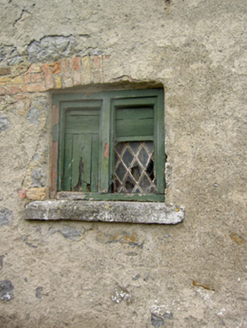
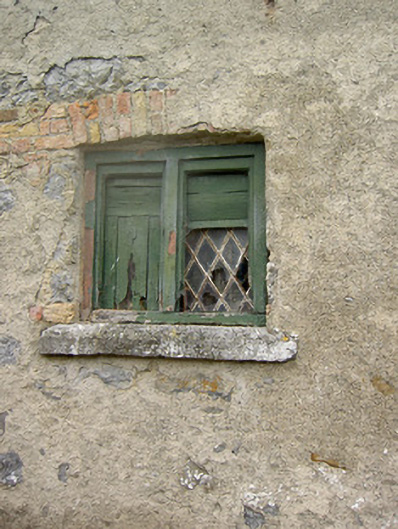
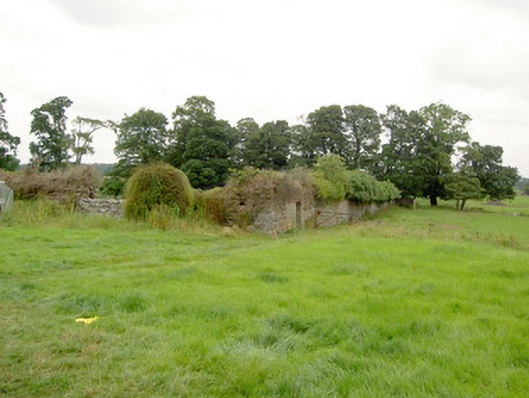
Complex of single- and two-storey outbuildings to the rear (north) of Clooncallow House (13402716) built c. 1800 and c. 1860, comprising a detached five-bay two-storey outbuilding to the south, c. 1800, and a detached six-bay single-storey former stable complex on L-shaped plan to the east, built c. 1800 and extended (to northwest) c. 1860. Pitched natural slate roofs with cast-iron rainwater goods, rendered chimneystack to the centre of the two-storey range. Roughcast lime rendered random rubble limestone walls to two-storey outbuilding with red brick eaves course and roughly dressed limestone quoins. Evidence of blocked carriage arches to main (north elevation), infilled with brick. Square-headed window openings to two-storey outbuilding having red brick voussoirs and chamfered limestone sills, and some having rendered sills. Timber casement windows and some leaded glass windows to openings. Square-headed door openings with red brick voussoirs and timber battened doors and timber battened half doors. Shallow segmental-headed carriage arch to the east gable end having brick voussoirs and timber battened double doors. Pitched natural slate roofs and cast-iron rainwater goods to single-storey outbuilding to the east. Brick chimneystack to northwest section. Coursed limestone rubble walls with flush dressed limestone quoins. Square-headed openings with red brick block-and-start surrounds and having timber battened stable doors and half doors. Entrance gateway to the southeast corner of yard comprising a pair of dressed ashlar limestone gate piers (on square-plan) having domed capping over. Pier to the north possibly a modern build in blockwork. Remains of walled garden on rectangular plan to the northwest of house having rubble stone boundary walls. Integral square-headed pedestrian entrance to the south end of boundary wall to the east. Rubble stone walls to site. Located to north of Clooncallow House, and to the east of Ballymahon.
Appraisal
This complex of outbuildings adds considerably to the setting and historic context of Clooncallow House (13402716). They retain their early form, fabric and character. The lack of detailing and the simple forms are indicative of their intended utilitarian functions. The two-storey outbuilding to the south side of the yard probably dates to the early-nineteenth century, while the form and detailing to L-shaped single-storey outbuilding to the east suggests that it was built or heavily altered during the mid-nineteenth century, perhaps c. 1860. There are a number of blocked carriage arches to the north elevation of the two-storey outbuilding indicating that this structure was altered at some stage, perhaps c. 1860 when the single-storey outbuilding was constructed or altered. The contrast between the grey rubble stone masonry and the red brick detailing to the openings of the single-storey building creates an appealing tonal and textural contrast to the main facades. The scale of this complex suggests that Cloncallow House was a prosperous farm at the time(s) of construction. The remains of the walled garden to the northwest adds further to the setting and provides an interesting historical insight into the extensive resources required to run and maintain a middle-sized landholding in rural Ireland during the nineteenth century. This complex forms part of a group of related structures along with the main house (13402716), the gateway (13402717) and the unusual tower-like structure (13402736) to the west of the house, and is an integral element of the built heritage of the Ballymahon area. There is a reference to a new 'Belgian' farm at Cloncallow/Clooncallow, near Ballymahon-Mullingar road, that was built/laid out in 1868 (subject of paper read by Hon. H.L. King Harman to Ballymahon Farmers' Club, published in Farmers' Gazette), however, this is probably in reference to a complex on the Newcastle House estate rather then this complex.